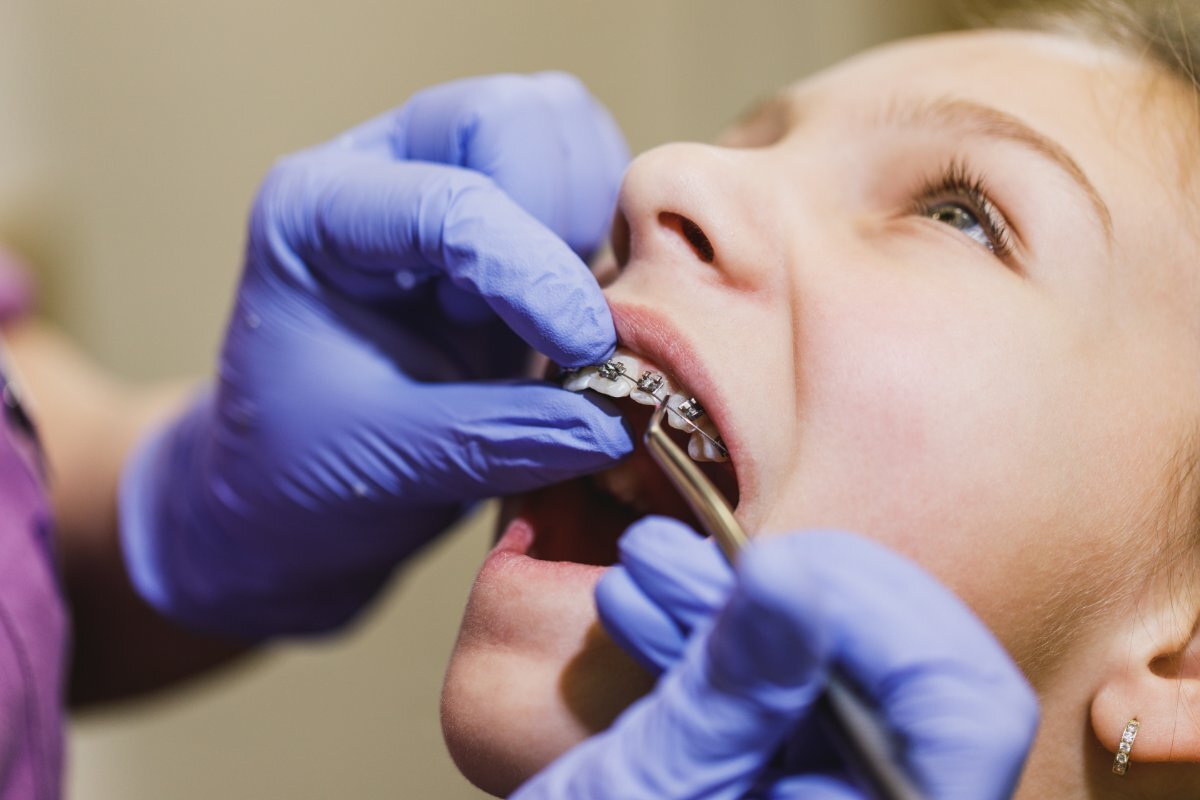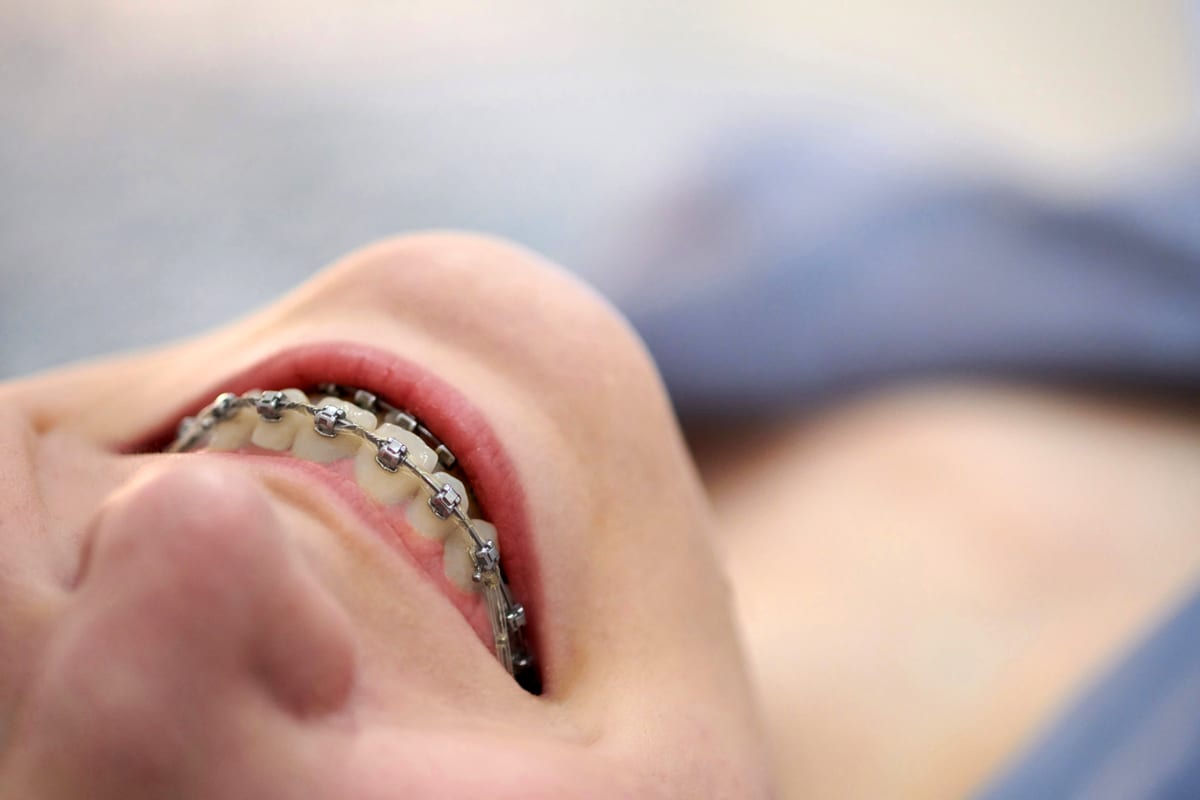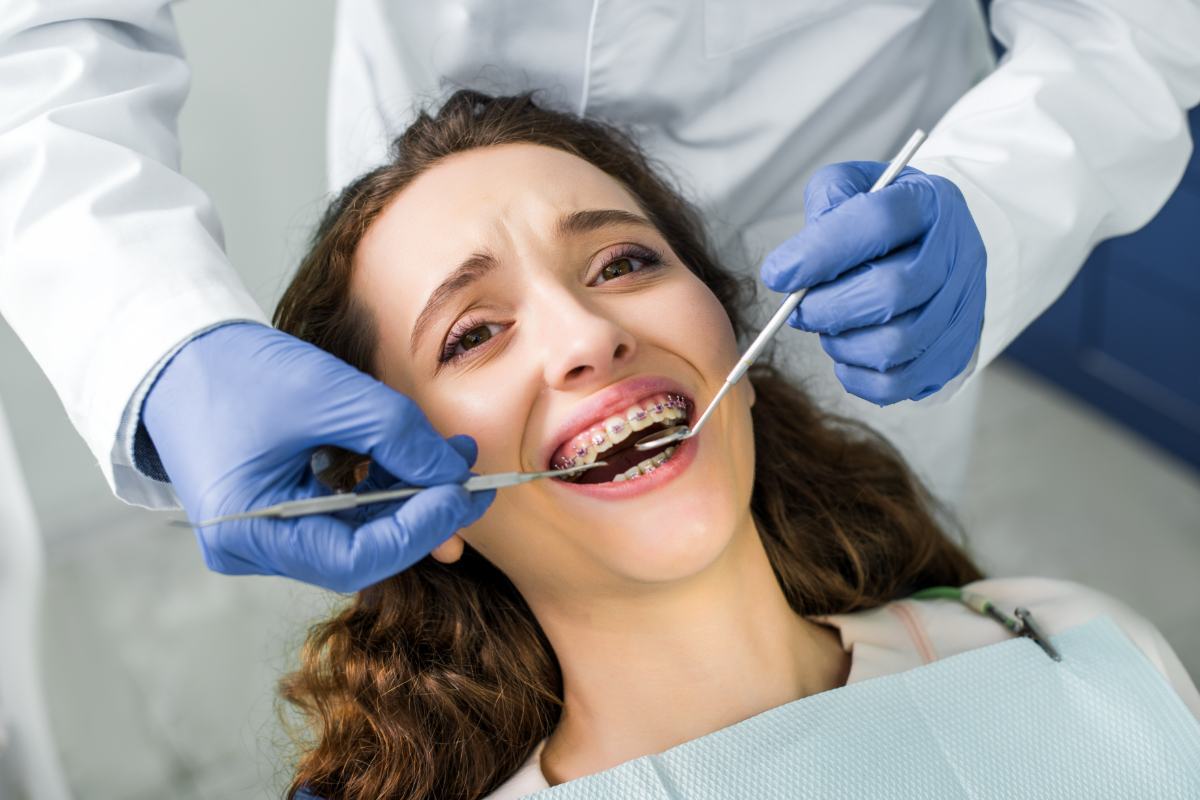
Have you noticed one of your teeth wiggling slightly while you are wearing braces? Perhaps you first noticed it after an adjustment appointment, while eating, or when brushing your teeth. If you or your child is undergoing orthodontic treatment in Dallas, Texas, this sensation can raise an understandable question: Is it normal for teeth to feel loose during braces treatment?
The reassuring news is that slight tooth mobility can be a normal part of orthodontic treatment. Braces apply controlled pressure to move teeth gradually through the supporting bone. To allow that movement, the body must remodel the bone and the tissues around each tooth.
Still, not every loose tooth is normal. The degree of movement, accompanying symptoms, and treatment stage all matter. Understanding the process can help you know what to expect and when to seek professional advice.
At Dallas Orthodontics, Dr. Benito Benitez can assess your orthodontic progress and help determine whether tooth mobility is expected or needs further evaluation.
Why Do Teeth Feel Loose When You Have Braces?
Your teeth are not fused directly to your jawbone. Each tooth is supported by a specialized group of tissues called the periodontium, which includes the periodontal ligament, the surrounding bone, the cementum covering the tooth root, and the gums.
The periodontal ligament contains fibers and cells that help anchor the tooth while allowing a very small amount of natural movement. When braces in Dallas apply force to a tooth, these supporting tissues respond.
A 2018 review published in the Kaohsiung Journal of Medical Sciences explains that orthodontic tooth movement depends on coordinated changes in the periodontal ligament and surrounding bone. Bone is gradually resorbed where the tooth needs to move and formed where support must develop around its new position.
Because these tissues change during treatment, a tooth may feel slightly different when you bite or touch it. This does not automatically mean the tooth is being damaged. It can reflect the biological process that makes orthodontic movement possible.
However, don’t repeatedly wiggle a tooth to test its mobility. If you notice a change, let your orthodontist evaluate it rather than applying additional pressure yourself.
How Braces Move Teeth Through the Bone
To understand why teeth can feel loose, it helps to know what happens beneath the gums during orthodontic treatment.
1. Braces Apply Controlled Pressure
Brackets and archwires apply carefully planned forces to guide teeth into better positions. These forces are intended to move teeth gradually rather than push them suddenly into place.
When a tooth receives orthodontic pressure, the periodontal ligament responds to the change in loading. Cells in the ligament and surrounding bone begin signaling processes that allow the supporting tissues to adapt.
This response is necessary for tooth movement. Without it, braces could not reposition teeth in a controlled way.
2. The Body Remodels the Surrounding Bone
Bone remodeling involves two complementary processes: removing existing bone in selected areas and forming new bone where support is needed.
Osteoclasts break down bone tissue, while osteoblasts form new bone. These processes work together as teeth gradually move through the jaw.
A 2024 systematic review examining biological changes associated with conventional braces and clear aligners found that orthodontic forces trigger responses involving the periodontal ligament, alveolar bone, and other supporting tissues. The review also emphasized the importance of applying appropriate forces and evaluating oral health before treatment.
3. Temporary Mobility Can Occur During Active Movement
As the supporting tissues adapt, a tooth may exhibit some increased mobility. The amount varies from person to person and can depend on which tooth is moving, the type of movement involved, and the stage of treatment.
That is why a slightly mobile tooth doesn’t necessarily indicate a problem. Your orthodontist considers the tooth’s condition, surrounding gums, symptoms, and overall treatment progress before determining whether the mobility is expected.
The key distinction is between a small change from planned tooth movement and excessive or worsening looseness that needs investigation.
Is It Normal for Teeth to Feel Loose After an Adjustment?
You may notice pressure, tenderness, or a different sensation when biting after your braces are adjusted. These effects often occur because the adjustment changes the forces acting on selected teeth.
The American Association of Orthodontists explains that soreness is common when braces are first placed or adjusted because the teeth and supporting tissues are responding to new pressure.
Some patients notice this sensation for a few days after an appointment. Others experience less discomfort. The response depends on the individual and the type of adjustment performed.
A mild sense of movement, accompanied by manageable pressure or tenderness, may be part of normal orthodontic treatment in Dallas. However, severe pain, a significantly displaced tooth, or pronounced looseness should not be attributed solely to an adjustment.
If you are unsure whether what you feel is normal, contact your orthodontist. You do not need to wait until your next scheduled visit to ask about a concerning change.
What Factors Can Affect Tooth Mobility During Braces Treatment?
Not every patient experiences the same degree of mobility. Several factors can influence how teeth and supporting tissues respond.
The Type of Tooth Movement
Different orthodontic movements place different demands on the supporting tissues. Moving a tooth sideways, rotating it, or changing its vertical position involves different force patterns and tissue adaptations.
As a result, one tooth may feel different from another during the same treatment phase. Your orthodontist plans these movements according to your bite, tooth positions, and treatment goals.
The Stage of Treatment
Your teeth may respond differently at the beginning of treatment, during active alignment, and near the end of orthodontic care. A tooth that is actively moving can feel different from one whose position is being stabilized.
Research also shows that mobility can change around the time braces are removed. In a clinical study of 21 patients, researchers measured tooth mobility after fixed braces were removed and found it was particularly high during the first two days after removal. The study was small and focused on retention, so its findings should not be treated as a universal timeline for patients wearing braces.
Gum and Bone Health
Healthy gums and supporting bone are important for successful orthodontic treatment. Gum inflammation, periodontal disease, or reduced bone support can increase tooth mobility regardless of planned orthodontic movement.
This is one reason oral hygiene matters so much during braces treatment. Plaque can accumulate around brackets and wires, making it harder to keep the gumline clean.
A 2024 systematic review of biological changes during orthodontic treatment emphasized that evaluating overall oral health before orthodontic care helps identify periodontal or other conditions that could affect treatment.
If your gums bleed frequently, appear swollen, or have begun to recede, tell your orthodontist and general dentist. These symptoms deserve attention, not dismissal as an ordinary part of braces.
Oral Habits and Accidental Injury
Biting hard objects, chewing ice, using your teeth to open packaging, or playing contact sports without proper protection can put unnecessary stress on your teeth and orthodontic appliances.
An accidental blow to the mouth can also loosen a tooth. If you notice sudden mobility after an injury, contact your orthodontist or dentist promptly. Do not assume the movement is caused by braces.
When Is a Loose Tooth a Cause for Concern?
Although mild mobility can accompany orthodontic movement, more pronounced looseness may indicate a problem that needs professional assessment.
Contact your orthodontic office if you notice any of the following:
- A tooth seems much looser than the surrounding teeth.
- The mobility is increasing rather than remaining mild.
- You experience severe or worsening pain.
- Your gums are swollen, bleeding persistently, or pulling away from a tooth.
- You notice pus, an unpleasant taste associated with swelling, or other signs of possible infection.
- A tooth suddenly becomes loose after a fall, impact, or sports injury.
- Your bite changes unexpectedly, or a tooth appears to have shifted out of position.
Facial swelling with fever or rapidly spreading symptoms needs urgent dental or medical evaluation. Difficulty breathing or swallowing is an emergency and requires immediate medical attention.
Only a clinical examination can establish whether a tooth is responding normally to orthodontic forces or has another problem. Your orthodontist may examine the tooth and gums, review your treatment progress, and recommend additional dental evaluation or imaging when appropriate.
How Can You Protect Your Teeth While Wearing Braces?
You cannot eliminate all tooth mobility associated with planned orthodontic movement, but you can protect your teeth and the tissues that support them.
Maintain Consistent Oral Hygiene
Brush carefully around each bracket and along the gumline. Clean between your teeth daily with floss or an orthodontic cleaning aid your dental team recommends.
Good oral hygiene helps control plaque and reduce the risk of gum inflammation and tooth decay during treatment. If brushing around your braces is difficult, ask your orthodontist to demonstrate a technique suited to your appliance.
Follow Your Orthodontist’s Instructions
Attend scheduled appointments and follow instructions on rubber bands, appliance care, and other parts of your treatment plan.
Don’t try to tighten wires, adjust brackets, or change your treatment schedule yourself. Orthodontic forces must be carefully managed to move your teeth safely.
Choose Braces-Friendly Foods
Avoid biting directly into hard foods that could damage brackets or place excessive force on your teeth. Cut firm foods into smaller pieces and follow your orthodontic team’s dietary advice.
If a bracket becomes loose or a wire breaks, contact the office for guidance. A damaged appliance may interfere with the intended force pattern or irritate your mouth.
Avoid Testing the Tooth
It can be tempting to press or wiggle a tooth repeatedly when it feels different. Doing so does not tell you whether the movement is safe and can irritate the tissues.
Instead, note when you noticed the change, whether it hurts, and whether you have other symptoms. Share that information with your orthodontist.
Keep Your General Dental Checkups
Orthodontic visits focus on tooth movement and bite correction, but they don’t replace routine dental exams and preventive care.
Continue seeing your general dentist as recommended. Coordinated care helps monitor gum health, identify cavities, and address other conditions that could affect your orthodontic treatment.
Will My Teeth Become Firm Again After Braces?
In many cases, teeth that exhibit increased mobility during active orthodontic movement become more stable as treatment progresses and the supporting tissues adapt. After braces are removed, the surrounding bone and periodontal ligament continue to adjust to the teeth’ new positions.
This is one reason retainers are an important part of orthodontic care. They help maintain tooth positions while the supporting tissues adapt and help limit unwanted shifting over time.
Your orthodontist will explain how and when to wear your retainer. Follow those instructions carefully, and contact the office if your retainer becomes damaged or no longer fits properly.
However, if a tooth remains excessively mobile, becomes increasingly loose, or has symptoms such as swelling or significant pain, it should be examined. Don’t assume every loose tooth will stabilize without further care.
What Should You Do If Your Tooth Feels Loose in Dallas?
If you notice tooth mobility during braces treatment, first consider whether it is mild and related to recent orthodontic movement or sudden, severe, or accompanied by other symptoms.
Do not try to diagnose the cause yourself. A tooth may feel different because of normal orthodontic movement, but gum disease, injury, and other dental conditions can also cause mobility.
At Dallas Orthodontics, Dr. Benito Benitez can evaluate your concerns, review your treatment progress, and explain whether your orthodontic care needs any changes. If another dental condition is suspected, your orthodontic team may recommend coordinating care with your general dentist or another appropriate provider.
If you are worried about a loose tooth, contacting your orthodontist is a sensible step to protect your oral health and keep treatment on track.
Conclusion
Teeth may feel slightly loose during braces treatment because orthodontic forces trigger changes in the periodontal ligament and surrounding bone. This remodeling process allows teeth to move gradually into their planned positions, and some temporary mobility can occur as part of that process.
However, don’t ignore pronounced or worsening looseness, significant pain, swollen gums, or sudden movement after an injury. Good oral hygiene, following your orthodontist’s instructions, protecting your braces, and attending regular dental appointments all support treatment.
If you or your child is undergoing orthodontic treatment in Dallas, Dr. Benito Benitez at Dallas Orthodontics can help determine whether tooth mobility is expected or needs further evaluation.
Visit our dental practice in Dallas, TX. Book now to schedule your appointment with our team.
Frequently Asked Questions
1. What orthodontic services can I ask about at Dallas Orthodontics?
Orthodontic services may include braces, clear aligners, and treatment for tooth alignment or bite concerns, depending on your needs. Our orthodontist can evaluate your teeth, explain suitable treatment options, and discuss next steps.
2. How often should I attend orthodontic appointments?
The schedule depends on your appliance, treatment stage, and individual needs. Our orthodontist can recommend an appointment schedule and explain when to contact the office between visits.
3. What should I do if I have pain during orthodontic treatment?
Mild pressure or tenderness can occur after your orthodontist places or adjusts your braces. Report severe, persistent, or worsening pain to the orthodontic office. Our orthodontist can assess the symptoms and recommend appropriate next steps.
4. How can I keep my teeth and gums healthy while wearing braces?
Brush carefully around brackets and the gumline, clean between your teeth daily, follow dietary guidance, and keep routine dental appointments. Our orthodontist can recommend cleaning tools and techniques that work with your appliance.
5. Do I need to wear a retainer after braces are removed?
Most patients need a retainer to help maintain the positions achieved during orthodontic treatment. Our orthodontist can explain the appropriate type of retainer, how often to wear it, and how to care for it.