
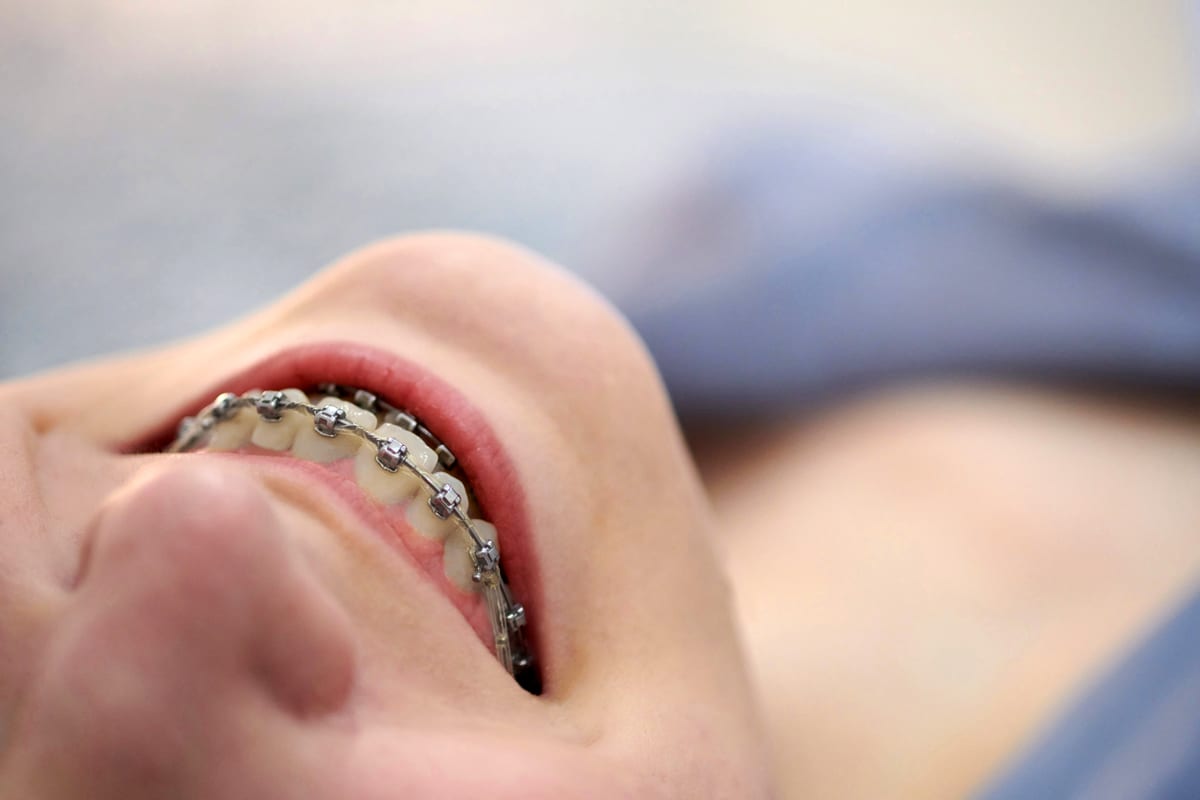
Many people in Dallas wonder whether their bite truly needs correction. You might notice crowding, spacing issues, or jaw discomfort. But how do you know if orthodontic treatment is the right next step? Our exam determines whether your bite is a candidate for orthodontic treatment—and it starts with a thorough, personalized evaluation at Dallas Orthodontics with Dr. Benito Benitez.
What Does ‘Bite Candidacy’ Actually Mean?
Bite candidacy means determining whether orthodontic treatment can meaningfully improve your oral health or smile. Not every misalignment requires the same solution. Some cases are mild and respond well to clear aligners. Others are more complex and benefit from traditional braces.
Dr. Benitez evaluates your entire bite — not just how your teeth look. He examines how your upper and lower teeth come together. He also checks jaw alignment, tooth spacing, and bone structure. This full-picture approach ensures you receive the most accurate recommendation possible.
Common bite issues that indicate candidacy include overbites, underbites, crossbites, open bites, crowding, and excessive spacing. Each condition affects more than aesthetics. They can impact chewing efficiency, speech clarity, and long-term tooth wear. Early identification leads to better outcomes.
What Happens During Our Orthodontic Evaluation in Dallas?
Our evaluation process is thorough yet comfortable. Dr. Benitez takes the time to listen to your concerns before the clinical portion begins. This conversation helps him understand your goals, lifestyle, and any symptoms you’ve noticed.
The clinical exam typically involves several key steps:
- A visual inspection of your teeth, gums, and jaw alignment
- Digital X-rays to assess bone health and tooth root positions
- Photographs of your smile and facial profile
- Digital impressions or scans of your bite
- A review of your dental and medical history
These steps give Dr. Benitez a complete view of your oral structure. No detail is overlooked. The data gathered guides every treatment recommendation we make.
After the exam, Dr. Benitez will explain his findings in plain language. You will understand exactly what is happening with your bite. You will also learn which treatment options best suit your specific case.
Which Treatment Options Might Be Recommended?
After your evaluation, Dr. Benitez will outline the best path forward. The right treatment depends on your bite type, age, lifestyle, and personal goals. No single solution fits everyone.
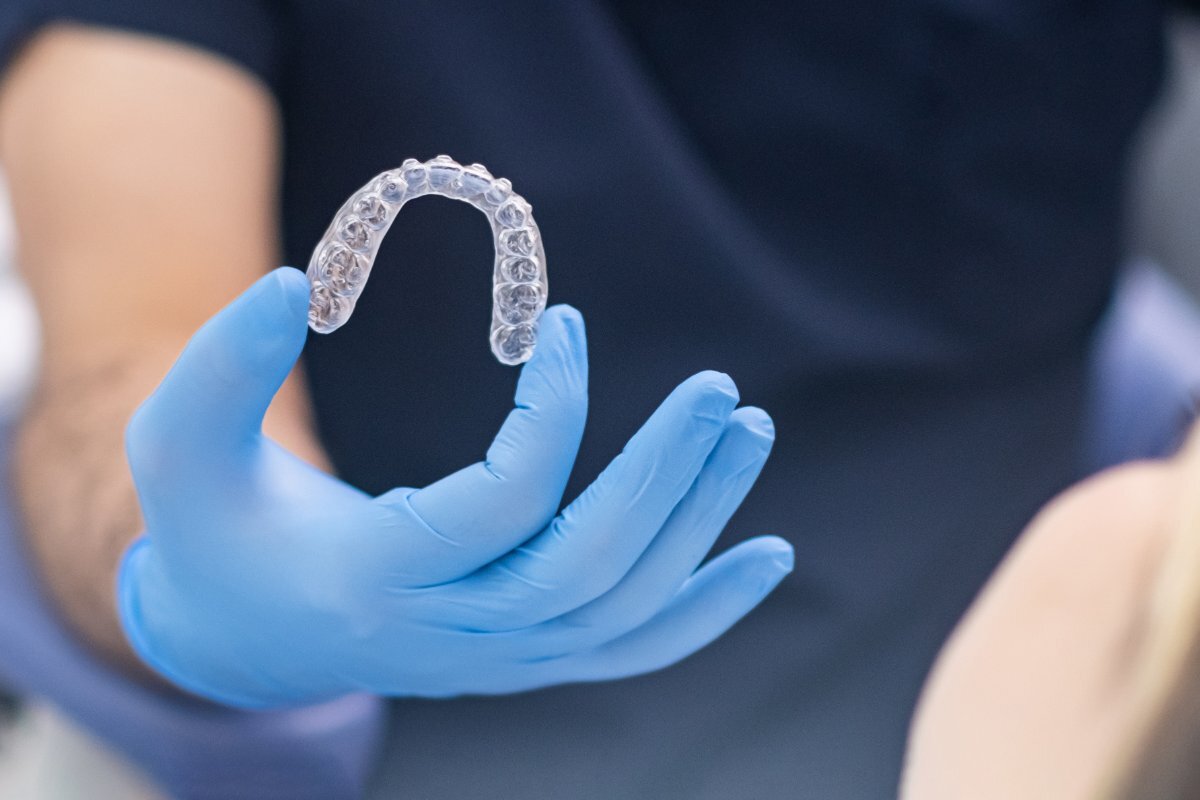
For adults and teens seeking a discreet option, Invisalign Dallas is a popular and highly effective choice. Clear aligners gradually shift teeth without metal brackets or wires. Because they’re removable, they make daily hygiene and eating much easier. Many bite issues respond very well to this approach.
Younger patients may benefit from Invisalign For Teens Dallas, which includes features designed specifically for adolescent smiles. These aligners account for still-developing teeth. Compliance indicators help parents and doctors track how long the aligners are worn. It is a smart solution for active, growing teens.
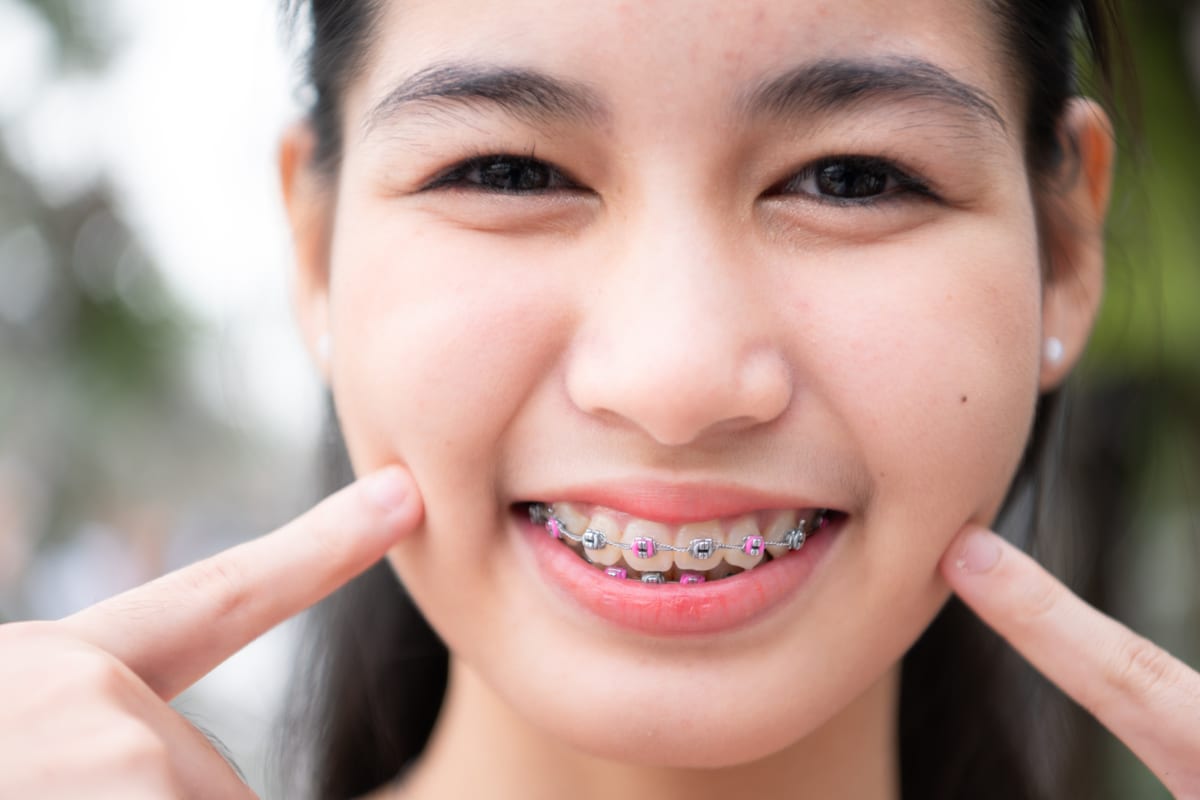
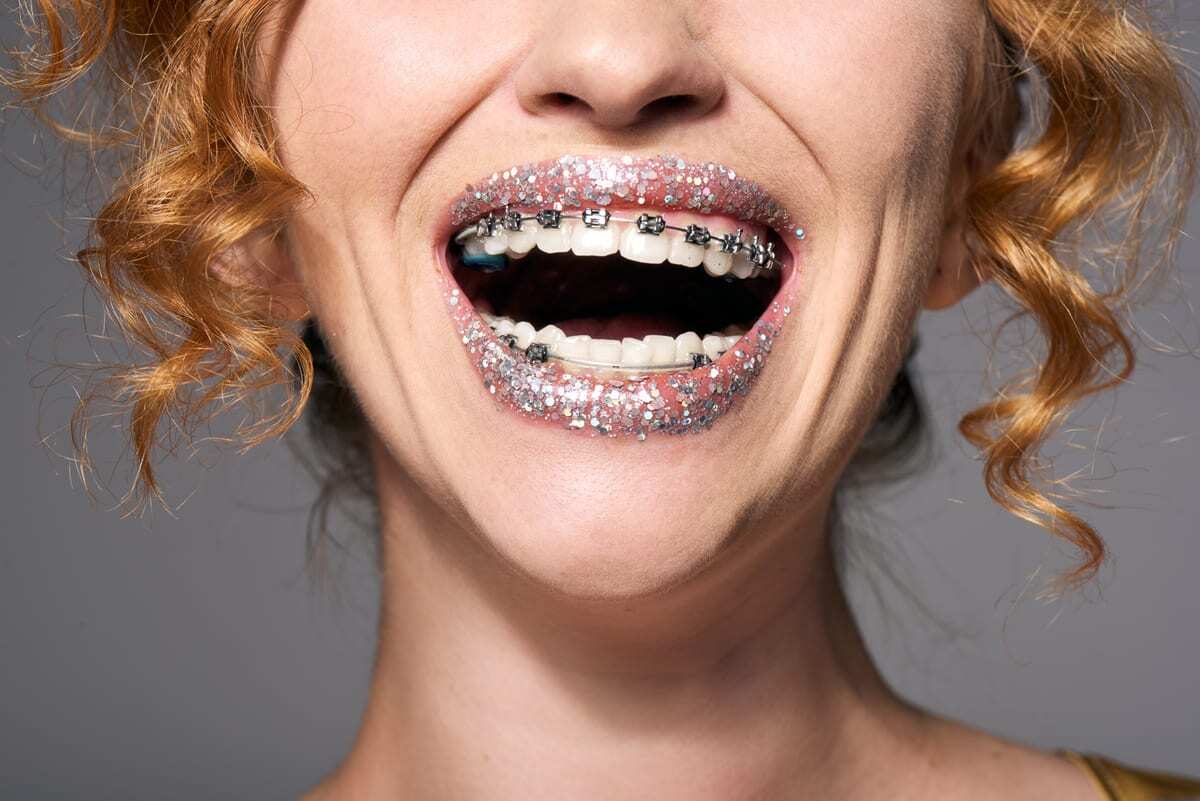
Traditional braces remain the gold standard for more complex bite corrections. They offer precise control over tooth and jaw movement. For moderate to severe misalignment cases, braces often deliver the most reliable results. Dr. Benitez will be transparent about which option gives you the best long-term outcome.
Key Factors That Determine the Best Orthodontic Approach
Several important factors influence which treatment path is right for you. Understanding these helps you feel confident in the recommendation. Dr. Benitez considers all of them before making a final suggestion.
- Severity of misalignment: Mild cases may resolve faster with aligners. Severe cases often require braces for precise control.
- Age and bone maturity: Growing patients have more flexibility in treatment options. Adult bone is denser, which can affect treatment timelines.
- Jaw involvement: Bite issues involving skeletal discrepancies may need additional appliances. These are identified during the X-ray review.
- Patient lifestyle: Busy professionals or athletes may prefer removable aligners. Others may prefer the consistency of fixed braces.
- Treatment timeline goals: Some patients want faster results. Others prioritize maximum discretion over speed.
These factors work together to shape a customized treatment plan. No two plans are exactly alike at Dallas Orthodontics. That personalization is what makes the difference in your final result.
Why Getting Evaluated Sooner Matters for Dallas Patients
Many people delay orthodontic evaluations because they assume their bite issues are cosmetic. In reality, untreated bite problems can worsen over time. Teeth may shift further. Jaw tension may increase. Uneven biting pressure can wear down enamel.
An early evaluation lets Dr. Benitez identify issues before they become harder to treat. In some cases, intercepting a bite problem early reduces overall treatment time. It can also prevent the need for more complex procedures down the road.
Dallas families and adults no longer need to wonder whether their bite qualifies for care. A single consultation answers that question clearly. You leave with a full understanding of your options and a clear path forward.
At Dallas Orthodontics, we believe informed patients make the best decisions for their health. Our exam is designed to educate, not overwhelm. You will always know why we’re making a recommendation —and what to expect if you choose to move forward. Book now to schedule your appointment with our team.
Frequently Asked Questions
How do I know if my bite actually needs orthodontic treatment?
Many bite issues are not obvious to the untrained eye. Common signs include jaw soreness, uneven tooth wear, difficulty chewing, or noticeable crowding. A clinical evaluation with digital X-rays is the most reliable way to determine whether treatment is necessary. During your visit, Dr. Benitez will give you a clear, honest assessment.
At what age should someone get an orthodontic evaluation?
The American Association of Orthodontists recommends a first evaluation around age seven. This allows early identification of developing bite problems. However, adults of any age can benefit from an orthodontic exam. It is never too late to evaluate your bite and explore your options.
Does the evaluation process hurt or take a long time?
The evaluation is completely non-invasive and comfortable. Digital scans replace traditional molds, making the process much more pleasant. Most evaluations are completed within a single appointment. You will leave with answers — not questions.
Can Invisalign fix all types of bite problems?
Invisalign is highly effective for a wide range of bite issues, including crowding, spacing, overbites, and underbites. However, very severe skeletal discrepancies may require alternative approaches. Dr. Benitez will assess your specific case and recommend the treatment that will deliver the best results for your bite.
What makes Dallas Orthodontics different for Dallas patients?
Dr. Benitez combines clinical expertise with a patient-first approach. We make every evaluation thorough, personalized, and easy to understand. We offer multiple treatment options—including braces, Invisalign, and Invisalign for Teens—so your care plan fits your life, not a one-size-fits-all protocol.