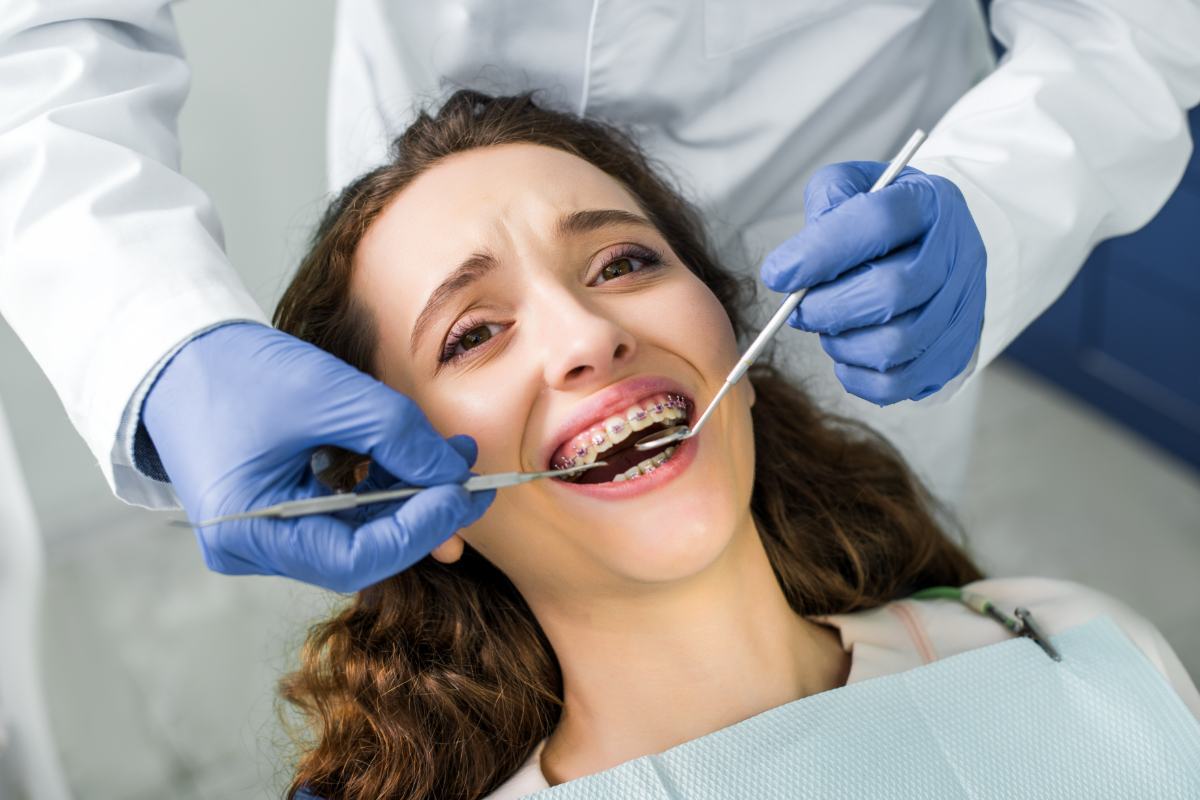
Have you ever been eating dinner, playing sports, or brushing your teeth when you suddenly felt something sharp poking the inside of your cheek? If you wear braces, a broken or displaced wire could be the cause. It can be uncomfortable and concerning, especially if you are unsure whether the problem will affect your orthodontic treatment.
For patients and families in Dallas, TX, knowing how to respond to a broken braces wire can help prevent unnecessary irritation and avoidable delays. The good news is that a damaged wire does not automatically mean your treatment has failed. However, it should not be ignored, either.
At Dallas Orthodontics, Dr. Benito Benitez helps patients understand how braces work, how to care for orthodontic appliances, and when a problem needs professional attention. If your wire breaks, bends, or begins poking your cheek, taking the right steps can make you more comfortable while you arrange an appropriate evaluation.
In this guide, you will learn why braces wires break, what symptoms to watch for, how to manage the problem temporarily, and when to contact your orthodontist.
What Does a Broken Braces Wire Mean?
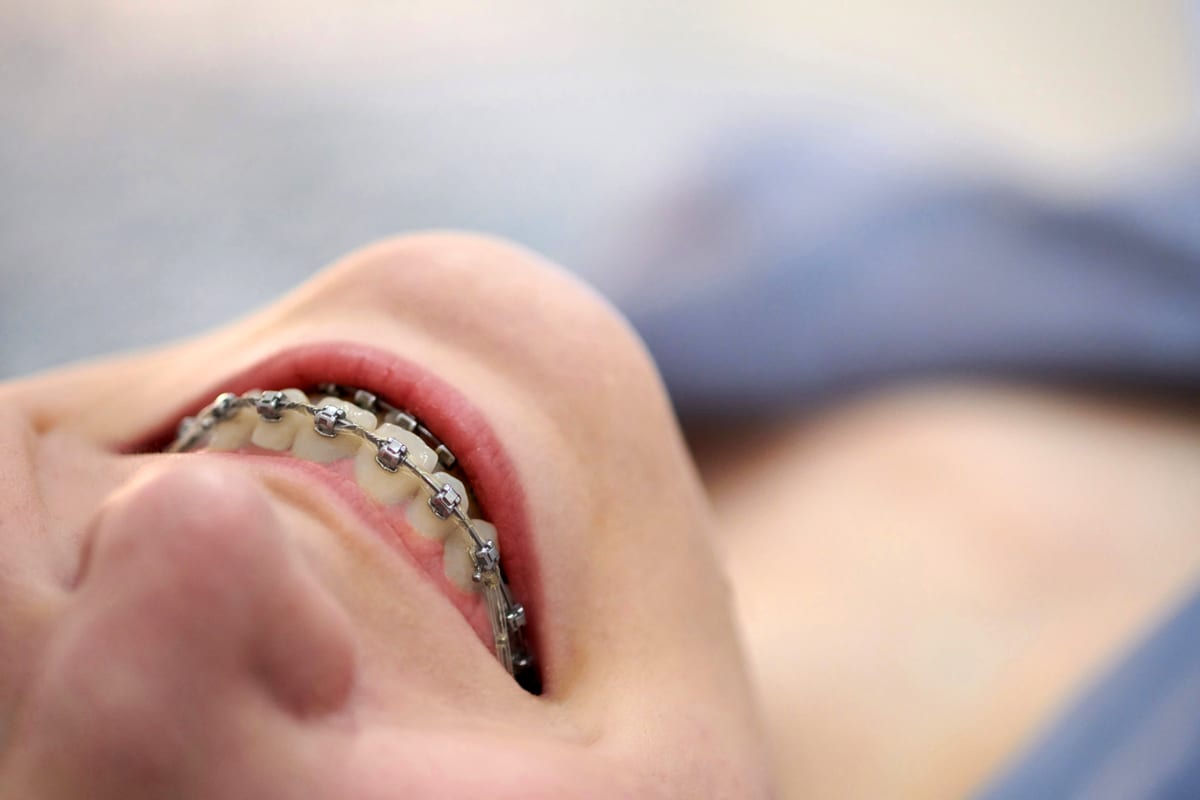
Braces in Dallas use brackets attached to your teeth and an archwire that connects those brackets. The wire applies controlled forces that guide teeth toward their planned positions over time. Small elastic bands, clips, or other components may hold the wire in place, depending on your type of braces.
When a wire breaks, bends, slips out of a bracket, or comes loose at the back of your mouth, the appliance may no longer work as intended. A broken wire can also create a sharp edge that rubs against your cheek, lips, tongue, or gums.
Not every wire problem looks the same. You might notice a wire snapped in two, an end sticking out behind your last molar, or a wire slipped out of a bracket. Sometimes the wire itself is intact, but a bracket or the small elastic holding it in place has come loose.
The American Association of Orthodontists (AAO) identifies loose or broken wires and brackets as common orthodontic problems that patients should report to their orthodontist. The office can help determine whether you need an earlier appointment or whether the issue can safely wait until your next scheduled visit.
Important: A broken wire is often an orthodontic problem rather than a life-threatening emergency. However, severe injury, uncontrolled bleeding, or difficulty breathing or swallowing requires immediate medical attention.
Why Do Braces Wires Break?
Several everyday activities can damage orthodontic wires or the components that hold them in place.
1. Eating Hard or Crunchy Foods
Biting directly into hard foods can put excessive pressure on braces. Ice, hard candy, popcorn kernels, nuts, and very crunchy snacks may bend wires or loosen brackets. Even generally safe foods can cause problems if you bite into them forcefully.
Cut firm fruits and vegetables into small pieces instead of biting into them whole. Follow your orthodontist’s food guidance, especially early in treatment.
2. Chewing Sticky or Tough Foods
Caramels, taffy, chewing gum, and other sticky foods can pull on orthodontic components. Tough foods can also put extra stress on the wire and brackets.
Avoiding these foods is a practical way to reduce the chance of appliance damage between appointments.
3. Playing Sports Without Proper Protection
A blow to the mouth during basketball, soccer, football, or another contact sport can damage braces and injure the lips, teeth, or gums. A properly fitted mouthguard can help protect your teeth and soft tissues during sports.
Ask your orthodontist which mouthguard suits your braces and sport.
4. Habits That Put Pressure on Braces
Chewing on pens, biting fingernails, opening packages with your teeth, or repeatedly biting hard objects can place unwanted pressure on the appliance. These habits may loosen brackets or damage the wire.
5. Normal Appliance Wear or a Loose Component
Orthodontic appliances experience repeated forces during everyday use. Occasionally, a component may loosen or fail despite careful eating and good oral hygiene. A wire can also move out of position as treatment progresses or if another part of the appliance becomes loose.
A broken wire does not necessarily mean you did something wrong. The important thing is to report the problem and follow your orthodontist’s instructions.
How Common Are Orthodontic Appliance Problems?
Unexpected brace problems are not unusual. A 2026 retrospective study published in International Orthodontics examined 373 patients treated with fixed appliances. Researchers documented 247 orthodontic emergency events among 106 patients. Archwire complications accounted for 10.6% of the recorded events, while loose brackets and other appliance failures were more frequent.
These figures come from one clinic and should not be interpreted as the exact likelihood that any individual patient will break a wire. They do, however, demonstrate why patients should know how to respond when an orthodontic appliance becomes damaged.
The AAO also advises patients to contact their orthodontist when a wire or bracket breaks because damaged braces may not deliver the forces intended for tooth movement. Depending on the problem, treatment may need an adjustment to keep progress on track.
What Should You Do Immediately After Breaking a Braces Wire?
If you find a broken wire, stay calm. These steps can help you manage discomfort while arranging professional advice.
Step 1: Check Your Mouth Carefully
Use a mirror and good lighting to see what has happened. Determine whether the wire is sticking out, has slipped from a bracket, or appears to have broken. Do not pull on it or repeatedly move it to test how loose it is.
If a piece of wire is missing, consider whether you may have swallowed or inhaled it. If you suspect that you inhaled a wire fragment, seek urgent medical assessment. Difficulty breathing or swallowing is an emergency.
Step 2: Contact Your Orthodontist
Call your orthodontist’s office and explain what happened. Mention whether the wire is causing pain, whether it is cutting your cheek, and whether a bracket has come loose.
The office can advise you on how urgent the problem is and whether you should be seen before your next appointment. Do not assume you can wait until your next routine visit without checking.
Step 3: Use Orthodontic Wax for Temporary Protection
If the wire rubs against the inside of your mouth, gently dry the surrounding area with clean gauze or tissue, if practical. Place a small piece of orthodontic wax over the irritating end to smooth it.
Wax is a temporary protective measure, not a repair. It does not reconnect the wire or restore the appliance’s normal function. Replace it as needed and follow your orthodontist’s advice.
Step 4: Choose Soft Foods
Until the problem is addressed, choose foods that require minimal chewing, such as yogurt, scrambled eggs, soft pasta, oatmeal, or mashed potatoes. Avoid hard, crunchy, sticky, or chewy foods that could worsen the damage.
Continue cleaning your teeth carefully. Brush gently around the brackets and wire, and avoid pressing hard on the damaged area.
Step 5: Follow the Office’s Instructions
Your orthodontist may recommend a prompt repair appointment or explain how to manage a minor issue until you can be seen. The right approach depends on where the wire is damaged, whether it is sharp, and whether the surrounding appliance is stable.
Don’t try to glue the wire, force it back into place, or use household tools to cut or bend it. These actions can injure your mouth or further damage the appliance.
Can You Fix a Broken Braces Wire at Home?
You can sometimes temporarily make a broken wire more comfortable, but you shouldn’t try to do a permanent repair yourself.
For example, orthodontic wax may protect your cheek from a sharp end. The AAO also describes gently guiding a protruding wire toward the tooth with a clean cotton swab or pencil eraser when appropriate. If the wire cannot be repositioned comfortably, cover the irritating end with wax and contact your orthodontist.
Do not pull forcefully on the wire or attempt to bend it into a new shape. Do not cut it unless your orthodontist specifically instructs you how to manage the situation. Cutting a wire can leave a sharp fragment in your mouth or increase the risk of swallowing or inhaling it.
If a wire fragment is completely detached and easily accessible, don’t risk retrieving it. Follow the orthodontist’s advice. If you cannot safely manage the issue, leave it alone and arrange professional help.
Will a Broken Wire Delay Your Braces Treatment?
It might, but a short delay is not inevitable. The effect depends on the damage’s location and severity, how long the appliance remains impaired, and which stage of treatment you have reached.
An intact, functioning wire applies carefully planned forces to move teeth. If the wire is broken or has slipped out of place, it may no longer apply those forces correctly to the affected teeth. Your orthodontist may need to replace or reposition the wire, secure a loose bracket, or make another adjustment before treatment continues as planned.
A minor issue addressed promptly may have little effect on your overall timeline. However, repeatedly postponing repairs or leaving the appliance damaged for an extended period may slow progress and could lead to additional appointments.
There is no reliable single number of days that a broken wire will add to treatment. Your orthodontist can assess the damage and explain whether your treatment plan needs to change.
When Is a Broken Braces Wire an Emergency?
Contact your orthodontist promptly if the wire is broken, loose, or poking your cheek or gums. Also call if a bracket has detached, the wire causes persistent pain, or you can’t eat comfortably.
Seek urgent medical or dental care if you have heavy or uncontrolled bleeding, major facial trauma, or a suspected serious injury to a tooth or jaw. If you have difficulty breathing or swallowing, seek emergency care. If you believe you inhaled a piece of wire, seek urgent medical evaluation even if symptoms initially seem mild.
A wire that causes only mild irritation may be manageable temporarily with orthodontic wax while you await instructions. However, severe pain, significant swelling, fever, pus, or worsening symptoms should not be ignored, because they may indicate a separate problem that needs prompt assessment.
The AAO emphasizes that orthodontic problems range from minor issues manageable at home until an appointment to serious injuries requiring urgent attention. If you are unsure, call your orthodontist and describe your symptoms rather than trying to determine the severity on your own.
How Can You Prevent a Braces Wire From Breaking Again?
Although not every appliance problem can be prevented, a few habits can lower the risk:
- Follow food restrictions: Avoid hard, sticky, and chewy foods that can damage brackets and wires.
- Cut foods into smaller pieces: Slice firm fruits and vegetables rather than biting into them directly.
- Protect your teeth during sports: Use a suitable mouthguard, and ask your orthodontist which option best fits your appliance.
- Avoid chewing on objects: Don’t bite pens, ice, fingernails, or other hard items.
- Keep scheduled appointments: Regular orthodontic visits let the team check the appliance fit and treatment progress.
- Maintain good oral hygiene: Brush with fluoride toothpaste and clean carefully around brackets and wires.
- Report problems early: Do not wait for a minor wire issue to become painful or interfere with eating.
The AAO recommends avoiding foods that can damage braces, maintaining good cleaning habits, and contacting the orthodontist when an appliance problem occurs. These measures help keep treatment on track and reduce avoidable discomfort.
What to Expect When Your Orthodontist Repairs the Wire
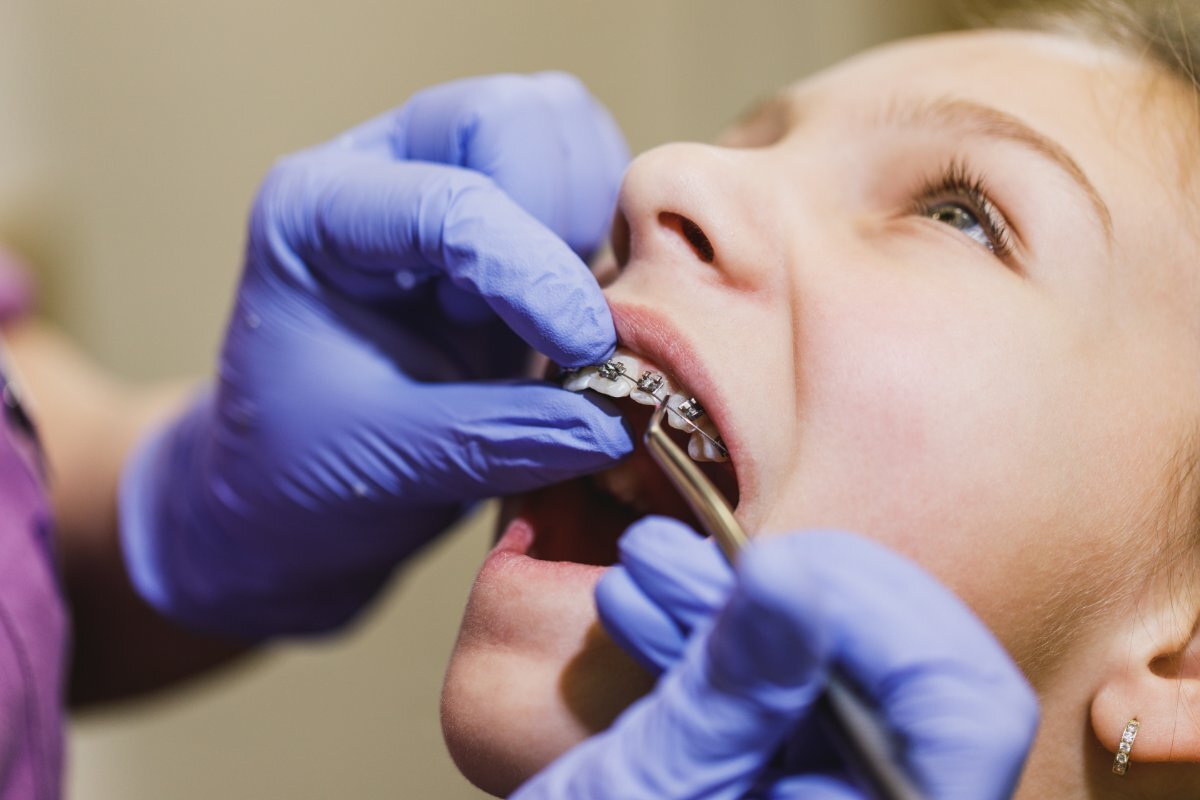
At your appointment, the orthodontic team will examine the wire, brackets, and surrounding tissues to identify the problem. The appropriate repair depends on whether the wire is bent, broken, displaced, or attached to a loose bracket.
The orthodontist may reposition the wire, replace it, secure a bracket, or adjust another component. If the wire has irritated your cheek or gums, the team can also evaluate the affected area and recommend ways to manage the irritation.
Tell the team when the problem started, what you were doing when you noticed it, and whether you have experienced pain, bleeding, swelling, or difficulty eating. If a piece breaks, follow the office’s instructions on whether to bring it with you.
Do not be embarrassed if your braces break. These problems can happen during orthodontic treatment, and prompt communication helps your orthodontist decide on the safest next step.
Conclusion
Breaking a braces wire can be uncomfortable, but it does not automatically mean your orthodontic treatment has gone off course. The most important steps are to protect the irritated area, avoid hard and sticky foods, and contact your orthodontist for instructions. Orthodontic wax may temporarily reduce rubbing, but home measures cannot replace a proper repair.
Don’t bend, pull, or cut the wire yourself unless your orthodontist gives you specific instructions. If you experience severe pain, significant injury, uncontrolled bleeding, or difficulty breathing or swallowing, seek urgent care.
At Dallas Orthodontics, Dr. Benito Benitez can help you understand your orthodontic concerns and determine the next appropriate step.
Visit our dental practice in Dallas, TX. Book now to schedule your appointment with our team.
Frequently Asked Questions
1. What orthodontic services are available at Dallas Orthodontics?
Orthodontic services can include braces, clear aligner treatment, bite correction, and other options to address tooth alignment and jaw relationships. Our orthodontist can evaluate your needs and explain which treatment options may be appropriate.
2. How often should I visit the orthodontist while wearing braces?
The timing depends on your treatment plan, appliance, and progress. Our orthodontist will recommend an appointment schedule to monitor tooth movement, adjust your braces, and address any problems that arise between visits.
3. What should I do if my braces hurt or irritate my mouth?
Mild soreness can occur during orthodontic treatment, but persistent or severe pain should be evaluated. Our orthodontist can identify the cause and recommend appropriate steps. Orthodontic wax may temporarily protect areas irritated by a wire or bracket.
4. Can adults get orthodontic treatment?
Yes. Adults may be candidates for braces or clear aligners, depending on their dental health, bite, and treatment goals. Our orthodontist can examine your teeth and discuss suitable options, expected treatment time, and any factors that may affect your results.
5. How can I schedule an orthodontic appointment in Dallas, TX?
Contact Dallas Orthodontics to ask about appointment availability and the next steps for an orthodontic evaluation. If you have a broken wire or another appliance problem, explain the issue when you call so our orthodontist’s team can advise you on how soon you should be seen.