
Many people in Dallas, TX wonder whether their bite actually needs treatment. Is your bite a candidate for braces? What our evaluation reveals in Dallas may surprise you. Some bite issues are obvious — others hide beneath the surface. At Dallas Orthodontics, Dr. Benito Benitez uses a thorough, personalized evaluation to find answers.
Understanding your candidacy for braces is the first step toward lasting oral health. This article walks you through what we look for, what the process involves, and how we decide the best path forward for your smile.
What Does a Bite Problem Actually Look Like?
Not every bite issue causes pain right away. Many patients live with misalignment for years without realizing it. Over time, however, bite problems can cause jaw tension, uneven wear, and other concerns.
Dr. Benitez commonly identifies several types of bite issues during evaluations. Each one affects the teeth, jaw, and overall function differently.
- Overbite: Upper teeth overlap the lower teeth too much.
- Underbite: Lower teeth sit in front of the upper teeth.
- Crossbite: Upper and lower teeth don’t align side to side.
- Open bite: Front teeth don’t touch when the mouth is closed.
- Crowding: Teeth overlap because there isn’t enough space in the jaw.
- Spacing issues: Gaps between teeth affect bite and appearance.
Each of these conditions responds well to orthodontic treatment. The key is identifying them early and choosing the right approach.
What Our Evaluation Reveals in Dallas: The Process Explained
When you visit Dallas Orthodontics, we never rush your evaluation. Dr. Benitez takes time to understand your concerns before examining your bite. Every patient receives a comprehensive look at their oral structure.
Here is what you can typically expect during your candidacy evaluation:
- Comprehensive oral exam: Dr. Benitez visually inspects your teeth, gums, and jaw alignment.
- Digital X-rays: These reveal bone structure, tooth roots, and hidden spacing issues.
- Bite analysis: We assess how your upper and lower teeth meet when you close your mouth.
- 3D imaging (when needed): Advanced imaging gives a full view of your jaw and facial structure.
- Patient history review: We discuss any discomfort, grinding habits, or previous dental work.
This multi-step process gives Dr. Benitez everything needed to recommend the right treatment. No guessing — just data-driven, patient-centered care.
Who Is a Good Candidate for Braces?
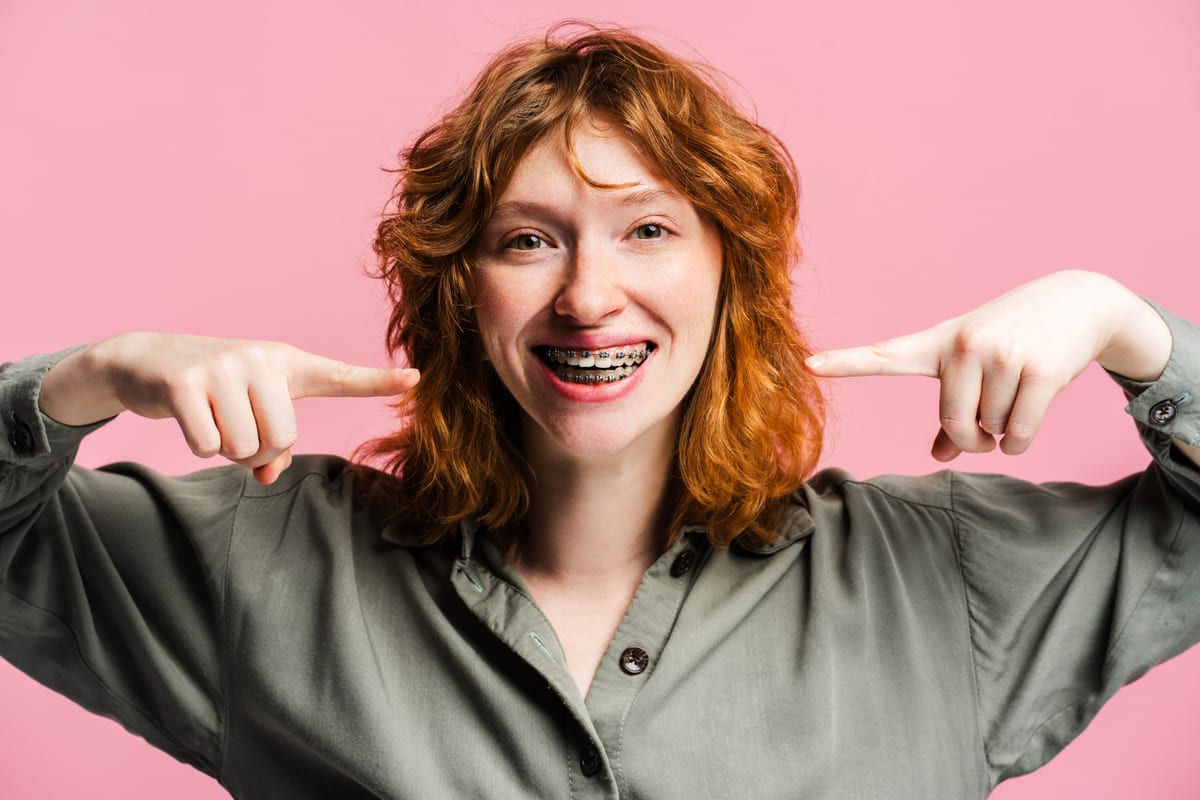
Braces in Dallas work for a wide range of patients and bite types. Age is not a barrier — adults and teens alike benefit from orthodontic treatment. The most important factor is the health of your teeth and gums.
You may be an excellent candidate for braces if you experience any of the following:
- Difficulty chewing or biting food properly
- Jaw pain or clicking sounds when opening your mouth
- Visible crowding, spacing, or overlapping teeth
- Speech difficulties caused by misaligned teeth
- Self-consciousness about your smile or bite appearance
- A prior evaluation recommending orthodontic care
Teens with developing bites often see the fastest results. Adults can achieve equally excellent outcomes with consistent treatment. Dr. Benitez tailors every plan to the individual patient.
If gum disease or decay is present, we address those concerns first. Healthy teeth and gums are the foundation of successful orthodontic treatment.
Braces vs. Invisalign: Which Option Fits Your Bite?
Once we confirm candidacy, the next step is choosing the right treatment. Braces and clear aligners both correct bite issues — but they work differently. Your lifestyle, bite complexity, and personal preferences all factor into this decision.
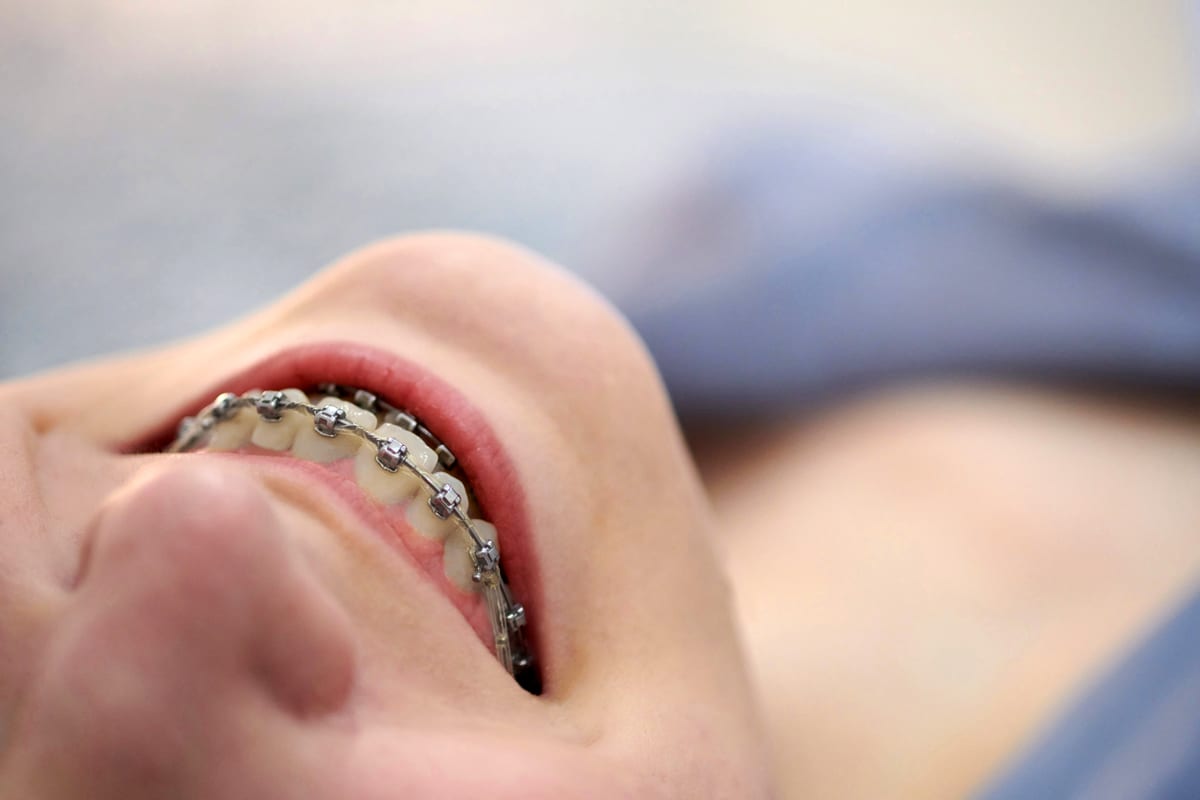
Traditional braces remain one of the most effective tools for complex bite corrections. They apply consistent pressure to move teeth precisely over time. Dr. Benitez often recommends them for more severe misalignment cases.
For patients seeking a discreet option, Invisalign Dallas offers clear, removable aligners that fit your daily life. They work well for mild to moderate bite issues and are popular among working adults. Aligners are nearly invisible and easy to clean.
Teens also have a dedicated option. Invisalign for Teens Dallas includes features designed specifically for younger patients. Blue compliance indicators and replacement aligners make it a practical choice for active teens.
Dr. Benitez will clearly explain which option suits your unique bite during your evaluation. There is no one-size-fits-all answer — your bite determines the plan.
What Happens After Your Evaluation?
After reviewing your records and imaging, Dr. Benitez presents a customized treatment plan. This plan outlines your recommended treatment type, estimated timeline, and expected outcomes. You will have time to ask questions and understand every detail.
Many Dallas patients feel relief simply from knowing what is happening with their bite. Understanding the problem makes the solution feel manageable. Dr. Benitez and the team at Dallas Orthodontics guide you every step of the way.
Treatment timelines vary based on bite complexity and the chosen method. Most patients complete treatment within 12 to 24 months. Regular check-ins keep progress on track throughout the process.
After active treatment, a retainer preserves your results. Wearing your retainer as directed keeps your bite in its corrected position long-term. This final phase is just as important as treatment itself.
Take the First Step Toward a Healthier Bite in Dallas
After choosing the right treatment, choose an orthodontist near Dallas, TX. You do not need to guess whether your bite needs attention. A professional evaluation from Dr. Benitez at Dallas Orthodontics gives you real answers. The process is comfortable, educational, and designed with your long-term health in mind.
Dallas patients deserve a smile that functions well and makes you feel confident. Whether braces or clear aligners are the right fit, we are here to help you find out. Book Now to schedule your appointment with our team.
Frequently Asked Questions
How do I know if my bite needs braces?
Common signs include crowded or overlapping teeth, difficulty chewing, jaw pain, and visible gaps or misalignment. A professional evaluation with Dr. Benitez at Dallas Orthodontics is the most accurate way to confirm whether braces or another treatment is right for you.
Is the bite evaluation painful or uncomfortable?
No — the evaluation is gentle and non-invasive. Dr. Benitez examines your teeth visually and uses digital X-rays or 3D imaging when needed. Most patients find the process quick and comfortable from start to finish.
Can adults get braces, or is it just for teenagers?
Adults are excellent candidates for braces and orthodontic treatment at any age. The main requirement is that your teeth and gums are healthy enough to support treatment. Dr. Benitez regularly treats adult patients in Dallas with outstanding results.
How long does orthodontic treatment typically take?
Treatment length depends on the complexity of your bite and the method chosen. Most patients complete active treatment within 12 to 24 months. Dr. Benitez will provide a personalized timeline estimate during your evaluation appointment.
What is the difference between braces and Invisalign for treating bite issues?
Traditional braces use brackets and wires to correct even complex bite problems with precise control. Invisalign uses removable clear aligners and works best for mild to moderate misalignment. Dr. Benitez will recommend the most effective option based on your specific bite evaluation findings.