Malocclusion: It’s Not Just About Looks

Image
By Dallas Orthodontics

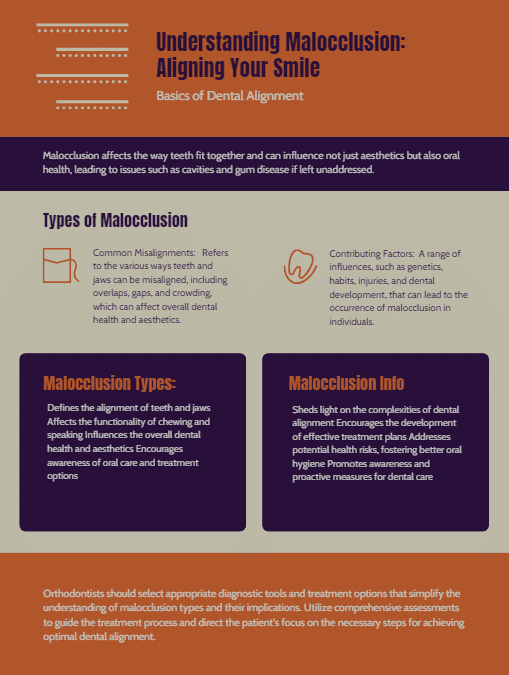
Malocclusion, simply put, is a misalignment of the teeth and jaws. It can range from minor crowding to severe jaw misalignment. While it’s often seen as a cosmetic issue, malocclusion can lead to dental problems like tooth decay, gum disease, and even difficulty chewing or speaking.

Common Types of Malocclusion

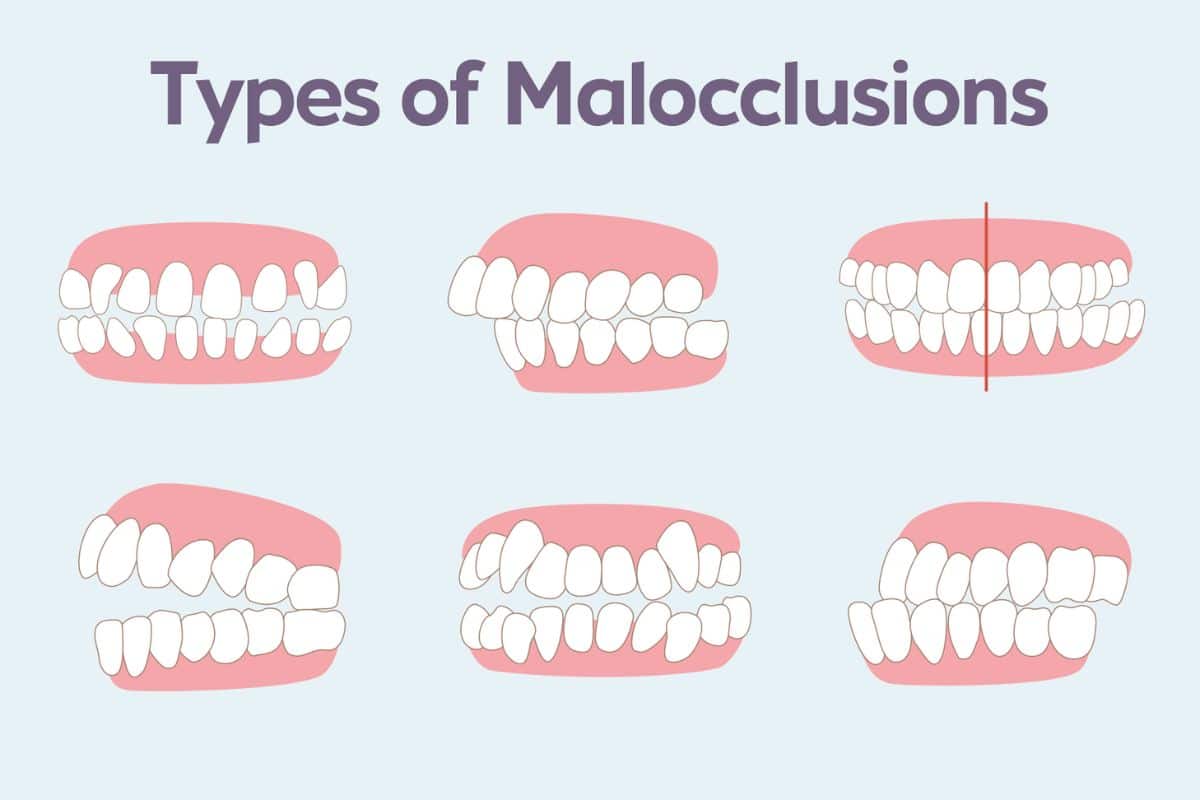
There are several types of malocclusion, each with its unique characteristics. Here are some of the most common ones:

  1. Overbite: This occurs when the upper teeth significantly overlap the lower teeth.
  2. Underbite: In this case, the lower teeth protrude beyond the upper teeth.
  3. Crossbite: This happens when the upper teeth close inside the lower teeth on one or both sides.
  4. Open bite: There’s a gap between the upper and lower teeth when biting down.
  5. Crowding: Teeth are too close together, often leading to crooked or overlapping teeth.
  6. Spacing: There are gaps between the teeth.

Causes of Malocclusion

Malocclusion can be caused by a variety of factors, including:

  • Genetics: Hereditary factors can play a significant role in the development of malocclusion.
  • Habits: Thumb-sucking, tongue thrusting, and nail-biting can contribute to misaligned teeth.
  • Injury: Trauma to the jaw or teeth can cause malocclusion.
  • Disease: Certain medical conditions, such as cleft lip or palate, can lead to misaligned teeth.
  • Wisdom teeth: The growth of wisdom teeth can sometimes push other teeth out of alignment.

When to See an Orthodontist

If you or your child are experiencing any of the following symptoms, it’s recommended to consult with an orthodontist:

  • Difficulty chewing or biting
  • Pain or discomfort in the jaw or teeth
  • Excessive wear or tear on teeth
  • Difficulty speaking clearly
  • Frequent headaches or facial pain
  • A noticeable overbite, underbite, or crossbite

Treatment Options

Orthodontists are dental specialists who treat malocclusion. They offer various treatment options, including:

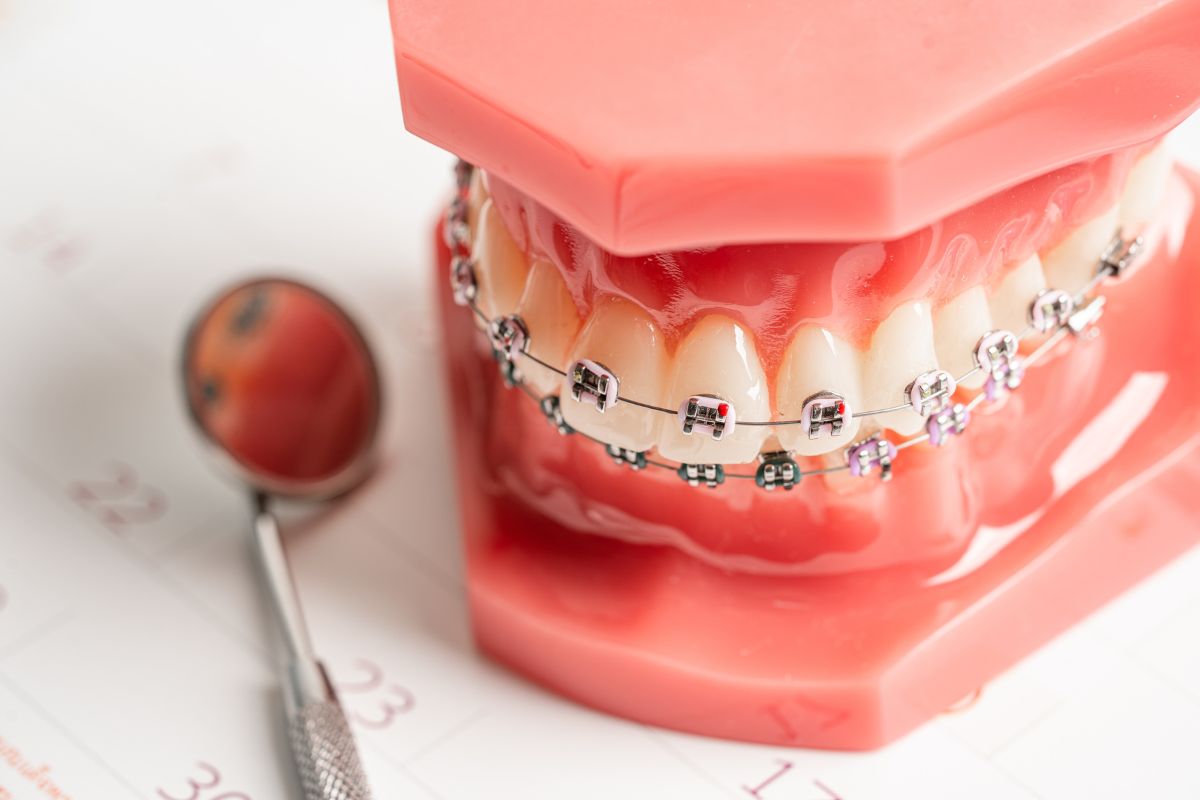
  • Braces: Traditional metal braces are a standard treatment option. They use brackets and wires to straighten teeth gradually.
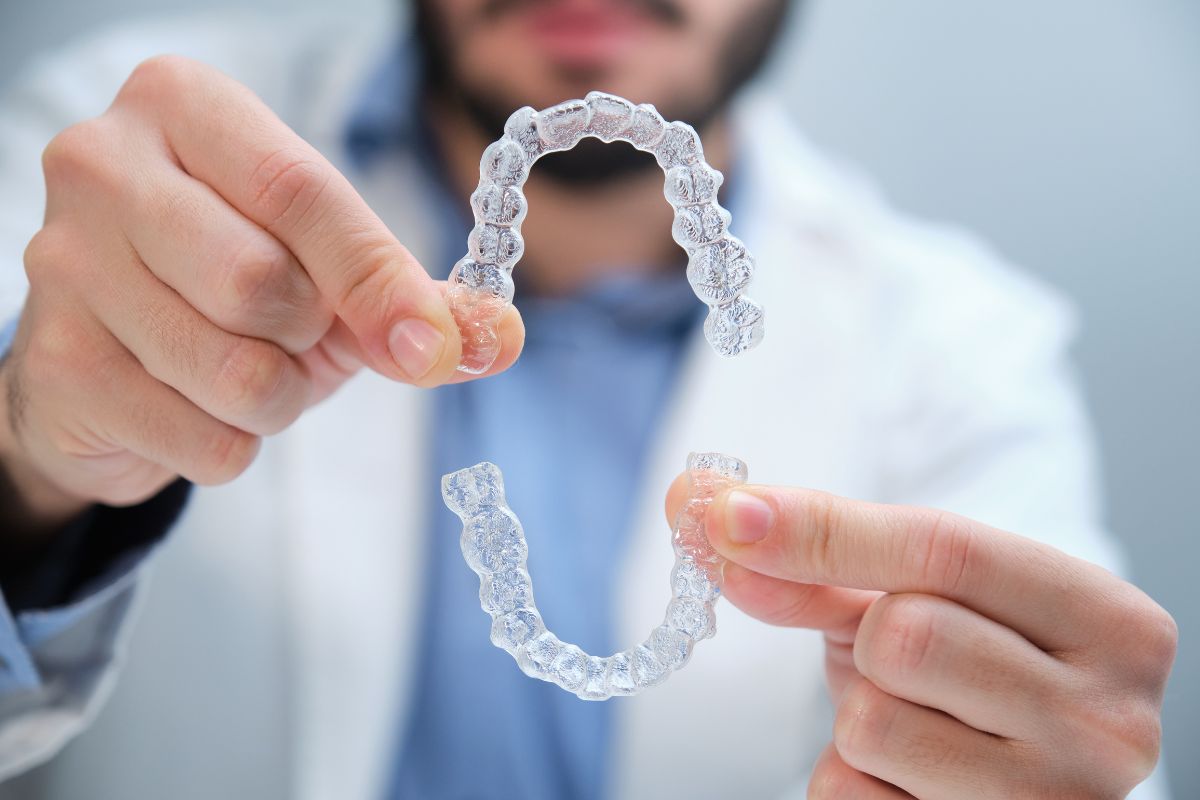
  • Clear aligners: These invisible braces are a popular alternative to traditional braces. They are custom-made, removable aligners that gradually shift teeth into place.
  • Retainers: After complete orthodontic treatment, retainers are used to maintain the results and prevent teeth from shifting back into their original positions.

The Role of an Orthodontist

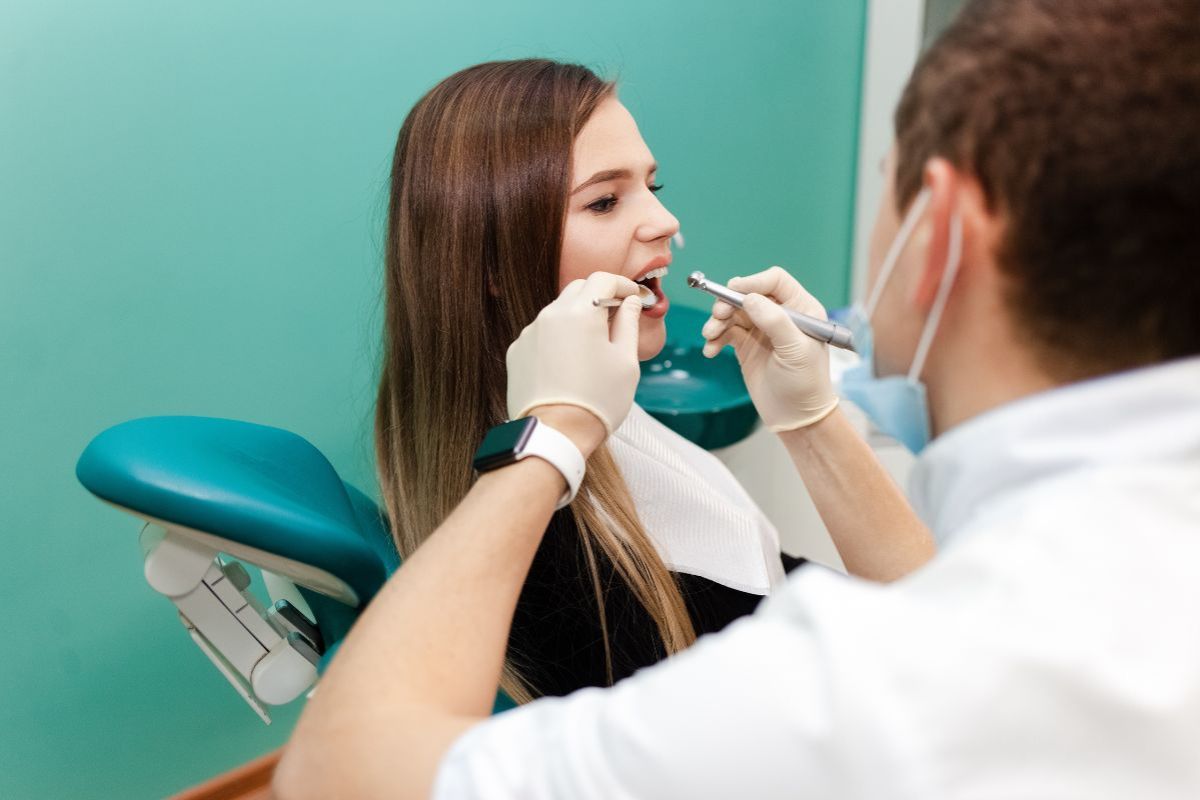
An orthodontist plays a crucial role in diagnosing and treating malocclusion. They will thoroughly examine your teeth and jaws to determine the best course of treatment. They may also take X-rays and impressions of your teeth to create a treatment plan.

Choosing an Orthodontist

When selecting an orthodontist, it’s essential to consider the following factors:

  • Experience: Look for an orthodontist with extensive experience treating various malocclusion types.
  • Credentials: Ensure the orthodontist is board-certified and has the necessary qualifications.
  • Office atmosphere: Choose an orthodontist with a friendly and welcoming office environment.
  • Insurance: Check if the orthodontist accepts your dental insurance.
Dallas Orthodontics: Your Trusted Partner

At Dallas Orthodontics, we are committed to providing exceptional orthodontic care to patients of all ages. Our experienced orthodontists use the latest techniques and technology to deliver personalized treatment plans that meet your unique needs. We believe in creating a comfortable and positive experience for our patients.
What are the Types of Malocclusion?

Contact Us Today

If you have concerns about your teeth or jaw alignment, don’t hesitate to contact Dallas Orthodontics. Our friendly staff is here to answer your questions and schedule a consultation.
Image

Malocclusion: It’s Not Just About Looks

Image
By Dallas Orthodontics

Malocclusion, simply put, is a misalignment of the teeth and jaws. It can range from minor crowding to severe jaw misalignment. While it’s often seen as a cosmetic issue, malocclusion can lead to dental problems like tooth decay, gum disease, and even difficulty chewing or speaking.

Common Types of Malocclusion

There are several types of malocclusion, each with its unique characteristics. Here are some of the most common ones:

  1. Overbite: This occurs when the upper teeth significantly overlap the lower teeth.
  2. Underbite: In this case, the lower teeth protrude beyond the upper teeth.
  3. Crossbite: This happens when the upper teeth close inside the lower teeth on one or both sides.
  4. Open bite: There’s a gap between the upper and lower teeth when biting down.
  5. Crowding: Teeth are too close together, often leading to crooked or overlapping teeth.
  6. Spacing: There are gaps between the teeth.

Causes of Malocclusion

Malocclusion can be caused by a variety of factors, including:

  • Genetics: Hereditary factors can play a significant role in the development of malocclusion.
  • Habits: Thumb-sucking, tongue thrusting, and nail-biting can contribute to misaligned teeth.
  • Injury: Trauma to the jaw or teeth can cause malocclusion.
  • Disease: Certain medical conditions, such as cleft lip or palate, can lead to misaligned teeth.
  • Wisdom teeth: The growth of wisdom teeth can sometimes push other teeth out of alignment.

When to See an Orthodontist

If you or your child are experiencing any of the following symptoms, it’s recommended to consult with an orthodontist:

  • Difficulty chewing or biting
  • Pain or discomfort in the jaw or teeth
  • Excessive wear or tear on teeth
  • Difficulty speaking clearly
  • Frequent headaches or facial pain
  • A noticeable overbite, underbite, or crossbite

Treatment Options

Orthodontists are dental specialists who treat malocclusion. They offer various treatment options, including:

  • Braces: Traditional metal braces are a standard treatment option. They use brackets and wires to straighten teeth gradually.
  • Clear aligners: These invisible braces are a popular alternative to traditional braces. They are custom-made, removable aligners that gradually shift teeth into place.
  • Retainers: After complete orthodontic treatment, retainers are used to maintain the results and prevent teeth from shifting back into their original positions.

The Role of an Orthodontist

An orthodontist plays a crucial role in diagnosing and treating malocclusion. They will thoroughly examine your teeth and jaws to determine the best course of treatment. They may also take X-rays and impressions of your teeth to create a treatment plan.

Choosing an Orthodontist

When selecting an orthodontist, it’s essential to consider the following factors:

  • Experience: Look for an orthodontist with extensive experience treating various malocclusion types.
  • Credentials: Ensure the orthodontist is board-certified and has the necessary qualifications.
  • Office atmosphere: Choose an orthodontist with a friendly and welcoming office environment.
  • Insurance: Check if the orthodontist accepts your dental insurance.
Dallas Orthodontics: Your Trusted Partner

At Dallas Orthodontics, we are committed to providing exceptional orthodontic care to patients of all ages. Our experienced orthodontists use the latest techniques and technology to deliver personalized treatment plans that meet your unique needs. We believe in creating a comfortable and positive experience for our patients.

What are the Types of Malocclusion?

Contact Us Today

If you have concerns about your teeth or jaw alignment, don’t hesitate to contact Dallas Orthodontics. Our friendly staff is here to answer your questions and schedule a consultation.
Image