
It can be disappointing to notice your teeth shifting after braces, especially after all the time and effort you put into straightening them. This is a common concern among patients, and the good news is that an experienced orthodontist can help correct and prevent further movement. Whether the cause is not wearing a retainer, natural aging, or changes in bite alignment, visiting a trusted orthodontist in Dallas can help you restore your confident smile and ensure lasting results.
Understanding Why Teeth Shift After Braces
After braces are removed, your teeth, gums, and jawbone continue to adjust to their new positions. During this period, teeth are especially prone to minor movements if not properly maintained. Some of the most common reasons teeth shift after braces include:
Not wearing retainers consistently. Retainers hold your teeth in their new alignment until your bone and tissues adapt. Skipping retainer wear, even occasionally, can lead to noticeable changes.
Natural aging. As we age, our teeth tend to move due to gradual changes in bone density and facial structure.
Wisdom teeth eruption. When wisdom teeth begin to emerge, they can exert pressure on nearby teeth, causing slight crowding.
Teeth grinding or clenching. Chronic bruxism applies uneven pressure on teeth, encouraging gradual shifting.
Gum disease or bone loss. These conditions weaken the support around teeth, allowing them to move more easily.
An experienced Dallas orthodontist evaluates these factors carefully to recommend the best treatment plan tailored to your individual needs. Orthodontists customize your braces for the best results, ensuring that every tooth moves precisely as intended to achieve both functional and aesthetic balance.
How an Orthodontist Corrects Teeth Shifting
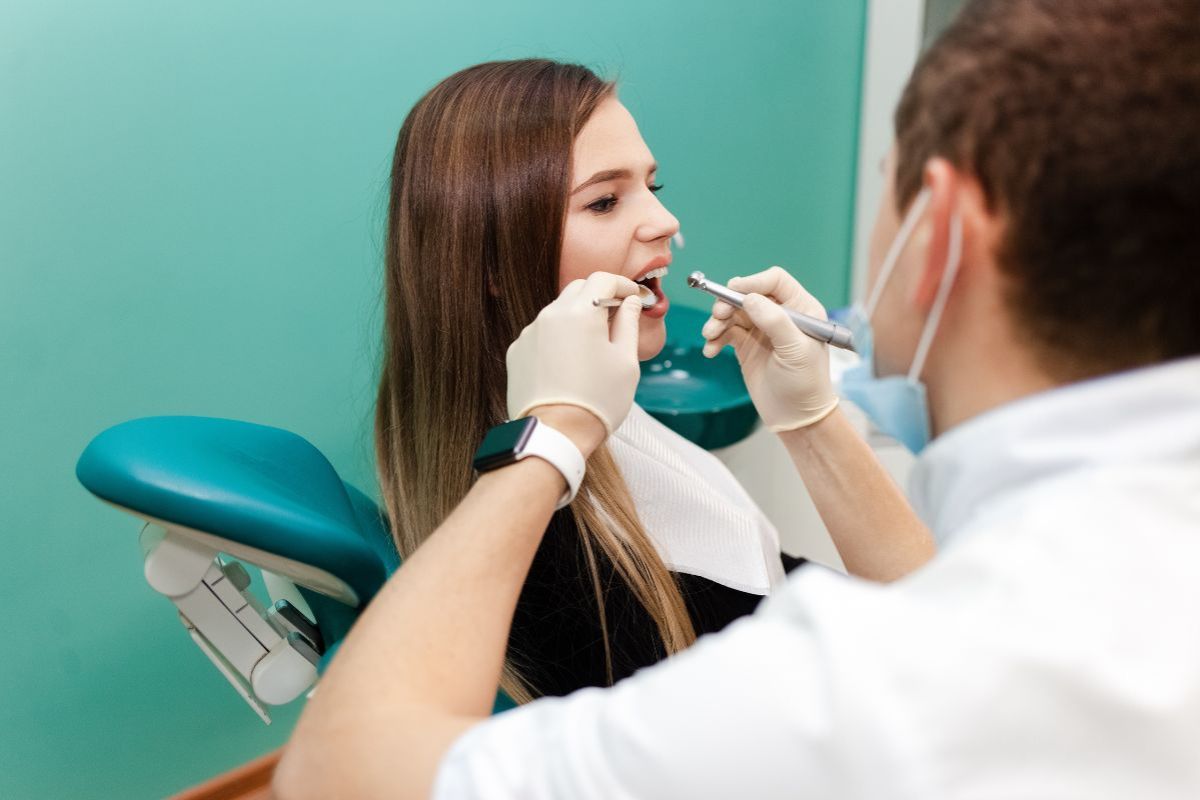
When you visit a local orthodontic office like Dallas Orthodontics, your orthodontist will start with a detailed evaluation using digital scans and X-rays. This helps identify how much shifting has occurred and what treatment is needed to restore your alignment.
Retainer Adjustments or Replacements
If your retainer no longer fits well, it may need to be adjusted or replaced. Sometimes, minor shifting can be corrected simply by wearing a properly fitted retainer as directed by your orthodontist.
Clear Aligners for Minor Movement
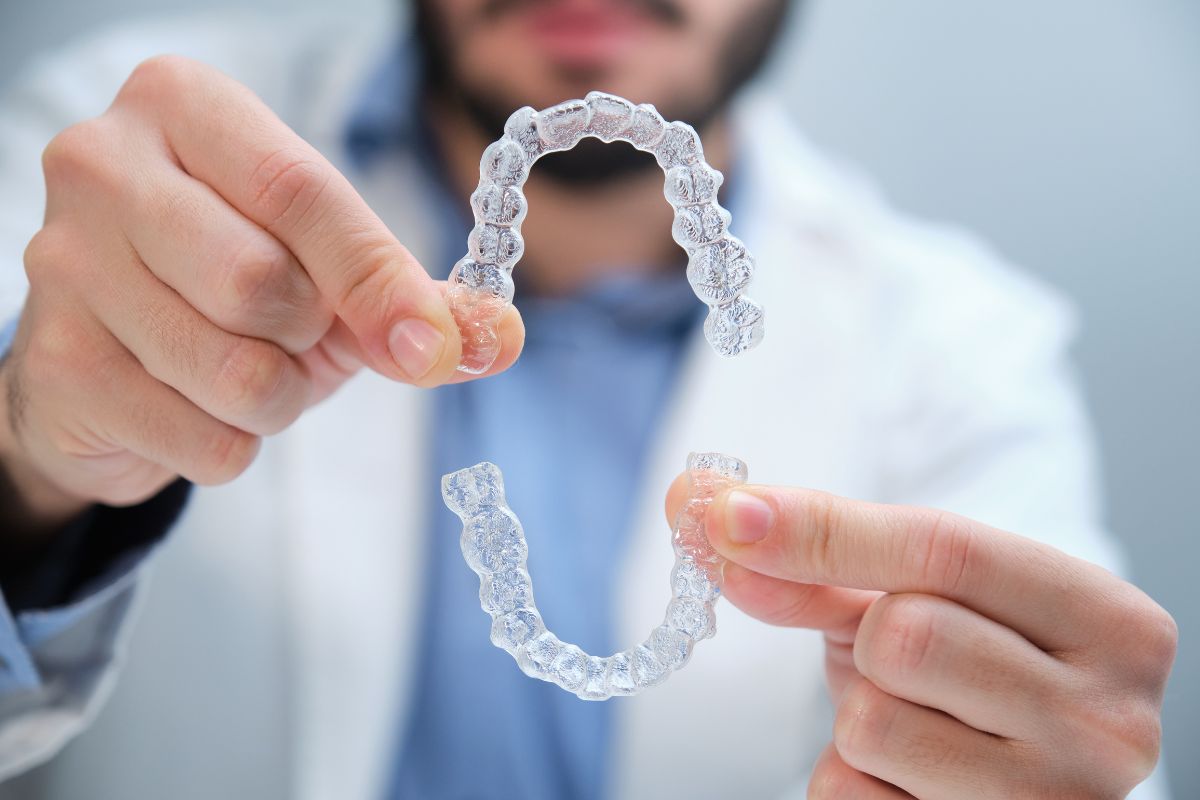
For patients who experience mild shifting, clear aligners such as Invisalign® can help reposition the teeth without traditional braces. These aligners are removable, comfortable, and discreet, making them a convenient option for adults and teens.
Limited Braces for Significant Shifting
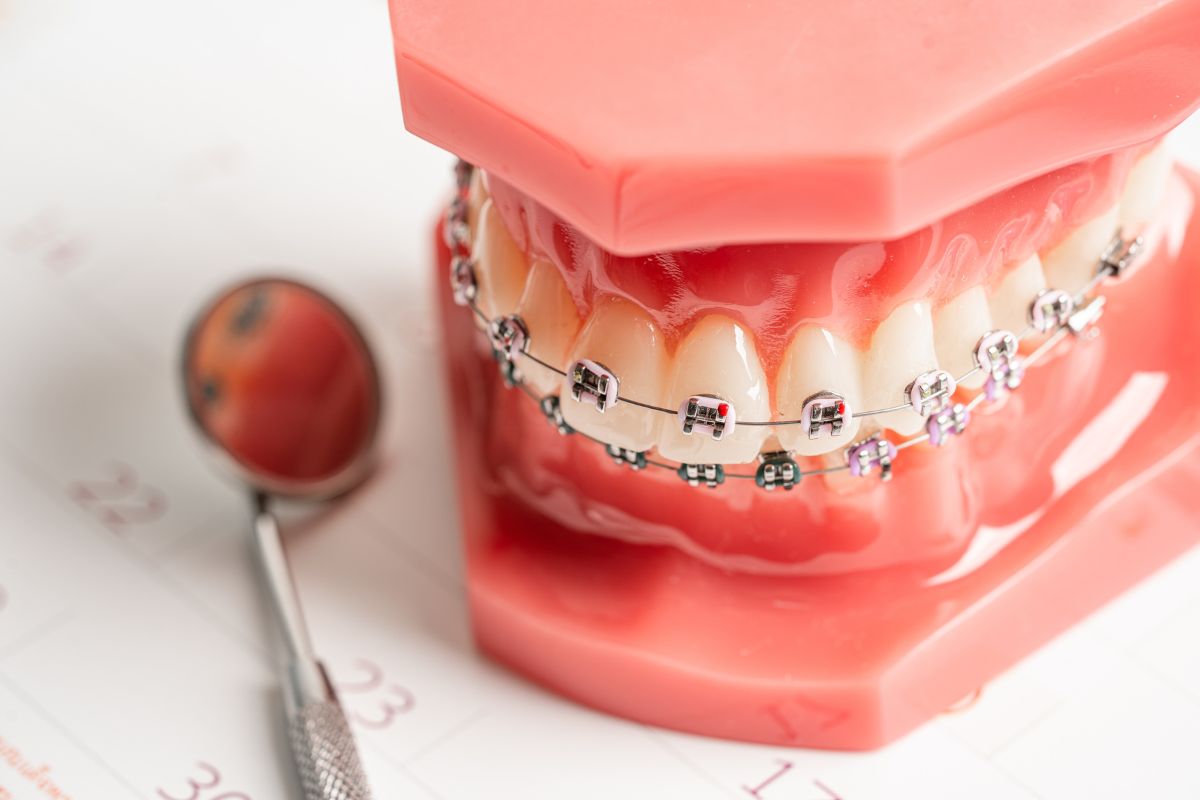
In cases where shifting is more pronounced, your Dallas orthodontist may recommend short-term braces to move the affected teeth back into place. Since the adjustments are localized, treatment time is usually much shorter than the initial phase of braces.
Bite and Jaw Evaluations
A skilled orthodontist will also check for bite irregularities or jaw misalignment that could contribute to shifting. Addressing these underlying issues ensures your results are long-lasting and comfortable.
Long-Term Retainer Maintenance
Once your smile is realigned, maintaining it is essential. Your orthodontist may recommend either removable retainers or a fixed retainer to preserve your results. Regular follow-ups help ensure everything stays in position.
How to Prevent Teeth Shifting After Braces
After completing orthodontic treatment, keeping your teeth in their new positions requires ongoing care. Here are a few ways to maintain your alignment:
- Wear your retainers every night as instructed by your orthodontist.
- Schedule regular dental and orthodontic checkups to monitor your bite.
- Avoid habits like nail-biting or chewing on pens that place stress on teeth.
- Manage teeth grinding with a nightguard if recommended.
- Maintain healthy gums and bone support through proper oral hygiene.
Taking these steps and maintaining a relationship with your Dallas orthodontist will protect the time and investment you’ve made in your smile.
Why Early Attention Matters
Even minor movement after braces should not be ignored. Small shifts can gradually lead to spacing, bite issues, or aesthetic concerns if left untreated. If you’ve noticed changes in your alignment or retainer fit, it’s best to schedule an appointment with your orthodontist as soon as possible. Early intervention often means simpler, shorter treatments.
Keep Your Smile Straight with Expert Orthodontic Care in Dallas
Teeth shifting after braces is common, but it’s completely manageable with timely care from a qualified orthodontist in Dallas. With personalized evaluations, advanced technology, and ongoing guidance, Dallas Orthodontics helps patients maintain their beautiful, confident smiles for years to come.
If you’ve noticed even slight changes in your teeth alignment, don’t wait for them to worsen. Schedule a visit with your local Dallas orthodontist to keep your smile perfectly in line and your confidence intact.
FAQs
What can an orthodontist do if my teeth shift after braces?
An orthodontist can assess the cause and recommend retainers, aligners, or short-term braces to move your teeth back into alignment.
Why should I see an orthodontist instead of a general dentist?
An orthodontist specializes in tooth movement and bite correction, making them the best choice for fixing post-braces shifting.
How long does it take for an orthodontist to fix shifted teeth?
Treatment time varies but usually takes a few weeks to a few months, depending on how much your teeth have moved.
How does an orthodontist prevent teeth from shifting again?
Your orthodontist ensures stability with customized retainers, bite checks, and regular follow-up visits.
Do orthodontists offer follow-up care after braces?
Yes. Most orthodontists provide retainer checks and bite evaluations to help maintain long-term results.