Have you recently started Invisalign treatment and noticed that your teeth feel tight, tender, or slightly sore? Perhaps you just switched to a new set of aligners and wonder whether the pressure is normal. These sensations are common among people considering clear aligner treatment in Dallas, TX.
Yes, Invisalign treatment can cause temporary tooth pain or pressure. The aligners apply controlled forces that gradually guide teeth into planned positions. As your teeth and surrounding tissues respond to these forces, you may feel mild soreness, tenderness when chewing, or tightness. This discomfort is usually temporary, but its intensity and duration can vary.
If you are considering Invisalign or already wearing aligners, understanding what causes this pressure can help you feel more prepared. At Dallas Orthodontics, Dr. Benito Benitez can evaluate your orthodontic needs, explain what to expect during treatment, and help you understand when discomfort may require attention.
Why Does Invisalign Cause Tooth Pain or Pressure?
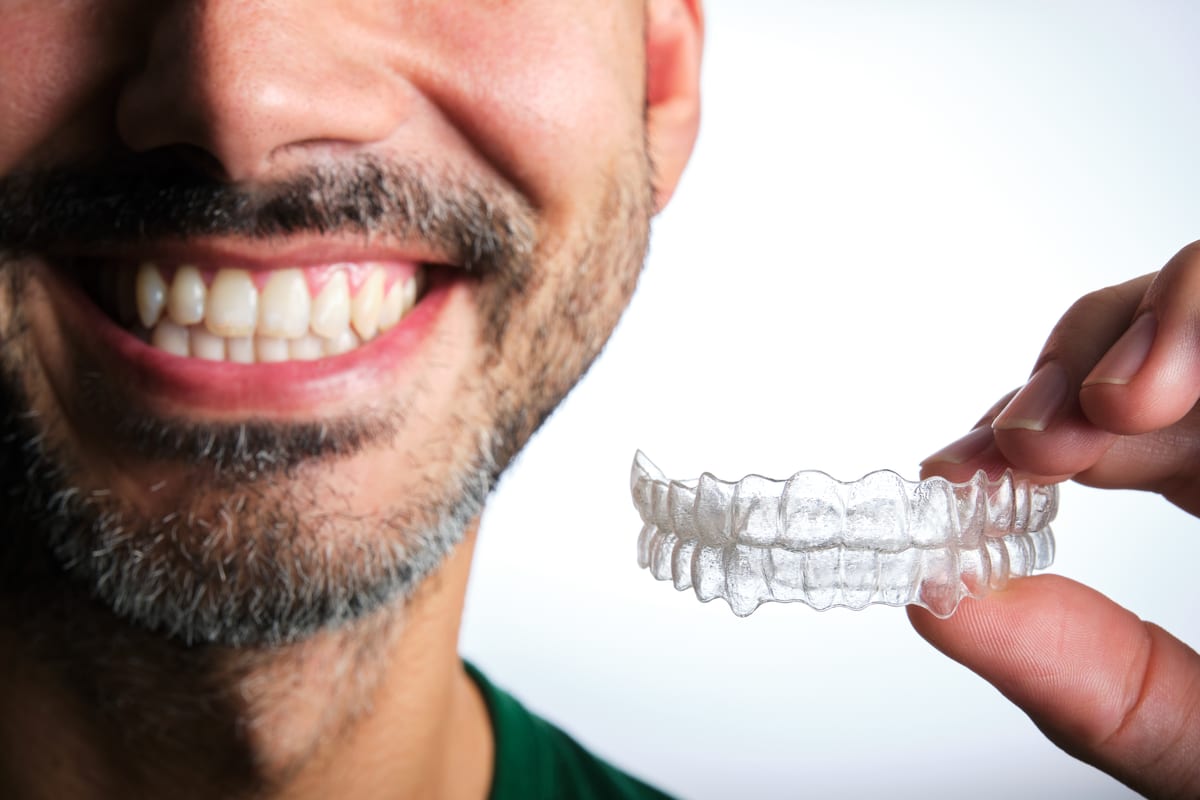
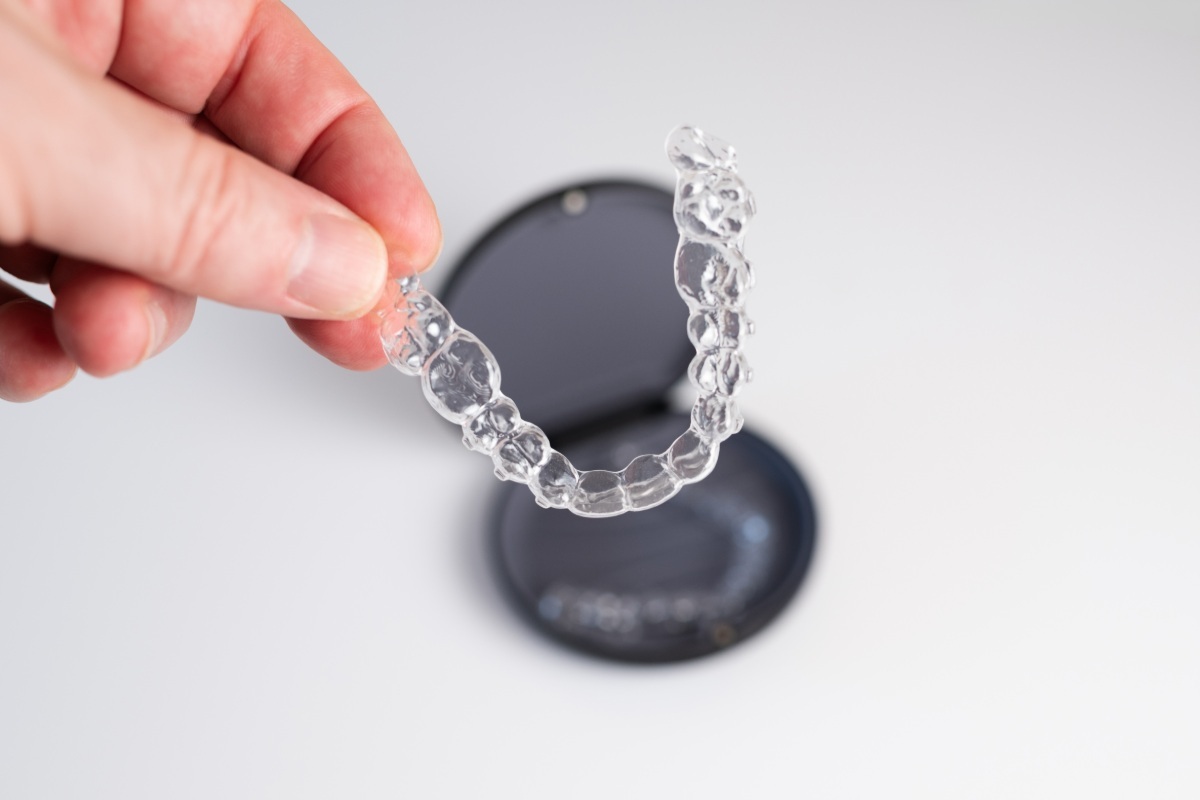
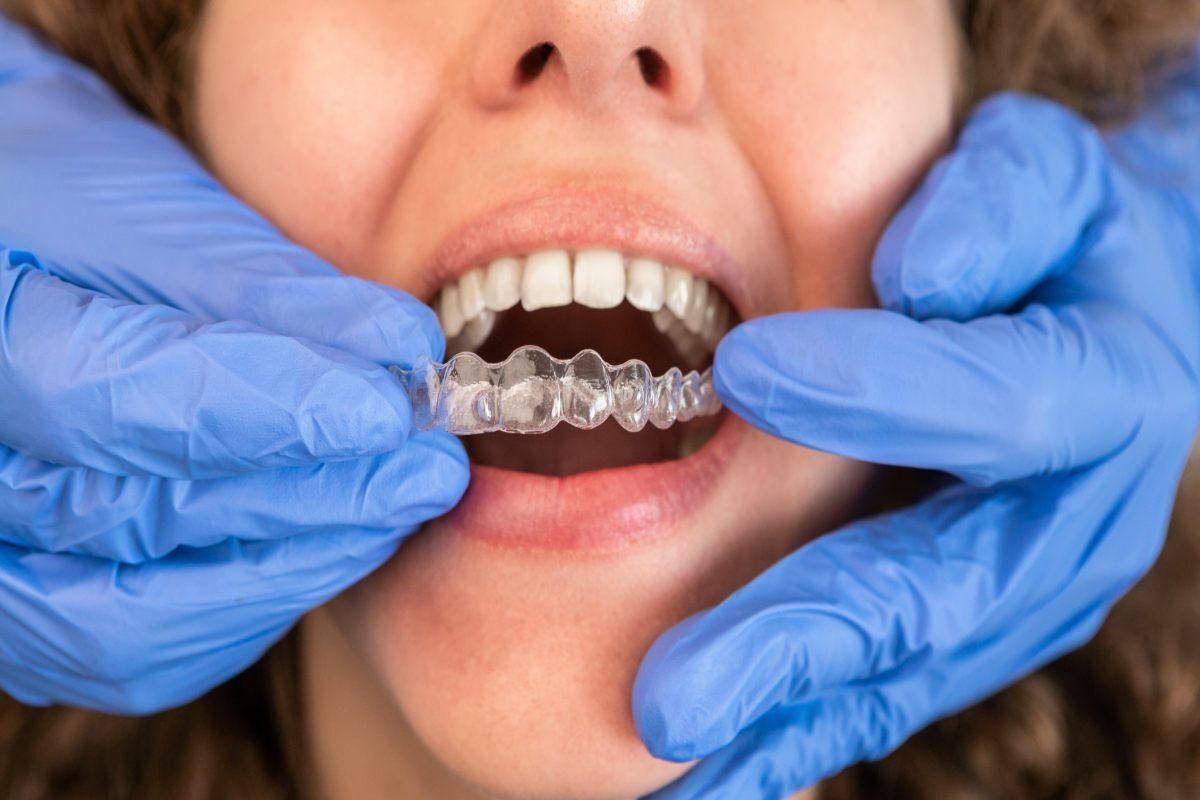
Invisalign aligners in Dallas are custom-made, removable trays designed to move teeth gradually. Each new aligner is shaped to make small adjustments to tooth positions. When you insert a new tray, it may feel snug because it is designed to guide your teeth toward the next stage of treatment.
This pressure is part of the orthodontic process. The forces on your teeth affect the periodontal ligament, a thin layer of connective tissue that anchors each tooth in its socket. As the body responds to these forces, bone remodeling occurs around the teeth. This biological process allows teeth to move gradually.
You may notice:
- Pressure across several teeth when inserting a new aligner.
- Tenderness when biting or chewing.
- Mild soreness around specific teeth.
- A tight feeling that is more noticeable during the first few days of a new tray.
- Temporary sensitivity when eating foods that require more chewing.
Not everyone experiences these sensations in the same way. Some patients describe pressure rather than pain, while others notice tenderness that affects eating for a short time.
How Much Pain Is Normal During Invisalign Treatment?
For many patients, Invisalign discomfort is mild to moderate and improves as they adjust to wearing their aligners. You may feel the most pressure shortly after beginning treatment or changing to a new set of trays.
A 2020 systematic review comparing Invisalign with conventional braces found that patients using Invisalign generally reported lower pain levels during the first few days of treatment. However, the researchers also noted that differences between the two approaches were not consistently present later in treatment. The review included seven studies and noted limitations in the evidence.
A separate 2023 systematic review and meta-analysis examined 12 studies comparing clear aligners with fixed orthodontic appliances. It found lower reported pain with clear aligners on days three and four in the treatment period studied, but not at every measured time point.
These findings suggest that clear aligners may be more comfortable for some patients during certain stages, but they do not guarantee a pain-free experience.
What Does Normal Invisalign Pressure Feel Like?
Normal aligner pressure often feels like a gentle but noticeable tightness. You may feel it when you first put the tray in, especially if you haven’t worn it in a while. Some teeth may feel more tender than others because different teeth are being moved at different stages.
The sensation should generally become easier to manage as you continue wearing the aligner as your orthodontist instructs. If pain is severe, worsening, or persistent, contact your orthodontic provider rather than assuming it is part of the process.
When Does Invisalign Pain Usually Start and Stop?
Discomfort can begin within hours of putting in a new aligner. It may become more noticeable during the first day or two, then gradually decrease as your mouth adapts to the tray.
A 2026 systematic review of removable orthodontic aligners reported that pain tended to peak within 24 hours, decrease by the third day, and become minimal by approximately one week. The review included 34 studies, although evidence certainty varied across outcomes, and the studies differed in methods.
Your experience may not follow that exact timeline. Some patients notice only brief pressure, while others experience tenderness for several days. The amount of movement planned, the aligner fit, and individual differences can all affect comfort.
| Treatment stage | What you may experience |
| First few hours | Tightness or pressure when inserting the tray |
| First 24–48 hours | Possible tenderness, especially when biting |
| Days 3–5 | Discomfort often begins to decrease |
| Around one week | Many patients feel more comfortable with the current tray |
This is a general guide, not a guarantee. Follow the specific aligner-change schedule your orthodontic team provides.
Why Do Teeth Hurt More When Switching to a New Aligner?
Each aligner in your treatment series is designed to make a planned adjustment. When you move to the next tray, it may feel tighter at first because it is meant to guide your teeth into a slightly different position.
The pressure can be more noticeable when:
- Several teeth are scheduled to move at the same time.
- A particular tooth requires a more noticeable adjustment.
- You have not worn your aligners consistently.
- The new tray feels different from the previous one.
- Your teeth are already sensitive for another reason.
A new aligner should fit as your orthodontist directed. If it doesn’t seat properly, has a sharp or damaged edge, or causes significant pain, don’t force it into position. Contact your orthodontic team for advice.
Does Invisalign Hurt More Than Traditional Braces?
Both Invisalign and traditional braces use orthodontic forces to move teeth. As a result, both can cause temporary soreness and pressure.
The main difference is how the appliances apply that force. Braces use brackets and wires attached to the teeth, while Invisalign uses a series of removable plastic aligners. With braces, patients may also experience irritation from brackets or wires rubbing against the cheeks and lips. Aligners don’t have brackets or wires, but their edges can sometimes irritate soft tissues.
Research comparing the two approaches suggests that clear aligner patients may report less pain during certain early treatment periods. However, results vary across studies, and comfort is only one factor to consider when choosing orthodontic treatment in Dallas.
The best option depends on your bite, tooth alignment, treatment goals, and clinical needs. An orthodontic evaluation can help determine whether Invisalign is appropriate for your case.
7 Ways to Reduce Invisalign Tooth Pain and Pressure
Although some pressure is expected, practical steps may help make the adjustment period more comfortable.
1. Follow Your Prescribed Wear Schedule
Wear your aligners for the number of hours your orthodontist recommends. Removing them too frequently or leaving them out for extended periods can interfere with treatment and may make reinsertion uncomfortable.
Do not change your tray schedule on your own to avoid pressure. Ask your orthodontist before making any adjustments.
2. Change to a New Aligner at the Recommended Time
Some patients prefer to start a new aligner in the evening so the initial adjustment period happens while they sleep. Ask your orthodontic team whether this approach fits your treatment plan.
Do not advance to the next tray early unless your orthodontist specifically instructs you to.
3. Choose Softer Foods When Teeth Feel Tender
If chewing feels uncomfortable, choose foods that require less effort for a short period. Options include scrambled eggs, yogurt, oatmeal, mashed vegetables, soup cooled to a comfortable temperature, and soft pasta.
You do not need to avoid normal foods throughout treatment. Temporarily adjusting your meals can make the first few days after a tray change easier.
4. Keep Your Aligners Clean
Clean aligners according to the manufacturer’s instructions and your orthodontist’s recommendations. Rinse them when you remove them, and brush your teeth before putting them back in whenever possible.
Good cleaning habits help reduce plaque and debris around the trays. Avoid hot water, which may distort the plastic.
5. Use a Properly Fitted Aligner Seating Tool if Recommended
An orthodontist may recommend a seating tool, often called a chewable aligner aid, to help the tray fit closely against the teeth. Use it only as directed.
Do not bite excessively hard or force an aligner over a tooth that isn’t fitting correctly.
6. Ask Before Taking Pain Medication
If discomfort interferes with your routine, ask your dentist, orthodontist, or healthcare professional whether an over-the-counter pain reliever is suitable for you. Medication safety depends on your medical history, allergies, other medicines, and individual health circumstances.
Do not take more than the recommended dose or use medication simply to push through severe pain.
7. Stay Consistent With Dental and Orthodontic Appointments
Regular appointments let your orthodontic team check how your teeth are responding and whether your aligners fit as expected. If discomfort continues or a tray does not fit correctly, your provider can assess the cause and recommend the next step.
Can Invisalign Pressure Mean Something Is Wrong?
Not necessarily. Mild pressure after starting treatment or switching trays is common. However, pain that is sharp, severe, localized, or getting worse should not be ignored.
Contact your orthodontist if you experience:
- Severe pain that does not improve.
- A tray that will not fit or seat properly.
- A cracked, warped, or damaged aligner.
- A sharp edge that repeatedly cuts or irritates your gums.
- Persistent pain focused on one tooth.
- Swelling, bleeding, or signs of infection.
Tooth pain can sometimes have a cause unrelated to orthodontic movement, such as tooth decay, a cracked tooth, gum inflammation, or an existing dental problem. Your provider may need to examine the area to identify the source.
If you develop facial swelling, fever, difficulty swallowing, or difficulty breathing, seek urgent medical or dental care. Difficulty breathing or swallowing requires emergency attention.
Does Invisalign Cause Long-Term Tooth Pain?
Invisalign is designed to move teeth gradually, so temporary pressure and tenderness can occur throughout treatment, especially when you start a new aligner. However, persistent or worsening pain is not an inevitable part of wearing aligners.
Orthodontic treatment requires monitoring because every patient’s teeth respond differently. Your orthodontist evaluates tooth movement, aligner fit, gum health, and your overall progress. If a particular tooth remains painful, an examination can help determine whether the discomfort is related to aligner pressure or another dental concern.
It is also important to follow instructions for wearing and changing trays. Skipping ahead, wearing an ill-fitting tray, or making unsupervised changes to your treatment schedule can create avoidable problems.
What Should Dallas Patients Know Before Starting Invisalign?
If you live in Dallas, TX, and are considering Invisalign, ask about your expected treatment timeline, the type of tooth movement required, how often you will change aligners, and what to do if you experience discomfort.
An orthodontic consultation helps determine whether clear aligners suit your dental needs. Your provider can also explain how attachments, refinements, or other treatment steps may affect your experience.
At Dallas Orthodontics, Dr. Benito Benitez can discuss your orthodontic concerns and help you understand the treatment process. Knowing what normal pressure feels like—and when to ask for help—can make it easier to approach Invisalign treatment with realistic expectations.
Conclusion
Invisalign treatment can cause temporary tooth pain or pressure, especially when you first begin wearing aligners or switch to a new set. This sensation occurs because the trays apply controlled forces that gradually move teeth. For many patients, discomfort is most noticeable during the first few days and then improves as the mouth adjusts.
Following your prescribed wear schedule, choosing softer foods when teeth feel tender, keeping aligners clean, and attending regular appointments can help support a more comfortable experience. However, evaluate severe, persistent, or worsening pain rather than ignoring it.
If you are considering clear aligners or have questions about discomfort during treatment, speak with an orthodontic professional.
Visit our dental practice in Dallas, TX. Book now to schedule your appointment with our team.
Frequently Asked Questions
1. How long does Invisalign treatment usually take?
Treatment time depends on the complexity of your orthodontic concerns, the amount of tooth movement needed, and how consistently you wear your aligners. Our orthodontist can provide an estimated timeline after examining your teeth and bite.
2. How often should I visit the dentist during Invisalign treatment?
Your appointment schedule depends on your treatment plan and monitoring needs. Regular visits help our orthodontic provider evaluate your progress, check your oral health, and address concerns about aligner fit.
3. Can I eat and drink while wearing Invisalign aligners?
You should generally remove Invisalign aligners before eating and drinking anything other than plain water. Eating with aligners can damage or stain them, while sugary or acidic drinks may become trapped against your teeth.
4. How should I clean my teeth during orthodontic treatment?
Brush twice daily with fluoride toothpaste, clean between your teeth every day, and follow your dental provider’s instructions. Rinse and clean your aligners as directed before putting them back in.
5. How can I schedule an orthodontic consultation?
Contact the dental practice to ask about consultation availability and the services offered. Our orthodontist can discuss your concerns, review your oral health needs, and explain whether an orthodontic evaluation is appropriate.