If you’ve been researching Invisalign Dallas for your teenager, you’ve probably noticed that pricing varies widely. Understanding why Invisalign costs more for complex teen cases in Dallas helps families make informed decisions. At Dallas Orthodontics, Dr. Benito Benitez believes every family deserves a clear explanation — not just a number.
Teen orthodontic cases are rarely one-size-fits-all. Factors like bite issues, crowding severity, and jaw alignment all influence treatment. The more complex the case, the more resources, time, and technology it takes to correct it.
What Makes a Teen Invisalign Case Complex in Dallas?
Not every teen needs the same level of treatment. Some cases involve mild spacing issues that clear aligners handle quickly. Others involve significant crowding, open bites, or crossbites that demand more precision and planning.
Complex cases typically require more aligners to achieve results. Each aligner represents a carefully engineered step toward alignment. More steps mean more aligners — and that directly affects the overall investment.
Teen patients also present unique biological challenges. Their jaws are still developing, which can shift treatment plans mid-course. Dr. Benitez accounts for this growth when designing each teen’s customized plan at Dallas Orthodontics.
Here are common factors that increase case complexity for teens:
- Severe crowding or widely spaced teeth
- Bite problems such as overbite, underbite, or crossbite
- Jaw asymmetry or skeletal discrepancies
- Missing or unerupted permanent teeth
- Previous orthodontic treatment that needs correction
How the Number of Aligners Drives Invisalign Cost
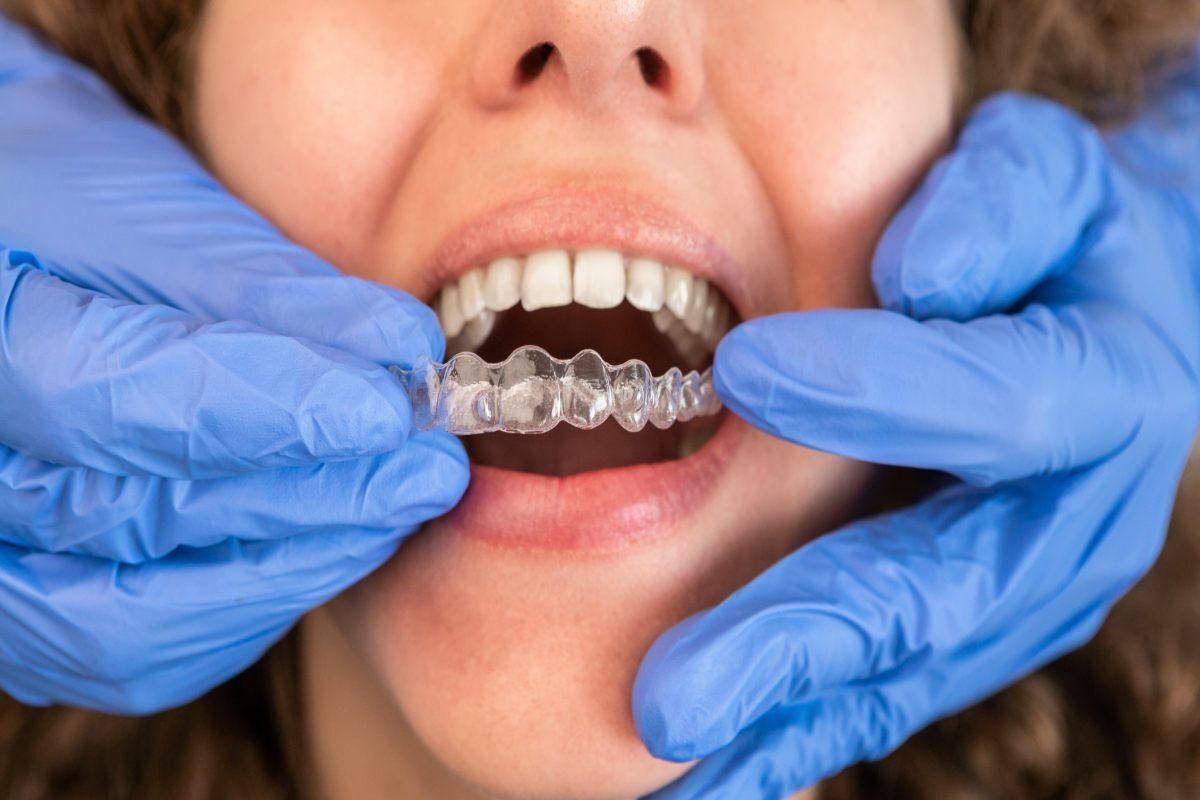
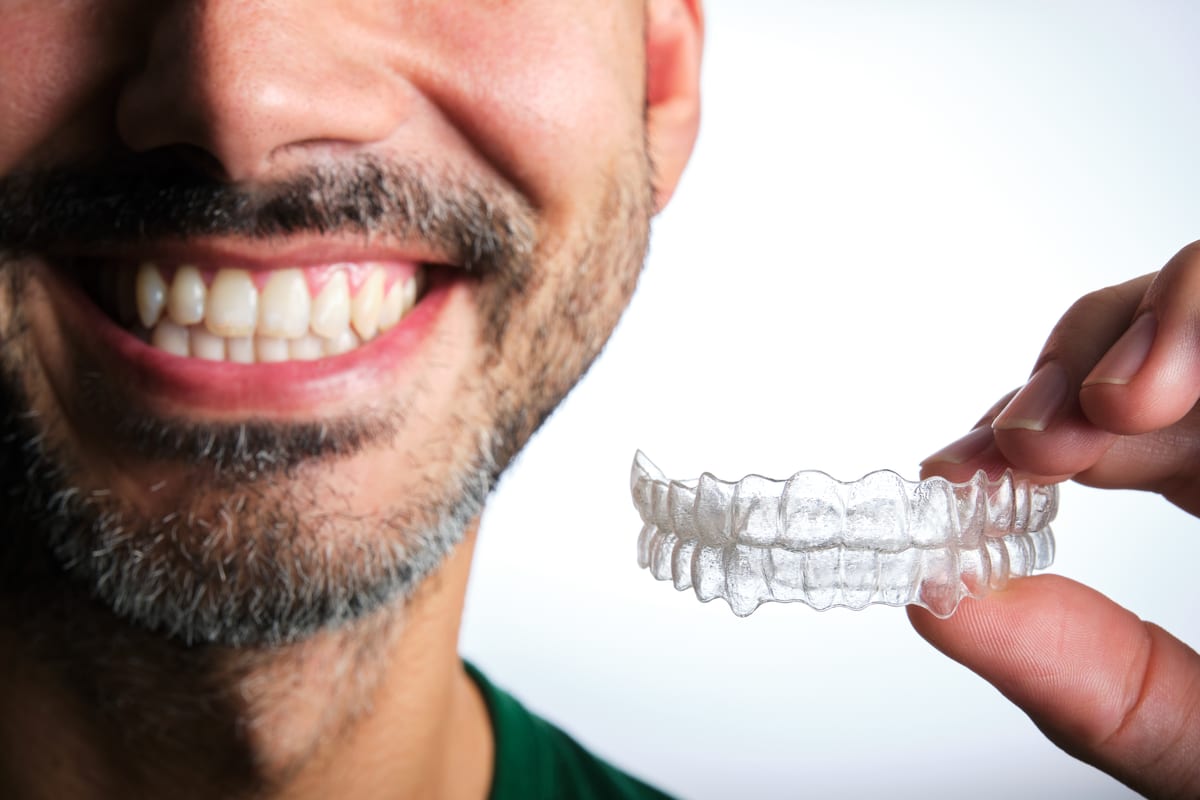
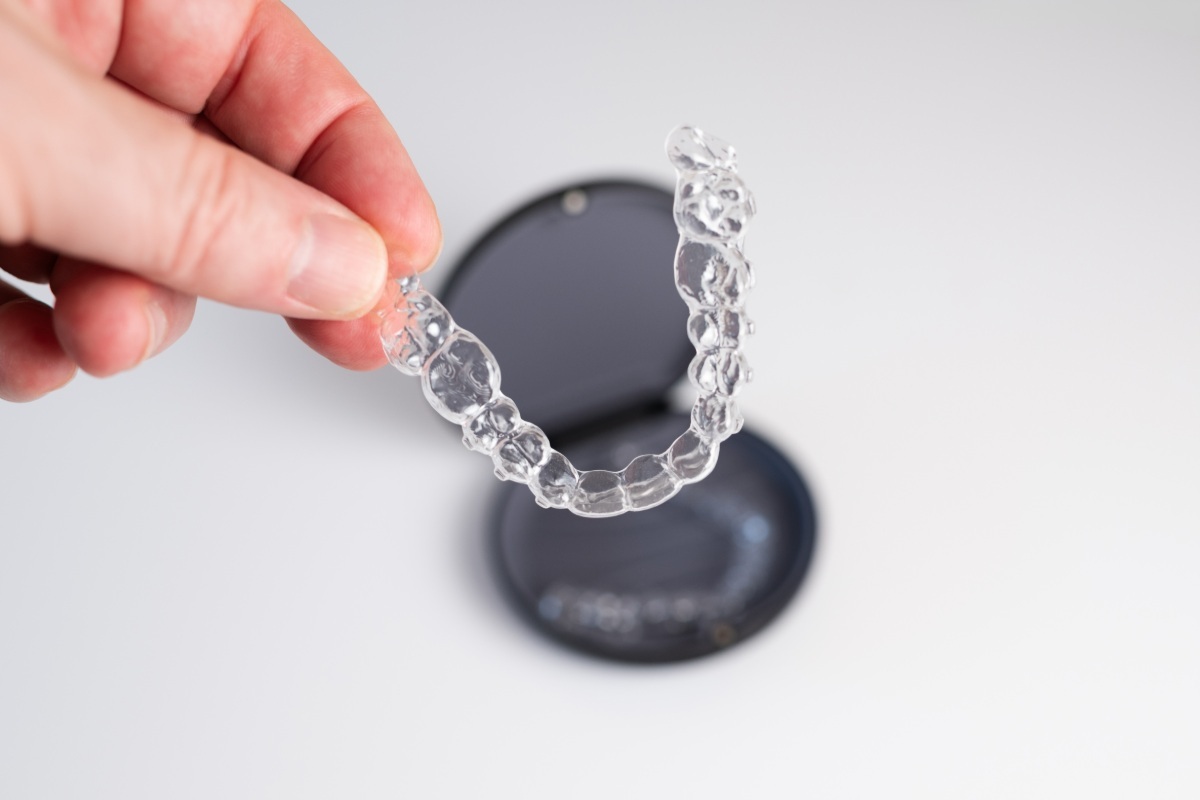
Invisalign treatment in Dallas works through a series of custom-made plastic trays. Each tray moves teeth a fraction of a millimeter. Complex cases require more trays to complete the full movement needed.
A straightforward teen case might use fewer aligners. A complex case can require significantly more. Invisalign manufactures each tray using advanced 3D printing technology, and each one adds to the overall cost of care.
The total number of aligners is determined during your teen’s initial scan and consultation. Dr. Benitez uses digital imaging to map out the entire treatment journey before a single tray is made. This planning step is crucial for accuracy and efficiency.
Families should understand that more aligners do not mean something is wrong. It simply means the teeth have more distance to travel to reach their ideal position.
Refinements — and Why Complex Cases Need More of Them
Refinements are additional aligner sets created mid-treatment or at the end of a series. They fine-tune tooth positions that didn’t move exactly as planned. For complex teen cases, refinements are often necessary to achieve a precise final result.
Every refinement involves a new scan, new digital planning, and new aligner fabrication. This adds both time and cost to treatment. Simple cases may need no refinements at all, while complex cases may require one or more rounds.
Teen biology makes refinements more common. Growing jaws can shift teeth in unexpected directions. Dr. Benitez monitors every Dallas Orthodontics teen patient closely to catch these shifts early and adjust the plan accordingly.
Refinements are not a sign of failure. They reflect a commitment to getting your teen’s smile exactly right—even when biology throws curveballs.
How Invisalign for Teens Differs From Adult Treatment
Invisalign offers a teen-specific version of its system. It includes compliance indicators, extra replacement aligners, and features designed around teen lifestyles. These additions are built into the program and contribute to the overall structure of teen pricing.
Compliance indicators are small blue dots on each aligner. They fade with wear, helping parents and doctors confirm the teen is keeping aligners in long enough. This monitoring feature is exclusive to the teen program.
Replacement aligners are also included because teens are more likely to lose or damage trays. Having extras built into the program protects the investment and keeps treatment on track. These features add value — and they reflect in the cost.
Some families also explore Damon Smile Braces Dallas as an alternative for highly complex cases. Braces may be more effective for certain bite corrections. Dr. Benitez always recommends the treatment best suited to your teen’s specific needs.
What to Expect at Your Dallas Orthodontics Consultation
The first step is a comprehensive evaluation with Dr. Benitez. This appointment includes digital scans, photos, and a full assessment of your teen’s bite and jaw development. No guessing — just precise data.
After the evaluation, Dr. Benitez will explain your teen’s case complexity in plain language. You’ll learn exactly what is involved in treatment and what drives the investment. Transparency is a core value at Dallas Orthodontics.
Here’s what happens during your teen’s first visit:
- Digital 3D scans replace uncomfortable impressions
- Dr. Benitez reviews bite, spacing, and jaw alignment
- A personalized treatment plan is created and explained
- All questions about cost and timeline are answered honestly
- Payment options and flexible plans are discussed
Understanding the full picture before committing to treatment empowers families to make confident choices. Dr. Benitez and the Dallas Orthodontics team are here to guide you every step of the way.
Making the Right Choice for Your Teen’s Smile
Invisalign is a powerful, proven tool for straightening teen smiles. But its cost reflects the technology, customization, and clinical expertise behind each case. Complex cases demand more of everything — and that investment pays off in lasting results.
Dallas families who understand why Invisalign costs more for complex teen cases in Dallas are better prepared for the conversation ahead. Knowledge reduces anxiety and helps parents advocate for the right treatment for their child.
Dr. Benitez and the team at Dallas Orthodontics are committed to honest, patient-first orthodontic care. Every teen deserves a smile they’re proud of — and a family that understands exactly how they got there. Book now to schedule your appointment with our team.
Frequently Asked Questions
Why does Invisalign cost more for teens than adults?
Teen Invisalign includes special features like compliance indicators and extra replacement aligners. Teen cases also involve growing jaws, which can require more aligners and refinements. These factors increase the overall investment compared to many adult cases.
What is a refinement and why does my teen need one?
A refinement is an additional set of aligners made mid-treatment or at the end of a series. It fine-tunes teeth that didn’t move exactly as planned. Complex teen cases often require refinements because developing jaws can shift unexpectedly during treatment.
How many aligners does a complex teen case typically require?
The number of aligners depends entirely on the individual case. Simple cases may use fewer trays, while complex cases involving bite issues, crowding, or jaw concerns may require significantly more. Dr. Benitez will map out your teen’s full aligner series during the initial consultation.
Is Invisalign always the best option for complex teen cases?
Not always. Some complex bite issues respond better to braces. Dr. Benitez evaluates each teen’s case individually and recommends the treatment that will deliver the best outcome — whether that’s Invisalign, Damon Smile Braces, or a combination approach.
How can I find out what my teen’s Invisalign treatment will involve?
The best way is to schedule a comprehensive consultation with Dr. Benitez at Dallas Orthodontics. Digital scans and a full bite assessment will reveal the complexity of your teen’s case and what treatment will realistically involve.