
If you’re considering Invisalign®, you’ve probably asked one of the most common questions patients have before starting treatment: Does Invisalign hurt? The idea of moving your teeth can sound uncomfortable, and it’s natural to wonder whether wearing clear aligners will interfere with your daily routine, work, or favorite meals.
The reassuring news is that Invisalign is generally considered more comfortable than traditional braces. Most patients experience mild pressure or soreness rather than severe pain, especially during the first few days of wearing a new set of aligners. This temporary discomfort is actually a sign that the aligners are applying controlled force to move your teeth into healthier positions gradually.
According to the American Association of Orthodontists (AAO), orthodontic tooth movement depends on a natural biological process called bone remodeling, where the bone surrounding each tooth slowly adapts as the teeth shift. Because this process happens gradually, discomfort is usually temporary and manageable.
Since its introduction in 1999, Invisalign has transformed orthodontic care. According to Align Technology, more than 18 million patients worldwide, including over 6 million teenagers, have started Invisalign treatment. Clinical studies have also found that patients treated with clear aligners generally report less pain and fewer soft tissue injuries than those wearing conventional braces.
In this guide, we’ll explain why Invisalign may cause temporary discomfort, the most common side effects, how long they usually last, practical pain relief strategies, and when it’s important to contact your orthodontist.
How Does Invisalign Move Your Teeth?
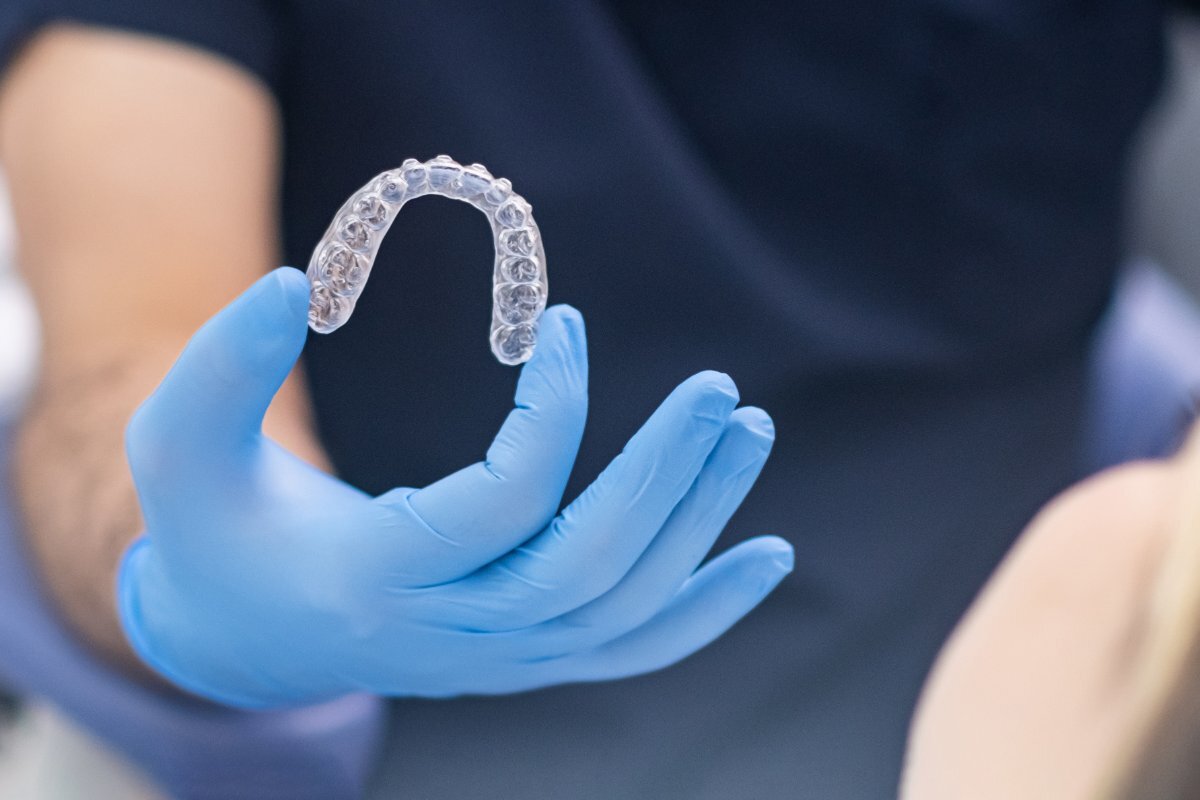
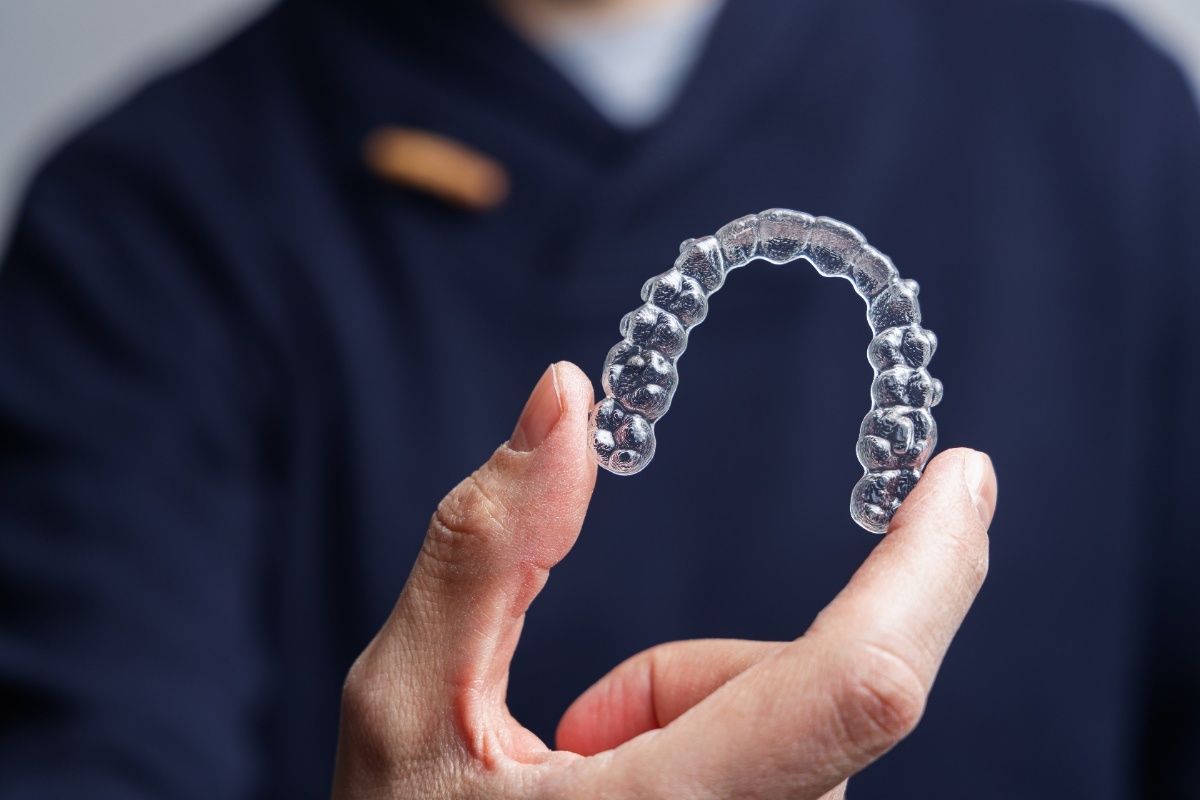
Invisalign uses a series of custom-made, BPA-free plastic aligners designed specifically for your smile. Each aligner applies gentle, controlled pressure to move selected teeth by small increments.
Unlike traditional braces that use brackets and wires, Invisalign aligners are removable. Most patients switch to a new set of aligners every 1–2 weeks, depending on their orthodontist’s treatment plan.
For the best results, wear Invisalign 20–22 hours per day, removing the aligners only to eat, drink anything other than water, brush, and floss.
Because each new aligner continues the tooth-movement process, it’s normal to feel slight pressure when you start wearing a new tray.
Invisalign by the Numbers
Understanding how common Invisalign treatment in Dallas has become can help patients feel more confident about starting treatment.
- More than 18 million patients worldwide have started Invisalign treatment (Align Technology).
- Over 6 million teenagers have been treated with Invisalign.
- Approximately 25% of orthodontic patients in the United States are adults, according to the AAO.
- Most Invisalign treatments take 12–18 months, although simple cases may finish in as little as six months.
- Studies published in the American Journal of Orthodontics and Dentofacial Orthopedics report that clear aligner patients often experience lower pain intensity than patients treated with traditional braces.
These statistics show that Invisalign has become one of the most widely used orthodontic treatment options for both teens and adults.
Does Invisalign Actually Hurt?
The honest answer is yes—but usually only a little.
Most patients describe Invisalign as causing:
- Mild pressure
- Tightness around the teeth
- Temporary soreness
- Slight tenderness while chewing
Rather than sharp pain, Invisalign produces a sensation similar to the feeling after tightening braces—but generally milder.
The discomfort typically peaks during the first 24–48 hours after inserting a new aligner, then gradually improves.
Why Does Invisalign Cause Discomfort?
Your teeth are supported by a ligament called the periodontal ligament, which connects each tooth to the surrounding jawbone.
As Invisalign gently moves your teeth:
- Pressure is applied to specific teeth.
- Bone begins remodeling.
- Ligaments temporarily stretch and compress.
- Teeth gradually shift into new positions.
This natural biological response explains why mild soreness occurs during treatment.
Importantly, the movement is slow and carefully controlled to protect the teeth and supporting tissues.
Common Invisalign Side Effects
Although Invisalign is generally comfortable, several temporary side effects are common.
1. Tooth Soreness
The most common side effect is mild tooth tenderness.
Patients usually notice soreness:
- When starting treatment
- After switching to a new aligner
- During the first one to three days of each tray
The discomfort typically fades without affecting the overall treatment schedule.
2. Pressure When Biting
Many patients notice pressure while chewing.
This occurs because the teeth are actively moving.
Soft foods often feel more comfortable during the first couple of days after changing aligners.
3. Temporary Lisp
Speech changes are common during the first week.
Because the aligners slightly change the position of the tongue, patients may notice:
- Slight lisp
- Difficulty pronouncing “S” sounds
- Minor speech changes
Most patients adapt within a few days to two weeks.
Reading aloud can help speed the adjustment.
4. Increased Saliva
Your mouth initially recognizes the aligners as a foreign object.
This may temporarily increase saliva production.
The symptom usually disappears within several days.
5. Dry Mouth
Some patients experience the opposite problem.
Because aligners slightly reduce airflow around the teeth, mild dry mouth may occur.
Drinking plenty of water throughout the day usually provides relief.
6. Gum Irritation
Although Invisalign trays have smooth edges, occasional irritation may occur.
This is more likely when:
- A tray edge rubs the gums
- New attachments are placed
- The aligner isn’t fully seated
If irritation continues, your orthodontist can adjust the tray edge.
7. Tooth Sensitivity
Some patients notice temporary sensitivity when drinking cold beverages.
This usually resolves after several days.
Invisalign Attachments: Do They Hurt?
Many Invisalign patients receive small, tooth-colored attachments that help guide more complex tooth movements.
Initially, attachments may cause:
- Mild cheek irritation
- Slight tenderness
- Difficulty removing aligners
Most patients become accustomed to attachments within one week.
Week-by-Week Invisalign Pain Timeline
Week 1
Common experiences include:
- Mild soreness
- Pressure
- Tight aligners
- Increased saliva
- Temporary speech changes
Week 2
Patients usually notice:
- Less soreness
- Easier aligner removal
- Improved speech
- Better chewing comfort
Weeks 3–4
By the end of the first month:
- Discomfort becomes minimal.
- Tooth movement feels more predictable.
- Most patients establish a comfortable daily routine.
Month 2 and Beyond
Each new aligner may create mild pressure for one or two days, but most patients report little disruption to their daily lives.
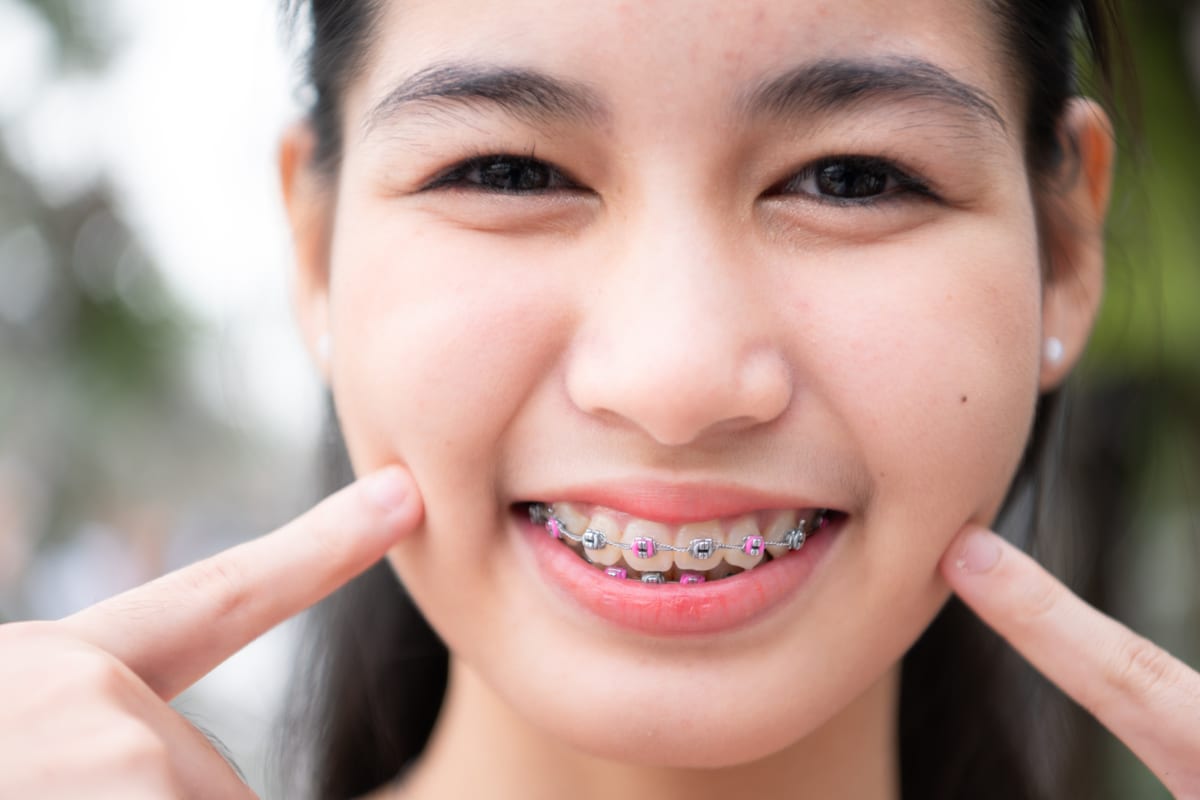
Invisalign vs. Braces: Which Hurts More?
Clinical research generally suggests that Invisalign is associated with lower levels of discomfort than traditional braces.
| Feature | Invisalign | Traditional Braces |
| Initial soreness | Mild–Moderate | Moderate |
| Mouth sores | Less common | More common |
| Broken appliances | Rare | More common |
| Eating discomfort | Minimal (aligners removed) | More noticeable |
| Emergency visits | Fewer | More frequent |
Braces may be more suitable for certain complex orthodontic cases, while Invisalign offers added comfort and convenience for many patients.
Pain Relief Tips During Invisalign Treatment
Although discomfort is temporary, these strategies can make treatment more comfortable.
Wear Your Aligners Consistently
Removing aligners for extended periods can allow teeth to shift slightly, making them feel tighter when you reinsert them.
Aim for 20–22 hours of wear every day.
Change Aligners Before Bed
Switching to a new aligner at bedtime allows you to sleep through the first several hours of pressure.
Many orthodontists recommend this simple strategy.
Eat Soft Foods Initially
During the first day or two after changing trays, choose foods such as:
- Yogurt
- Oatmeal
- Soup
- Mashed potatoes
- Pasta
- Smoothies
- Eggs
Stay Hydrated
Drinking water helps reduce:
- Dry mouth
- Irritation
- Bad breath
It also supports overall oral health.
Practice Excellent Oral Hygiene
The American Dental Association (ADA) recommends brushing twice daily with fluoride toothpaste and flossing once a day.
Clean teeth and aligners reduce the risk of cavities, gum irritation, and unpleasant odors during treatment.
Use Orthodontic Chewies
If your orthodontist recommends them, chewies help seat aligners fully against your teeth, improving comfort and treatment efficiency.
Ask About Pain Relief Options
If soreness is significant, ask your orthodontist whether an over-the-counter pain reliever is appropriate. Always follow the label instructions and your healthcare provider’s advice.
When Should You Call Your Orthodontist?
While mild discomfort is expected, contact your Dallas orthodontist if you experience:
- Severe pain lasting more than several days
- Aligners that no longer fit
- Cracked or broken aligners
- Loose attachments
- Significant swelling
- Persistent bleeding
- Signs of infection
Prompt evaluation helps prevent treatment delays.
Benefits That Make Invisalign Worth It
Despite temporary discomfort, Invisalign offers many long-term advantages:
- Nearly invisible appearance
- Removable convenience
- Easier brushing and flossing
- No food restrictions while eating
- Fewer emergency appointments
- Comfortable, customized fit
- Predictable digital treatment planning
- Improved bite function
- Greater confidence
For many patients, these benefits far outweigh the brief periods of soreness associated with new aligners.
Conclusion
So, does Invisalign hurt? For most patients, any discomfort is temporary and manageable. Mild pressure, soreness, or tooth sensitivity when starting a new aligner is common as teeth gradually move. These sensations usually improve within a few days and often become easier to handle as treatment continues.
Following your orthodontist’s instructions can help make Invisalign treatment more comfortable and keep your progress on track. Wearing your aligners for the recommended 20–22 hours each day, maintaining good oral hygiene, and changing aligners as directed can support consistent treatment.
Visit our dental practice in Dallas to discuss your Invisalign goals with Dr. Benito Benitez. Schedule an appointment to learn what you can expect during treatment and whether clear aligners are appropriate for your orthodontic needs.
Frequently Asked Questions
1. How long does Invisalign pain usually last?
Most discomfort lasts 24 to 72 hours after starting a new aligner tray. The soreness gradually decreases as your teeth adapt.
2. Is Invisalign less painful than braces?
Many clinical studies have found that Invisalign patients generally report lower pain levels and fewer mouth sores than patients wearing traditional braces, although individual experiences vary.
3. Why do my teeth feel loose during Invisalign treatment?
Teeth may feel slightly loose because the surrounding bone is remodeling as they move into their new positions. This is a normal part of orthodontic treatment.
4. Can Invisalign cause headaches?
Some patients experience mild headaches during the first day or two after changing aligners due to the pressure on the teeth. These headaches are usually temporary.
5. When should I contact my orthodontist about Invisalign pain?
Contact your orthodontist if you experience severe or worsening pain, broken aligners, loose attachments, significant swelling, persistent bleeding, or trays that no longer fit correctly.