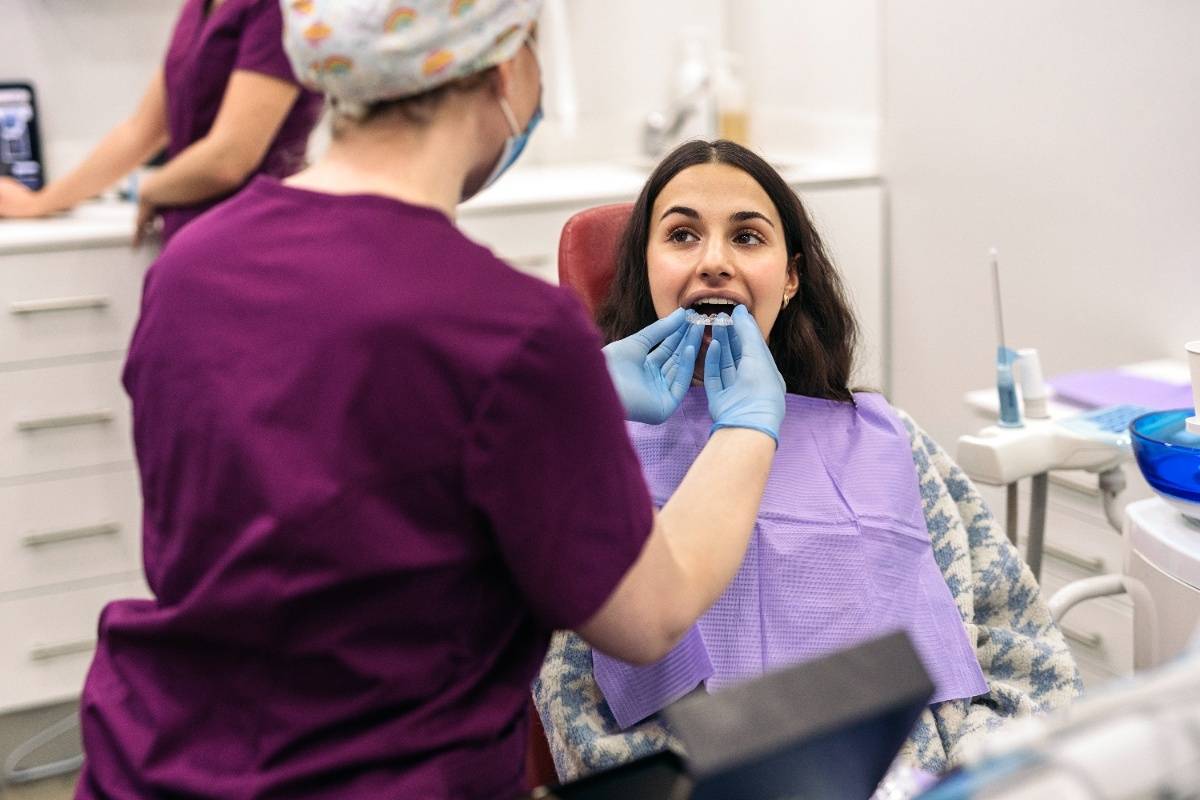

Hey parents! Does your teen’s calendar look less like a schedule and more like a high-stakes game of Tetris? Between soccer practice, band rehearsals, late-night study sessions, and—let’s be honest—trying to maintain a social life, the last thing they need is a high-maintenance addition to their routine.
You’ve probably heard the buzz about Invisalign®, but you might be wondering: Is it really practical for a teenager? Can they actually handle the responsibility? And is it actually as effective as the metal braces we grew up with? If you’re nodding your head, you’re in the right place. Let’s dive into why clear aligners are becoming the “gold standard” for modern American teens and how they fit into a lifestyle that never seems to slow down.
Why Clear Aligners Are a Game-Changer for Teens
In the U.S. today, orthodontic care is no longer limited to metal brackets and elastic bands. Clear aligners have surged in popularity across age groups, with teens increasingly represented among those choosing this modern option.
Data shows that 84% of prospective teen patients prefer Invisalign over traditional braces when given a choice—primarily due to aesthetics and social confidence.
And that preference isn’t just anecdotal—clear aligners are becoming a major force in orthodontics:
- Teens and kids account for millions of Invisalign patients, with over 6.5 million teens and growing kids in the program.
- In recent years, Invisalign shipments for teens and kids have grown year over year—868,000 teen aligner cases shipped in one year alone.
This adoption trend reflects a broader shift: parents and teens are choosing treatments that are effective, discreet, and better suited to active lifestyles.
Busy Schedules, Big Smiles: Lifestyle Benefits of Invisalign
One of the biggest reasons teens gravitate toward clear aligners is how well they integrate into busy lives. Teens today juggle school, sports, jobs, social life—you name it. Traditional braces often come with limitations that can feel like obstacles to these activities.
Here’s where clear aligners shine:
Removable for Real Life
Unlike fixed braces, clear aligners can be removed when needed. That means:
- Your teen can eat whatever they want—pizza night? No problem.
- They can play contact sports with less concern about wires poking their lips or cheeks.
- Flossing and brushing are easier without brackets in the way.
This flexibility makes treatment feel less disruptive—something real teens and parents appreciate.
Fewer Office Visits
Traditional braces require frequent check-ins for tightening and adjustments. Invisalign systems typically require professional supervision only every 10–12 weeks, giving families more time for school projects and weekend plans.
This is especially helpful for families with hectic calendars; fewer trips to the orthodontist mean less stress over coordinating schedules.
Confidence and Self-Image
Adolescence is a time when appearance matters. Research and surveys consistently show that teens feel more confident with clear aligners than with metal braces.
Studies report that a significant portion of teens feel embarrassed by metal braces, while clear aligners boost confidence because they’re nearly invisible.
This boost isn’t just about selfies—it can contribute to positive social experiences and reduced self-consciousness in classrooms, social events, and team environments.
How Invisalign Works: Technology Meets Teen Smiles
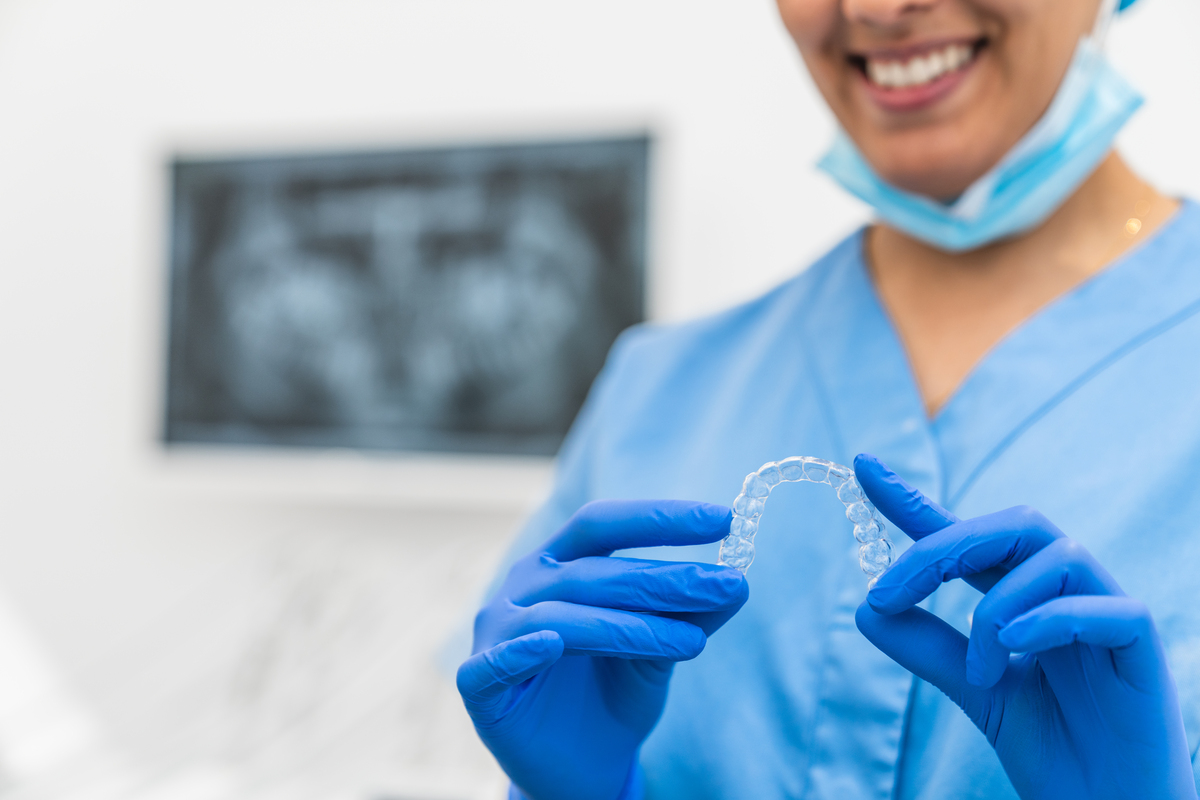
The science behind Invisalign may sound high-tech, but the concept is simple: a series of custom-made, transparent trays gradually shifts teeth into the desired position. Each aligner is worn for roughly 20-22 hours a day and then replaced with the next set in the series.
Here’s what makes Invisalign uniquely teen-friendly:
- Compliance Indicators: Invisalign Teen aligners include special wear indicators (small blue dots) that fade as the aligner is worn. This helps parents and orthodontists track daily wear time—critical to success.
- SmartTrack Material: Made with medical-grade thermoplastic, Invisalign aligners are designed for comfort and precision. The material is FDA-cleared and free from common irritants, making it a safe choice for long-term use in the mouth.
- Digital Planning and Remote Monitoring: Your certified Orthodontist in Dallas uses digital scans and treatment planning software to map out a personalized tooth-movement journey, so teens can visualize their progress. In many practices, remote monitoring technologies even allow parents and doctors to check progress without frequent office visits.
Are Invisalign Results as Good as Braces?
This is one of the most important questions parents ask—and the answer is encouraging.
Clinical data suggests that Invisalign can be just as effective as traditional braces for mild to moderate tooth alignment issues, with effectiveness rates frequently reported around 88–90%.
While severe bite misalignments may still require traditional braces, many teens with crowding, spacing, or minor bite concerns see excellent outcomes with aligners.
Additionally:
- Invisalign treatments often finish faster on average than braces, with many teens completing treatment in 12–18 months.
- Research shows that orthodontic therapy with aligners may require less chair time and fewer emergency visits than braces.
That’s good news for busy families and teens still navigating homework and weekend activities.
Is Invisalign Worth the Investment?
- Insurance plans and flexible payment options often apply to both treatments.
For many families, the value comes down to lifestyle fit. If a teen’s schedule is packed and maintaining oral hygiene with braces feels overwhelming, a clear aligner option may offer a better quality-of-life match.
Conclusion
Clear aligners like Invisalign for teens aren’t just a cosmetic choice—they’re a lifestyle solution. With strong adoption rates among young patients, high satisfaction, fewer disruptions, and comparable clinical success to traditional braces, they offer a compelling path for families navigating busy schedules and confident self-images.
Whether your teen is an athlete, musician, student-leader, or all of the above, clear aligners provide a flexible, discreet, and effective way to straighten teeth and build confidence—one tray at a time.
Are clear aligners the right choice for your teenager? The answer depends on their orthodontic needs and how they live their lives. With modern orthodontic advancements, there’s more than one way to achieve a beautiful, healthy smile.
Frequently Asked Questions
1. Do Invisalign clear aligners work as well as braces for teens?
Yes, for mild to moderate alignment issues, Invisalign has effectiveness rates close to traditional braces (about 88–90%), with many teens completing treatment in 12–18 months.
2. How long do teens need to wear clear aligners each day?
To be effective, aligners should be worn about 20–22 hours per day. Removability is a key benefit, but consistent wear ensures progress.
3. Are there food restrictions with Invisalign?
No. Because aligners are removed before eating, teens can enjoy all their favorite foods without brackets or wires getting in the way.
4. Will Invisalign interfere with sports or musical activities?
Clear aligners are removable, so teens can take them out during sports, performances, or practice—making them compatible with most activities.
5. How often do teens need orthodontist visits during Invisalign treatment?
Typically, Invisalign appointments are scheduled every 10–12 weeks, reducing disruptions to school and activities.