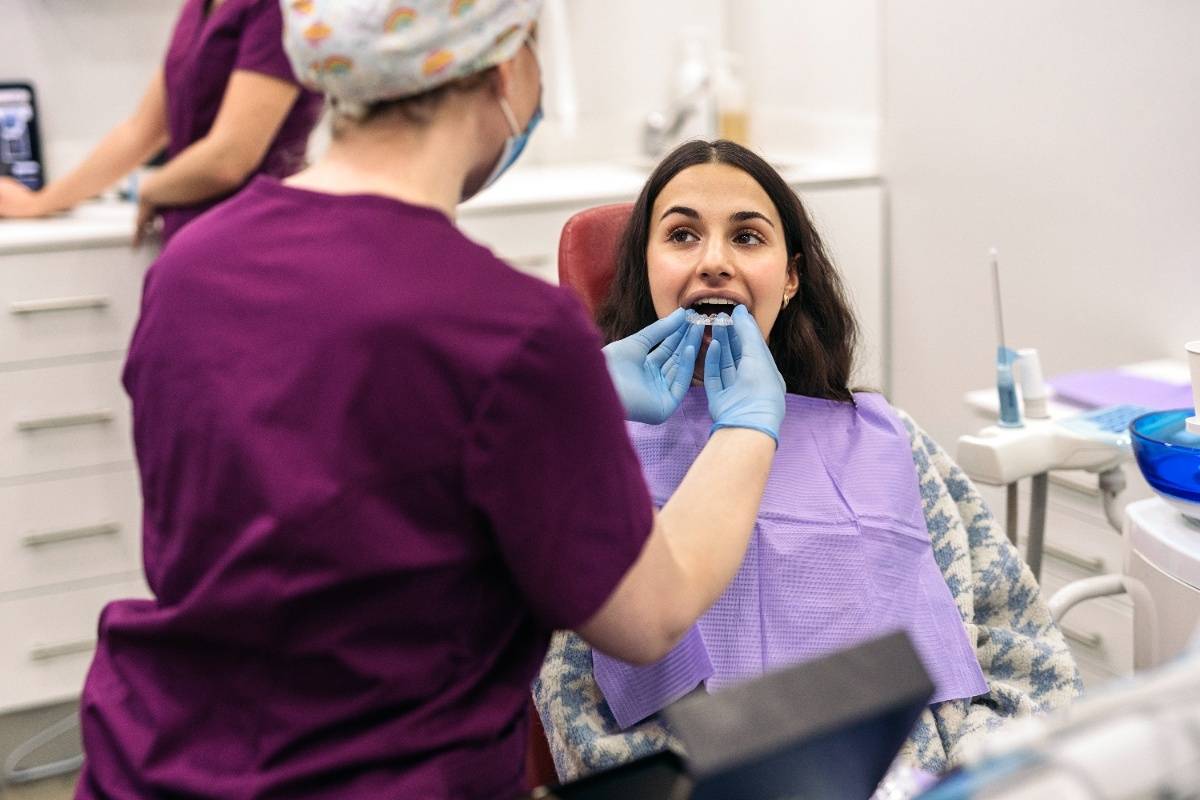


Have you recently started orthodontic treatment—or are you considering braces—and wondering how long it will take before you see a straighter smile? You’re not alone. One of the most common questions patients ask during an orthodontic consultation is: “How long do dental braces take to work?” Whether you’re a teenager preparing for school photos, a college student looking to boost your confidence, or an adult finally investing in your smile, understanding the braces timeline can help set realistic expectations.
The good news is that braces begin working almost immediately after they’re placed. However, visible changes take time. Most patients start noticing improvements within 6 to 12 weeks, while complete treatment typically takes 18 to 24 months, depending on the case’s complexity. According to the American Association of Orthodontists (AAO), treatment times can range from as little as 12 months for minor corrections to 36 months or longer for severe orthodontic issues.
In the United States, orthodontic treatment remains one of the most effective ways to improve oral health, bite function, and smile aesthetics. The AAO reports that nearly 4 million Americans currently wear braces, and approximately 25% of orthodontic patients are adults.
In this guide, we’ll explain how braces work, when you can expect results, factors that affect treatment length, and how to keep your treatment on schedule.
How Do Dental Braces Work?
Dental braces apply gentle, continuous pressure to gradually move teeth into their ideal positions.
The system typically consists of:
- Brackets attached to teeth
- Archwires connecting the brackets
- Elastic bands (in some cases)
- Additional orthodontic appliances when needed
The pressure applied by braces stimulates a biological process called bone remodeling. As pressure is applied, bone tissue breaks down on one side of the tooth and rebuilds on the other, allowing teeth to move gradually.
Research published by the National Institutes of Health (NIH) confirms that orthodontic tooth movement depends on controlled bone remodeling and cellular responses around the tooth roots.
Unlike cosmetic procedures that produce immediate results, orthodontic treatment requires patience because the body needs time to move teeth through bone safely.
How Soon Do Braces Start Working?
Many patients assume braces won’t start working for several weeks.
In reality, tooth movement begins almost immediately.
Once braces are adjusted, controlled pressure begins to influence tooth position within hours.
Typical Braces Timeline
| Time After Placement | What Happens |
| First Few Days | Teeth begin responding to pressure |
| 1–4 Weeks | Mild movement starts |
| 6–12 Weeks | Visible changes often appear |
| 3–6 Months | Significant alignment improvements |
| 12–24 Months | Most treatments completed |
| 24–36 Months | Complex cases completed |
Many patients notice subtle improvements within the first two months, especially if they have spacing issues or mild crowding.
What Is the Average Braces Treatment Time?
According to the American Association of Orthodontists, the average braces treatment in Dallas lasts approximately 22 months.
However, treatment times vary significantly based on individual needs.
Average Treatment Durations
| Case Complexity | Estimated Treatment Time |
| Mild Cases | 6–12 Months |
| Moderate Cases | 12–24 Months |
| Complex Cases | 24–36 Months |
A personalized orthodontic evaluation is the best way to determine your expected timeline.
Factors That Affect How Long Braces Take to Work
Several important factors influence how quickly braces produce results.
1. Severity of Misalignment
The biggest factor is the complexity of your orthodontic problem.
Mild Cases
These may include:
- Small gaps
- Slight crowding
- Minor tooth rotations
Treatment may be completed in less than a year.
Moderate Cases
These often involve:
- Noticeable crowding
- Larger spacing issues
- Mild bite concerns
Treatment commonly lasts 18–24 months.
Complex Cases
These may include:
- Severe crowding
- Significant overbite
- Underbite
- Crossbite
- Jaw alignment issues
These cases often require two or more years of treatment.
2. Patient Age
Orthodontic treatment works at virtually any age.
However, younger patients often experience faster tooth movement because their jawbones are still developing.
According to the American Association of Orthodontists (AAO), children typically receive orthodontic evaluations by age seven, allowing early intervention when needed.
That said, adults routinely achieve excellent outcomes with braces.
The increasing number of adult orthodontic patients demonstrates that age alone does not prevent successful treatment.
3. Type of Braces
Different orthodontic systems may influence treatment efficiency.
- Traditional Metal Braces: These remain the most common and often the most effective option for complex cases.
- Ceramic Braces: Ceramic braces function similarly to metal braces but offer improved aesthetics.
- Self-Ligating Braces: These systems use specialized clips instead of elastic bands. Some studies suggest self-ligating braces may reduce appointment times, although overall treatment durations are often similar.
- Lingual Braces: Placed behind the teeth, lingual braces provide a discreet option but may require longer adjustment periods.
4. Patient Compliance
One of the most overlooked factors in treatment success is patient cooperation.
Patients who consistently follow instructions often finish treatment sooner.
Examples include:
- Wearing elastics as directed
- Maintaining appointments
- Avoiding prohibited foods
- Practicing good oral hygiene
Missed appointments and poor compliance frequently extend treatment times.
5. Oral Health
Healthy gums and supporting bone structures allow teeth to move more predictably.
Conditions such as:
- Gum disease
- Chronic inflammation
- Untreated cavities
Can interfere with orthodontic progress.
According to the CDC, nearly half of American adults over age 30 have some form of periodontal disease, highlighting the importance of maintaining gum health during treatment.
What Happens During Each Stage of Braces Treatment?
Understanding treatment phases helps patients recognize progress.
Stage 1: Initial Alignment
Months 1–6
Goals include:
- Straightening crooked teeth
- Reducing crowding
- Closing minor gaps
This stage often produces the most visible changes.
Stage 2: Bite Correction
Months 6–18
Attention shifts toward:
- Overbites
- Underbites
- Crossbites
- Jaw relationships
Bite improvements may be less noticeable visually but are crucial for long-term function.
Stage 3: Finishing and Detailing
Months 18–24+
The orthodontist focuses on:
- Fine-tuning alignment
- Improving symmetry
- Optimizing bite contacts
Small adjustments during this stage significantly impact final results.
Signs Your Braces Are Working
Many patients worry that treatment is progressing too slowly.
Common signs of progress include:
- Teeth Looking Straighter: Even small changes indicate movement.
- Gaps Closing: Spacing often improves relatively quickly.
- Bite Feeling Different: Changes in chewing patterns may occur as teeth reposition.
- Tightness After Adjustments: Mild soreness often indicates active tooth movement.
- Orthodontist Reports Progress: Regular checkups help confirm treatment is advancing as planned.
What Can Slow Down Braces Treatment?
Several factors may extend treatment time.
Poor Elastic Wear
Patients instructed to wear rubber bands must do so consistently.
Failure to wear elastics is one of the leading causes of treatment delays.
Broken Brackets
Damaged brackets reduce the effectiveness of orthodontic forces.
Common causes include:
- Hard foods
- Sticky candies
- Ice chewing
Missed Appointments
Regular adjustments are essential for maintaining momentum.
Missing visits can add months to treatment.
Poor Oral Hygiene
Plaque buildup and gum inflammation can interfere with tooth movement.
The American Dental Association recommends:
- Brushing twice daily
- Daily flossing
- Routine dental cleanings
during orthodontic treatment.
How to Help Braces Work Faster
While you can’t rush biology, you can maximize treatment efficiency.
- Follow Orthodontic Instructions: Compliance remains the most important factor.
- Wear Elastics Consistently: Rubber bands only work when worn.
- Maintain Excellent Oral Hygiene: Healthy gums support healthier tooth movement.
- Attend Every Appointment: Regular adjustments keep treatment progressing.
- Avoid Damaging Foods: Doing so helps protect brackets and prevents unnecessary setbacks.
Long-Term Benefits of Braces
Braces offer more than cosmetic improvements.
Research published in the Journal of Orthodontics shows orthodontic treatment may contribute to:
- Improved oral hygiene
- Better chewing function
- Reduced tooth wear
- Enhanced bite alignment
- Increased self-confidence
For many patients, these benefits last a lifetime when retention protocols are followed.
Why Local Patients Continue Choosing Braces
Despite the popularity of clear aligners, traditional braces remain one of the most trusted orthodontic treatments in the United States.
Patients appreciate:
- Proven effectiveness
- Predictable outcomes
- Ability to treat complex cases
- Long-term stability
- Continuous treatment without relying on the patient’s memory
For many families, braces continue to provide excellent value and reliable results.
Conclusion
So, how long do dental braces take to work?
Braces begin moving teeth almost immediately after placement, but visible improvements typically appear within 6 to 12 weeks. Most patients complete treatment in 18 to 24 months, although mild cases may finish sooner and complex cases can take longer.
The exact timeline depends on several factors, including the severity of misalignment, age, oral health, treatment type, and patient compliance.
The key to achieving the best results is consistency. Following your orthodontist’s instructions, attending appointments, maintaining excellent oral hygiene, and protecting your braces can help keep treatment on schedule.
If you’re considering braces or have recently started treatment, speak with your local Dallas orthodontist about your personalized timeline and what you can expect throughout the process. A straighter, healthier smile is an investment that can provide benefits for decades to come.
Frequently Asked Questions
1. How soon will I notice changes from braces?
Most patients begin noticing visible improvements within 6 to 12 weeks, although tooth movement starts much earlier.
2. What is the average length of braces treatment?
The average treatment time is approximately 22 months, according to the American Association of Orthodontists.
3. Can braces work in less than a year?
Yes. Mild orthodontic cases involving minor spacing or crowding may be completed in 6 to 12 months.
4. Do braces work faster for children than adults?
Children and teenagers may experience slightly faster tooth movement due to ongoing jaw development, but adults can achieve equally successful results.
5. What happens if I don’t wear my rubber bands?
Failure to wear elastics as instructed can significantly delay treatment and may extend your overall braces timeline.