
Does your child wake up with a sore jaw or complain that their teeth hurt in the morning? Have you noticed grinding noises while they sleep or wondered whether crooked teeth are putting extra strain on their bite? These are common concerns for parents, and they often lead to one important question: Can braces help?
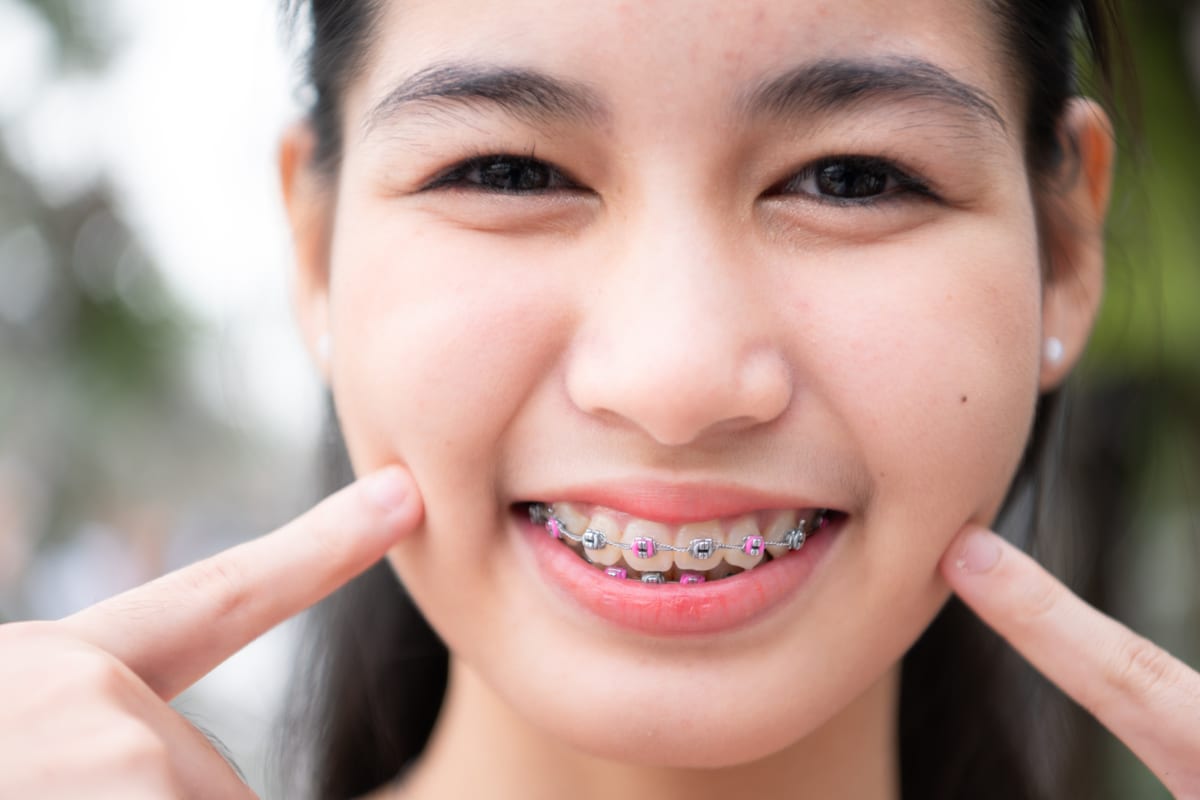
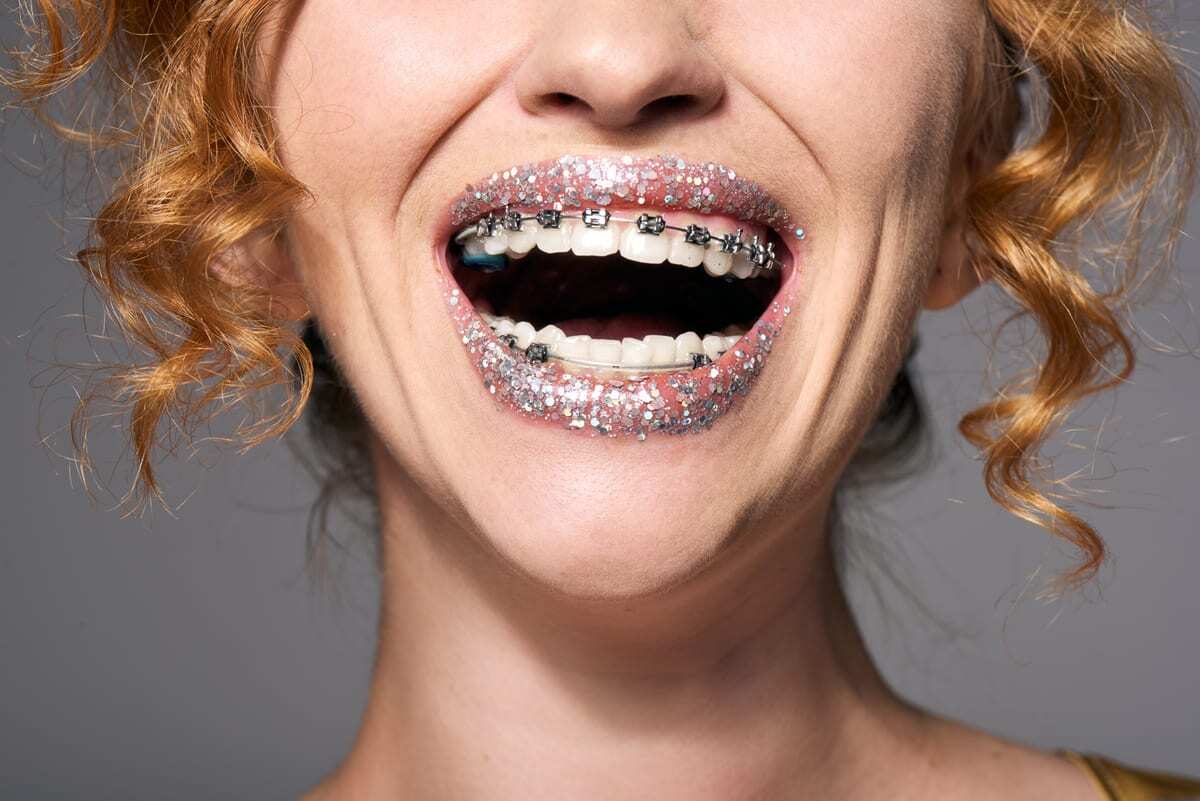
The answer isn’t always straightforward. While braces can correct bite problems and improve tooth alignment, they are not considered a direct treatment for teeth grinding (bruxism). However, for some children with significant bite irregularities, orthodontic treatment may reduce abnormal forces on the teeth and improve jaw function as part of a comprehensive treatment plan.
Teeth grinding is relatively common in children. According to the American Academy of Pediatric Dentistry (AAPD), one study involving 854 patients younger than 17 years reported a 38% prevalence of bruxism, although not every child experiences symptoms or requires treatment.
Understanding the relationship between braces, teeth grinding, and jaw pain can help you make informed decisions about your child’s oral health.
What Is Teeth Grinding in Children?
Teeth grinding, also known as bruxism, is the unconscious clenching or grinding of teeth. It often occurs during sleep, although some children grind their teeth during the day.
Common signs include:
- Grinding noises while sleeping
- Morning jaw soreness
- Frequent headaches
- Worn or flattened teeth
- Sensitive teeth
- Facial muscle fatigue
Many younger children outgrow bruxism, but persistent grinding can damage permanent teeth and contribute to jaw discomfort.
What Causes Teeth Grinding?
There is no single cause of bruxism. Instead, several factors may contribute, including:
- Emotional stress or anxiety
- Sleep disturbances
- Airway or breathing issues
- Certain medications
- Bite irregularities (malocclusion)
- Neurological factors
The AAPD emphasizes that the relationship between bite problems and temporomandibular disorders (TMD) is relatively weak, and orthodontic treatment should not be viewed as a universal treatment for jaw pain or grinding.
Can Braces Help Reduce Teeth Grinding?
In some situations, yes—but indirectly.
If a child has significant bite problems, braces may improve how the teeth fit together. Better bite alignment can reduce excessive pressure on certain teeth during chewing and may improve overall jaw function.
However, current evidence does not support the use of braces solely to treat bruxism. Since teeth grinding often has multiple causes, treatment may also involve stress management, sleep evaluation, or other dental therapies.
How Braces May Help Protect Your Child’s Teeth
Even if braces do not eliminate grinding, they can provide several long-term oral health benefits.
Improve Bite Alignment
Correcting an overbite, underbite, crossbite, or severe crowding allows chewing forces to be distributed more evenly across the teeth.
Potential benefits include:
- Reduced uneven tooth wear
- Improved chewing efficiency
- Better long-term tooth function
- Easier cleaning between teeth
Reduce Excessive Tooth Wear
Children who grind their teeth may gradually wear down enamel.
Proper alignment can help minimize additional wear from uneven contact between teeth, although a night guard or other therapies may still be recommended if grinding persists.
Improve Jaw Function
Misaligned teeth sometimes force the jaw to function less efficiently.
Orthodontic treatment may improve:
- Bite stability
- Chewing comfort
- Muscle balance
- Overall oral function
It’s important to remember that children with persistent jaw pain should receive a comprehensive evaluation, since jaw pain can have many causes beyond tooth alignment.
Benefits of Braces for Growing Smiles
While braces are not a cure for teeth grinding, correcting orthodontic problems early can improve your child’s overall oral health and reduce the risk of future dental complications.
Easier Brushing and Flossing
Crowded or overlapping teeth create tight spaces where plaque and food particles can collect.
After orthodontic treatment, properly aligned teeth are generally easier to clean, helping children maintain better oral hygiene.
According to the National Institute of Dental and Craniofacial Research (NIDCR), approximately 57% of U.S. adolescents (ages 12–19) have experienced tooth decay in their permanent teeth, highlighting the importance of preventive oral care during childhood and adolescence.
Better alignment does not prevent cavities on its own, but it can make brushing and flossing more effective.
2. Reduced Risk of Uneven Tooth Wear
When teeth do not fit together correctly, certain teeth absorb more pressure during chewing.
Over time, this may lead to:
- Flattened teeth
- Chipped enamel
- Small fractures
- Increased tooth sensitivity
Orthodontic treatment helps Braces for Kids in Dallas distribute biting forces more evenly, protecting natural teeth from unnecessary wear.
3. Better Speech Development
Some bite problems affect the way children pronounce certain sounds.
Correcting severe orthodontic issues may improve speech clarity in some children, particularly when treatment is combined with speech therapy if needed.
Every child is different, and orthodontic treatment is not recommended solely for speech concerns, but it may contribute to improved oral function.
4. Increased Confidence
Although the primary goal of braces is improving oral health and function, many children also experience greater confidence after treatment.
Research has shown that adolescents with healthier smiles often report improved self-esteem and greater satisfaction with their appearance.
Improved confidence may positively influence:
- School participation
- Social interactions
- Smiling in photos
- Overall quality of life
When Should Parents Schedule an Orthodontic Evaluation?
The American Association of Orthodontists (AAO) recommends that children have their first orthodontic evaluation by age 7.
An early evaluation allows an orthodontist to identify:
- Bite problems
- Crowding
- Jaw growth concerns
- Developing alignment issues
Early evaluation does not always mean immediate treatment. In many cases, the orthodontist monitors growth and recommends the best time to begin braces if needed.
Tips for Parents if Your Child Grinds Their Teeth
If you suspect your child has bruxism, consider the following steps:
- Schedule a dental examination.
- Ask whether an orthodontic evaluation is appropriate.
- Encourage good sleep habits.
- Help reduce stress and anxiety when possible.
- Limit caffeine-containing beverages for older children and teens.
- Report persistent jaw pain, headaches, or worn teeth to your dentist.
Your dentist may recommend monitoring the condition, additional testing, or referral to a pediatric specialist depending on the cause.
Conclusion
Braces can play an important role in improving your child’s oral health by correcting bite problems, straightening teeth, and creating a healthier, more functional smile. However, they are not considered a primary treatment for teeth grinding or jaw pain.
For children whose grinding is related to significant bite irregularities, orthodontic treatment may help reduce abnormal biting forces and improve jaw function as part of a comprehensive care plan. Since bruxism often has multiple causes—including stress, sleep disturbances, and other medical or dental factors—a complete evaluation is essential before treatment begins.
If your child wakes up with jaw discomfort, shows signs of worn teeth, or grinds their teeth regularly during sleep, scheduling an evaluation with your Dallas family orthodontist can help identify the underlying cause and determine the most appropriate treatment.
Frequently Asked Questions
1. Can braces stop my child from grinding their teeth?
Not necessarily. Braces are not designed to treat bruxism directly. However, if bite problems contribute to excessive pressure on the teeth, orthodontic treatment may improve overall bite function.
2. What causes teeth grinding in children?
Common causes include stress, anxiety, sleep disorders, airway issues, certain medications, and, in some cases, bite irregularities. Many children outgrow nighttime grinding without treatment.
3. Are jaw pain and teeth grinding always related?
No. Jaw pain can result from muscle strain, temporomandibular disorders (TMD), injury, or other conditions. A dental evaluation can help determine the cause.
4. At what age should my child see an orthodontist?
The American Association of Orthodontists recommends an initial orthodontic evaluation by age 7, even if braces are not immediately needed.
5. How can I protect my child’s teeth if they grind at night?
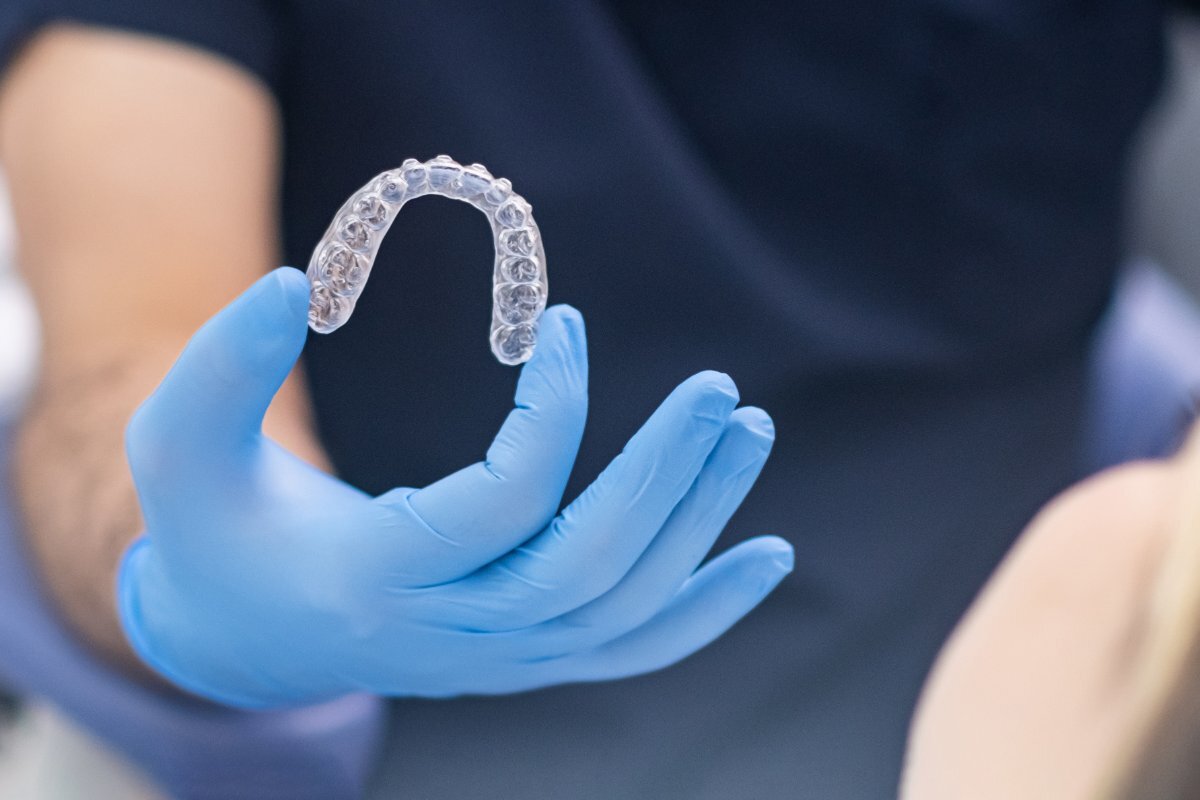
Your dentist may recommend monitoring the condition, improving sleep habits, managing contributing factors, or, in some cases, using a custom oral appliance for older children or teens. The appropriate treatment depends on your child’s age, symptoms, and underlying cause.