

If you’re getting braces soon, you’re probably asking one question more than any other: “Do braces hurt?“ Whether you’re a teenager preparing for your first orthodontic appointment or an adult finally deciding to straighten your teeth, it’s completely normal to feel a little nervous about discomfort.
The good news is that braces are far less painful than many people expect. While you may experience mild soreness, pressure, or irritation after your braces are first placed or adjusted, these symptoms are usually temporary and manageable. In fact, the discomfort you feel often signals that your braces are working as intended—gently moving your teeth into healthier, more functional positions.
According to the American Association of Orthodontists (AAO), approximately 4 million people wear braces in the United States each year, and nearly 25% of orthodontic patients are adults. Modern orthodontic technology—including smaller brackets, heat-activated archwires, and digital treatment planning—has made braces significantly more comfortable than they were in the past.
Clinical research published in the American Journal of Orthodontics and Dentofacial Orthopedics shows that orthodontic discomfort usually peaks within the first 24 to 48 hours after braces are placed or adjusted and gradually decreases over the next several days.
In this comprehensive guide, you’ll learn why braces can cause temporary discomfort, the most common side effects, how long they last, effective pain relief strategies, and when it’s important to contact your orthodontist.
How Do Braces Work?
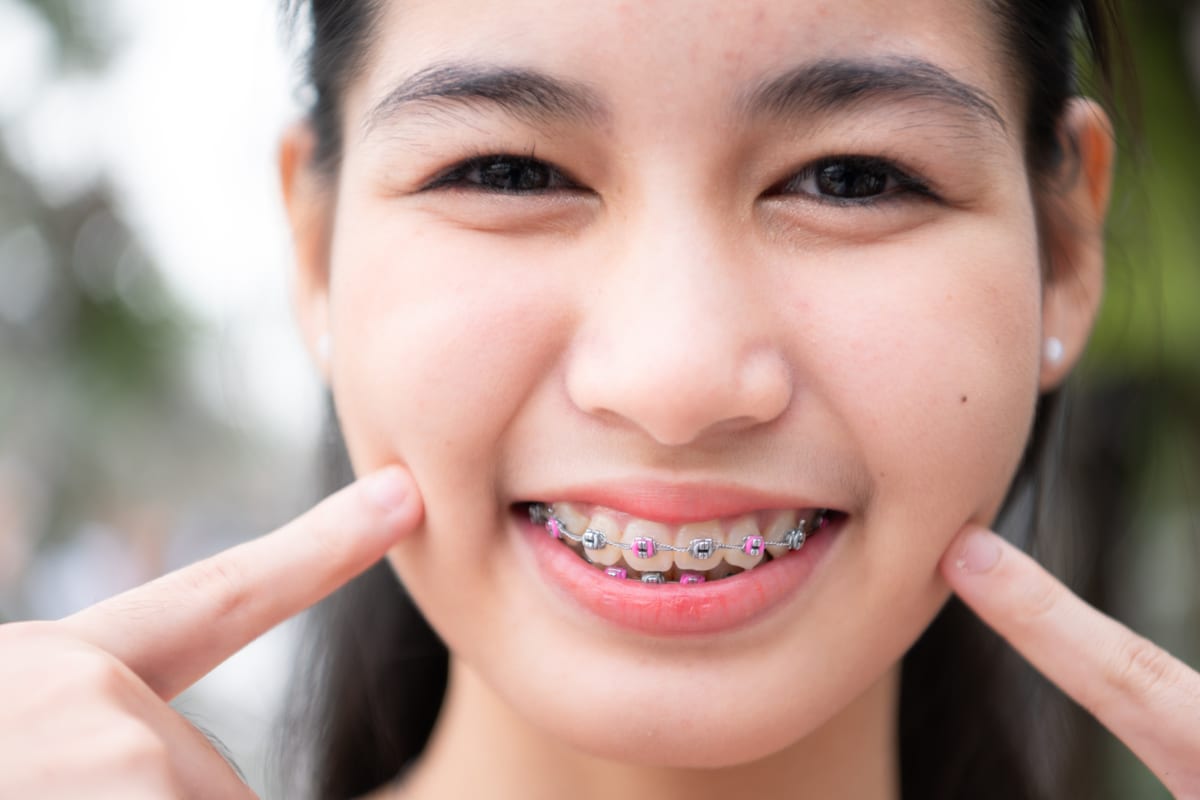
Braces in Dallas gradually move teeth by applying gentle, continuous pressure.
The main components include:
- Brackets bonded to the teeth
- Archwires that guide tooth movement
- Elastic ligatures or self-ligating clips
- Rubber bands (when needed)
As gentle force is applied, the bone surrounding each tooth undergoes a natural process called bone remodeling. Bone breaks down on one side of the tooth and rebuilds on the other, allowing the tooth to move safely into its new position.
This biological process is the primary reason patients experience temporary soreness.
Orthodontic Treatment Statistics
Braces remain one of the most common dental treatments in the United States.
Recent statistics include:
- Approximately 4 million Americans currently wear braces, according to the American Association of Orthodontists (AAO).
- Nearly 1 million new orthodontic patients begin treatment every year.
- About 25% of orthodontic patients are adults.
- Comprehensive braces treatment typically lasts 18–24 months, depending on case complexity.
- Research indicates that discomfort generally peaks during the first 24–48 hours after braces placement or adjustment.
These numbers highlight that braces are a routine and highly successful treatment for patients of all ages.
Do Braces Hurt?
The answer is yes—but usually only temporarily.
Most patients describe braces discomfort as:
- Mild pressure
- Tender teeth
- Sensitivity while chewing
- Tightness around the teeth
Rather than sharp pain, braces create controlled pressure that allows teeth to move gradually.
Most people find the discomfort manageable and notice improvement within several days.
Common Side Effects of Braces
While braces are safe and effective, they can cause temporary side effects as your mouth adjusts.
1. Tooth Soreness
Tooth soreness is the most common side effect.
It usually occurs:
- After braces are first placed
- After adjustment appointments
- When changing rubber bands
The soreness typically lasts three to five days.
2. Mouth Irritation
Brackets and wires may rub against:
- Cheeks
- Lips
- Tongue
This can cause small sores during the first few weeks.
Orthodontic wax provides an effective barrier while your mouth adapts.
3. Difficulty Chewing
Many patients experience discomfort while eating during the first several days.
Soft foods are usually easier to tolerate until tenderness improves.
4. Jaw Fatigue
As your bite changes, jaw muscles may temporarily feel tired.
This sensation usually resolves naturally.
5. Tooth Sensitivity
Some patients notice sensitivity when consuming:
- Cold beverages
- Ice cream
- Hot foods
The sensitivity is generally short-lived.
6. Speech Changes
Although braces rarely cause significant speech problems, some patients notice slight changes during the first few days.
Most people adapt quickly.
Braces Pain Timeline
First 24 Hours
You may notice:
- Pressure
- Tightness
- Mild soreness
Chewing often feels uncomfortable.
Days 2–3
Discomfort typically reaches its highest level.
Soft foods are recommended.
Days 4–7
Most soreness begins to improve.
Patients become accustomed to the brackets.
After Adjustments
Each adjustment appointment may cause mild tenderness for one to three days.
Most patients find these adjustments much easier than getting braces initially.
Why Does Braces Pain Occur?
The brackets themselves don’t cause the discomfort.
Instead, it results from the biological process of tooth movement.
When gentle pressure is applied:
- Ligaments surrounding the tooth stretch.
- Bone begins remodeling.
- Teeth gradually shift.
Inflammatory chemicals are temporarily released during this process, which explains the tenderness patients often experience.
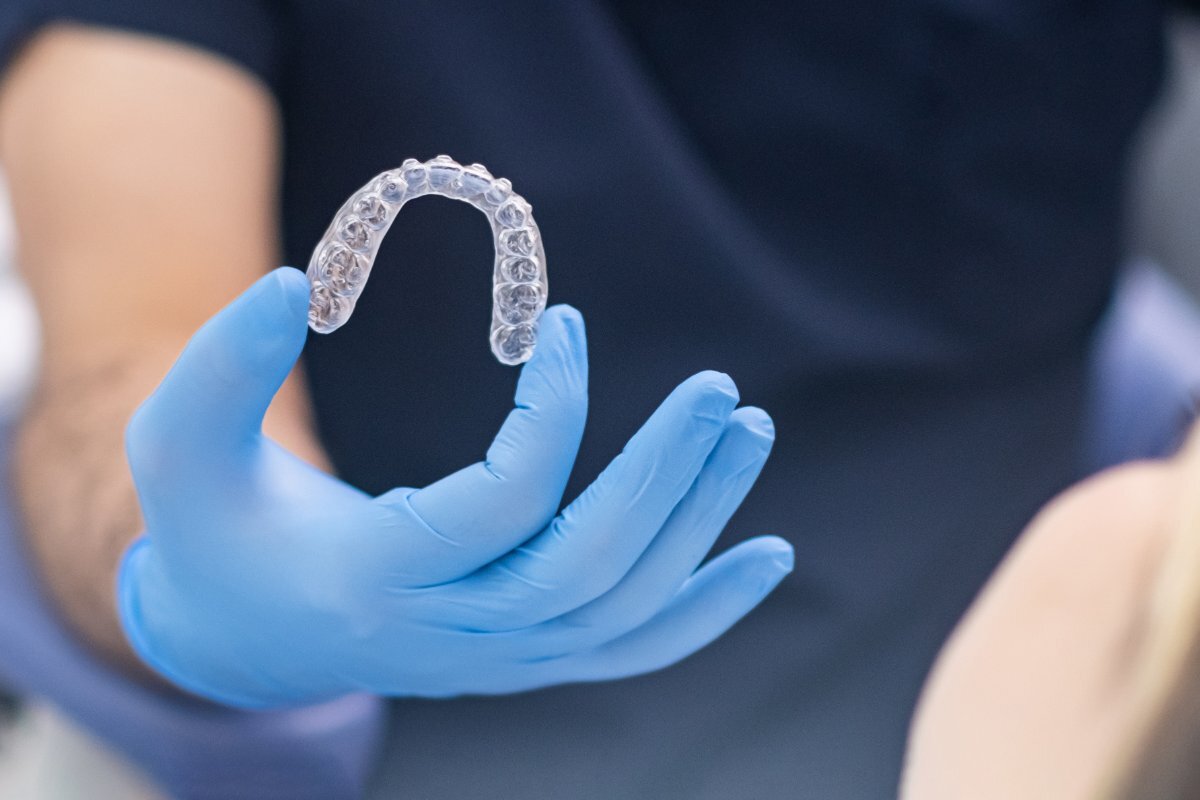
Braces vs. Invisalign: Which Hurts More?
Research suggests that Invisalign patients often report less discomfort than patients wearing fixed braces.
| Feature | Braces | Invisalign |
| Initial soreness | Moderate | Mild–Moderate |
| Mouth sores | More common | Less common |
| Food restrictions | Yes | No (aligners removed for meals) |
| Emergency visits | More frequent | Less frequent |
| Speech changes | Minimal | Temporary lisp possible |
The best treatment depends on your orthodontic needs, not comfort alone.
Pain Relief Tips for Braces
Most brace discomfort can be managed at home.
Eat Soft Foods
Choose foods such as:
- Yogurt
- Mashed potatoes
- Scrambled eggs
- Soup
- Oatmeal
- Pasta
- Smoothies
- Applesauce
Avoid hard or sticky foods that can damage braces.
Use Orthodontic Wax
Wax protects your cheeks and lips from rubbing against brackets.
Most orthodontists provide wax at the beginning of treatment.
Rinse with Warm Salt Water
A simple saltwater rinse can soothe irritated tissues.
Mix:
- ½ teaspoon salt
- 8 ounces of warm water
Rinse gently for about 30 seconds.
Stay Hydrated
Water helps keep your mouth comfortable and supports healthy saliva production.
Brush and Floss Carefully
Maintaining excellent oral hygiene reduces inflammation and lowers the risk of cavities and gum disease.
The American Dental Association (ADA) recommends brushing twice daily with fluoride toothpaste and flossing once a day.
Ask About Pain Relief Medication
If discomfort is significant, your orthodontist may recommend an appropriate over-the-counter pain reliever. Always follow the label instructions and consult your healthcare provider if you have questions about medication use.
Foods to Avoid While Wearing Braces
Protecting your braces also helps avoid unnecessary pain and emergency visits.
Avoid:
- Hard candy
- Ice
- Popcorn
- Nuts
- Caramel
- Sticky taffy
- Chewing gum
- Crunchy chips
Breaking a bracket or wire can interrupt treatment and cause additional discomfort.
When Should You Contact Your Orthodontist?
While mild soreness is expected, contact your orthodontist in Dallas if you experience:
- Severe pain lasting longer than several days
- A broken bracket
- A loose wire
- A wire poking your cheek or gums
- Significant swelling
- Fever
- Signs of infection
Prompt care can prevent treatment delays and additional complications.
Long-Term Benefits of Braces
Although braces involve temporary discomfort, the long-term advantages are substantial.
Benefits include:
- Straighter teeth
- Better bite alignment
- Improved chewing efficiency
- Easier brushing and flossing
- Reduced risk of uneven tooth wear
- Healthier gums
- Enhanced self-confidence
- Improved long-term oral health
Research shows that properly aligned teeth are generally easier to clean, helping reduce plaque buildup and support healthier gums.
Tips for a More Comfortable Orthodontic Journey
To make treatment easier:
- Attend every adjustment appointment.
- Wear rubber bands exactly as instructed.
- Practice excellent oral hygiene.
- Keep orthodontic wax on hand.
- Drink plenty of water.
- Avoid damaging foods.
- Follow all instructions from your orthodontist.
Consistency helps minimize discomfort and keeps treatment progressing as planned.
Common Myths About Braces Pain
Myth 1: Braces Hurt All the Time
Fact: Most discomfort occurs only after placement or adjustments and improves within a few days.
Myth 2: Adults Experience More Pain
Fact: Not necessarily. Pain varies greatly from person to person.
Myth 3: More Pain Means Faster Tooth Movement
Fact: Orthodontists use gentle, controlled forces because excessive pressure can damage teeth and supporting tissues.
Conclusion
Braces can cause temporary discomfort, but for most patients, the soreness is mild, manageable, and short-lived. The first few days after placement or adjustment are typically the most noticeable, but your mouth quickly adapts as treatment progresses. Understanding what to expect and following your orthodontist’s recommendations can make the experience much more comfortable.
The benefits of braces extend beyond straighter teeth. Properly aligned teeth are easier to clean, support a healthier bite, and can contribute to better long-term oral health. If you’re considering braces or have concerns about discomfort during treatment, a consultation can help you understand what to expect and choose an approach suited to your needs.
Visit our dental practice in Dallas to discuss your orthodontic concerns and treatment options. Book now or schedule an appointment with Dr. Benito Benitez for personalized guidance and professional orthodontic care throughout your treatment.
Frequently Asked Questions
1. Do braces hurt when they are first put on?
Most patients experience mild to moderate pressure or soreness within a few hours after braces are placed. The discomfort usually peaks within 24–48 hours and improves over the next several days.
2. How long does braces pain last?
Initial soreness generally lasts three to five days. After adjustment appointments, discomfort often lasts one to three days.
3. What foods should I eat if my braces hurt?
Soft foods such as yogurt, mashed potatoes, oatmeal, soup, scrambled eggs, smoothies, and pasta are good choices during periods of soreness.
4. Are braces more painful than Invisalign?
Many studies suggest Invisalign patients report slightly less discomfort, but both treatments involve temporary pressure as teeth move. The best option depends on your orthodontic needs.
5. When should I call my orthodontist about braces pain?
Contact your orthodontist if you experience severe or worsening pain, broken brackets, poking wires, significant swelling, fever, or signs of infection.