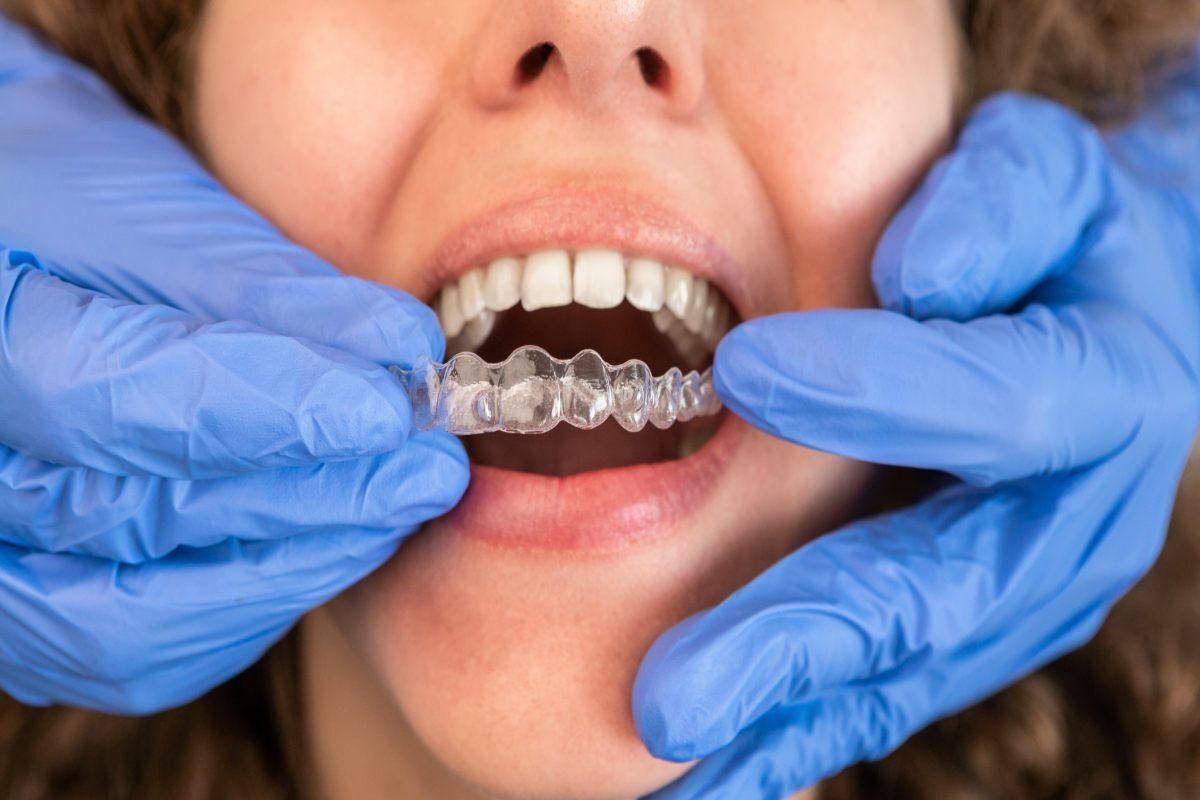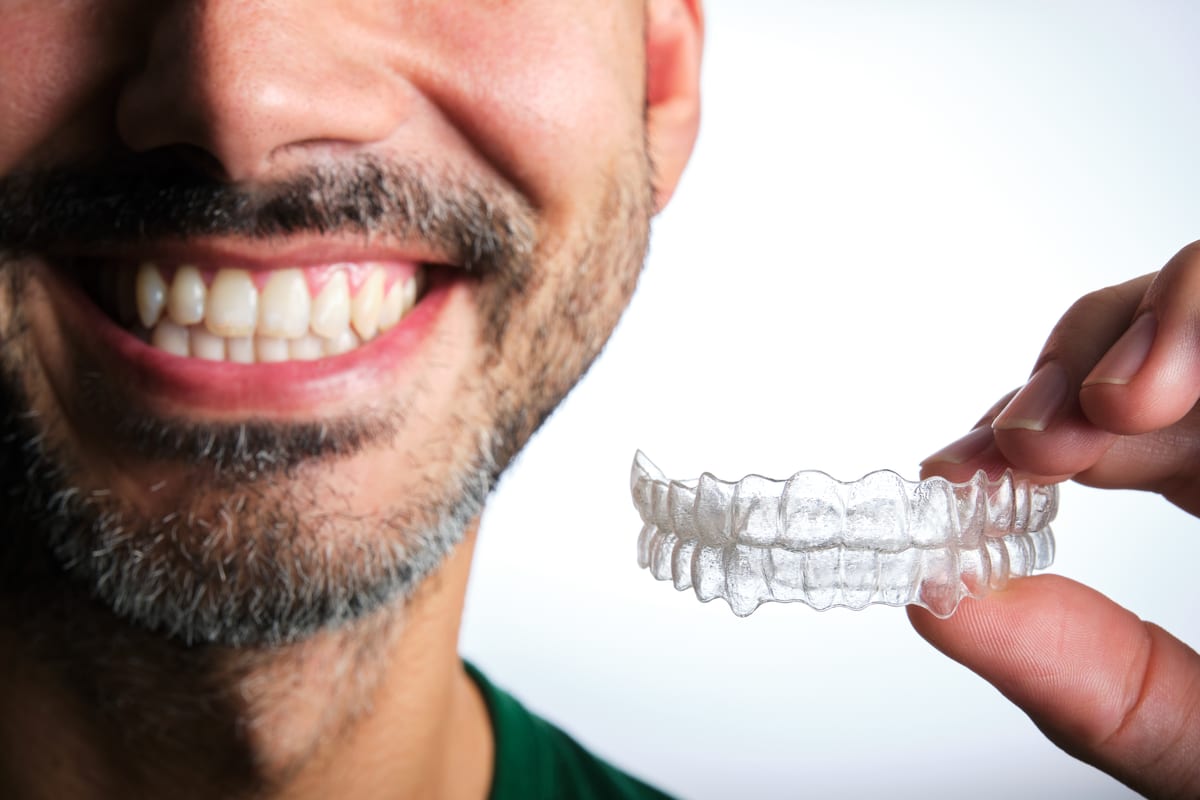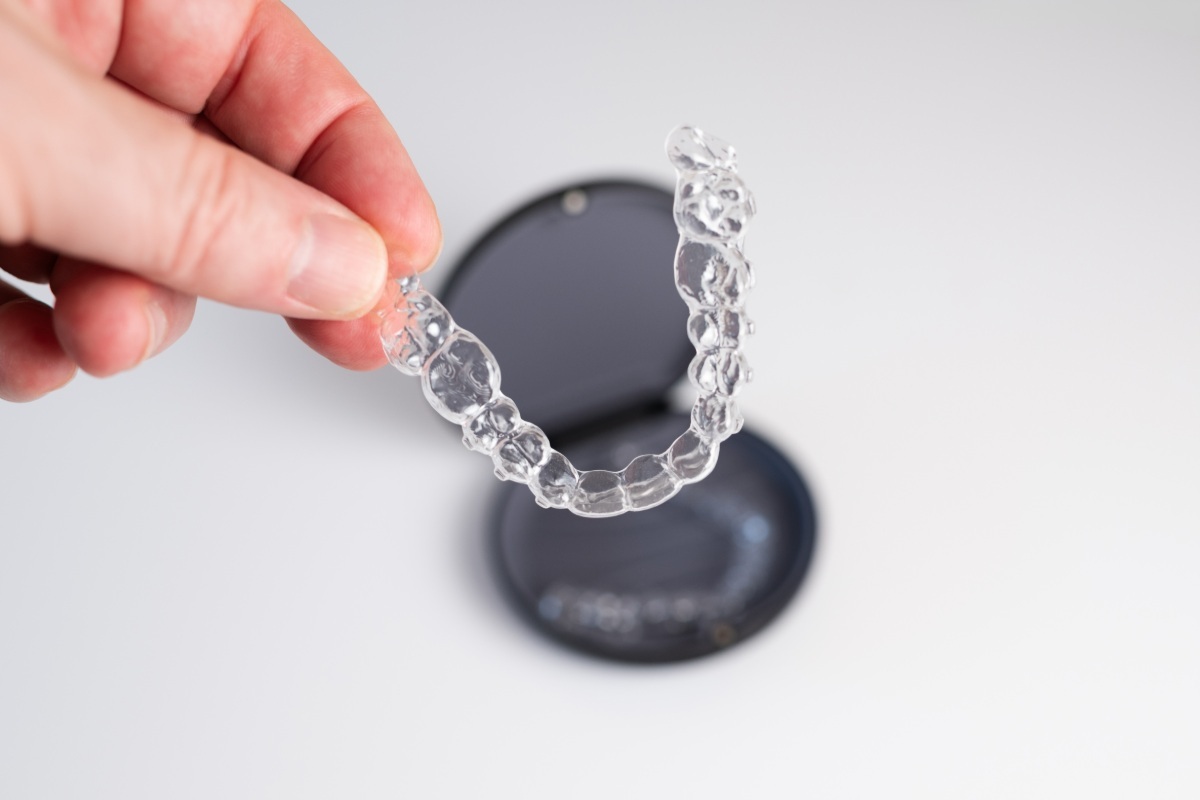
Have you ever taken your Invisalign aligners out after a busy day and noticed your breath doesn’t feel as fresh as usual? Perhaps you brush regularly but still notice an unpleasant odor when you remove your trays. Bad breath during clear aligner treatment can be frustrating, especially when you want to feel confident at work, school, social events, or while spending time with family.
The good news is that bad breath is often manageable with a few consistent habits. Food particles, plaque, bacteria, dry mouth, and improperly cleaned aligners can all contribute to unpleasant breath. Because Invisalign trays fit closely over your teeth, cleaning both your mouth and your aligners is an important part of treatment.
For patients in Dallas, TX, maintaining fresh breath should be part of a healthy orthodontic routine. At Dallas Orthodontics, Dr. Benito Benitez helps patients understand how to care for their clear aligners and protect their oral health throughout treatment. Here are practical ways to prevent bad breath while wearing Invisalign—and signs you may need a dental evaluation.
Invisalign aligners are removable, which makes eating, brushing, and flossing convenient. However, wearing trays for most of the day means you need to pay attention to what happens underneath them.
Bad breath, also called halitosis, often develops when odor-producing bacteria break down food particles and proteins in the mouth. This process can release volatile sulfur compounds (VSCs), which cause many unpleasant breath odors.
The American Dental Association identifies volatile sulfur compounds as major contributors to oral malodor. These compounds can come from bacteria associated with food debris, dental plaque, and oral health problems.
Several factors may contribute to bad breath during Invisalign treatment:
- Food particles left between teeth before inserting aligners.
- Plaque buildup along the gumline.
- Bacteria and residue on poorly cleaned aligners.
- A coated tongue.
- Reduced saliva and dry mouth.
- Gum inflammation or untreated cavities.
Invisalign does not automatically cause chronic bad breath. However, wearing aligners without maintaining good oral hygiene can create conditions that allow unpleasant odors to develop.
1. Brush Your Teeth Before Putting Your Aligners Back In
One of the most effective ways to reduce bad breath is to clean your teeth after eating before reinserting your aligners.
Food particles left between teeth can become trapped beneath the trays. Bacteria then break down the remaining debris, which can produce unpleasant odors.
Make brushing part of your routine after meals whenever practical. Use a soft-bristled toothbrush and fluoride toothpaste, and pay attention to the gumline and the back surfaces of your teeth.
The American Dental Association recommends brushing twice daily for two minutes with fluoride toothpaste. Patients wearing removable aligners should also clean their teeth after meals before putting their trays back in whenever possible.
If you cannot brush immediately after eating, rinse your mouth with water and brush when you can. Avoid leaving your aligners out for extended periods, because consistent wear is important for treatment progress.
2. Floss Daily to Remove Hidden Food Particles
Brushing cleans the visible surfaces of your teeth, but it cannot reliably reach every space between them. Food particles and plaque can remain between teeth, particularly near the gumline.
Flossing once a day helps remove debris from these areas and supports healthier gums. It can also reduce a common source of bad breath.
Try this simple routine:
- Use dental floss or an appropriate interdental cleaner.
- Gently guide it between neighboring teeth.
- Curve the floss around each tooth rather than snapping it against the gums.
- Clean beneath the gumline carefully.
- Rinse your mouth afterward if needed.
If traditional floss is difficult to use, consider floss picks or an interdental cleaner that your dental professional recommends.
The ADA includes daily interdental cleaning as a key part of home oral care. It also emphasizes that individual recommendations may need to be adjusted according to a patient’s oral health needs.
3. Clean Your Invisalign Aligners Every Day
Your aligners spend many hours in contact with your teeth and saliva. If they are not cleaned properly, residue and bacteria can accumulate on their surfaces.
Rinsing your trays whenever you remove them is a helpful first step, but rinsing alone may not remove all buildup.
Follow these cleaning habits:
- Rinse aligners with cool or lukewarm water when removing them.
- Clean them using the method your orthodontist recommends.
- Use an approved aligner-cleaning product if advised.
- Avoid abrasive toothpaste unless your provider specifically recommends it.
- Never use boiling or very hot water, which can distort the plastic.
- Store your trays in their protective case when they are not being worn.
Avoid using household cleaners, bleach, or harsh chemicals on your aligners. These products are not intended for routine in-mouth cleaning.
A clean aligner is important for more than appearance. It also helps prevent unpleasant residue from accumulating while you wear your trays.
4. Clean Your Tongue to Reduce Odor-Causing Bacteria
Your tongue has a textured surface that can collect bacteria, food debris, and dead cells. A coating on the tongue may contribute to bad breath, particularly toward the back of the mouth.
You can gently clean your tongue with a toothbrush or tongue scraper as part of your daily oral hygiene routine.
If you use a scraper, place it toward the back of your tongue and gently move it forward. Rinse the tool between passes. Avoid pressing too hard, as aggressive scraping can irritate the tissue.
Research supports tongue cleaning as a possible way to reduce some indicators of oral malodor. A 2013 systematic review and meta-analysis examined five randomized clinical trials involving 251 participants. It found that adding tongue cleaning to toothbrushing reduced volatile sulfur compound levels and tongue coating compared with toothbrushing alone. However, the researchers noted that more evidence is needed to determine the best cleaning frequency and method.
The ADA notes that tongue cleaning is optional and that evidence does not establish it as a guaranteed way to prevent chronic bad breath. It can be a useful addition if you find it helpful, but it should not replace brushing, flossing, or professional dental care.
5. Drink Enough Water to Prevent Dry Mouth
Saliva helps wash away food particles, neutralize acids, and maintain a healthy oral environment. When saliva production decreases, bacteria and debris may remain in the mouth longer, contributing to bad breath.
Dry mouth can occur for several reasons, including dehydration, certain medications, medical conditions, and lifestyle habits.
The American Dental Association reports that estimates of dry mouth prevalence vary, but previous studies have placed xerostomia at approximately 10% to 33% in different adult populations. A 2018 systematic review cited by the ADA estimated an overall worldwide prevalence of about 22%.
To help manage dryness:
- Drink water regularly throughout the day.
- Choose plain water while wearing your aligners.
- Limit excessive caffeine if it contributes to dryness.
- Avoid tobacco products.
- Ask your dental professional about sugar-free products that stimulate saliva.
- Discuss persistent dry mouth with a healthcare professional.
Do not ignore ongoing dryness. Reduced saliva can increase the risk of tooth decay, enamel demineralization, sensitivity, and oral infections.
6. Avoid Eating or Drinking Sugary Foods With Aligners In
Invisalign aligners should generally be removed before eating and before drinking anything other than plain water. Food and sugary drinks can become trapped between your teeth and trays, creating an environment that encourages bacterial activity.
Sugar matters because oral bacteria use it to produce acids that can contribute to tooth decay. Frequent exposure to sugary drinks and snacks can increase the risk of dental problems.
Try to limit:
- Soda and sweetened iced tea.
- Sports and energy drinks.
- Candy and sticky sweets.
- Sweetened coffee beverages.
- Frequent sugary snacks throughout the day.
Choose water as your regular drink while wearing aligners. After meals, brush your teeth before putting your trays back in whenever possible.
The CDC reports that approximately 1 in 4 adults in the United States has untreated tooth decay. Although this statistic is not specific to Invisalign patients, it illustrates why preventive oral care remains important during orthodontic treatment.
7. Use Mouthwash as an Additional Oral Hygiene Step
An appropriate mouthwash may help manage certain causes of bad breath, but it should not replace brushing and flossing.
The ADA distinguishes between cosmetic mouthrinses, which temporarily mask odor, and therapeutic products, which contain active ingredients intended to help control conditions such as plaque, gingivitis, or bad breath.
If you want to add mouthwash to your routine, consider these points:
- Choose a product appropriate for your oral health needs.
- Look for the ADA Seal of Acceptance when selecting a product.
- Follow the label instructions.
- Ask your dentist whether an alcohol-free formula may be more suitable if you experience dry mouth.
- Do not use prescription mouthwash unless it has been recommended for you.
Some therapeutic rinses contain antimicrobial ingredients that may help control odor-producing bacteria. However, certain formulations can cause staining or taste changes, particularly with prolonged use.
The ADA emphasizes that mouthwash is an addition to—not a substitute for—mechanical cleaning.
8. Keep Up With Your Regular Dental and Orthodontic Appointments
Sometimes bad breath continues even when you brush, floss, and clean your aligners consistently. In these situations, an underlying oral health concern may be responsible.
Possible causes include:
- Gum inflammation or periodontal disease.
- Untreated cavities.
- Food trapped around dental restorations.
- Oral infections.
- Persistent dry mouth.
Routine dental examinations allow your dentist to check for problems that may not be obvious at home. Professional cleanings also remove hardened plaque, known as tartar, that cannot be removed through ordinary brushing.
Your orthodontic appointments serve a different purpose. They allow your orthodontic team to monitor tooth movement, evaluate aligner fit, and discuss concerns about your treatment.
At Dallas Orthodontics, Dr. Benito Benitez can help patients understand how to care for their aligners and when an oral health concern needs further evaluation.
9. Recognize When Bad Breath Needs Professional Attention
Occasional bad breath after eating garlic, onions, or strongly flavored foods is common. However, a persistent odor that doesn’t improve with regular oral hygiene deserves attention.
Contact a dental professional if you experience:
- Bad breath that continues despite careful cleaning.
- Bleeding or swollen gums.
- Tooth pain or sensitivity.
- A persistent unpleasant taste.
- White patches, sores, or unusual changes in your mouth.
- Ongoing dry mouth.
Not every case of halitosis begins in the mouth. Sinus conditions, throat problems, certain medications, and other health concerns can also contribute.
A dental evaluation can help identify whether the source is related to your teeth, gums, tongue, or another oral condition. If the cause appears unrelated to dental health, your dentist may recommend speaking with another healthcare professional.
A Simple Daily Routine for Fresher Breath With Invisalign
Consistency is more useful than relying on mints or mouthwash to cover unpleasant odors. Try organizing your day around a few basic habits.
In the morning
- Remove and clean your aligners.
- Brush for two minutes with fluoride toothpaste.
- Clean between your teeth.
- Gently clean your tongue if needed.
- Rinse your aligners before putting them back in.
After meals
- Remove your aligners before eating.
- Drink water after meals.
- Brush and floss when practical.
- Clean your trays as your orthodontist instructs.
- Put your aligners back in promptly.
Before bed
- Brush thoroughly with fluoride toothpaste.
- Floss between all teeth.
- Clean your tongue if needed.
- Clean your aligners before wearing them overnight.
This routine supports oral hygiene while helping you meet the daily aligner wear time your orthodontist prescribes.
Prevent Bad Breath During Invisalign Treatment in Dallas, TX
Bad breath during Invisalign treatment can often be improved by addressing its source. Cleaning your teeth before reinserting aligners, flossing daily, keeping trays clean, drinking enough water, and attending regular dental appointments can all help.
Remember, persistent bad breath isn’t always caused by aligners. Gum disease, cavities, dry mouth, and other health conditions may need professional attention.
At Dallas Orthodontics, Dr. Benito Benitez helps patients understand the importance of good oral hygiene throughout clear aligner treatment. If you have questions about aligner care, persistent odor, or your orthodontic progress, professional guidance can help you determine the right next step.
Conclusion
Preventing bad breath during Invisalign treatment starts with keeping both your mouth and your aligners clean. Brush with fluoride toothpaste, floss every day, clean your trays as directed, drink water regularly, and avoid wearing aligners while eating or drinking anything other than plain water.
If unpleasant breath continues despite good oral hygiene, do not rely only on mints or cosmetic mouthwash. Persistent odor may indicate gum inflammation, tooth decay, dry mouth, or another concern that needs attention.
At Dallas Orthodontics, Dr. Benito Benitez encourages patients to make oral hygiene a regular part of their orthodontic routine. With consistent care and appropriate professional guidance, you can support fresher breath while working toward your treatment goals.
Visit our dental practice in Dallas, TX. Book now to schedule your appointment with our team.
Frequently Asked Questions
1. What services can I ask about during an orthodontic consultation?
An orthodontic consultation is an opportunity to discuss tooth alignment, bite concerns, and available treatment options. Our orthodontist can review your needs, explain possible approaches, and help you understand the next steps.
2. Can adults receive orthodontic treatment?
Yes. Many adults explore orthodontic treatment to address crowding, spacing, or bite concerns. Our orthodontist can evaluate your teeth and discuss which treatment options best fit your oral health and goals.
3. How often should I attend orthodontic appointments?
Appointment frequency depends on your treatment plan and progress. Our orthodontist will recommend a schedule that allows the team to monitor your aligners, assess tooth movement, and address any concerns.
4. What should I do if my Invisalign aligners feel uncomfortable?
Some pressure is normal when starting a new set of aligners. If you experience significant pain, persistent irritation, or a tray that does not fit properly, contact our dental practice for guidance. Our orthodontist can help determine whether an evaluation is needed.
5. How can I schedule an appointment at Dallas Orthodontics?
Contact our dental practice to ask about available appointment times and consultation details. Our orthodontist can discuss your concerns and help you understand the appropriate next steps for orthodontic care.