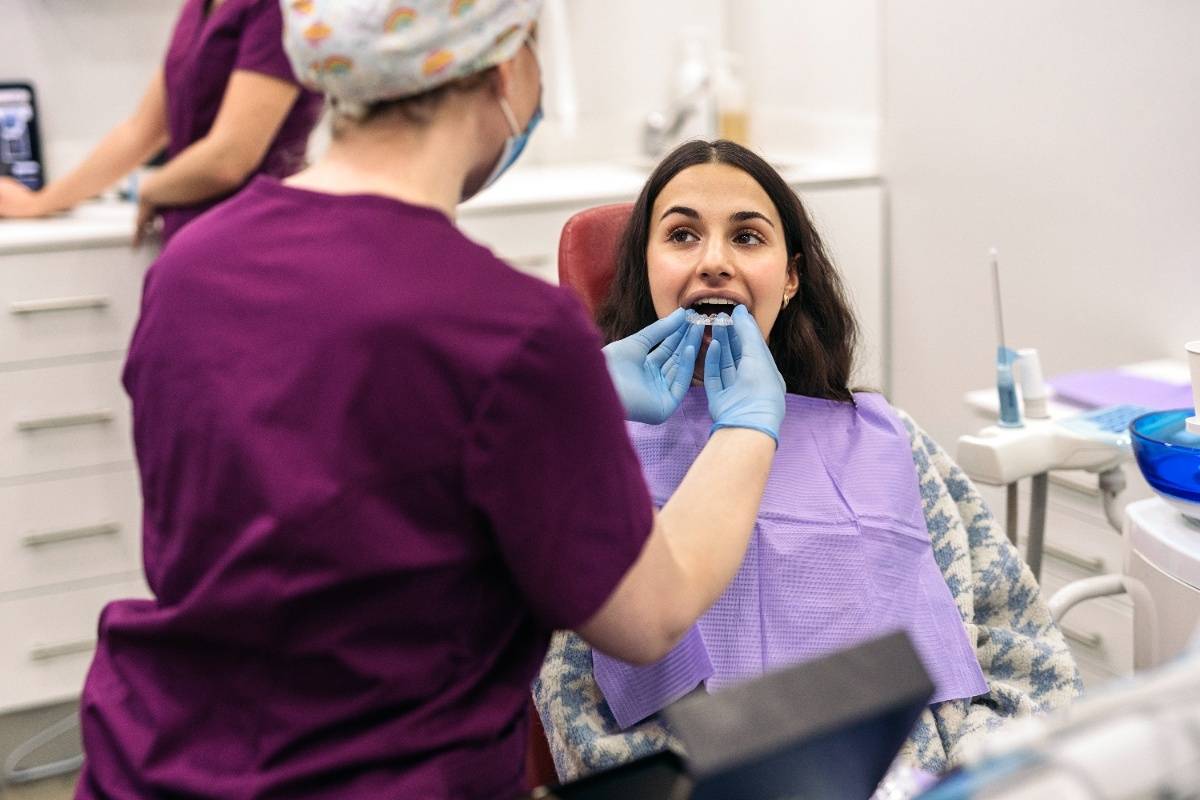


If your teenager has crooked teeth, gaps, or bite problems, you may be wondering whether Invisalign® is simply a cosmetic treatment—or if it can actually protect their oral health in the years ahead.
The answer may surprise you.
Straight teeth aren’t just about confidence in school photos or on social media. Proper alignment can make brushing and flossing easier, reduce excessive tooth wear, and improve the way the upper and lower teeth fit together. These benefits may lower the risk of certain dental problems later in life.
According to the National Institute of Dental and Craniofacial Research (NIDCR), nearly 57% of adolescents aged 12–19 have experienced tooth decay in their permanent teeth, while about 17% have untreated decay. These numbers highlight why preventing plaque buildup and maintaining good oral hygiene during the teenage years is so important.
For families in our community, Invisalign for Teens offers a discreet and effective orthodontic option that may help create healthier smiles while supporting long-term oral health. Let’s explore how early orthodontic treatment can make a lasting difference.
What Is Invisalign for Teens?
Invisalign for Teens is a series of custom-made, clear aligners that gradually move teeth into healthier positions. Unlike traditional braces, the aligners are removable, making it easier for teens to eat, brush, and floss.
Many Invisalign Teen systems also include compliance indicators that help parents and orthodontists monitor whether the aligners are being worn as directed.
Common conditions treated include:
- Crowded teeth
- Gaps between teeth
- Mild to moderate overbites
- Underbites
- Crossbites
- Open bites
When used consistently, Invisalign can effectively improve bite alignment while fitting into a teenager’s active lifestyle.
Can Crooked Teeth Lead to Future Dental Problems?
Yes. While not every teen with crooked teeth develops oral health issues, misaligned teeth can make daily cleaning more difficult and place uneven pressure on certain teeth.
Potential long-term concerns include:
- Increased plaque buildup
- Tooth decay
- Gum inflammation
- Premature enamel wear
- Chipped or cracked teeth
- Difficulty flossing
- Bite imbalance
The CDC notes that oral diseases remain among the most common chronic health conditions in the United States and can affect eating, speaking, learning, and overall quality of life.
How Invisalign May Help Reduce Future Dental Problems
Easier Cleaning Between Teeth
Crowded or overlapping teeth create small spaces where food particles and bacteria collect.
After orthodontic treatment, straighter teeth are generally easier to brush and floss effectively, reducing plaque accumulation.
Good oral hygiene remains the most important factor in preventing cavities, but proper alignment can make it much easier to maintain those habits.
Lower Risk of Tooth Decay
Tooth decay remains the most common chronic disease affecting children and adolescents.
According to the National Institute of Dental and Craniofacial Research (NIDCR), nearly 57% of adolescents have experienced cavities, while untreated decay still affects many teenagers, particularly those from lower-income households.
Although Invisalign does not directly prevent cavities, correcting crowding may reduce areas where plaque can accumulate, supporting better oral hygiene.
Healthier Gums
Crooked teeth may trap plaque close to the gumline, increasing the risk of gingivitis.
When teeth become properly aligned:
- Brushing becomes more effective.
- Floss reaches more surfaces.
- Plaque removal improves.
- Gum inflammation may decrease when good oral hygiene is maintained.
Healthy gums during adolescence provide a stronger foundation for lifelong oral health.
Better Bite Alignment
An uneven bite can place excessive force on certain teeth.
Over time, this may contribute to:
- Tooth wear
- Small enamel fractures
- Jaw discomfort
- Chipped teeth
By improving the way teeth come together, Invisalign may help distribute chewing forces more evenly, reducing unnecessary stress on individual teeth.
Building Healthy Habits Early
Adolescence is an ideal time to establish lifelong oral health habits.
The NIDCR’s Oral Health in America report emphasizes that adolescence is a pivotal stage for developing behaviors that influence oral health well into adulthood. It also notes that malocclusion during adolescence can affect eating, speech, periodontal health, and psychosocial development.
Long-Term Benefits of Invisalign for Teens
Improved Bite Function Can Protect Teeth
A healthy bite allows the upper and lower teeth to fit together properly. When a teen has an overbite, underbite, crossbite, or open bite, certain teeth may absorb more chewing force than others. Over time, this uneven pressure can contribute to:
- Premature enamel wear
- Chipped or cracked teeth
- Jaw discomfort
- Difficulty chewing certain foods
Invisalign for Teens in Dallas can help correct many mild-to-moderate bite issues, allowing chewing forces to be distributed more evenly. While every case is unique, improving bite alignment may reduce unnecessary stress on the teeth and supporting structures.
Better Oral Hygiene During Orthodontic Treatment
One advantage of Invisalign is that the aligners are removable. Unlike traditional braces, these can be taken out to brush and floss.
This allows them to:
- Brush every tooth surface more effectively.
- Floss normally between teeth.
- Clean around the gumline more thoroughly.
- Continue using fluoride toothpaste and mouthwash without brackets getting in the way.
Good oral hygiene still depends on consistent brushing and flossing, but removable aligners eliminate many of the cleaning challenges associated with fixed braces.
Helping Prevent Gum Problems Later in Life
Healthy gums begin during adolescence.
When plaque remains around crowded teeth for extended periods, it can cause gingivitis—the earliest stage of gum disease.
Although Invisalign itself does not prevent gum disease, straighter teeth are generally easier to keep clean. Better plaque control supports healthier gums and may lower the risk of periodontal problems over time when combined with regular dental care.
The NIDCR notes that adolescence is a critical period for developing oral health habits that influence lifelong dental outcomes.
Encouraging Responsibility and Healthy Habits
Successful Invisalign treatment requires wearing aligners for 20–22 hours per day as directed by the orthodontist.
Many teens develop valuable lifelong habits during treatment, including:
- Brushing after meals
- Flossing daily
- Drinking more water instead of sugary beverages
- Attending routine dental visits
- Following professional instructions
These behaviors benefit oral health long after orthodontic treatment is complete.
Invisalign vs. Traditional Braces: Which Is Better for Preventing Dental Problems?
Both Invisalign and traditional braces can successfully straighten teeth and improve bite alignment. The best choice depends on your teen’s specific orthodontic needs.
Invisalign may be ideal for teens who:
- Have mild to moderate crowding or spacing.
- Are responsible enough to wear aligners as instructed.
- Want a nearly invisible treatment option.
- Participate in sports or musical activities where removable aligners are convenient.
Traditional braces may be recommended for:
- More complex bite problems.
- Severe tooth rotations.
- Cases requiring precise tooth movement.
Your local Dallas orthodontist will recommend the treatment that offers the best long-term outcome for your teen’s smile.
Why Early Orthodontic Treatment Matters
Treating alignment problems during the teenage years can often prevent more complicated dental issues in adulthood.
Early intervention may help:
- Reduce abnormal tooth wear.
- Improve oral hygiene.
- Support healthy jaw development.
- Create space for permanent teeth.
- Simplify future restorative dental treatment if needed.
Because the jaw is still developing during adolescence, orthodontic treatment is often more efficient than waiting until adulthood.
Local Care Makes a Difference
Choosing a local orthodontic practice gives families convenient access to routine checkups, emergency appointments, and personalized treatment monitoring. Regular visits allow your orthodontist to ensure your teen’s teeth are moving as planned and to make timely adjustments when necessary.
Encouraging your teen to wear aligners consistently, maintain excellent oral hygiene, and attend scheduled appointments will help maximize the long-term benefits of treatment.
Conclusion
Invisalign for Teens offers more than a straighter smile—it can support healthier teeth and gums for years to come. By improving tooth alignment, making daily brushing and flossing easier, and correcting bite issues, Invisalign may help reduce the risk of cavities, uneven tooth wear, and certain future dental complications.
According to the National Institute of Dental and Craniofacial Research, nearly 57% of U.S. adolescents ages 12–19 have experienced tooth decay, underscoring the importance of preventive oral care during the teenage years.
If your teen has crowded teeth, gaps, or bite concerns, scheduling an orthodontic evaluation can help determine whether Invisalign is the right solution. Investing in orthodontic care today may contribute to a healthier, more confident smile well into adulthood.
Frequently Asked Questions
1. Can Invisalign for Teens prevent cavities?
Invisalign cannot prevent cavities on its own. However, straighter teeth are often easier to clean, which can reduce plaque buildup when combined with good brushing, flossing, and regular dental visits.
2. Is Invisalign as effective as braces for teenagers?
For many mild-to-moderate orthodontic cases, Invisalign is as effective as traditional braces when aligners are worn as instructed. More complex cases may still require braces.
3. How many hours should teens wear Invisalign each day?
Most orthodontists recommend wearing Invisalign aligners 20–22 hours per day, removing them only for eating, drinking anything besides water, brushing, and flossing.
4. Will Invisalign improve my teen’s bite?
Yes. Invisalign can correct many bite issues, including certain overbites, underbites, crossbites, and open bites, depending on the case’s complexity.
5. At what age can teens start Invisalign?
Many teenagers become candidates once most or all permanent teeth have erupted. An orthodontist can determine the appropriate timing based on your child’s dental development.