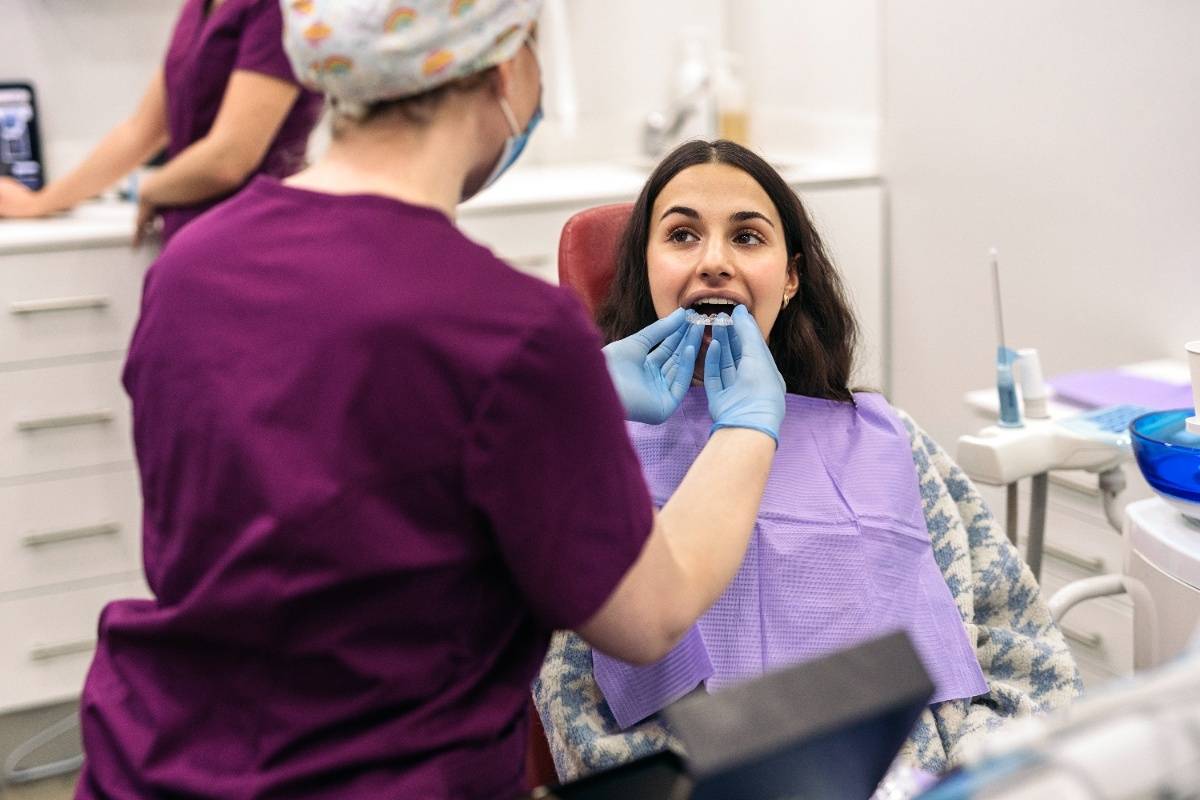

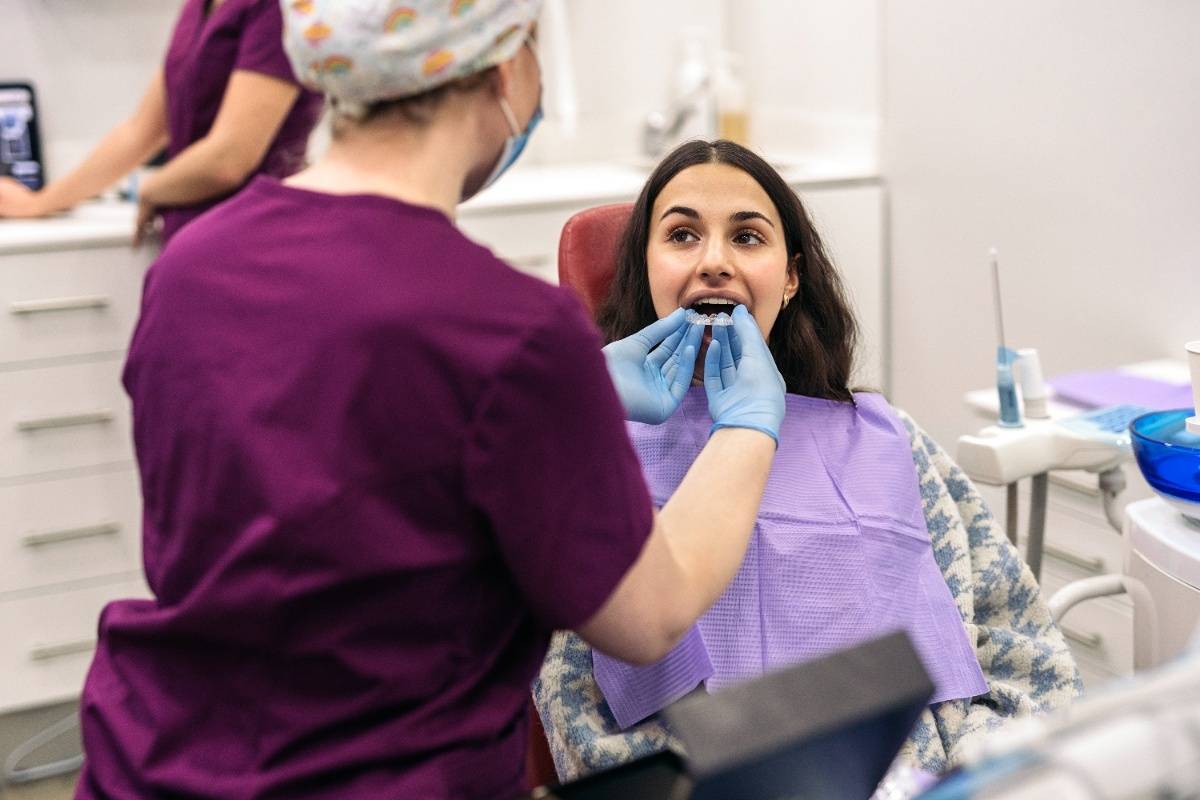
Does your teenager hide their smile in photos or complain about crooked teeth, gaps, or difficulty biting into food? You are not alone. Many parents across the United States are searching for orthodontic options that improve their teen’s smile without the look and feel of traditional metal braces.
That is one reason Invisalign for Teens has become increasingly popular. These clear aligners offer a more discreet and comfortable way to straighten teeth while helping correct common orthodontic issues such as crowded teeth, spacing problems, overbites, underbites, and crossbites.
Teen orthodontic treatment is about more than appearance. Crooked teeth and bite issues can affect oral hygiene, chewing function, speech, jaw comfort, and long-term dental health. According to the American Association of Orthodontists, nearly 4 million Americans wear braces or other orthodontic appliances, with about 25% being adults, while teenagers remain the largest treatment group.
As clear aligner technology continues to improve, more families are choosing Invisalign because it fits busy teen lifestyles while delivering effective orthodontic results.
If your teenager has crowded teeth, gaps, or bite problems, understanding how Invisalign works can help you decide whether it is the right treatment option for your family.
Why Teens Need Orthodontic Treatment
Orthodontic problems are very common among children and teenagers in the United States.
The National Institute of Dental and Craniofacial Research reports that malocclusion, or improper bite alignment, is one of the most common oral health problems after tooth decay and gum disease.
Orthodontic issues may include:
- Crowded teeth
- Gaps between teeth
- Overbite
- Underbite
- Crossbite
- Open bite
- Crooked teeth
Without treatment, these conditions may increase the risk of:
- Cavities
- Gum disease
- Tooth wear
- Jaw pain
- Speech difficulties
- Difficulty cleaning teeth
Early orthodontic correction often improves both appearance and long-term oral health.
How Invisalign Helps Teens With Crowded Teeth
Crowding happens when there is not enough space in the jaw for teeth to align properly.
Crowded teeth can lead to:
- Overlapping teeth
- Difficulty brushing and flossing
- Increased plaque buildup
- Higher cavity risk
The Centers for Disease Control and Prevention (CDC) reports that cavities remain one of the most common chronic conditions among children and adolescents.
Crowded teeth make oral hygiene even more difficult, increasing the risk of decay.
How Invisalign Corrects Crowding
Invisalign gradually shifts teeth into healthier positions using controlled pressure.
Treatment may involve:
- Expanding dental arches
- Rotating teeth
- Creating space gradually
- Improving tooth alignment
For teens with mild to moderate crowding, Invisalign in Dallas can often provide excellent results without traditional braces.
Invisalign for Teens With Gaps Between Teeth
Spacing issues occur when there is too much room between teeth.
Gaps may develop because of:
- Genetics
- Missing teeth
- Thumb-sucking habits
- Jaw size differences
Although some gaps are primarily cosmetic, larger spaces can contribute to:
- Food trapping
- Gum irritation
- Uneven bite pressure
How Invisalign Closes Gaps
Clear aligners slowly guide teeth closer together over time.
Because treatment is digitally planned, orthodontists can carefully control:
- Tooth movement
- Gap closure
- Smile symmetry
- Bite alignment
Many teens appreciate the subtle appearance of Invisalign while gaps gradually improve.
Invisalign for Bite Problems
Bite problems affect how upper and lower teeth fit together.
Common bite conditions include:
Overbite
Upper front teeth overlap excessively over lower teeth.
Severe overbites may cause:
- Tooth wear
- Jaw strain
- Speech issues
Underbite
Lower teeth extend beyond upper teeth.
This can affect:
- Facial appearance
- Chewing ability
- Jaw development
Crossbite
Some upper teeth sit behind lower teeth when biting down.
Crossbites may increase the risk of:
- Uneven enamel wear
- Gum recession
- Jaw discomfort
Open Bite
Front teeth do not touch when the mouth closes.
Open bites may interfere with:
- Speech
- Biting food
- Swallowing patterns
Can Invisalign Correct Bite Problems in Teens?
Yes, many mild-to-moderate bite issues can be corrected with Invisalign.
Orthodontists may use:
- Precision attachments
- Rubber bands
- Customized aligner movements
- Bite correction planning
Advanced Invisalign technology now allows orthodontists to treat more complex cases than in the past.
However, severe bite problems may still require braces or additional orthodontic treatments.
Why Teens Often Prefer Invisalign Over Braces
Many teenagers feel self-conscious about wearing metal braces.
Invisalign offers several lifestyle advantages that appeal to teens.
Nearly Invisible Appearance
The clear aligners are difficult to notice during:
- School
- Sports
- Social events
- Photos
This often improves confidence during treatment.
Removable for Eating
Unlike braces, Invisalign allows teens to eat normally because aligners are removed during meals.
There are no restrictions on foods like:
- Popcorn
- Apples
- Pizza crust
- Chewy snacks
Easier Oral Hygiene
Brushing and flossing are easier without brackets and wires.
This may reduce the risk of:
- Plaque buildup
- Cavities
- Gum inflammation
More Comfortable Than Braces
Traditional braces may irritate cheeks and lips due to metal hardware.
Invisalign aligners have smooth plastic surfaces designed for comfort.
Compliance Matters With Invisalign
One important difference between Invisalign and braces is the level of responsibility.
Because aligners are removable, teens must wear them consistently for successful results.
Orthodontists generally recommend wearing Invisalign trays for:
- 20–22 hours daily
Failing to wear aligners properly may delay treatment progress.
To help parents monitor compliance, Invisalign for Teens often includes:
- Blue wear indicators
- Digital progress tracking
- Scheduled orthodontic checkups
How Long Does Invisalign Treatment Take for Teens?
Treatment length depends on:
- Severity of crowding
- Bite complexity
- Patient compliance
- Growth patterns
Many teen Invisalign cases take between:
- 12 to 24 months
Minor spacing cases may finish sooner, while more complex bite corrections can require longer treatment.
Regular orthodontic visits help ensure treatment stays on track.
Invisalign and Teen Sports Activities
Many teen athletes prefer Invisalign because the aligners are removable and compatible with sports mouthguards.
Traditional braces may increase the risk of:
- Lip injuries
- Soft tissue cuts
- Emergency orthodontic repairs
Clear aligners provide greater flexibility for:
- Football
- Basketball
- Soccer
- Cheerleading
- Dance
Teens involved in school activities often appreciate the convenience and appearance benefits.
Are Invisalign Results Permanent?
After orthodontic treatment ends, retainers are essential to maintain results.
Without retainers, teeth may gradually shift back over time.
Orthodontists usually recommend:
- Nighttime retainer wear
- Long-term retention plans
- Regular follow-up visits
Consistent retainer use protects the investment made in orthodontic treatment.
Is Invisalign Safe for Teenagers?
Yes. Invisalign has been widely used for teens and adults for many years.
Orthodontists carefully monitor:
- Tooth movement
- Jaw development
- Bite changes
- Oral health throughout treatment
The American Dental Association recognizes clear aligners as an effective orthodontic treatment option for many patients.
When supervised properly, Invisalign can safely improve alignment and bite function.
Choosing the Right Orthodontist for Invisalign Teen Treatment
Not all orthodontic cases are the same. Choosing an experienced Invisalign provider is important for successful results.
Look for an orthodontic office that offers:
- Digital 3D scanning
- Invisalign Teen experience
- Customized treatment planning
- Bite correction expertise
- Teen-friendly care
Many practices now provide virtual monitoring tools and flexible scheduling for busy families.
The Importance of Early Orthodontic Evaluation
The American Association of Orthodontists recommends that children receive an orthodontic evaluation by age 7.
Early evaluations help identify:
- Crowding
- Bite abnormalities
- Jaw growth concerns
- Spacing issues
Even if treatment is delayed until the teen years, early monitoring helps orthodontists plan more effective care.
Conclusion
Invisalign for Teens in Dallas has transformed the way many families approach orthodontic treatment. From crowded teeth and gaps to bite problems and crooked smiles, clear aligners offer a modern solution that fits today’s teen lifestyle.
Beyond cosmetic improvements, Invisalign helps improve oral hygiene, bite function, chewing ability, and long-term dental health. With advanced digital technology and customized treatment planning, many teenagers can now achieve straighter smiles without traditional metal braces.
The key to success is choosing an experienced orthodontist in Dallas and ensuring consistent aligner wear throughout treatment. For teens seeking a more discreet and flexible orthodontic option, Invisalign may offer the confidence and convenience they are looking for.
Frequently Asked Questions
1. Can Invisalign fix crowded teeth in teenagers?
Yes. Invisalign can effectively treat many cases of mild to moderate crowding by gradually moving teeth into better alignment.
2. Is Invisalign better than braces for teens?
It depends on the case. Invisalign offers aesthetic and comfort advantages, while severe orthodontic problems may still require traditional braces.
3. How many hours per day must teens wear Invisalign?
Most orthodontists recommend wearing aligners for 20–22 hours daily for effective treatment results.
4. Can Invisalign correct overbites and underbites?
Yes. Many mild-to-moderate bite problems can be corrected with Invisalign and specialized orthodontic techniques.
5. Does Invisalign hurt?
Teens may experience mild pressure when switching to new aligners, but most patients find Invisalign more comfortable than traditional braces.