
Hey there, parents and teens! Let’s be real for a second—being a teenager in 2026 is a lot. Between TikTok trends, high-pressure academics, and a social calendar that never sleeps, the last thing anyone wants is a “metal mouth” slowing them down. Remember those old-school school photos where the flash hit a mouthful of silver brackets? Yeah, we’re moving past that.
If you’ve been scrolling through your feed and seeing your friends with mysteriously perfect smiles, you’ve probably wondered: Is it magic, or is it Invisalign? Today, we’re diving into why over 6.5 million teens have ditched the wires for clear aligners, and how this shift is doing way more than just straightening teeth—it’s actually protecting their health and boosting their “main character” energy. Ready to see the data behind the grin?
Why Teens (and Parents) Are Choosing Invisalign
Before we get into confidence and oral health wins, let’s look at the numbers:
- Surveys show that 84% of prospective teen patients prefer Invisalign over traditional braces, mainly for appearance and confidence reasons.
- Clinical outcomes also show high satisfaction, with users reporting an average of 8.7 out of 10 satisfaction compared to other methods.
- Over 935,800 teenagers and children started Invisalign treatment in 2025 — a sign that teens aren’t shying away from orthodontic work.
These trends reflect a broader cultural shift: teens today want results — and they want them without sacrificing their confidence along the way.
Confidence Counts: Teens and Self-Esteem
Invisible = Comfortable Socially
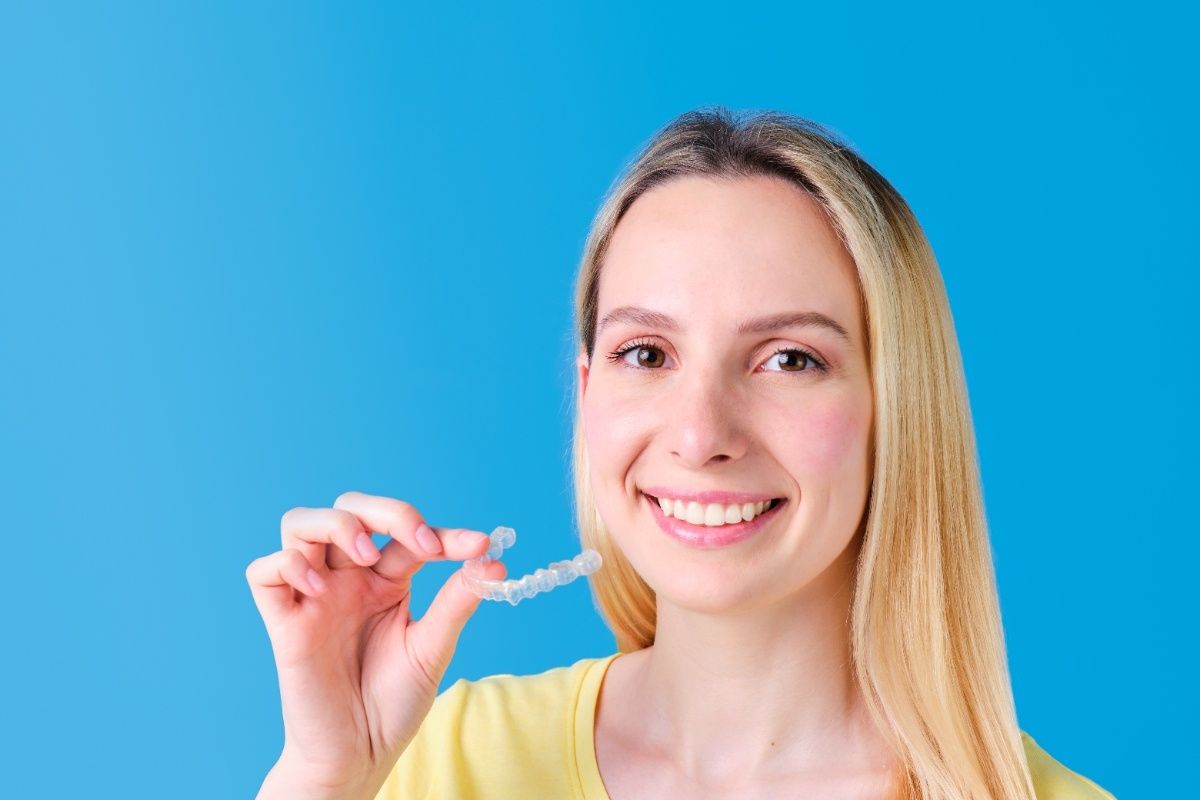
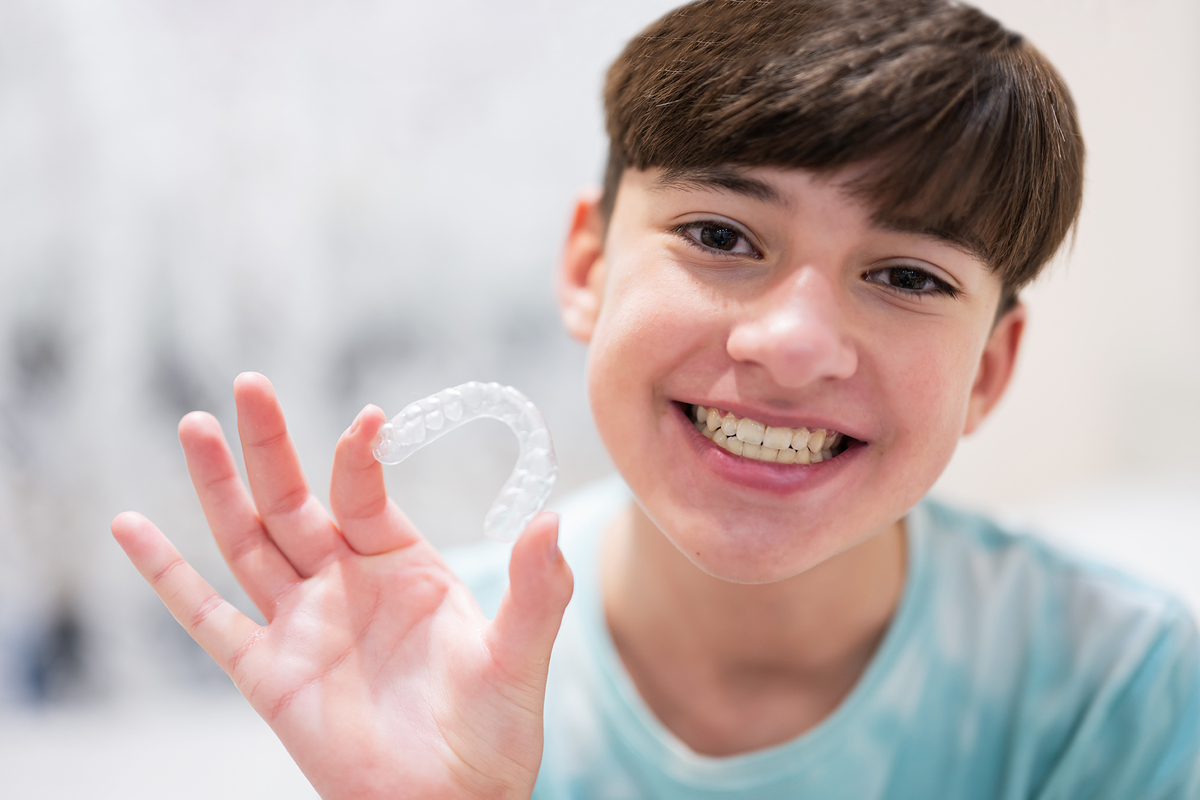
One of the biggest advantages of Invisalign is right in the name: invisible. These clear aligners are designed to be discreet, so your teen doesn’t feel like everyone’s eyes are on their mouth.
According to research:
- Invisalign Teen patients reported feeling more confident and attractive compared with peers wearing metal braces.
- Metal braces have been rated as potentially embarrassing by 41% of teens, highlighting the social pressure associated with traditional orthodontics.
This matters. Adolescence is a time of self-discovery and peer perception. When teens feel good about their smile — even during correction — they’re more likely to engage in activities, participate in class, and carry themselves with confidence.
Real Talk: Less Teasing, More Smiles
According to surveys included in a broader Invisalign report:
- Teens wearing Invisalign are 68% less likely to be teased about their teeth than those with braces.
- Over 2.3 million teens report being teased about crooked teeth — making the psychological benefit of alignment even more important.
Imagine what that means in real life. Fewer comments about “brace face,” fewer self-conscious smiles, and more natural confidence — especially during school photos, sporting events, and social activities.
Oral Health Benefits: Beyond Looks
A confident smile is great — but Invisalign also brings real health improvements.
Easier Oral Hygiene
Traditional braces — with brackets and wires — make cleaning teeth harder:
- Food gets stuck, plaque builds up, and flossing becomes a real chore.
- In contrast, Invisalign aligners are removable — allowing teens to brush and floss normally.
Clinical studies show that teens with Invisalign tend to have lower plaque accumulation and healthier gums than those with fixed braces.
That’s a big deal — because healthier gums reduce the risk of cavities, gingivitis, and long-term periodontal issues.
Better Oral Health-Related Quality of Life
A study assessing teens (ages 11–17) after one year with Invisalign found:
- Oral hygiene at home improved.
- There was no increase in dental plaque accumulation.
- Psychosocial well-being increased throughout treatment.
That means Invisalign helps teens feel better about their oral care habits — which can promote lifelong healthy behaviours.
Comfort & Function
In addition to hygiene, Invisalign is associated with:
- Less initial pain than traditional braces. In a survey, teens rated Invisalign discomfort at 6.5 out of 9 (where 9 is not painful at all), compared to 5.1 for braces.
- Even chewing and bite improvements as teeth align.
This combination of comfort and functionality often leads to better compliance and sustained oral health benefits.
Confidence + Health: The Combined Impact
So what happens when you give a teen both a smile they feel proud of and better dental health?
The answer: a positive feedback loop.
- Teens smile more, which boosts social confidence.
- They brush and floss consistently because it’s easy.
- Better oral health reduces dental anxiety and improves habits.
- Positive results reinforce treatment adherence.
In other words, Invisalign doesn’t just straighten teeth — it supports holistic well-being.
Practical Benefits for Busy Teens
Let’s face it: life for today’s teens is packed — school, sports, social life, jobs, college prep…
Invisalign fits nicely into that lifestyle:
- Removable trays mean no food restrictions.
- Fewer orthodontic visits — usually every 6-8 weeks — compared to more frequent brace adjustments.
- Smooth plastic aligners reduce irritation and sores common with brackets and wires.
This freedom gives teens the best of both worlds: effective treatment and minimal interruption to their daily lives.
How Invisalign Teen Is Different
Invisalign Teen isn’t just a smaller version of adult aligners — it’s made with features that support teen lifestyle and growth:
- Blue “compliance indicators” on some aligners help orthodontists track wear time.
- Designed to accommodate erupting permanent teeth.
- Custom fit for growing mouths.
All of this helps ensure teens get the best possible results with minimal hassle.
Common Misconceptions (and the Facts)
Let’s clear a few up:
- “Invisalign is only for minor cases.”
- While best for mild-to-moderate issues, advanced cases are often treatable and outcomes are comparable to braces in many scenarios.
- “Clear aligners aren’t as effective.”
- Clinical comparisons show Invisalign effectiveness around 88%, close to traditional braces at 90%.
- “Teens won’t wear them enough.”
- With proper guidance and incentive compliance features, many teens adhere well to treatment recommendations.
What Experts Say
Orthodontic professionals increasingly point to the oral health–related quality of life improvements with Invisalign:
- Teen users show increased psychosocial well-being during treatment.
- Better hygiene habits form over time because teen patients are able to clean more effectively.
Conclusion: A Smile That’s Healthy and Confident
As we navigate 2026, it’s clear that the choice between braces and Invisalign isn’t just about “look.” It’s about choosing a treatment that fits a modern, active lifestyle while prioritising long-term oral health. With an 88% clinical effectiveness rate, Invisalign offers a path to a straighter smile that doesn’t require a teen to hit “pause” on their life or their confidence.
Would you like me to help you find a list of local Invisalign-trained orthodontists in Dallas or draft a list of questions for your first consultation?
Frequently Asked Questions
1. Is Invisalign just for looks, or does it help oral health, too?
Invisalign improves oral health by making brushing and flossing easier, reducing plaque accumulation and gingival inflammation compared to traditional braces.
2. How long does Invisalign treatment usually take for teens?
Most treatments range from 12 to 22 months, similar to or slightly shorter than traditional braces plans.
3. Will Invisalign make my teen’s confidence increase?
Yes — studies and surveys show teens with Invisalign often report feeling more confident and attractive than peers wearing metal braces.
4. Can Invisalign fix the same problems braces do?
In many cases, Invisalign can address mild-to-moderate orthodontic issues effectively, with success rates close to traditional braces.
5. Are there special features for teens in Invisalign Teen?
Yes — features like compliance indicators and custom fit for growing mouths make it especially suited for adolescents.