
Ever wondered why some of the most talented young athletes on the field are suddenly hesitant to flash a celebratory grin after a big win? If you’ve noticed your teen shielding their smile during team photos or looking a bit tentative during a high-impact play, you aren’t alone. In a world of high-speed cameras and social media highlights, the pressure on student-athletes isn’t just about their stats—it’s about how they feel while the world is watching.
But here is a question for you: What if the very thing meant to fix their smile was the thing holding them back? Traditional metal braces have long been the “rite of passage” for teens, but for the modern American athlete, they can feel like a mouthful of obstacles. Enter Invisalign—the clear, game-changing alternative that’s helping U.S. teens stay focused on the goal, not their gums.
Why Confidence Matters for Teens—Especially in Sports
Adolescence is a time of powerful social and emotional development. Teens care about how they look, how they’re perceived by peers, and how they present themselves in group settings like school, sports, and social media. A strong, confident smile can make all the difference.
In fact, one study found that only 22% of teens say wearing traditional braces would boost their self-esteem, while nearly 47% reported that wearing Invisalign would boost their confidence. In contrast, 40% believed braces would negatively impact self-confidence—compared to only 8% for Invisalign users.
Additionally, survey data shows that 92% of teens feel metal braces might make them stand out or not fit in with peers, whereas teens wearing Invisalign are less likely to experience teasing and self-consciousness.
For a teenager heading to practice or stepping onto the field, that confidence boost isn’t superficial—it’s foundational.
Active Teens Need Flexible Orthodontic Options
Sports and physical activities are a huge part of teen life. From soccer and football to lacrosse, wrestling, gymnastics, and track, athletes put their bodies—and mouths—through regular impact and contact.
Traditional metal braces have brackets and wires that cannot be removed, which means they stay in place no matter what your teen is doing. This can create safety and comfort issues during sports. A hit to the face can easily scrape the cheeks, lips, or gums against metal wires and brackets—leading to pain, cuts, and emergency dental visits.
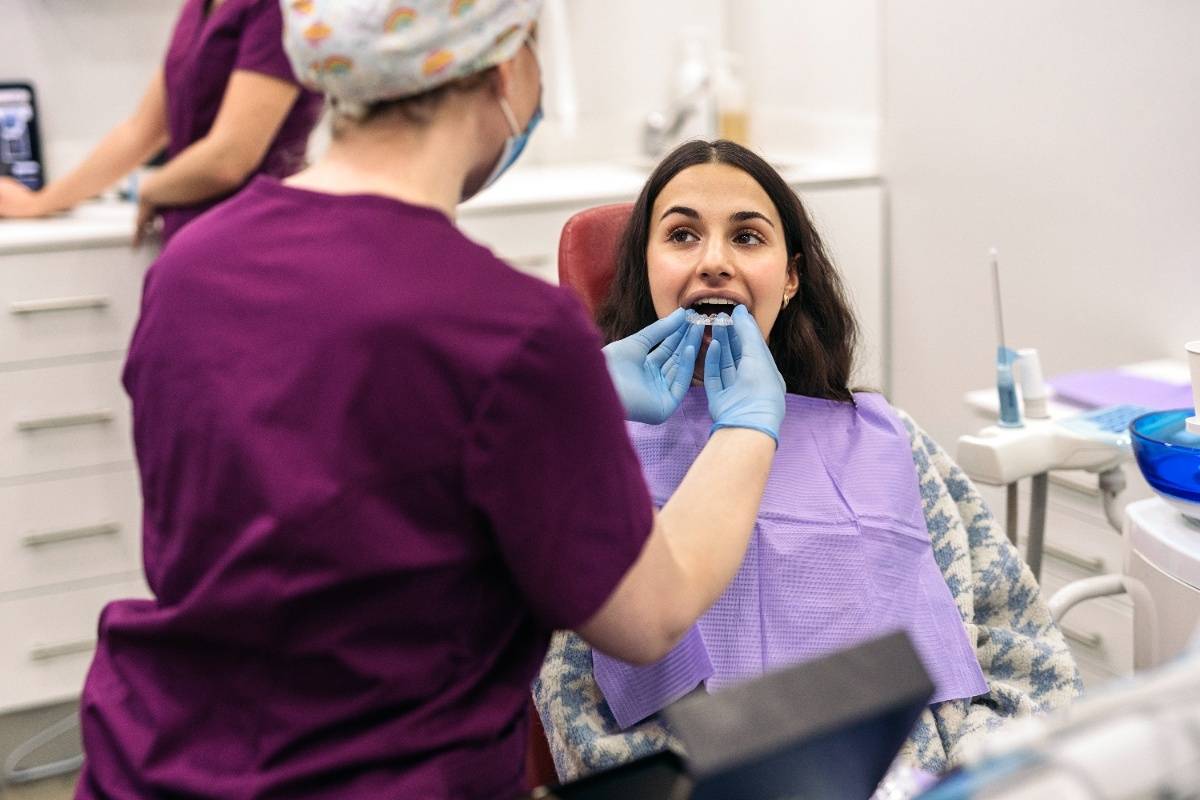
Invisalign aligners in Dallas, on the other hand, are removable. That means teens can take them out for games, practices, and intense workouts, minimizing risks of injury and irritation. Removability also allows teens to pair Invisalign with standard sports mouthguards more easily, offering additional protection without the awkwardness of fitting a bulky guard over braces.
This flexibility is especially important for contact sports like:
- Football
- Hockey
- Wrestling
- Rugby
- Basketball
Even in non-contact sports, the freedom to remove aligners for short periods (such as during intense competitions) lets athletes stay in the moment without worrying about discomfort or the distraction of hardware.
Comfort and Safety: Fewer Worries, More Wins
Comfort is a big deal—especially when your teen is training regularly. Wearing fixed braces can mean chronic irritation from brackets and wires pressing against soft tissues. This can lead to mouth sores, discomfort during eating, and even speech issues.
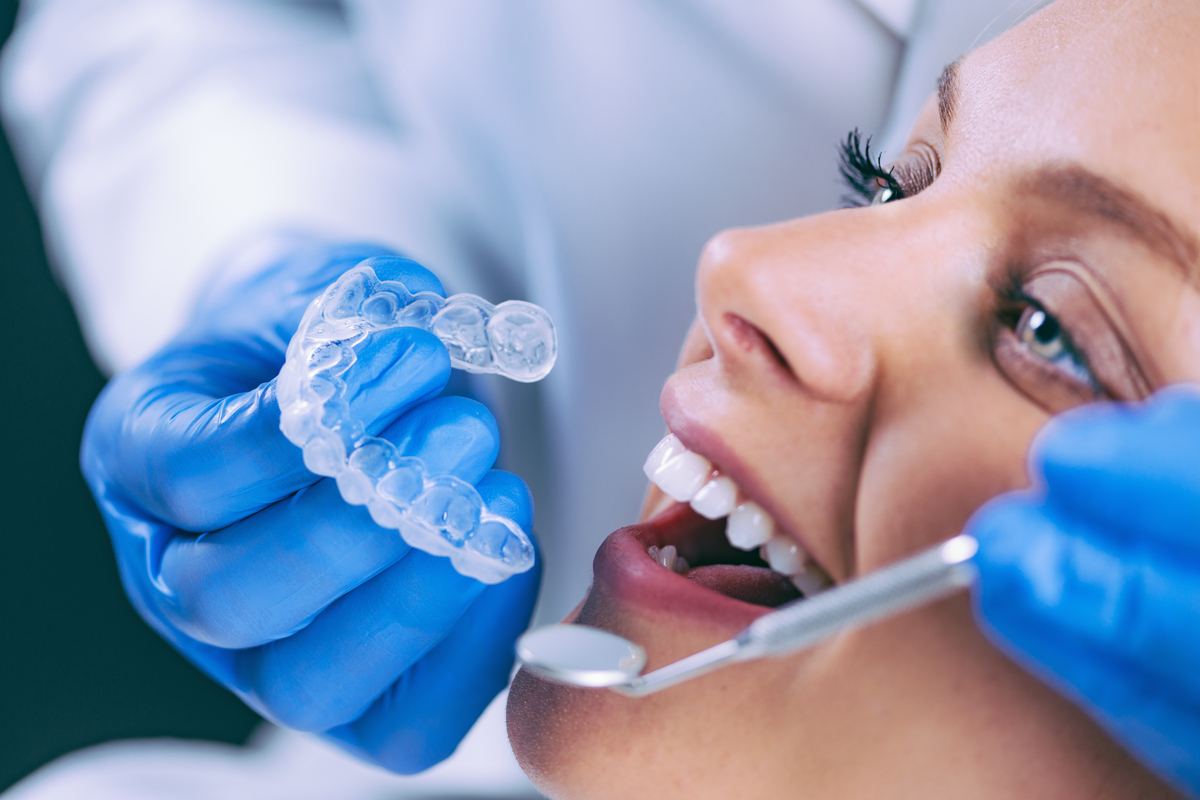
Invisalign for Teens in Dallas is made from smooth, clear plastic that fits snugly over the teeth, with no protruding wires or sharp metal parts. This reduces the risk of:
- Irritation
- Soft-tissue injury
- Mouth sores
- Cuts or abrasions from impact
Even if contact is mild or accidental, a smooth aligner is a safer option than metal brackets for the cheeks, lips, and gums during sports.
And because teens can simply remove the aligners during play, they avoid the unpredictable pain and damage that can come with braces in motion-filled games.
Keep Hygiene and Performance Strong
Orthodontic treatment in Dallas doesn’t stop the need for good dental hygiene—especially for athletes. Between practices, games, and meals, teens need to brush and floss effectively to prevent plaque buildup, cavities, and gum inflammation.
With traditional braces, oral hygiene is more challenging because food and bacteria can get trapped in wires and brackets. Invisalign’s removable design means teens can brush and floss as usual—without having to navigate around metal hardware. This helps maintain healthier teeth and gums throughout treatment, supporting athletic performance and overall health.
This is something parents and dentists both appreciate—especially since neglected oral hygiene can lead to issues that might delay or complicate orthodontic progress.
Social Confidence: Smiling Through It All
Let’s face it—teen life is filled with pics: senior photos, team photos, social posts, yearbooks, and candid snapshots. For many teens, being able to smile confidently without visible metal braces makes a psychological impact.
Unlike braces, Invisalign aligners are virtually invisible and blend seamlessly with natural teeth. Their discreet appearance makes teens feel more comfortable smiling, laughing, and being themselves in social settings.
This matters not only for self-esteem but for leadership roles, team spirit, and school presence. Studies show that adolescents who feel good about their smiles are more likely to engage socially, which can translate into better team cohesion and emotional resilience off the field, too.
Invisalign Adoption Among Teens
If you’re curious about adoption trends:
- Over 4.5 million teen smiles worldwide have been transformed with Invisalign.
- About 84% of prospective U.S. teen orthodontic patients prefer Invisalign over traditional braces.
- Invisalign treatment can finish faster on average—up to 5 months sooner than traditional braces in some studies.
These numbers reflect what many orthodontists see in practice: teens want flexibility, comfort, aesthetics, and a treatment plan that fits the dynamic rhythm of their lives.
Responsibility and Results: What Teens Should Know
Despite all the benefits, it’s important to understand that Invisalign success requires responsibility. For optimal results, teens need to wear their aligners 20–22 hours per day and keep pace with scheduled tray changes.
Because they’re removable, Invisalign aligners depend on consistent wear time—so conscientious habits are part of the equation. But for motivated athletes and active teens, this often fits right into daily routines once they see the benefits.
Many orthodontists now include blue compliance indicators on Invisalign Teen trays to help track wear time and support adherence.
Conclusion
Choosing Invisalign isn’t just about getting straighter teeth; it’s about choosing a lifestyle that supports your teen’s athletic ambitions. By providing a safer, more comfortable, and nearly invisible way to align their smile, Invisalign allows student-athletes to focus on what they do best: competing with heart and smiling with confidence.
Whether they are spiking a volleyball or crossing the finish line, their smile should be a source of strength, not a distraction. If you’re ready to see how clear aligners can fit into your teen’s active lifestyle, now is the perfect time to consult with a qualified Orthodontist in Dallas.
Frequently Asked Questions
1. Can my teen play contact sports with Invisalign on?
Most teens remove their Invisalign aligners during contact sports and wear a standard mouthguard. Invisalign’s removable design plays well with protective gear and reduces the risk of mouth irritation from metal brackets.
2. Will Invisalign affect my teen’s performance or breathing while playing?
Invisalign doesn’t significantly interfere with breathing or performance because it is low-profile and removable. Many athletes wear them during practices and only take them out for games or competitive play.
3. Does Invisalign treatment take longer than braces?
Treatment times vary based on individual needs, but some data suggest Invisalign may finish faster than braces on average—sometimes up to 5 months sooner in certain cases.
4. How often does my teen need to see the orthodontist?
Most Invisalign Teen treatment plans involve follow-ups every 4–6 weeks, similar to braces but often with fewer emergency visits and adjustments.
5. Are there limits on eating with Invisalign?
Teens can remove their aligners to eat and drink, so there are no food restrictions like those with traditional braces. Good oral hygiene after eating ensures progress isn’t compromised.