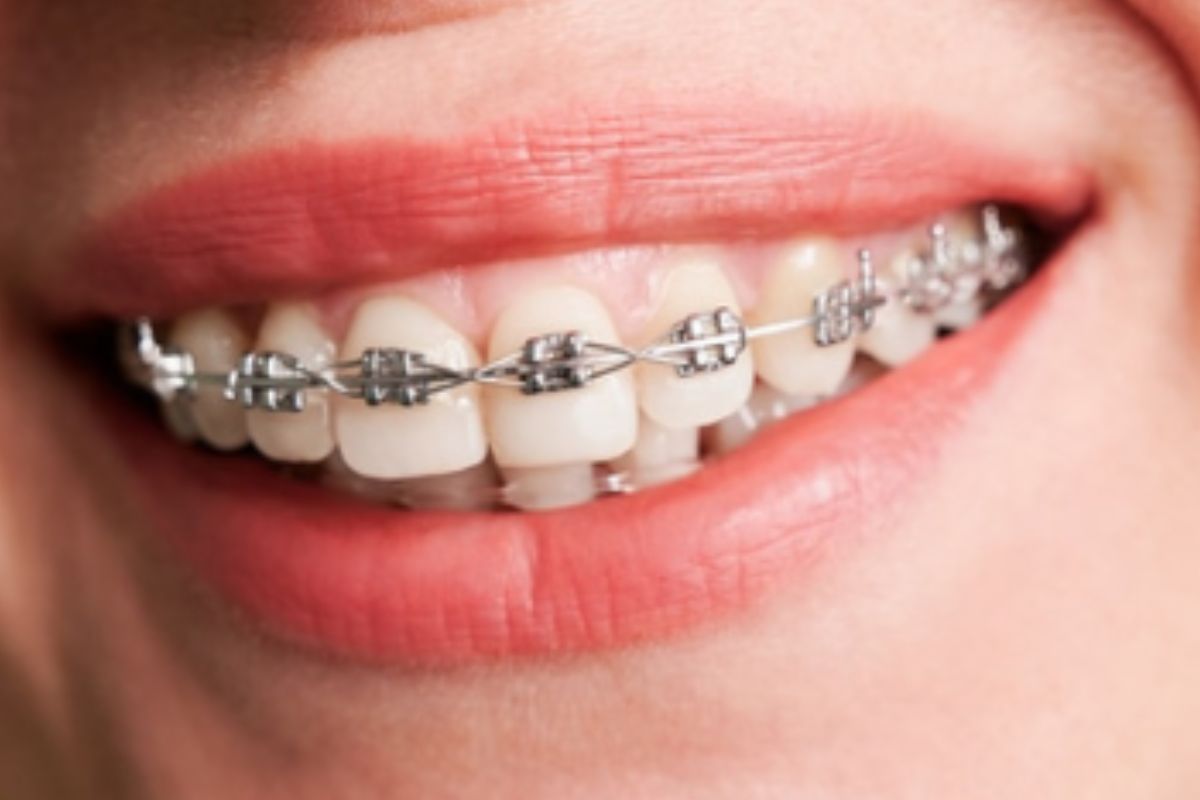


Braces help fix crooked teeth and improve how your bite fits together. Most people know braces can straighten a smile, but not everyone understands how they actually work. Braces gently move your teeth over time using light, steady pressure. With the right guidance, your teeth shift little by little until they reach the right spot.
Let’s break it down in simple terms so you can understand what’s really going on behind that wire and those brackets.
How Do Braces Move Your Teeth?
Even though your teeth feel hard and solid, they can shift when pressure is applied. That’s because each tooth sits in a socket and is held in place by soft tissue. When braces apply pressure, the bone around the tooth changes shape, making room for the tooth to move.
Over time, your body builds new bone to support the new position of your tooth. This is a slow and natural process. It’s what allows braces to safely move your teeth without causing damage.
What Are Braces Made Of?
Braces use a few simple parts to do their job:
- Brackets: These are the small pieces glued to your teeth.
- Wire: This runs through the brackets and applies pressure.
- Bands or clips: These help hold everything in place.
Your orthodontist may also use rubber bands or springs for certain types of movement, depending on what your bite needs. But the main goal is the same—slow and steady movement in the right direction.
What Makes LightForce Braces Different?
LightForce Braces are custom-made for your teeth using 3D printing. That means each bracket is designed to fit your tooth exactly.
Because of that, they can move your teeth more efficiently. Many people find them more comfortable and like that the treatment may be a little quicker than with traditional braces.
LightForce is a great option if you’re looking for something more precise and less noticeable.
What Are Damon Smile Braces?
Damon Smile Braces work a bit differently. They don’t use rubber bands to hold the wire in place. Instead, they have a special sliding door that lets the wire move more freely.
This design helps reduce pressure and may lead to a more comfortable experience. Some people also finish their treatment a little faster with Damon Braces because of how they’re made.
They’re often chosen by people who want a broader, more natural-looking smile and less frequent visits for adjustments.
What Happens During Treatment?
Here’s what a typical braces journey looks like:
- Getting Braces On: The brackets are placed on your teeth, and the wire is attached.
- Regular Adjustments: Every few weeks, your orthodontist will check your progress and make small changes to keep your teeth moving.
- Watching Progress: Over the months, your teeth start to shift. Spaces close, your bite improves, and your smile changes shape.
- Final Touches: At the end, smaller adjustments are made to make sure your teeth line up just right.
- Retainers: Once your braces are off, you’ll get a retainer to keep your teeth in place.
Do Braces Hurt?
Braces don’t usually hurt, but it’s normal to feel some pressure, especially after getting them tightened. This feeling goes away after a few days.
Modern systems like LightForce and Damon Smile Braces are designed to be more gentle, so most patients find the process easier than they expected.
Conclusion
Braces work slowly and safely to move your teeth where they need to be. Whether you go with traditional metal braces, Lightforce Braces, or Damon Smile Braces, the idea is the same—apply gentle pressure over time to guide each tooth into the right place.
At Dallas Orthodontics, we’ve helped many patients through this journey. If you’re thinking about getting braces in Dallas, we’re happy to help you explore your options and choose what’s right for your smile. Book your consultation today!