

Remember those old-school “metal mouth” days? The gooey, gag-inducing molds? The monthly “tightening” appointments that left you reaching for the ibuprofen?
If you’re a parent looking at your child’s misaligned teeth and feeling a wave of sympathetic dental anxiety—take a deep breath. We have some great news. Orthodontic treatment has undergone a high-tech revolution in 2025. Today, nearly 4 million people in the U.S. wear braces at any given time, and roughly 80% of American teens will have them before they graduate high school.
But here’s the kicker: your child’s experience will be nothing like yours. From AI-driven planning to brackets that practically disappear, modern orthodontics is faster, more comfortable, and—dare we say it—actually cool.
In this guide, we’ll dive into the data-backed reasons why modern braces are making life easier for American families and why now is the best time to start your child’s journey toward a confident smile.
Why modern braces matter
Today, trusted orthodontic care in Dallas provides better materials, more advanced bracket designs, improved diagnostic tools, and alternatives such as clear aligners. These advances aim to reduce discomfort, improve hygiene, shorten or streamline visits, and deliver reliable results—all while making the experience more kid-friendly. Several extensive reviews and clinical studies show measurable gains in comfort and workflow with newer systems, even though some claims (such as dramatically shorter treatment times) remain debated.
How many kids actually need or get braces?
Estimating a single number is tricky, but many experts agree that orthodontic care is standard in childhood. The American Association of Orthodontists (AAO) recommends screening every child by age seven to spot problems early. That doesn’t mean treatment starts then — but early evaluation helps plan simpler, more effective care.
Historically, public health data and dental reporting suggest a large share of children either need or would benefit from orthodontic care; some estimates say roughly half of people may benefit at some point, and surveys show orthodontic visits are a frequent dental service for youth. (Prevalence numbers vary by age, insurance, and region.)
The End of “Gooey” Molds: Digital Scanning & AI
For decades, the first step of braces involved biting into a tray filled with thick, cold putty. Today, that’s a thing of the past.
Modern practices now use intraoral scanners (such as the iTero) to create a 3D digital map of your child’s mouth in under 5 minutes. This is not only more comfortable, but also significantly more accurate. Research published in Applied Sciences shows that AI-driven 3D scanning models reduce measurement time by over 60% compared to traditional plaster methods (MDPI, 2023).
Why this matters for your child:
- Precision: AI can analyze thousands of data points to predict how each tooth will move.
- Visuals: Your child can see a digital “before and after” simulation of their smile before the brackets even go on.
Self-Ligating Braces: Faster Results, Fewer Visits
One of the biggest hurdles for busy parents is the constant trek to the orthodontist for “tightenings.” Modern self-ligating braces (like Damon or Whistle systems) have solved this problem.
Instead of elastic “ties” that create friction and require frequent replacement, self-ligating braces use a specialized sliding clip to hold the wire in place.
- Fewer Appointments: Because there are no elastics to wear out, children often need 30-40% fewer adjustment visits (Bioinformation, 2025).
- Reduced Pain: These systems apply a lighter, more continuous force. A 2023 study in the Journal of Clinical Orthodontics noted that patients reported up to 78% less discomfort than those with traditional styles.
Customization and “Smart” Materials
We are now in the era of “Smart Braces.” Today’s archwires are often made of nickel-titanium, a material originally developed by NASA. These are heat-activated, meaning they use your child’s natural body heat to apply a gentle, consistent pressure.
Furthermore, technologies like LightForce braces in Dallas enable 3D-printed, 100% customized brackets tailored to each tooth’s specific shape.
Data Point: Recent clinical evidence suggests that AI-based orthodontic treatments can reduce overall treatment duration by up to 26% (PMC, 2025). This means your child could get their braces off months earlier than they would have a decade ago.
The Aesthetics Revolution: Clear and “Cool”
Let’s be honest: for kids and teens, how they look matters. Modern orthodontics offers virtually invisible options:
- Ceramic and Zirconia: These brackets blend perfectly with the natural tooth color and are highly stain-resistant.
- Lingual Braces: These are placed on the back of the teeth, making them completely hidden from view.
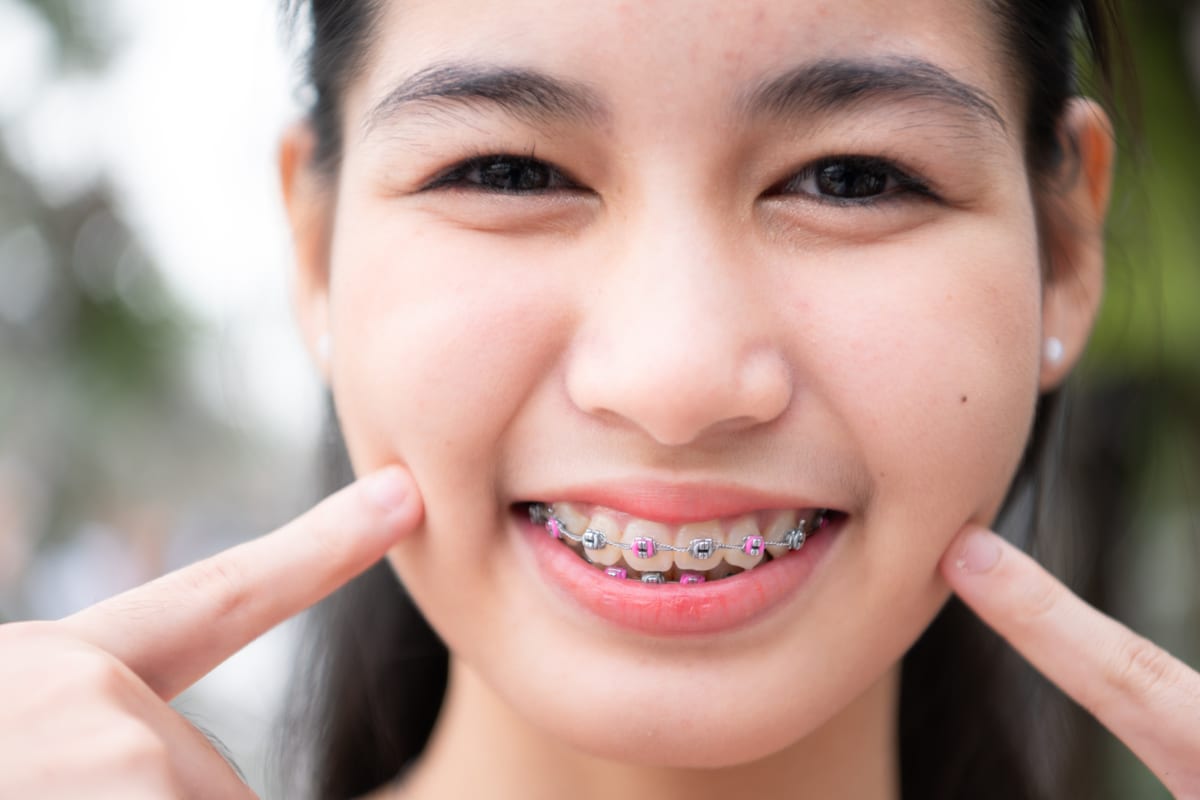
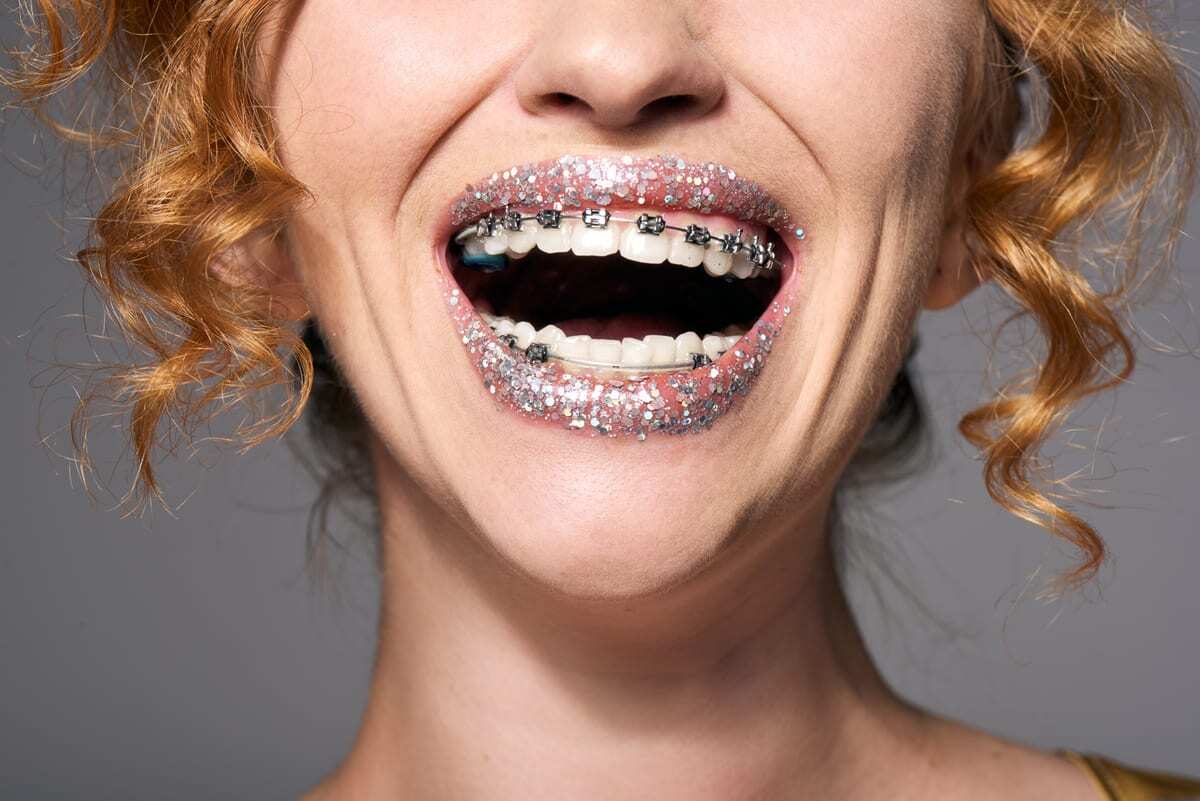
- The “Vibe” Factor: For younger kids who want to show off their braces, modern elastics come in neon, glow-in-the-dark, and metallic colors, turning a medical treatment into a fashion statement.
Early Intervention (The “Age 7” Rule)
The American Association of Orthodontists (AAO) recommends that children have their first orthodontic evaluation by age 7.
Why so early? This is called Interceptive Orthodontics. By treating issues like narrow palates or jaw misalignments while the child is still growing, orthodontists can often prevent the need for tooth extractions or jaw surgery later in life.
- Market Growth: The “children segment” is currently the fastest-growing part of the $4.7 billion U.S. dental braces market as more parents opt for early-age interventions (Precedence Research, 2024).
What “modern braces” really are
A few common contemporary choices you’ll see at U.S. orthodontic offices:
- Low-profile metal brackets — sleeker, smaller designs than old-school brackets.
- Self-ligating brackets (clip system instead of elastic ties) — advertised to reduce friction and make wire changes easier. Evidence is mixed: some trials and reviews show modest reductions in time or visits; others show little difference in overall treatment length.
- Ceramic (tooth-colored) brackets — more aesthetic for appearance-sensitive kids.
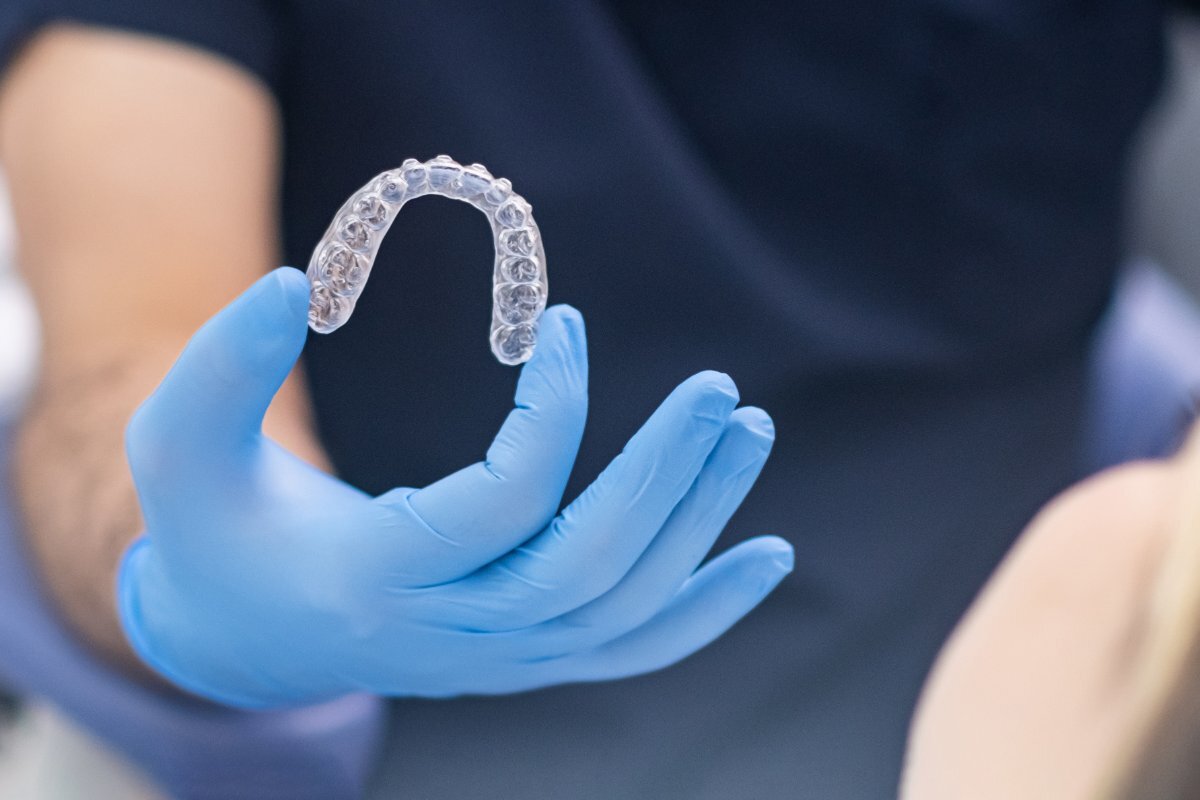
- Clear removable aligners (for teens & selected kids) — less visible and often associated with less early treatment pain, but require discipline (wear time matters).
- Digital planning & 3D imaging — Book now with Dallas Orthodontics uses precise digital models and treatment simulations to plan for faster, more predictable results. (This is why visits often feel more focused and purposeful.)
Concrete ways modern braces make life easier for kids
Less painful starts and gentler adjustments
Modern bracket systems and wires are engineered to apply lighter, more continuous forces. Controlled force reduces the intensity and duration of soreness after activations. Comparative studies show that, while any tooth movement causes some discomfort, newer appliances (and removable aligners where appropriate) are associated with lower pain scores in the first days after activation. That can mean fewer tears at dinner and a quicker return to normal eating.
Fewer or faster chairside adjustments (sometimes)
Self-ligating brackets were designed to speed up wire changes and reduce chair time. The literature is mixed: some randomized and retrospective studies report fewer visits or shorter appointments with specific self-ligating systems, while systematic reviews find only modest, sometimes non-significant differences overall. In practice, this can translate to fewer long “adjustment” visits for some kids — but not a guaranteed reduction in total treatment time for everyone. Still, many parents report that appointments feel quicker and less fussy.
Improved appearance options reduce social stress
Ceramic brackets and clear aligners let image-conscious kids feel less self-conscious. That social benefit matters for school-age kids who worry about photos, sports, or peer attention. In appropriate cases, clear aligners can also eliminate the “metal” look entirely.
Better planning = fewer surprises
Digital scans and 3D treatment planning let orthodontists visualize outcomes and sequence treatment precisely. That reduces guesswork and helps families understand the likely timeline, the potential need for expanders, and whether a two-phase plan is needed. In short: fewer surprises and more predictable results.
Focus on hygiene and lesion prevention
Braces in Dallas still create more surfaces where plaque can hide, and white-spot lesions (decalcification) are a well-known risk if hygiene lapses. Modern practices emphasize prevention: targeted hygiene coaching, adjuncts such as interdental brushes or water flossers, and materials that reduce bacterial adhesion help lower risk. When parents follow the oral care plan, kids can achieve excellent outcomes without enamel damage.
Typical timeline & Budget (U.S. context)
- Average active treatment time: Many children finish in about 18–24 months, though simple cases can be shorter and complex cases longer. Some studies and clinical summaries place typical ranges in that window.
- Appointments: Usually every 6–10 weeks for fixed appliances, possibly longer for low-friction systems or digital monitoring protocols.
- Budget: In the U.S., for traditional braces, ceramic and specialty systems tend to cost more than standard metal braces, depending on complexity, provider, and location; insurance and payment plans can offset costs.
What the research community says (short, balanced summary)
- Pain: Clear aligners often cause less short-term pain than fixed braces; modern bracket/wire combos also reduce discomfort compared to older systems.
- Treatment time & visits: Evidence for significant time savings with self-ligating brackets is mixed. Some trials show modest reductions in chair time or visits; meta-analyses find weak overall effects. In other words, they may help, but they’re not a guaranteed “speed-up” for every child.
- Oral health risks: Fixed appliances increase plaque retention when hygiene is poor; structured preventive care and patient education significantly lower that risk.
Practical tips for parents (make treatment easier at home)
- Start early with an AAO screening by age 7 — this flags problems that are simpler to fix.
- Practice the hygiene routine before bonding — flossing with braces is a skill; let your child practice with dental flossers or interdental brushes.
- Keep a “comfort kit”: soft toothbrush, orthodontic wax, kid-friendly OTC pain reliever (per pediatrician), and silicone chew toys for soreness.
- Use digital check-ins if offered — many offices offer photo monitoring apps that reduce in-office visits.
- Ask upfront about costs, expected visits, and emergency protocols—modern clinics often offer payment plans and clearer timelines thanks to digital planning tools.
Conclusion
Orthodontic care is no longer a “one-size-fits-all” ordeal. In 2025, 3D printing, AI-powered planning, and biocompatible materials have transformed braces into a personalized, efficient, and much more comfortable experience. By embracing these modern advancements, you aren’t just giving your child a straighter smile; you’re giving them a faster path to confidence with fewer disruptions to their school and social life.
Early screening (AAO recommends by age 7) plus a clear plan with your orthodontist in Dallas gives kids the best shot at a smooth, low-stress orthodontic journey.
FAQs
1) At what age should my child see an orthodontist?
The AAO recommends screening by age 7 to identify issues early, even if active treatment is delayed. Early evaluation can simplify future care.
2) Do modern braces hurt more or less than old braces?
Modern brackets and wires, as well as alternatives like clear aligners, generally cause less short-term pain because of lighter forces and improved mechanics. Aligners often score lowest on early pain measures in studies.
3) Will self-ligating braces cut the total treatment time?
Some studies report fewer visits or shorter chair time with self-ligating systems, but systematic reviews find the overall effect on total treatment time is modest or inconsistent. Ask your Dallas orthodontist whether the option fits your child’s case.
4) Are ceramic (tooth-colored) braces as effective as metal ones?
Yes—ceramic brackets can be just as effective for many tooth-movement tasks, though they may be slightly more fragile or costlier depending on materials and case complexity.
5) How can I reduce the risk of white-spot lesions during treatment?
Good daily brushing after meals, interdental cleaning, fluoride toothpaste/rinses, and following the orthodontist’s hygiene instructions are proven ways to lower risk. Some practices also apply topical fluoride or prescribe adjunctive products.