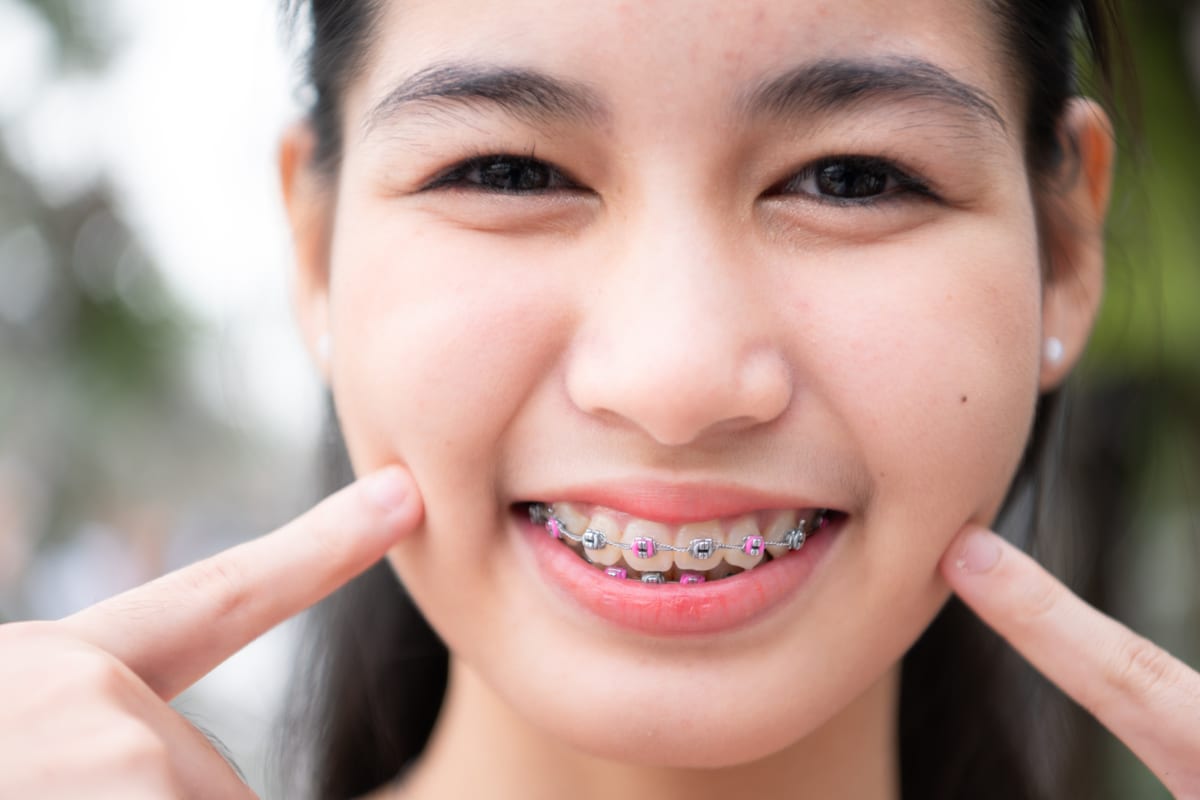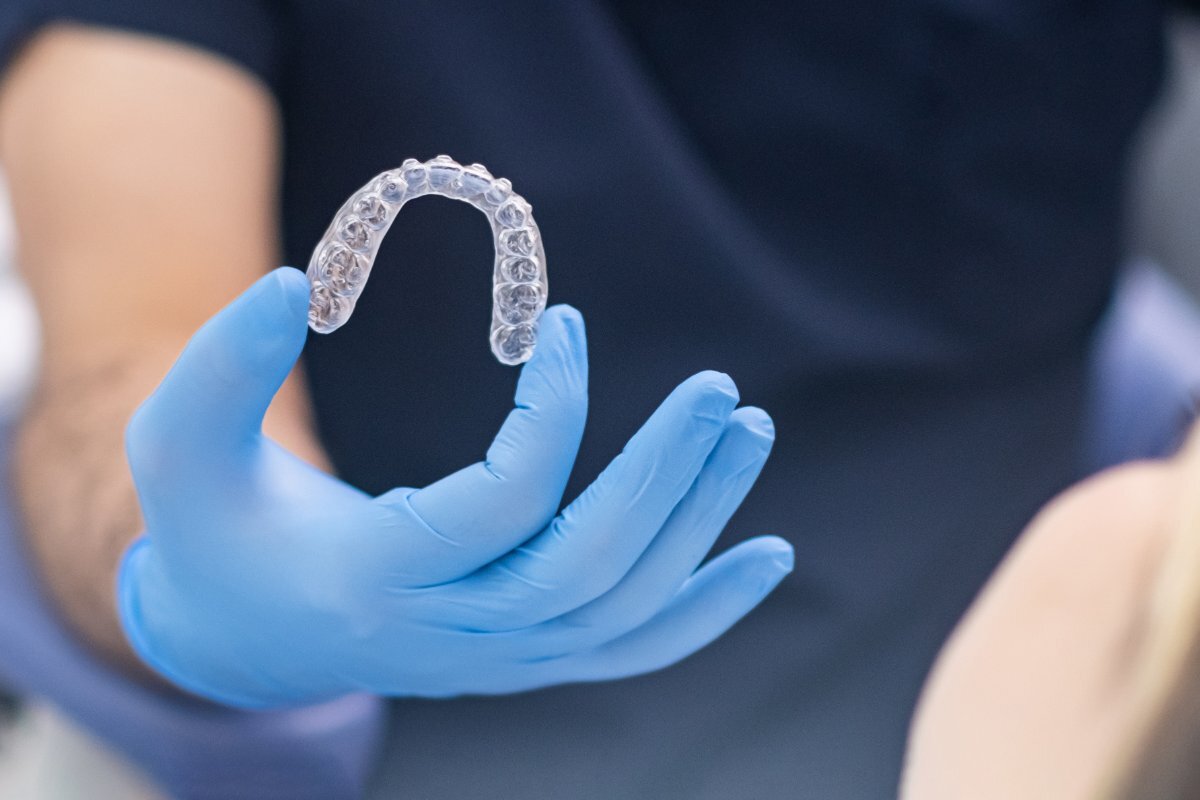

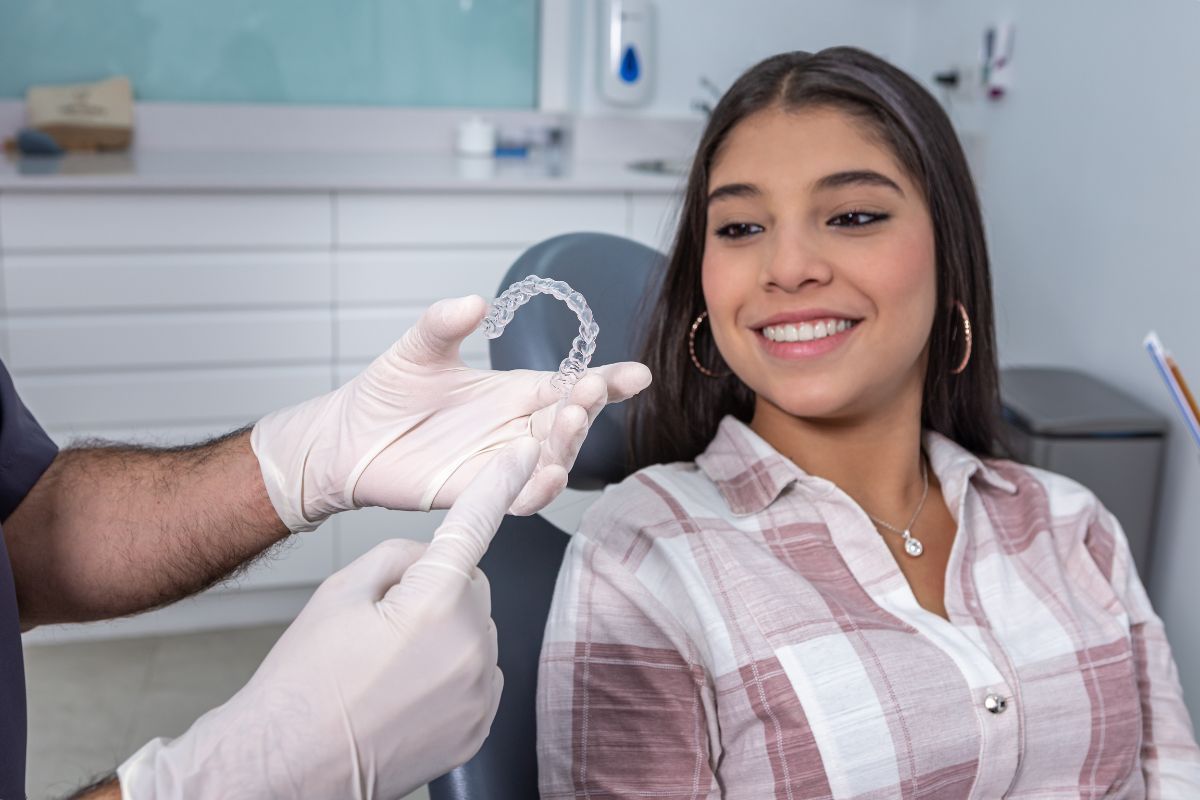
Have you just finished your Invisalign journey, revealed a straighter smile, and now noticed unwelcome brown spots on your teeth? You’re not alone! Many people experience discoloration or “white spot lesions” that can sometimes appear brown after orthodontic treatment. It’s frustrating to invest time and money in achieving your perfect smile, only to be met with these blemishes.
Ready for the good news? These spots are often treatable and, in many cases, can be removed permanently! Let’s dive into what causes these spots and the professional, proven treatments that can restore the uniform brilliance of your post-Invisalign smile.
Understanding the Culprit: Decalcification and Staining
The most common reason for discolored spots after orthodontic treatment in Dallas, including Invisalign, is a process called decalcification, which often leads to what dentists call White Spot Lesions (WSLs). While they start white, they can easily turn yellow or brown from staining by food, drinks, and plaque.
The Science Behind the Spot
- Plaque is the Enemy: Even though Invisalign in Dallas is removable, poor oral hygiene can let plaque build up on the tooth surface, especially if you don’t brush and floss thoroughly after every meal before putting your aligners back in.
- Acid Attack: Bacteria in the plaque feed on sugars and produce acid. This acid erodes the surface layer of your enamel, leading to the loss of essential minerals such as calcium and phosphate. This demineralization results in a porous, chalky area—the White Spot Lesion.
- The Color Change: These porous areas readily absorb color pigments from dark-colored foods and drinks (coffee, tea, red wine, etc.), turning them from a mild white spot into a more noticeable brown stain.
The Data Point: Some studies using sophisticated detection methods report the prevalence of new white spot lesions (the precursor to brown spots) in patients undergoing fixed orthodontic treatment as high as 97%, though visually detectable spots are less common. This highlights the widespread risk of demineralization, even with clear aligners.
Permanent Solutions: Erasing Brown Spots for Good
Fortunately, modern dentistry offers several highly effective treatments to permanently address post-orthodontic brown spots. The best option for you depends on the severity and depth of the discoloration, which your Invisalign service provider in Dallas, TX, will determine.
Remineralization Therapy (For Early/Mild Cases)
If the brown spots are still shallow (early-stage demineralization), the goal is to reverse the process by restoring lost minerals.
- Professional Fluoride Treatments: Your dental professional applies high-concentration fluoride varnishes or gels. Fluoride strengthens the enamel and attracts calcium and phosphate ions to rebuild the damaged surface. Studies have shown a statistically significant reduction in demineralization scores after fluoride varnish application at the 3- and 6-month follow-ups. (Source: ResearchGate)
- Specialized Products: Prescription-strength toothpaste or agents containing Casein Phosphopeptide-Amorphous Calcium Phosphate (CPP-ACP) can be highly effective for at-home use in accelerating remineralization.
Enamel Microabrasion (For Superficial Stains)
This minimally invasive technique is excellent for permanently removing spots that are only on the enamel surface.
- The Procedure: The dentist uses a gentle chemical solution and a fine abrasive material to lightly buff and remove the thin, stained outer layer of the enamel.
- Why it Works: This procedure removes the discolored tooth structure itself. Since only a microscopic layer of enamel is removed, it is safe and highly effective for superficial spots, often leading to an immediate aesthetic improvement.
Resin Infiltration (Icon Treatment)
Resin infiltration is a revolutionary treatment that can target the lesion without drilling or removing tooth structure.
- The Procedure: An acid gel opens the lesion’s pores, followed by a liquid resin that penetrates the porous enamel. The resin then hardens, filling the spaces that give the spot its opaque appearance and masking the discoloration.
- Benefits: It’s often used for white spots, but it can be highly effective for brown spots derived from decalcification. It’s minimally invasive and restores the enamel’s natural light-reflecting properties, making the spot virtually disappear permanently.
Teeth Whitening and Composite Bonding (For Deep or Stubborn Spots)
For deeper or highly resistant stains, these cosmetic options can provide a lasting solution.
- Professional Whitening: While it won’t remove the spot itself, professional bleaching can lighten the surrounding healthy enamel, making the contrast between the tooth and the brown spot less noticeable.
- Cosmetic Bonding: For permanent, deep spots, a tooth-colored resin material (like that used for white fillings) is applied to the tooth surface to fully cover the discolored area. The material is sculpted, hardened, and polished to perfectly match the rest of your tooth, permanently masking the spot.
Typical treatment pathway (practical steps)
- See your dentist for an exam and photos — they’ll determine whether the spot is a surface stain, WSL, or intrinsic discoloration.
- Start conservative: professional cleaning + daily fluoride toothpaste, and consider CPP-ACP or prescription fluoride for remineralization. (Give it 6–12 weeks to see change.)
- If cosmetic concerns persist, consider resin infiltration and/or microabrasion — both are conservative and often highly effective.
- Use bleaching (dentist-supervised) if stains are organic and superficial — sometimes combined with resin infiltration for best results.
- If necessary, proceed to bonding or veneers for a permanent, esthetic fix.
Prevention (super important, especially while wearing aligners)
- Brush thoroughly after meals before putting trays back in. Trapped food under aligners accelerates demineralization.
- Use fluoride toothpaste (and a fluoride mouthwash if recommended).
- Consider topical remineralizing products (CPP-ACP, prescription fluoride) during treatment if you’re high-risk. Evidence shows these reduce WSL development during orthodontics.
- Maintain regular dental cleanings and checkups during treatment.
- Limit highly pigmented foods/drinks (coffee, tea, red wine) while finishing whitening or after treatments that make enamel more porous.
Conclusion: A Permanent Fix is Within Reach
Brown spots after your hard-earned straight smile with Invisalign can be a major letdown, but it is not a life sentence! By understanding that these are primarily caused by demineralization and subsequent staining, you can choose the right permanent solution.
Book now with an orthodontist in Dallas, TX; your American Board of Orthodontists (ABO) certification is the crucial first step. They can accurately diagnose the depth and cause of the spots and recommend a tailored treatment plan, from remineralization to microabrasion or cosmetic bonding, ensuring you achieve the uniformly bright, beautiful smile you worked for.
FAQs
Q1: Can I remove brown spots with over-the-counter whitening strips?
A: Over-the-counter whitening strips are designed to lighten the surface of your entire tooth. If the brown spot is a deep decalcification lesion, whitening the surrounding enamel will only make the spot appear more noticeable by increasing the color contrast. Professional evaluation is always recommended before treating these spots at home.
Q2: Are brown spots after Invisalign the same as a cavity?
A: A brown spot from decalcification (a White Spot Lesion) is essentially the very first stage of tooth decay, where the enamel has become porous. If left untreated, the lesion can progress into a full-blown cavity, requiring a filling. Timely, professional treatment—such as remineralization or resin infiltration—is key to stopping this progression and achieving a permanent aesthetic fix.
Q3: How can I prevent new brown spots from forming?
A: Prevention relies on impeccable oral hygiene, especially while wearing aligners.
- Always brush and floss immediately after eating or drinking anything other than water, before reinserting your aligners.
- Use a fluoridated toothpaste.
- Consider a fluoride mouthwash or a prescription-strength remineralizing paste as recommended by your dental professional.
Q4: Is microabrasion safe for my enamel?
A: Yes, microabrasion is considered safe when performed by a professional. It is a highly conservative treatment that removes only a negligible, ultra-thin layer of the affected outer enamel, less than what is typically lost over several years of normal wear. It is a one-time treatment often followed by a professional fluoride application to re-strengthen the area.
Q5: What is the long-term solution for severe brown spots?
A: For severe, deep, or very extensive brown spots that don’t respond to less invasive methods, the most permanent cosmetic solutions are composite bonding or porcelain veneers. These treatments fully cover the entire front surface of the tooth, completely masking the discoloration and creating a perfect, uniform appearance that can last for many years.