

Ready to transform your smile? Getting braces is an exciting step toward a straighter, healthier grin! But let’s be honest—your world just got a little more… chewy.
Suddenly, your favorite crunchy snacks and sticky candies are on the orthodontist’s “Most Wanted” list. Sound familiar? You’re not alone! A survey of orthodontic patients revealed that lollies (hard candies), apples, and nuts were among the foods most frequently reported as causing problems with fixed appliances. Additionally, nearly 60% of patients routinely restrict hard foods and modify their dietary habits to protect their dental hardware.
So, how do you navigate the next chapter of your diet without damaging your new investment? We’ve got the ultimate guide to the best (and worst!) foods for your brackets and wires, complete with the data you need to keep your treatment on track and your smile shining.
Why Your Diet Matters When You Have Braces
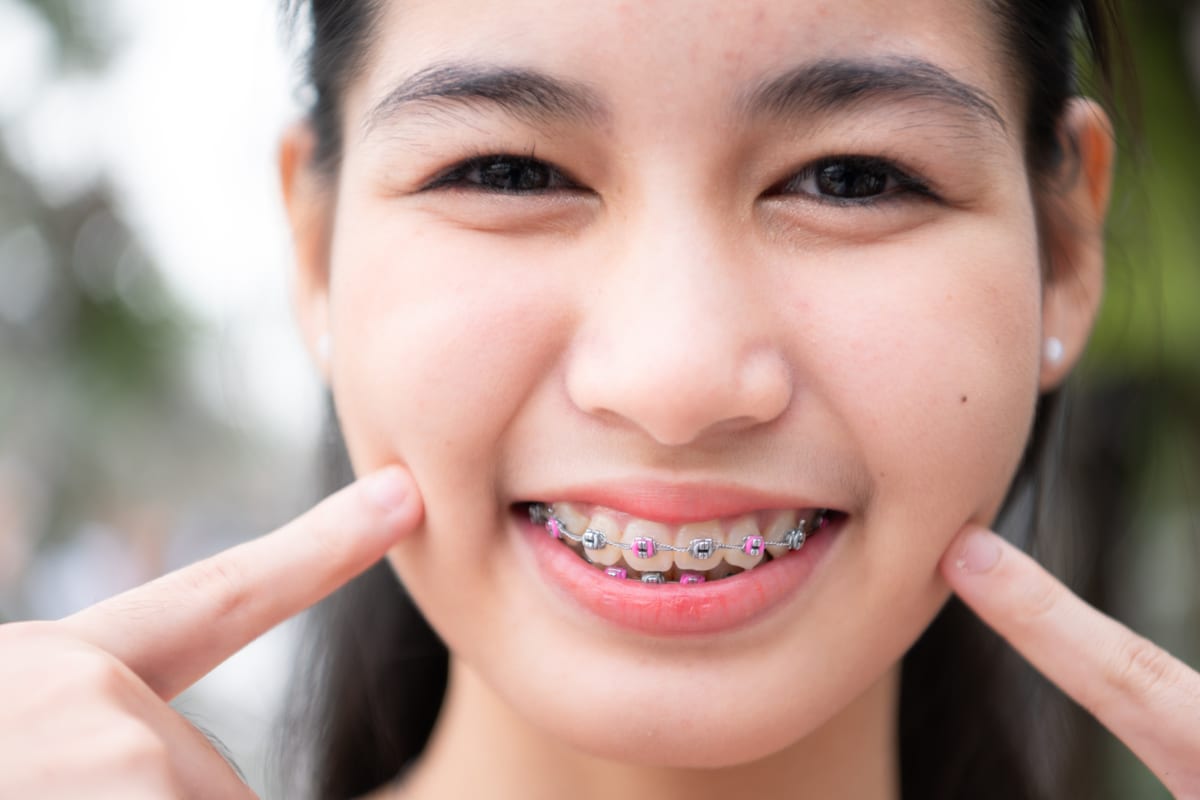
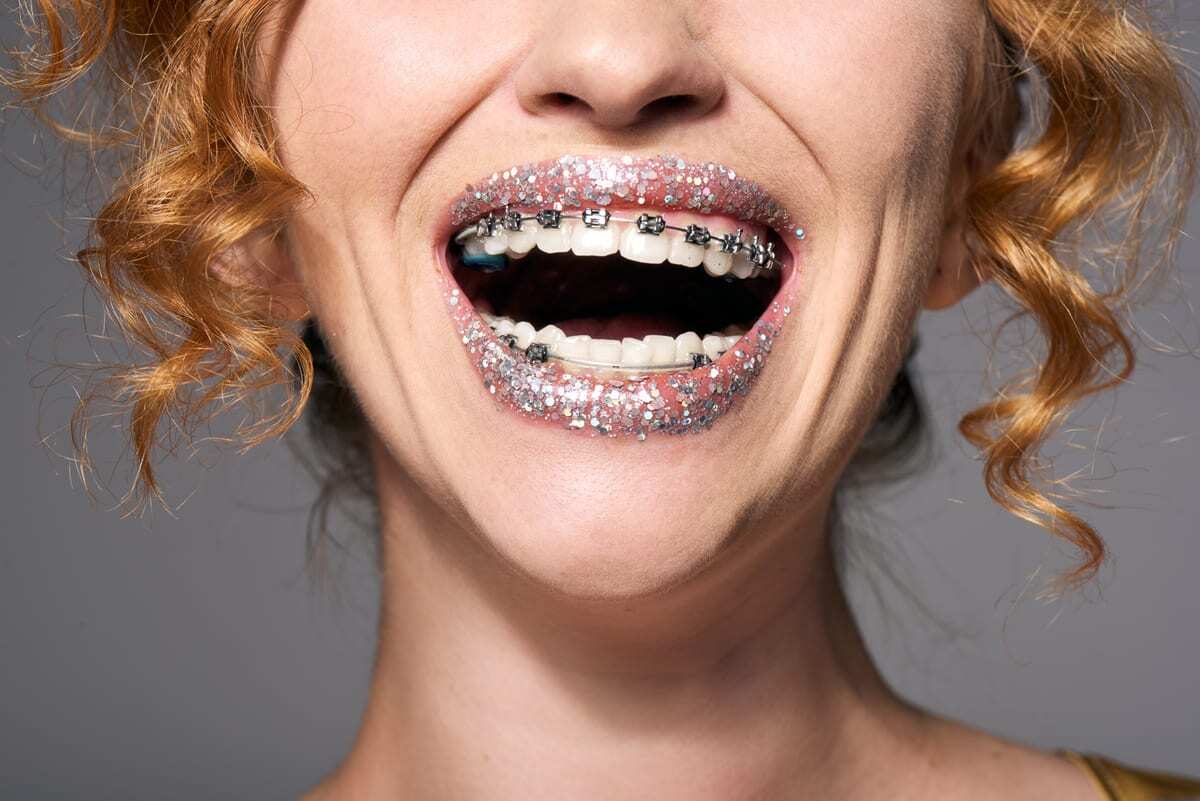
When you’re wearing fixed braces (those metal or ceramic brackets + wires), your mouth becomes a bit more complicated to manage. According to the American Association of Orthodontists, hard and sticky foods can damage brackets or wires, and trapped food increases the risk of decay.
Foods You Can Eat (and Should) with Braces
Here’s a list of braces-friendly foods that you can enjoy comfortably, while still doing your treatment a favor:
Soft, easy-to-chew whole foods
- Yogurt, soft cheeses, milk: these are rich in calcium and gentle on braces.
- Cooked grains like oatmeal, rice, soft pasta: easy to chew and less likely to damage hardware.
- Soft fruits and vegetables: bananas, berries, steamed vegetables—all good.
- Lean proteins in easy-to-chew form: think tender fish, scrambled eggs, and meat cut into small pieces.
- Comfort foods when you’ve just gotten your braces on (your mouth might be sensitive): mashed potatoes, soups, and smoothies.
Why these choices are good
- They minimize the chance of bracket or wire damage.
- They reduce stress on your teeth and gums (important especially after adjustments).
- They help you maintain overall nutrition (you still need vitamins, calcium, and protein).
Foods You Should Avoid (or Modify Heavily) with Braces
Now for the tougher list. These are foods that either increase the risk of damage or make cleaning more difficult—thus putting your treatment at risk.
Major “avoid or modify” categories
- Hard/crunchy foods: Popcorn kernels, nuts, hard candy, raw carrots or apples (unless cut), ice cubes—these can break or dislodge brackets/wires.
- Sticky/chewy foods: Caramel, taffy, gummy candies, chewing gum—they cling to braces, facilitate plaque buildup, and can pull on brackets.
- Sugary & acidic foods/beverages: Frequently consuming sodas, energy drinks, and sugary snacks means more plaque and a higher risk of cavities around braces—especially because cleaning is trickier.
- Biting directly into tough or whole foods, such as corn on the cob, whole apples, or bagels/hard rolls, requires biting force that can stress the appliance.
Some specifics
- Popcorn: Kernels are virtually “caught” in braces and can cause irritation or damage.
- Ice chewing: This may seem harmless, but ice is hard and can crack a bracket.
- Hard breads/rolls: Bagels, thick-crust pizza, and crunchy crust—unless cut into small pieces, they can be risky.
Smart Tips to Eat Carefully (but Still Enjoyably)
- Cut harder foods into smaller, bite-sized pieces, and chew with your back teeth rather than your front teeth if possible.
- After an adjustment (when your teeth might feel sore), stick with very soft foods for the first day or two.
- Rinse your mouth with water or use a water flosser after meals to remove trapped food particles around brackets.
- Don’t skip hygiene: brushing after meals, flossing, or interdental cleaning around braces is more important than ever.
The Bottom Line
Wearing braces is a temporary journey to a permanent, beautiful smile. Your commitment to following food restrictions is a form of compliance that directly impacts your results.
While an estimated 58.5% of orthodontic patients routinely restrict hard foods, maintaining a disciplined diet is crucial to preventing unnecessary breakage and discomfort. By choosing soft, easy-to-chew foods and strictly avoiding anything complicated, crunchy, or sticky, you can help keep your treatment on schedule and reach a dazzling smile faster. Contact Dallas Orthodontics, and your future smile will thank you!
Frequently Asked Questions
1. Can I eat pizza while wearing braces?
Yes—if you modify it. A pizza with a soft crust and toppings that are easy to chew is fine. Avoid biting into a super‐thin, crunchy crust or a topping with nuts/complex pieces. From one guide: “pizza… in general, is soft enough to eat with braces—just make sure to get pizzas with softer crusts.”
2. What about chewing gum or mints?
Chewing gum (especially sugary or sticky) is a no-go with traditional braces—it can stick to wires and brackets. Mints (hard candies) are also risky due to their hard texture and high sugar content. Best avoided.
3. How soon after I get my braces can I eat everyday foods?
Typically, your mouth may be a bit sore for one to two days after bonding or adjustment. Soft foods are safer than. After that, you can resume more normal foods—but still follow the “avoid/modify” rules above indefinitely until braces come off.
4. Will avoiding hard/sticky foods really make a difference in treatment time?
Yes—it can. Bracket failures (due to damage, improper diet, or other factors) can prolong the duration of treatment. For example, each bracket failure may add ~0.3–0.6 months to the treatment time.
5. What drinks should I avoid while wearing braces?
Avoid frequent consumption of acidic/sugary drinks, such as sodas, sports drinks, and energy drinks, as they increase the risk of enamel erosion and decay around brackets. Use water or low-sugar drinks, and try using a straw if you do have something acidic.