
Are you looking to straighten your teeth but unsure whether to go for Invisalign or traditional braces? Both options have their pros and cons, making it difficult to choose between the two. This blog post will break down the differences between these orthodontic treatments and help you make an informed decision. So, let’s dive in and explore Invisalign versus braces!
Invisalign
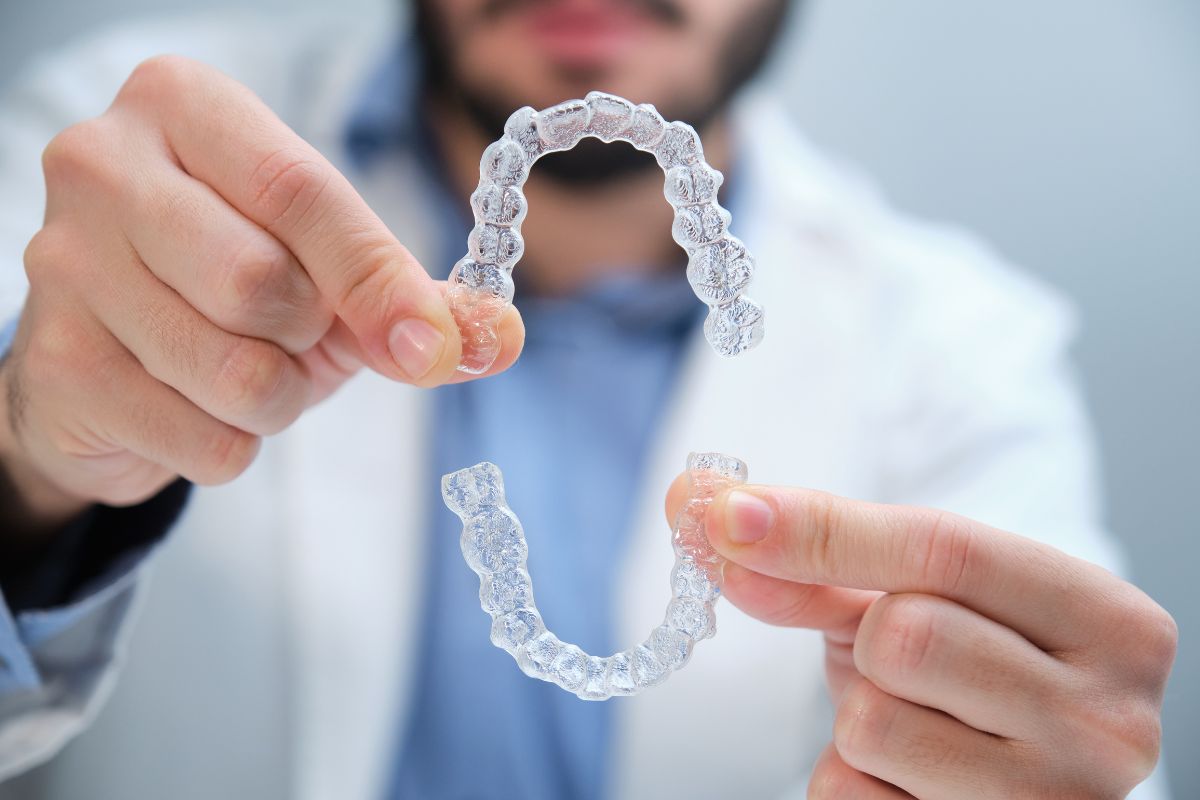
Invisalign is a clear aligner system that works to straighten teeth and correct bite issues. Unlike traditional braces, Invisalign aligners are virtually invisible, making them a popular choice for people who want to straighten their teeth without the metal brackets and wires.
The treatment process involves wearing a series of custom-made aligners that gradually move your teeth into the desired position. Each set of aligners is worn for about two weeks before being replaced with the next in the series.
One of the biggest advantages of Invisalign is that it allows you to maintain good oral hygiene during treatment since you can remove the aligners when eating or brushing your teeth. This makes it easier to clean your teeth compared to traditional braces where food particles can get stuck between wires and brackets.
However, Invisalign may not be suitable for everyone as more complex dental issues may require traditional braces or other orthodontic treatments. It’s important to consult with an orthodontist to determine if Invisalign is right for you before starting any treatment plan.
Braces
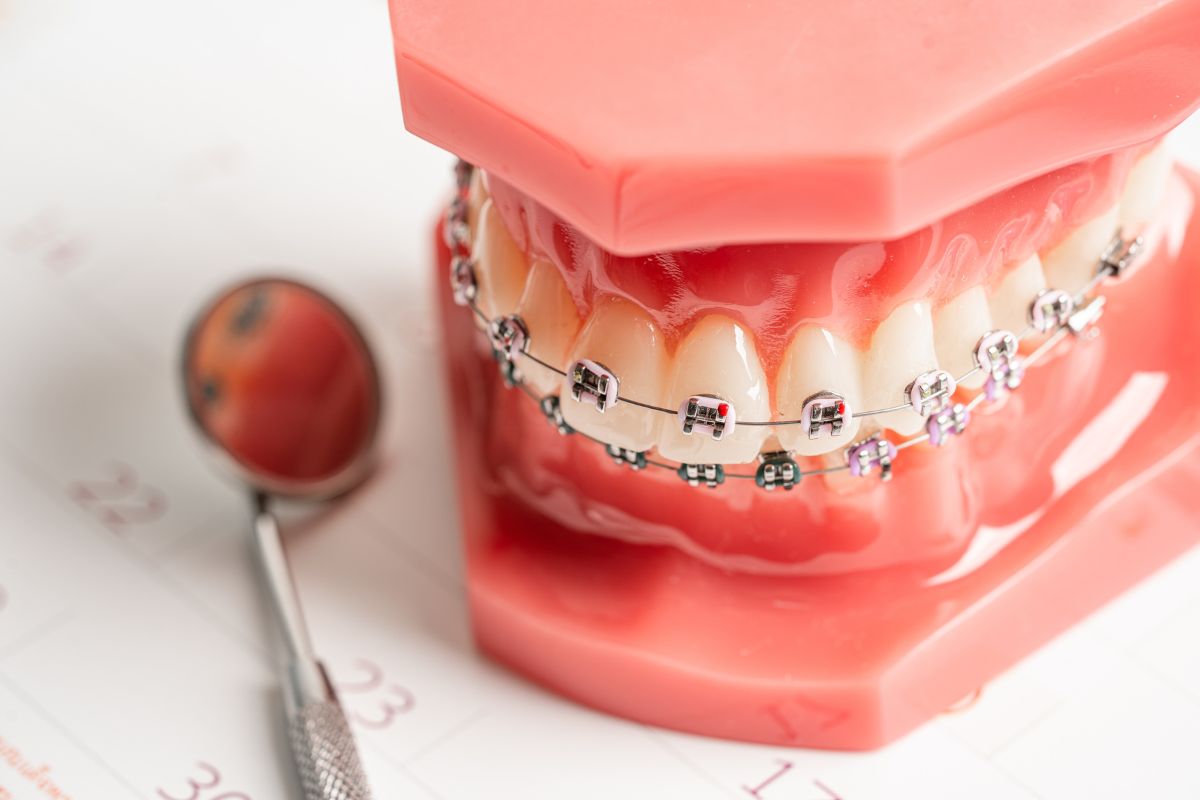
Braces are a traditional orthodontic treatment option that has been used for decades to treat various dental issues. They consist of metal or ceramic brackets that are bonded onto the teeth, and wires that connect them together. Braces work by applying pressure to the teeth in order to gradually move them into their correct position.
One of the biggest advantages of braces is that they can be used to effectively treat even very complex cases. For example, if you have severely crooked teeth, overlapping or gaps between your teeth, or problems with your bite alignment (such as an overbite or underbite), then braces may be the best choice for you.
Another advantage of braces is that they don’t require as much discipline as Invisalign. Since they’re fixed onto your teeth, you don’t need to worry about taking them out and putting them back in every time you eat or drink something other than water.
However, one downside of braces is that they can be quite noticeable and affect the appearance of your smile during treatment. Additionally, getting regular adjustments can cause some discomfort in the first few days following each appointment.
If you have more severe dental issues and want an effective solution for straightening your teeth and correcting any related bite alignment concerns- then consider talking with a dentist about getting traditional braces!
How To Choose Invisalign Or Braces?
Choosing between Invisalign and braces can be a tough decision. To help you make the right choice, there are several factors to consider.
Firstly, think about your lifestyle. If you have an active lifestyle or play contact sports, traditional braces may not be the best option for you as they can cause discomfort and injury during impact. In contrast, Invisalign aligners are removable which makes them ideal for people who lead an active life.
Secondly, consider how severe your dental issue is. While both options can treat most orthodontic problems effectively, more complex cases may require traditional braces as they have been around longer and offer greater control over tooth movement compared to clear aligners.
Thirdly, take into account your personal preferences when it comes to aesthetics. Traditional metal braces are visible which some people find unattractive while Invisalign offers clear plastic aligners that blend in with teeth making them almost invisible.
Ultimately the choice between braces and Invisalign depends on individual needs and preferences. It’s important to consult with an experienced orthodontist who will guide you through the process of deciding what’s best for your specific case.
Invisalign Vs. Braces: Which Is Better?
When it comes to deciding between Invisalign and braces, there is no clear-cut answer as each option has its own set of advantages and disadvantages.
One advantage of Invisalign is that they are virtually invisible, which makes them a great choice for individuals who want to maintain their appearance while undergoing orthodontic treatment. On the other hand, traditional braces are more visible but can achieve more complex tooth movements than Invisalign.
Another advantage of Invisalign is that they allow you to eat whatever you want since they can be removed before meals. However, this also means that you have to remember to wear them for at least 22 hours per day for maximum effectiveness. With braces, there are certain foods you need to avoid in order not damage the brackets or wires.
When it comes down to cost, traditional braces tend to be less expensive than Invisalign in most cases; however, your individual needs will determine which one best fits your budget.
In terms of maintenance and follow up appointments after treatment completion, both options require regular visits with an orthodontist but may vary depending on personal factors such as length of treatment time and type chosen.
Ultimately the decision between Invisalign vs. Braces depends on the individual’s preferences and dental needs alike so consulting with an experienced professional should help guide one towards making a sound decision based on these factors.
The Bottom Line
To sum up, both Invisalign and braces are highly effective in straightening teeth and improving one’s oral health. While braces have been around for a longer time and can treat more complex cases, Invisalign offers convenience, comfort, and flexibility.
The decision between the two ultimately comes down to personal preference and individual needs. It is important to consult with an experienced orthodontist who can evaluate your specific case and recommend the best treatment option.
No matter which option you choose, always remember to practice good dental hygiene habits such as brushing twice a day, flossing daily, and maintaining regular visits with your dentist or orthodontist.
Investing in a proper orthodontic treatment will not only enhance the appearance of your smile but also improve overall oral health. So take that step today towards achieving the beautiful smile you deserve!