
Choosing between Invisalign and braces is one of the most significant decisions you’ll make for your smile—and your daily sanity. While both aim for that “perfect” alignment, they offer vastly different experiences once you leave the orthodontist’s chair.
Are you worried about looking like a middle schooler in your next board meeting? Or perhaps you’re terrified of the “forbidden foods” list that comes with traditional brackets? You aren’t alone. In 2026, orthodontic technology has advanced to the point where “comfort” is no longer a luxury—it’s an expectation.
Let’s dive into the data-backed reality of how these two treatments impact your life, your lunch, and your level of discomfort.
The Comfort Matters
Choosing orthodontic treatment isn’t just about straight teeth — it’s about how you feel every day while you’re getting them.
Think about it: you’ll be wearing your treatment for months (sometimes years), going to work, eating dinner with friends, talking on calls, and dealing with life’s little moments. Comfort isn’t luxury — it’s part of the quality of life during treatment.
So, let’s honestly explore: Which option disrupts your routine less — Invisalign or braces? Spoiler alert — the answer depends largely on your lifestyle, treatment needs, and comfort priorities.
What Are Braces and Invisalign?
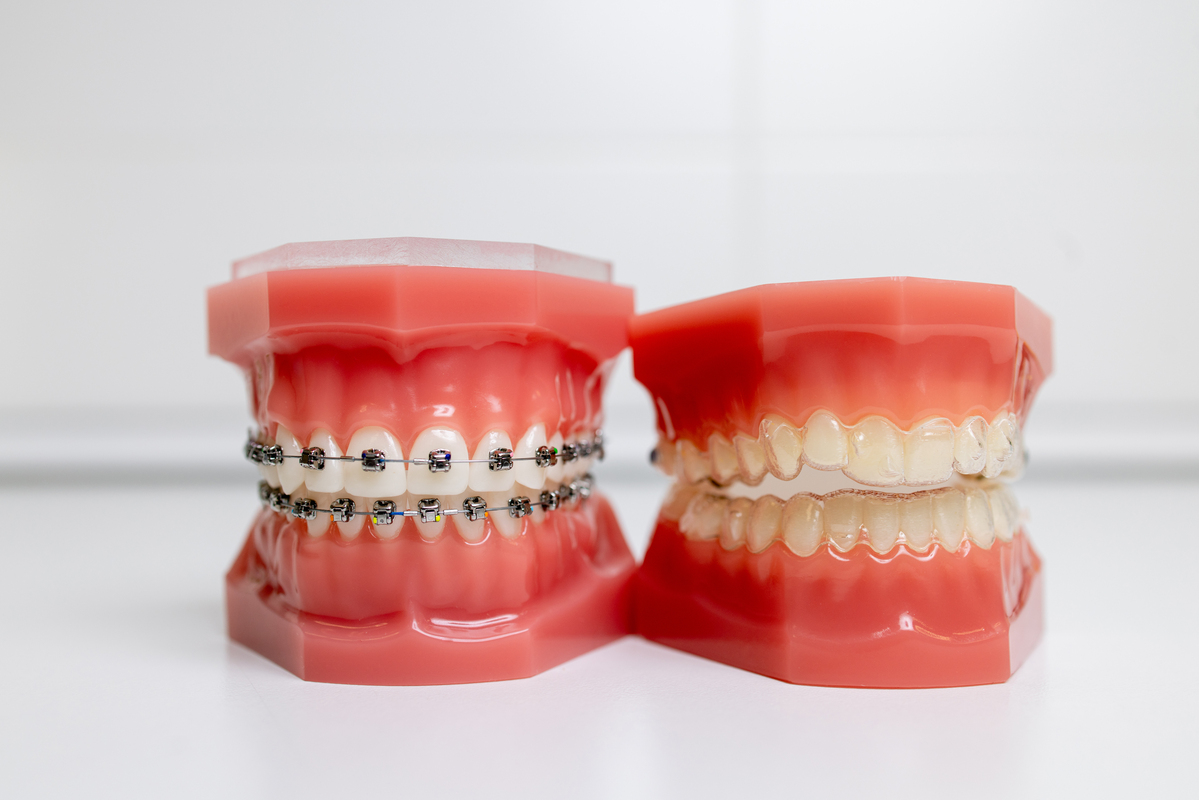
- Traditional Braces: Braces consist of metal or ceramic brackets attached to your teeth and interconnected by wires. They apply continuous force to gradually shift your teeth into proper alignment. Braces have been used for decades and are effective even in complex orthodontic scenarios.
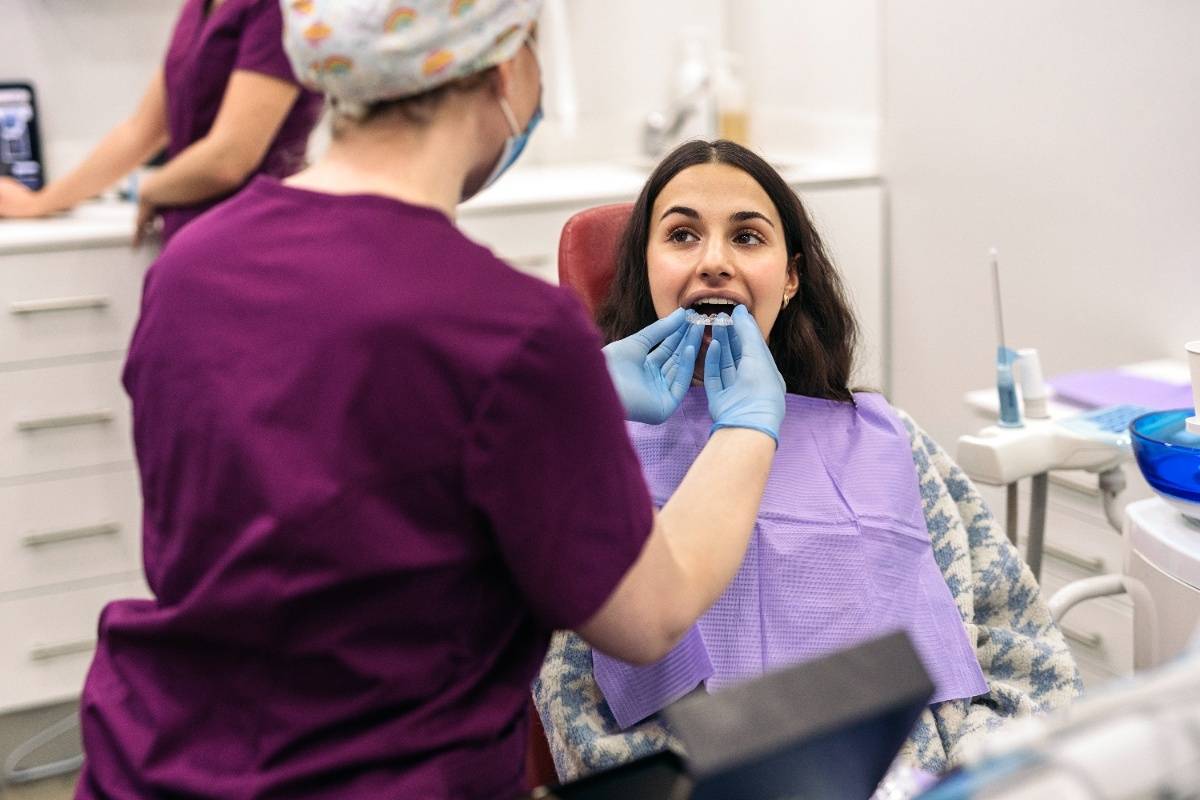
- Invisalign (Clear Aligners): Invisalign uses a series of clear, custom-made plastic aligners that you switch out every 1–2 weeks. They’re removable, nearly invisible, and designed to be worn about 20–22 hours a day.
Both work — but comfort and daily impact can vary widely.
What the Research Says About Comfort
Pain and Sensitivity
One of the clearest findings in scientific studies shows:
Traditional braces tend to cause more discomfort during the first week of treatment (and after adjustments) compared to Invisalign aligners. This includes soreness, gum irritation, and the need for pain relief.
Why it matters:
- Braces involve metal brackets and wires rubbing against delicate soft tissues.
- Invisalign’s smooth plastic reduces irritation, especially in early wear.
Patient Comfort Scores
In a controlled study comparing 50 people wearing clear aligners and 50 wearing braces:
- Comfort Scores:
- Invisalign group: 8.2 / 10
- Traditional braces: 4.9 / 10
- Invisalign patients also rated speech comfort and ease of maintenance higher.
This means people wearing Invisalign generally feel more comfortable throughout treatment.
Daily Life Realities: Eating, Speaking, Hygiene
Eating & Drinking
- Invisalign: Eat whatever you want — aligners come out at mealtimes. No food restrictions.
- Braces: Avoid sticky, crunchy, or hard foods that could break wires or brackets.
Comfort takeaway: Invisalign wins hands-down for mealtime ease.
Oral Hygiene
- Invisalign: Remove for normal brushing and flossing — no extra tools required.
- Braces: Require special tools (like floss threaders) and extra time to clean around wires and brackets.
This makes Invisalign considerably easier to keep your mouth healthy and comfortable — especially if you’re on the go.
Talking & Social Comfort
Both options can affect speech at first:
- Invisalign may cause a slight lisp early on, but most people adjust in a few days.
- Braces may feel bulky at first — some people notice changes in how they feel when speaking or laughing.
But overall, Invisalign’s smooth, removable trays tend to integrate more seamlessly into daily life.
Office Visits & Daily Commitment
Clinic Appointments
- Invisalign: Typically requires fewer in-office visits (every 6–8 weeks).
- Braces: More frequent adjustments (approximately every 4–6 weeks).
Less time in the orthodontist chair means more free time — a comfort many busy adults appreciate.
Treatment Responsibility
- Invisalign: You must wear aligners 20–22 hours daily — taking them out too often can delay results.
- Braces: No removal — once they’re on, they’re working.
So while Invisalign offers daily comfort freedom, it also demands consistency and discipline — which isn’t everyone’s preference.
Treatment Time and Effectiveness
Treatment duration can impact comfort, confidence, and convenience.
In clinical comparisons:
- Invisalign average treatment time: 18 months
- Braces’ average treatment time: 24 months
(With overlapping ranges depending on case severity)
Shorter treatment often means fewer months of discomfort and fewer monthly visits — a lifestyle win for many Invisalign users.
However, it’s important to note that braces remain superior for more complex orthodontic needs (like severe bite issues).
This means your comfort choice isn’t just personal — it’s clinical too.
Daily Comfort: Personal Experiences & Trends
Beyond data, we hear real stories from people who’ve lived both experiences:
- Some Invisalign users love the invisibility and ability to eat freely, but admit it can be a challenge to reinsert trays after meals. (Online patient forums)
- Others say braces are “set-and-forget,” which can feel less stressful for those who don’t want to manage daily wear times. (Online patient forums)
These real-world perspectives underscore that comfort isn’t just physical — it’s emotional and lifestyle-based too.
Which Is More Comfortable for Daily Life?
If comfort and daily lifestyle matter most:
Invisalign is the more comfortable choice for many people — especially those who value aesthetic discretion, food freedom, and easier hygiene. Studies show higher comfort and satisfaction scores with Invisalign.
If you want low maintenance and guaranteed wear:
Braces might feel less stressful because you don’t have to think about removing and replacing aligners throughout the day.
But make no mistake: both systems work well when guided by a professional — comfort alone shouldn’t be the only deciding factor. Clinical needs, case complexity, and personal habits all matter.
Conclusion
If your daily life involves constant meetings, public speaking, or a love for crunchy snacks, Invisalign is the clear winner for comfort. It offers a 96% patient satisfaction rate largely due to its “invisible” nature and dietary flexibility.
However, if you have a severe bite misalignment (like a deep overbite) or you know you won’t stay disciplined with removable trays, Traditional Braces remain the gold standard. They are often slightly more budget-friendly and provide the “heavy lifting” power that plastic trays sometimes lack.
Ultimately, the most “comfortable” choice is the one that fits your habits and gets you to the finish line with a smile you love.
Frequently Asked Questions
1. Are Invisalign aligners less painful than braces?
Yes — clinical research shows traditional braces produce significantly more discomfort, especially in the first week of treatment.
2. Can I eat whatever I want with Invisalign?
Yes! Invisalign aligners are removable at meals, so there are no food restrictions.
3. Are braces more effective than Invisalign?
Braces tend to be more effective for complex orthodontic problems, but Invisalign works well for mild to moderate alignment needs.
4. Does Invisalign require more discipline?
Yes — you must wear aligners consistently for about 20–22 hours per day.
5. Which option needs more office visits?
Braces usually require more frequent adjustment appointments than Invisalign.