

If you have gaps between your teeth, you might wonder if an orthodontist can help fix them. The short answer is yes—gaps are a common issue, and there are safe, effective ways to close them. Whether it’s a small space between your front teeth or more noticeable gaps throughout your mouth, the right treatment can make a big difference in how your smile looks and feels.
Let’s break down why tooth gaps happen and how an orthodontist can help you fix them.
How Does an Orthodontist Fix Tooth Gaps?
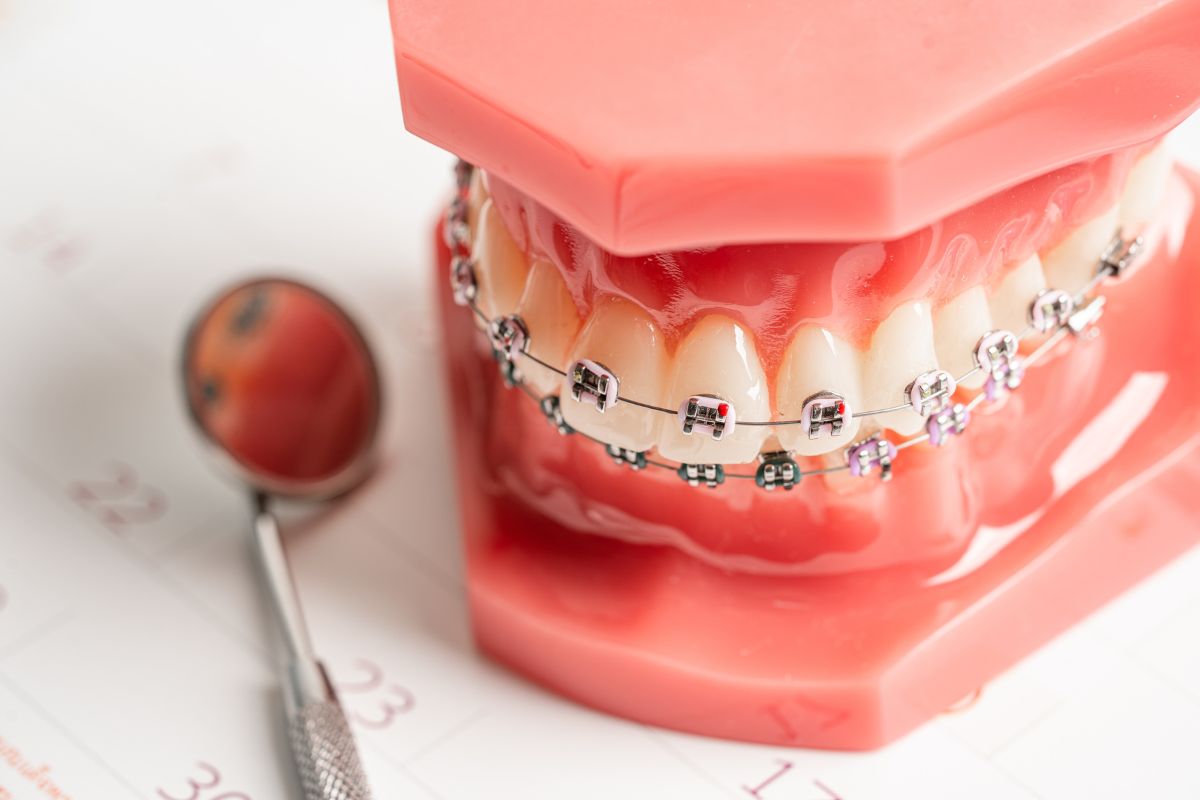
1. Braces for Closing Gaps
Braces are one of the most common ways an orthodontist fixes gaps. Brackets are placed on the teeth and connected by wires. Over time, the braces gently move your teeth into better positions and close the spaces.
Braces work well for small or large gaps. Treatment usually takes about 1–2 years, but it depends on your situation.
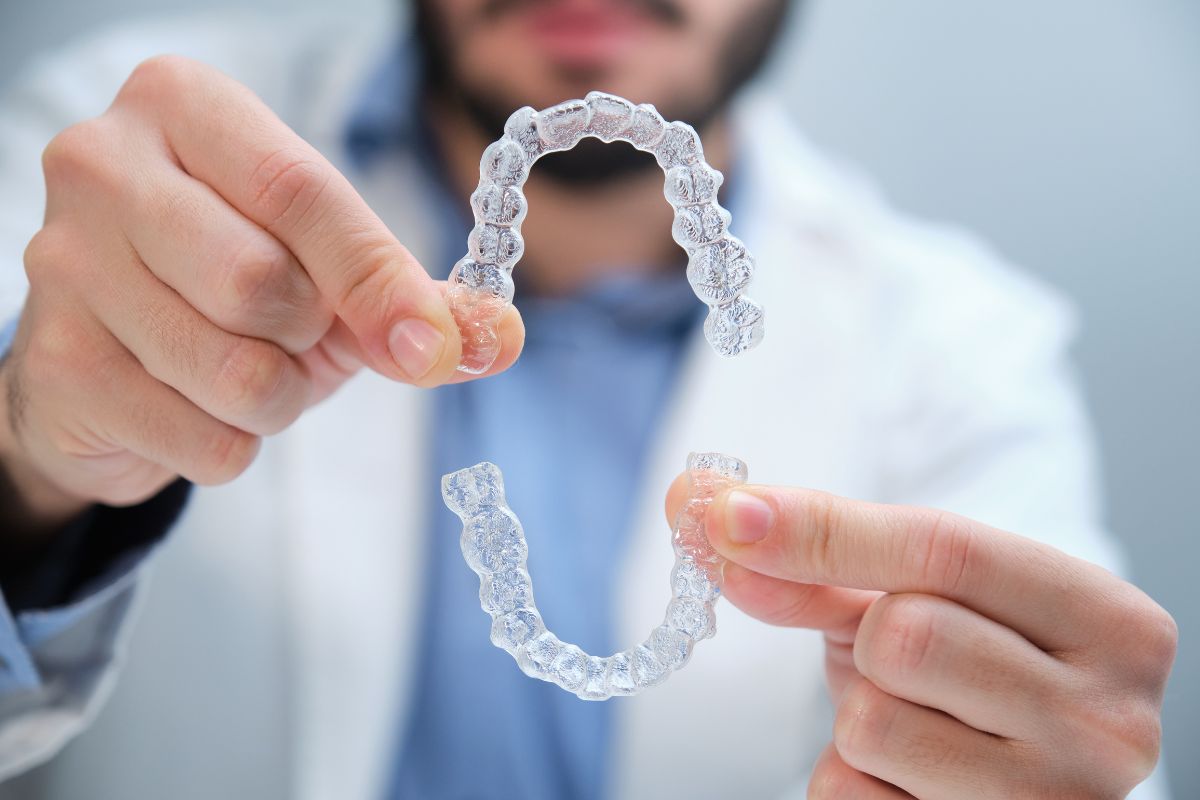
2. Invisalign as a Subtle Option
If you don’t want metal braces, your orthodontist may suggest Invisalign treatment. These are custom-made plastic trays that fit over your teeth and slowly shift them. They’re almost invisible and can be taken out when you eat or brush your teeth.
Aligners are best for small to medium-sized gaps and are often used by teens and adults who want a more discreet option.
3. Retainers for Small Gaps or Aftercare
Some types of retainers can help close very small gaps. More often, though, retainers are used after braces or aligners to make sure your teeth stay in the right place and the gaps don’t come back.
Your orthodontist will let you know if a retainer alone might work or if it’s part of a bigger treatment plan.
Why Do People Get Gaps in Their Teeth?
There are a few reasons someone might have spaces between their teeth:
- Natural spacing: Some people just naturally have extra space in their jaw, which leads to gaps.
- Childhood habits: Things like thumb-sucking or pushing your tongue against your teeth can create gaps over time.
- Missing teeth: If a tooth never came in or had to be pulled, nearby teeth may shift and leave a space.
- Gum problems: Gum disease can lead to bone loss, which might cause your teeth to move and create gaps.
No matter the reason, an orthodontist can take a look and figure out the best way to treat it.
What Happens During Orthodontic Treatment?
If you’re thinking about closing the gaps in your teeth, here’s what you can expect when you visit an orthodontist:
- Initial Exam – They’ll look at your teeth, ask about your concerns, and take X-rays or scans if needed.
- Treatment Plan – They’ll explain your options (like braces or aligners) and help you pick what’s best for you.
- Ongoing Visits – You’ll come in every few weeks so they can make sure your teeth are moving the right way.
- Final Steps – Once the gaps are closed, you might wear a retainer to keep your new smile in place.
The whole process takes time, but the results can be life-changing.
Conclusion: Talk to an Orthodontist About Your Options
Tooth gaps can be more than just a cosmetic concern—they can affect how you chew, speak, and even clean your teeth. The good news is that an experienced orthodontist has the tools to fix the problem in a safe and lasting way.
If you’re wondering what treatment might work best for you, it’s worth talking to a professional. They can walk you through the process and help you feel confident in your decision.
If you’re in Dallas, visiting Dallas Orthodontics can help you understand your options and get you started on the path to a healthier, more confident smile.