
Have you ever caught your child in front of the mirror, practising their “superhero” pose, only to notice they’re a little hesitant to show off their teeth? Or maybe you’ve noticed a whistle in their speech that wasn’t there before, or perhaps a persistent thumb-sucking habit that has you wondering about their future dental bills.
If you’re nodding along, you aren’t alone. In fact, according to the American Association of Orthodontists (AAO), nearly 75% of children and teens in the U.S. can benefit from some form of orthodontic treatment. While many parents think of braces as a “teenager milestone,” the journey to a lifetime of health actually starts much sooner.
Think of braces not just as a way to “fix” a crooked tooth, but as a long-term investment in your child’s systemic health, confidence, and—let’s be honest—your future peace of mind. Let’s dive into the data-backed reasons why straightening those smiles now pays off for decades to come.
What Braces Are — And Why They Matter
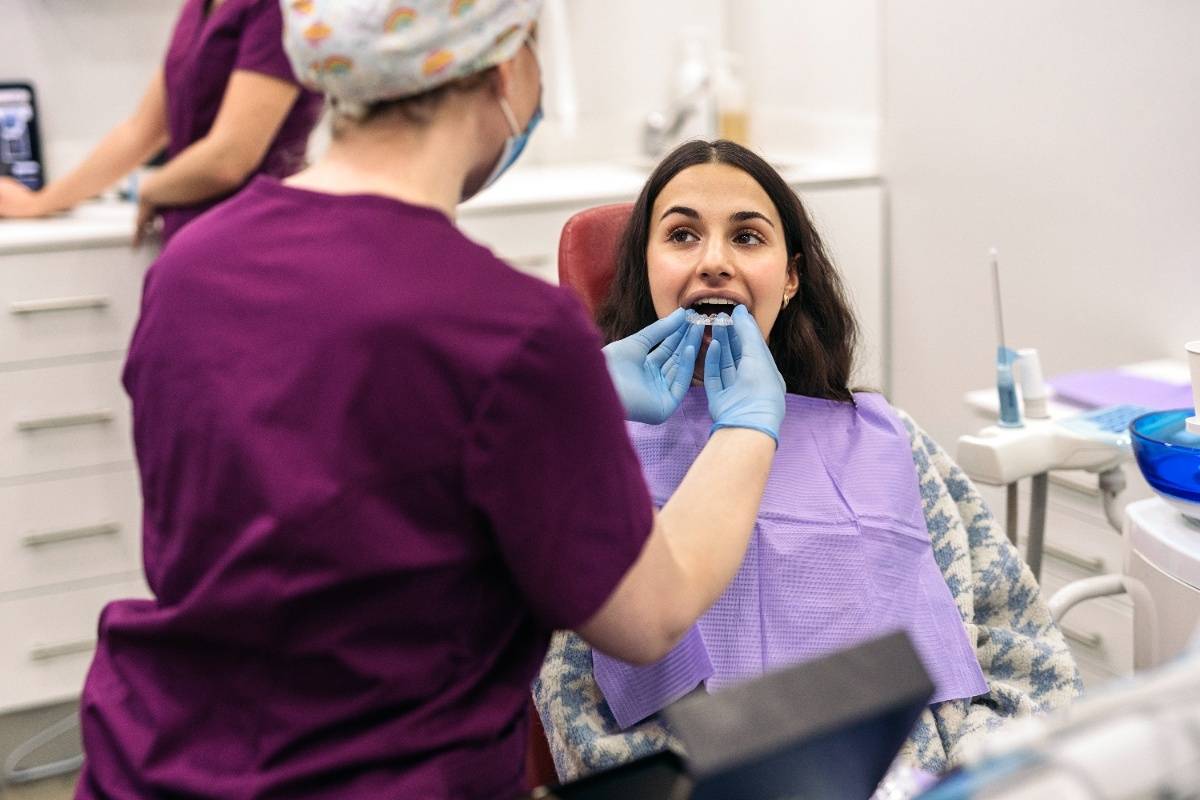
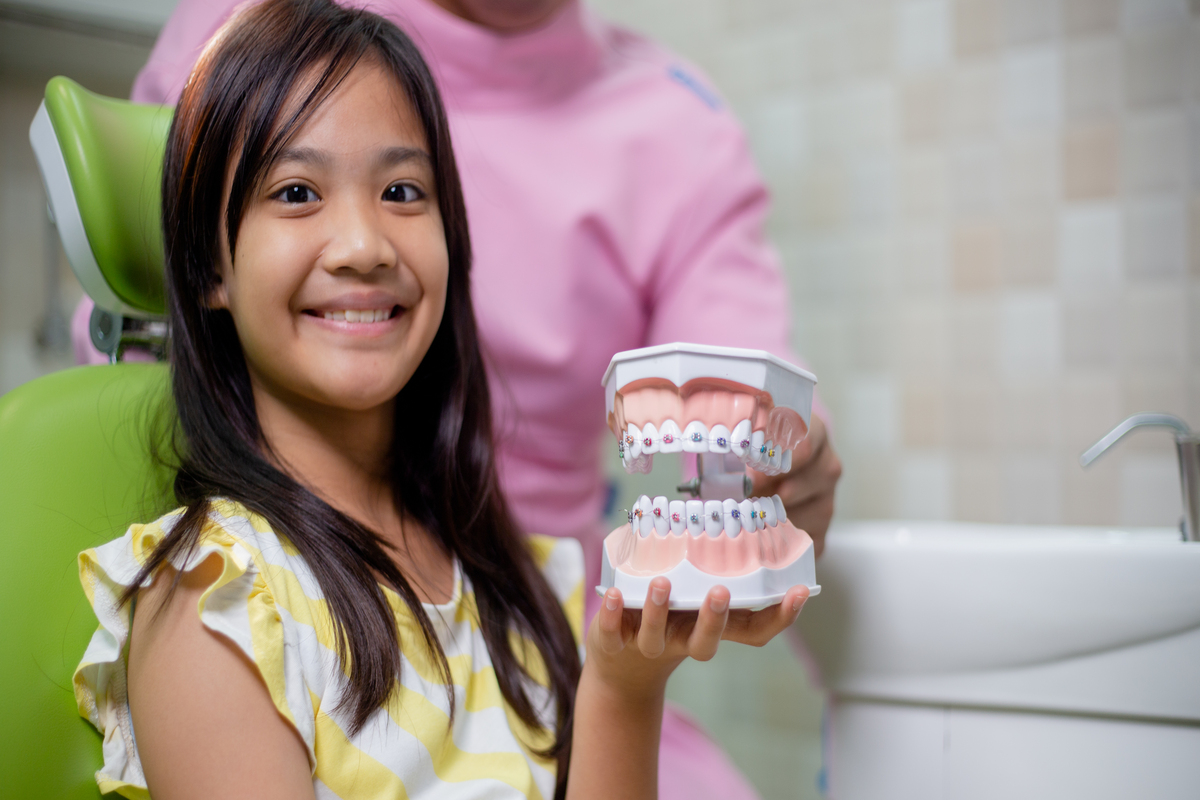
Braces are orthodontic devices used to correct the position of teeth and jaws over time. They gently apply pressure that moves teeth into healthier alignment — which not only improves appearance but also how the mouth functions. There are several types of braces, from traditional metal brackets to clear aligners like Invisalign Teen.
Most kids begin treatment between ages 8 and 14, when permanent teeth are coming in, and the jawbone is still growing. In fact, professional guidelines from dental organisations recommend an orthodontic evaluation by age 7 to catch potential issues early.
Braces By the Numbers: What the Data Says
Before we jump into benefits, here’s a snapshot of relevant U.S. dental health statistics:
Orthodontic Care Is Common
- About 14.5% of all dental procedures for kids and teens in the U.S. are orthodontic visits — making them one of the most common categories of pediatric dental treatment.
Untreated Tooth Decay Still Happens
- Nearly 46% of children ages 2–19 have experienced tooth decay in either primary or permanent teeth, and about 13.2% of kids ages 5–19 have untreated decay.
Why is this important? Misaligned teeth make proper brushing and flossing more difficult, increasing the risk of decay. Braces help fix alignment so kids can clean better.
Many Could Benefit from Orthodontic Care
- Some studies estimate that 20–50% of children may need or benefit from orthodontic treatment at some point.
So braces aren’t just a cosmetic choice — they’re often a functional tool for lifelong oral health.
Big Ways Braces Help Kids (Beyond the Smile)
Let’s walk through the key benefits that braces offer — with data and dentist-verified insights.
Easier, More Effective Oral Hygiene
Straightened teeth are easier to brush and floss properly. When teeth are crowded or crooked, plaque and food particles tuck into places a toothbrush can’t easily reach, increasing cavity and gum disease risk.
Some evidence suggests kids with straight teeth are significantly less likely to experience decay because their mouths are easier to clean.
Better Bite Function = Better Digestion
Misaligned bites can make it hard for kids to chew efficiently. Braces help align the bite, allowing kids to chew food thoroughly — which aids digestion and nutrient absorption.
This may seem small, but in growing bodies, efficient chewing supports overall health.
Clearer Speech Development
Certain speech sounds (like “s,” “sh,” and “th”) depend on proper tongue-to-teeth contact. Misalignment can create speech barriers.
Braces correct spacing and alignment issues, which often lead to clearer, more confident speech as kids learn and grow.
Boosted Confidence & Social Comfort
Ever notice how a child beams after their braces come off? A straight, healthy smile often boosts self-esteem, helping kids feel more comfortable interacting with peers.
This matters in school photos, team sports, first crushes, and every milestone worth smiling about.
Long-Term Protection Against Dental Trauma
Protruding or misaligned teeth are more vulnerable to chipping, cracking, and wear — especially during play and sports. Braces reposition these teeth into safer, stronger alignment.
A more aligned bite distributes chewing forces evenly, protecting teeth from undue stress and wear.
Guided Jaw Growth — Especially in Early Years
Kids’ jaws are still forming — and braces can help gently guide jaw development into a balanced, functional form. Correction during these key years often means shorter treatment time and better long-term outcomes.
This is one reason orthodontists recommend an evaluation by age 7 — early detection can mean easier, more effective treatment.
Potential Long-Term Cost Savings
While braces seem like a big investment up front (costs vary widely), they can reduce the need for more extensive dental work later by preventing ongoing issues like decay, gum disease, and joint problems.
Fixing dental problems early often costs less in the long run than treating complications later in life.
When Should Kids See an Orthodontist?
The American Association of Orthodontists recommends an orthodontic visit by age 7 so a specialist can evaluate jaw and tooth growth.
Many kids don’t start treatment until ages 10–14, when most adult teeth are in, and braces work most effectively.
But early “interceptive” treatment may start sooner if there’s a specific issue — like severe crowding, bite problems, or jaw discrepancies.
Braces Require Careful Oral Hygiene
Braces themselves can create small “trap zones” for food and plaque, so kids need some extra brushing and flossing care. A certified Orthodontist in Dallas often recommends:
- Brushing after every meal
- Using floss threaders or water irrigators
- Regular professional cleanings every 6 months
- Avoiding sticky, hard, or sugary snacks while wearing braces
These healthy habits not only protect braces but also build lifelong oral care routines.
Conclusion: More Than Just A Smile
Braces are more than a rite of passage; they are a foundation for lifelong health. From easing the burden of daily brushing to ensuring your child can speak and eat without discomfort, the benefits extend far beyond a straight row of teeth. By following the AAO’s recommendation for an early check-up, you’re setting your child up for a future where their smile is their greatest asset, not a source of insecurity.
Ready to see if your child is a candidate for a healthier smile? Would you like me to help you find a list of questions to ask during your child’s first orthodontic consultation?
FAQs About Braces for Kids
1. At what age should my child first see an orthodontist?
The American Association of Orthodontists recommends a screening by age 7 to catch growth or alignment issues early.
2. Do braces help prevent cavities and gum disease?
Yes — straight teeth are easier to clean, reducing plaque buildup that leads to decay and gum problems.
3. How long does treatment usually take?
Most kids wear braces for about 18–24 months, depending on their needs. Adjustment visits are typically scheduled every 8–12 weeks.
4. Are braces just cosmetic?
No, while appearance is one benefit, braces can correct functional problems like bite issues, chewing difficulties, and speech challenges.
5. Will insurance cover braces?
Some dental plans cover part of the cost, especially if treatment is deemed medically necessary. Medicaid and CHIP may offer coverage for eligible children. Always check your specific plan.