
Have you or your child ever run your tongue along the back of your front teeth and felt something… unusual? Most of us expect our teeth to be relatively smooth on the backside. But for a small percentage of the population, a sharp, claw-like projection sticks out instead.
If this sounds familiar, you might be dealing with a talon cusp.
While it sounds like something out of a fantasy novel, a talon cusp is a real, physical dental anomaly that can cause a domino effect of oral health issues, ranging from hidden cavities to severe jaw pain.
If you are noticing changes in your bite, finding it impossible to thoroughly floss behind your front teeth, or if your child is complaining about a sharp tooth, it is easy to feel overwhelmed. The good news? You do not have to navigate this alone. Modern orthodontists and pediatric dentists have highly predictable, gentle protocols to manage this condition, protect enamel, and restore a perfectly balanced bite.
Let’s look into what a talon cusp actually is, why it places your teeth at risk, and how orthodontic specialists treat it to prevent tooth damage.
What is a Talon Cusp?
A talon cusp is an extra, accessory cusp (a projection or point) that develops on the back surface—known as the lingual side—of an anterior (front) tooth. It derives its name from its physical appearance, which closely resembles an eagle’s talon.
Fast Facts & Statistics
- Prevalence: Clinical studies published by the Journal of Conservative Dentistry indicate that talon cusps are relatively rare, affecting between 1% to 8% of the population.
- Primary Targets: Up to 92% of recorded talon cusps occur on the maxillary (upper) teeth, with the upper lateral incisors being the most frequently affected.
- Gender and Genetics: According to data from the American Academy of Pediatric Dentistry (AAPD), talon cusps are twice as common in males as they are in females, and they can occur in both primary (baby) and permanent sets of teeth.
While it might look like a simple surface bump, a talon cusp is structurally complex. It contains its own layers of enamel, dentin, and, in many instances, an extension of the tooth’s internal pulp tissue (the nerve and blood supply). This internal structure is exactly why simply grinding it off in a single visit is rarely an option.
Why Talon Cusps Risk Cavities and Damage
Leaving a talon cusp untreated can lead to multiple structural and health issues within the mouth. Because of their shape, they pose immediate mechanical and biological problems.
1. The Ultimate Plaque Trap
Where the extra cusp meets the main body of the tooth, a deep, sharp developmental groove is formed. This groove is often so narrow that toothbrush bristles and floss cannot reach the bottom of it. According to the National Institute of Dental and Craniofacial Research (NIDCR), untreated deep grooves are highly susceptible to localized plaque buildup, increasing the risk of tooth decay in that specific spot by over 60%.
2. Occlusal Interference (Bite Trauma)
When you close your mouth, your upper and lower teeth are meant to interlock smoothly. A talon cusp acts like a boulder in the middle of a highway. When the lower teeth strike this hard projection during chewing or speaking, it creates occlusal interference. This chronic trauma can lead to:
Tooth mobility (loosening of the tooth).
Fractures or chipping of the opposing lower teeth.
Severe wear of the protective enamel layer.
3. Displacement and Malocclusion
Because the mouth seeks the path of least resistance to chew around the obstruction, a talon cusp often forces the tongue or opposing teeth to push the affected tooth out of alignment. This can cause the tooth to tilt forward or rotate, resulting in a visible misalignment (malocclusion).
How Orthodontists Diagnose Talon Cusps
Orthodontists often identify talon cusps during routine evaluations for braces or bite correction.
Diagnosis usually involves:
- Visual examination
- Bite analysis
- Digital X-rays
- Orthodontic imaging
X-rays help determine whether the cusp contains pulp tissue, which affects treatment planning.
Early diagnosis is important because untreated talon cusps can worsen alignment problems over time.
How Orthodontists Treat Talon Cusps
Treatment depends on:
- Size of the cusp
- Bite interference
- Cavity risk
- Presence of pulp tissue
- Patient age
Orthodontists often collaborate with pediatric or restorative dentists to create a customized treatment plan.
1. Monitoring Small Talon Cusps
Not every talon cusp requires aggressive treatment.
If the cusp:
- Does not affect the bite
- Is easy to clean
- Shows no decay
- Causes no discomfort
The orthodontist may simply monitor it during regular dental visits.
Preventive care remains essential to reduce the risk of future cavities.
2. Dental Sealants To Prevent Cavities
One of the most common preventive treatments involves placing dental sealants in the grooves surrounding the cusp.
Sealants act as protective barriers that block bacteria and food particles from collecting in deep crevices.
Research from the American Dental Association shows that sealants can significantly reduce the risk of cavities on vulnerable tooth surfaces.
This simple preventive treatment is especially helpful for children and teenagers.
3. Gradual Cusp Reduction
If the talon cusp interferes with biting or orthodontic movement, orthodontists may recommend gradual reshaping.
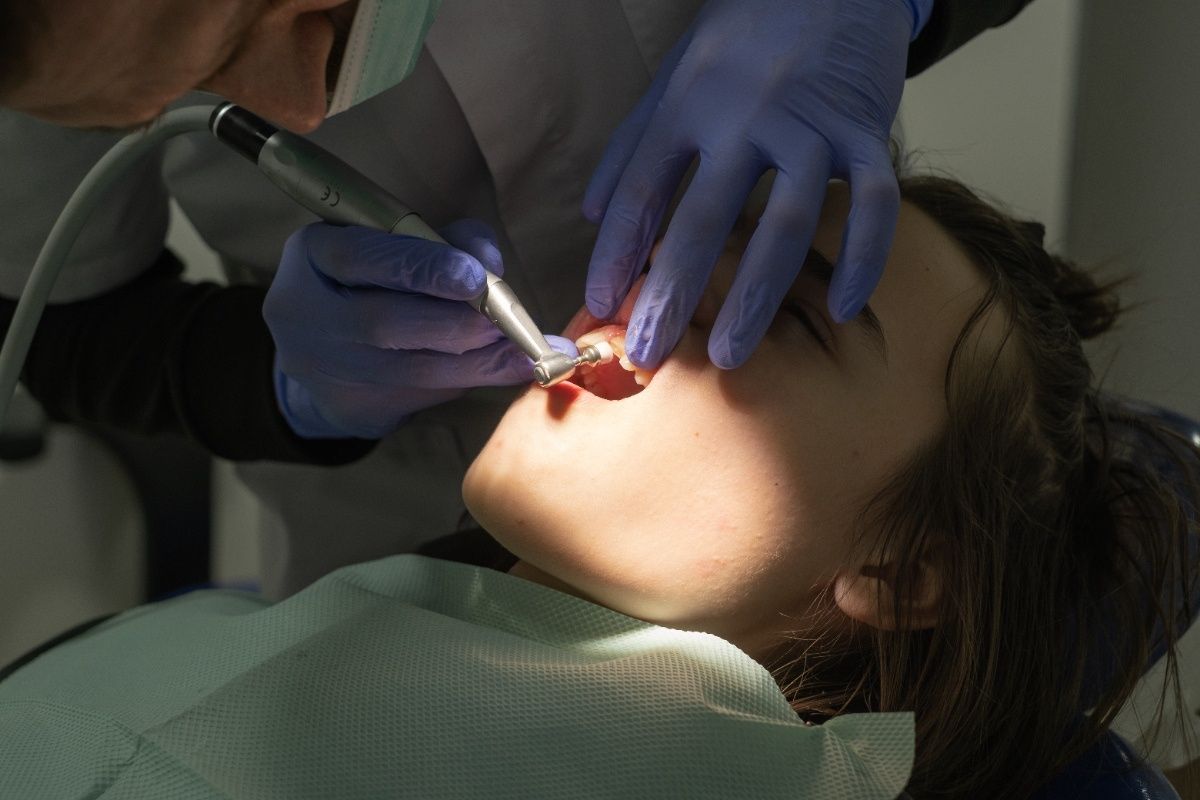
Instead of removing the cusp all at once, dentists slowly reduce small portions over multiple visits.
This gradual approach helps:
- Protect the tooth nerve
- Allow natural dentin repair
- Minimize sensitivity
- Reduce fracture risk
Fluoride treatments are often applied after reshaping to strengthen enamel and decrease sensitivity.
4. Orthodontic Bite Correction
Talon cusps sometimes contribute to:
- Crowding
- Misalignment
- Bite imbalance
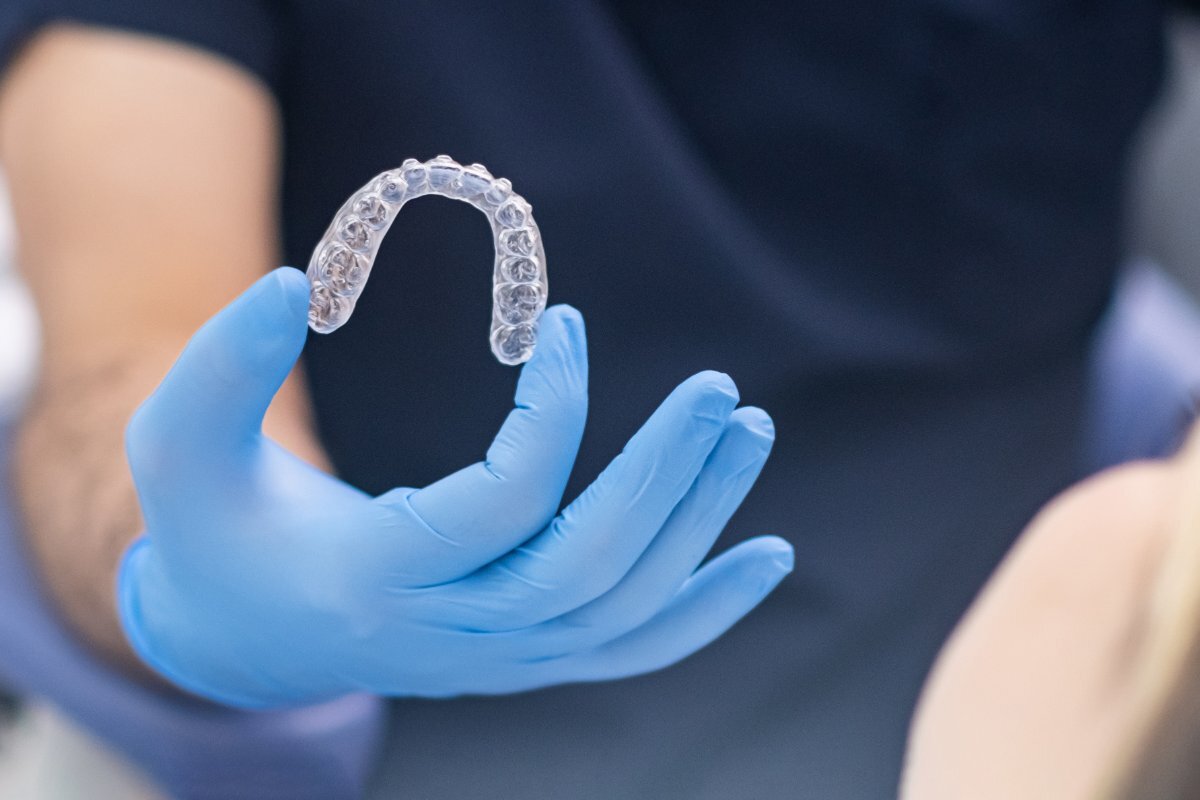
Orthodontic treatment with braces or clear aligners may help correct the positioning of affected teeth and reduce excessive bite pressure.
By improving alignment, orthodontists also help decrease uneven wear and long-term tooth damage.
5. Treating Cavities Around Talon Cusps
If decay develops around the cusp, restorative treatment may include:
- Tooth-colored fillings
- Bonding
- Crowns in severe cases
Early cavity treatment helps preserve tooth structure and prevent infection.
6. Root Canal Therapy for Severe Cases
Large talon cusps that contain pulp tissue can become complicated if fractured or heavily reduced.
In severe situations involving pulp exposure or infection, root canal therapy may be required before further cosmetic or orthodontic treatment.
Although less common, this highlights why early management is important.
Why Early Orthodontic Evaluation Matters
Many talon cusps are discovered during childhood, which makes early orthodontic assessment valuable.
The American Association of Orthodontists recommends that children receive an orthodontic evaluation by age 7.
Early evaluation allows orthodontists to detect:
- Talon cusps
- Bite abnormalities
- Crowding
- Jaw growth problems
Addressing these issues early often reduces the need for more extensive treatment later.
Can Talon Cusps Affect Braces or Invisalign?
Yes. Talon cusps can complicate orthodontic treatment if they interfere with proper tooth positioning or bite alignment.
Potential orthodontic challenges include:
- Difficulty fitting brackets
- Uneven bite contact
- Increased tooth pressure
- Delayed tooth movement
Orthodontists may reshape or stabilize the cusp before beginning braces or Invisalign treatment.
Customized treatment planning helps protect the tooth while safely improving alignment.
Preventing Cavities in Patients With Talon Cusps
Daily oral hygiene becomes especially important for patients with talon cusps.
Orthodontists and dentists often recommend:
- Brushing twice daily with fluoride toothpaste
- Using floss or interdental cleaners
- Avoiding excessive sugary snacks
- Routine dental cleanings
- Dental sealants when appropriate
Patients with braces may need additional cleaning tools to remove plaque around irregular tooth surfaces.
The Role of Fluoride in Protecting Talon Cusps
Fluoride strengthens enamel and reduces the risk of cavities around vulnerable grooves and reshaped surfaces.
Dentists may recommend:
- Professional fluoride varnish
- Prescription fluoride toothpaste
- Fluoridated mouth rinses
The CDC recognizes community water fluoridation as one of the most effective public health measures for preventing tooth decay.
Cosmetic Concerns and Talon Cusps
Some talon cusps are visible when smiling or speaking, particularly if they affect the front teeth.
After orthodontic and preventive treatment, cosmetic improvements may include:
- Dental bonding
- Enamel reshaping
- Veneers in select adult cases
The goal is to improve appearance while preserving healthy tooth structure.
Long-Term Outlook for Talon Cusps
Most patients with talon cusps maintain healthy teeth successfully with proper dental care and monitoring.
The best outcomes occur when:
- Talon cusps are diagnosed early
- Cavities are prevented
- Bite problems are corrected
- Oral hygiene is maintained consistently
Untreated talon cusps may lead to:
- Tooth decay
- Fractures
- Bite dysfunction
- Orthodontic complications
Regular dental and orthodontic visits are key to long-term protection.
Choosing the Right Orthodontist for Talon Cusp Treatment
Because talon cusps are relatively uncommon, it is important to work with an orthodontist experienced in developmental dental anomalies.
Look for a practice that offers:
- Comprehensive orthodontic evaluations
- Digital imaging technology
- Preventive dental care coordination
- Experience with pediatric orthodontics
- Customized treatment planning
Collaborative care between orthodontists and general dentists often provides the best results.
Conclusion
Talon cusps may be rare, but they can create significant oral health challenges if ignored. From trapping bacteria and increasing the risk of cavities to causing bite problems and tooth damage, these extra tooth projections require careful monitoring and customized treatment.
Orthodontists play an important role in identifying talon cusps early and preventing complications through the use of sealants, bite correction, gradual reshaping, and orthodontic alignment. By treating the condition proactively, dental professionals help patients maintain healthier teeth, better bite function, and improved long-term oral health.
If your child or family member has an unusual tooth shape or experiences bite discomfort, consultation with an Orthodontist in Dallas for evaluation may help detect talon cusps before they lead to more serious dental problems.
Frequently Asked Questions
1. Are talon cusps dangerous?
Not always, but they can increase the risk of cavities, tooth fractures, bite problems, and oral discomfort if left untreated.
2. Can talon cusps cause cavities?
Yes. Deep grooves around the cusp can trap plaque and bacteria, making the tooth harder to clean properly.
3. Do talon cusps always need treatment?
No. Small talon cusps that do not affect the bite or increase the risk of cavities may only require monitoring and preventive care.
4. Can braces fix problems caused by talon cusps?
Orthodontic treatment can help correct bite and alignment issues associated with talon cusps, especially when combined with preventive dental treatment.
5. Is talon cusp treatment painful?
Most treatments, including sealants and gradual reshaping, involve minimal discomfort and are performed carefully to protect the tooth nerve.