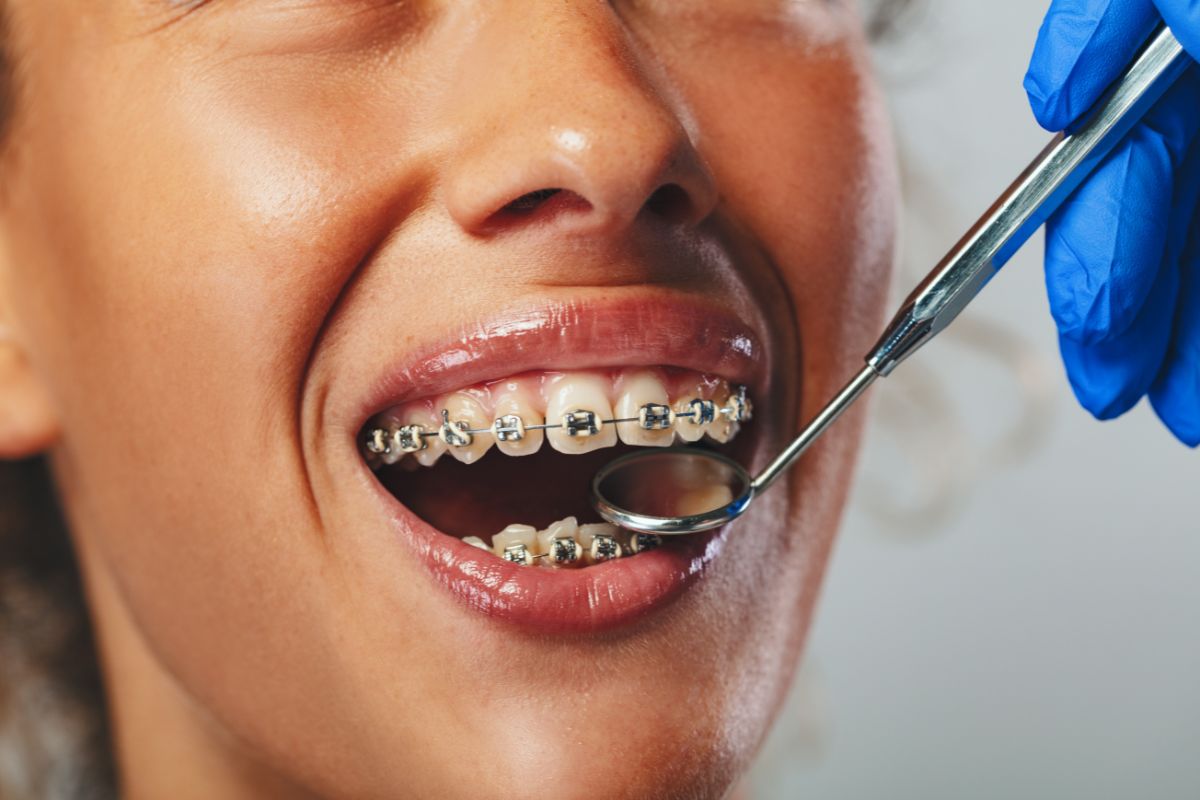

If you’re wondering when the right time is to get braces, most orthodontists agree that the ideal age usually falls between 10 and 14 years old. During these years, the jaw and facial bones are still developing, making it easier to guide teeth into their proper positions. At Dallas Orthodontics, we often find that children in this age range respond best to orthodontic treatment. However, many adults in Dallas are also choosing braces today, proving that it’s never too late to improve your smile and oral health.
Understanding Why Timing Matters in Orthodontics
The age at which braces are started can have a big impact on both the effectiveness and duration of treatment. When children are still growing, the bones around their teeth are softer and more adaptable. This allows braces to move teeth more efficiently and with less discomfort. Early orthodontic care can also prevent more serious dental issues later, such as severe crowding, uneven bite alignment, or jaw joint strain.
At Dallas Orthodontics, our experienced orthodontists often recommend scheduling your child’s first orthodontic evaluation by age 7. This allows us to detect potential bite issues early and plan for the most effective treatment when the time is right.
The Best Age Range for Braces
Every patient is unique, but there are certain age ranges that tend to work best for orthodontic treatment.
1. Early Childhood (7 to 9 years)
This is a stage where orthodontic screenings are essential. While full braces might not be needed yet, early assessments help orthodontists identify crowding, jaw growth issues, or habits that could impact dental alignment. In some cases, early or interceptive treatment may be advised to guide future development.
2. Preteen to Early Teen Years (10 to 14 years)
This is often considered the most effective age for braces. At this point, most permanent teeth have erupted, and the jawbone is still growing. This combination makes it easier to align teeth properly and ensure lasting results. For children in Dallas, this age range provides an ideal window to start orthodontic treatment with the highest success rate.
3. Late Teens and Adulthood
Many adults in Dallas seek orthodontic treatment to improve their smiles and bite function. Even though adult jawbones have finished developing, today’s orthodontic technology makes it possible to achieve remarkable results at any age. Treatment might take a bit longer compared to younger patients, but the outcomes are equally rewarding.
Factors That Influence the Right Time for Braces
The decision to get braces depends on several individual factors. Your orthodontist will consider the following before recommending treatment:
- The alignment of your teeth and the degree of crowding or spacing
- The development of your bite, including overbite, underbite, or crossbite
- Jaw growth and structure
- Oral habits such as thumb sucking or mouth breathing
- Dental health and hygiene
At Dallas Orthodontics, we take time to assess every aspect of your oral health and growth pattern before creating a personalized treatment plan. Our goal is to ensure your braces deliver long-term comfort and stability, not just a temporary aesthetic fix.
What Happens If You Delay Getting Braces
Waiting too long to begin treatment can sometimes make orthodontic issues more complex. Once the jaw stops growing, tooth movement becomes slower and may require more extensive treatment. However, adults can still achieve significant improvements. Many of our patients in Dallas have chosen braces or clear aligners later in life to correct alignment problems that were never addressed as children. With careful planning and advanced technology, results can still be highly effective and life-changing.
Modern Orthodontic Options in Dallas
Braces today are far more comfortable, efficient, and discreet than they were in the past. At Dallas Orthodontics, we offer several modern options to fit different needs and lifestyles. These include:
- Traditional metal braces that remain a reliable choice for comprehensive correction
- Ceramic braces that blend with the natural color of teeth for a subtle appearance
- Lingual braces placed behind the teeth for a hidden treatment option
- Clear aligners that provide a nearly invisible alternative to braces
Each option has its own advantages, and your orthodontist will help you choose the one that fits your treatment goals and daily routine best.
The Importance of Early Orthodontic Evaluations
The American Association of Orthodontists recommends that children receive their first orthodontic screening by age 7. Even if braces are not needed immediately, these early visits give our team at Dallas Orthodontics an opportunity to monitor growth and catch issues before they become more serious. This proactive approach often leads to shorter treatment times and better long-term outcomes.
Local Expertise You Can Trust in Dallas
When it comes to orthodontic care, experience and local understanding matter. Our team at Dallas Orthodontics has extensive experience treating children, teens, and adults across the Dallas community. We combine years of professional expertise with advanced orthodontic technology to ensure every patient receives the highest quality care possible. Our approach focuses on comfort, function, and confidence, helping Dallas families achieve beautiful smiles that last.
Conclusion
The best age to get braces often falls between 10 and 14 years, but orthodontic treatment can be successful at nearly any age. What matters most is choosing the right time based on your individual dental needs and working with a trusted orthodontist who understands how to achieve long-term, healthy results.
If you’re considering braces in Dallas, we encourage you to visit Dallas Orthodontics for a personalized consultation. Whether for your child or yourself, our experienced team will guide you toward the most effective treatment plan for your smile.
FAQs
What is the ideal age to get braces?
Most orthodontists recommend getting braces between ages 10 and 14, when permanent teeth have come in and the jaw is still growing. This allows for easier movement and better long-term results. However, braces can be effective at nearly any age with proper treatment planning.
Can adults get braces too?
Yes, absolutely. Many adults in Dallas choose braces or clear aligners to correct crowding, bite issues, or cosmetic concerns. Although treatment may take slightly longer compared to children, modern orthodontic techniques make it comfortable and effective for all ages.
How do I know if my child needs braces?
Common signs include crowded or crooked teeth, difficulty chewing, mouth breathing, or an uneven bite. If you notice these issues, it’s best to schedule an orthodontic evaluation at Dallas Orthodontics to determine whether early treatment may help.
What happens if braces are delayed past the teenage years?
Waiting until adulthood can make tooth movement slower since bone growth has stopped. However, orthodontic treatment is still possible at any age. The main difference is that adult patients may require longer treatment times or additional appliances to achieve the desired results.
How long does treatment with braces usually take?
The duration depends on the severity of alignment issues and the type of braces used. On average, treatment lasts between 18 months and 3 years. Your orthodontist in Dallas will give you an estimated timeline after examining your teeth and bite.