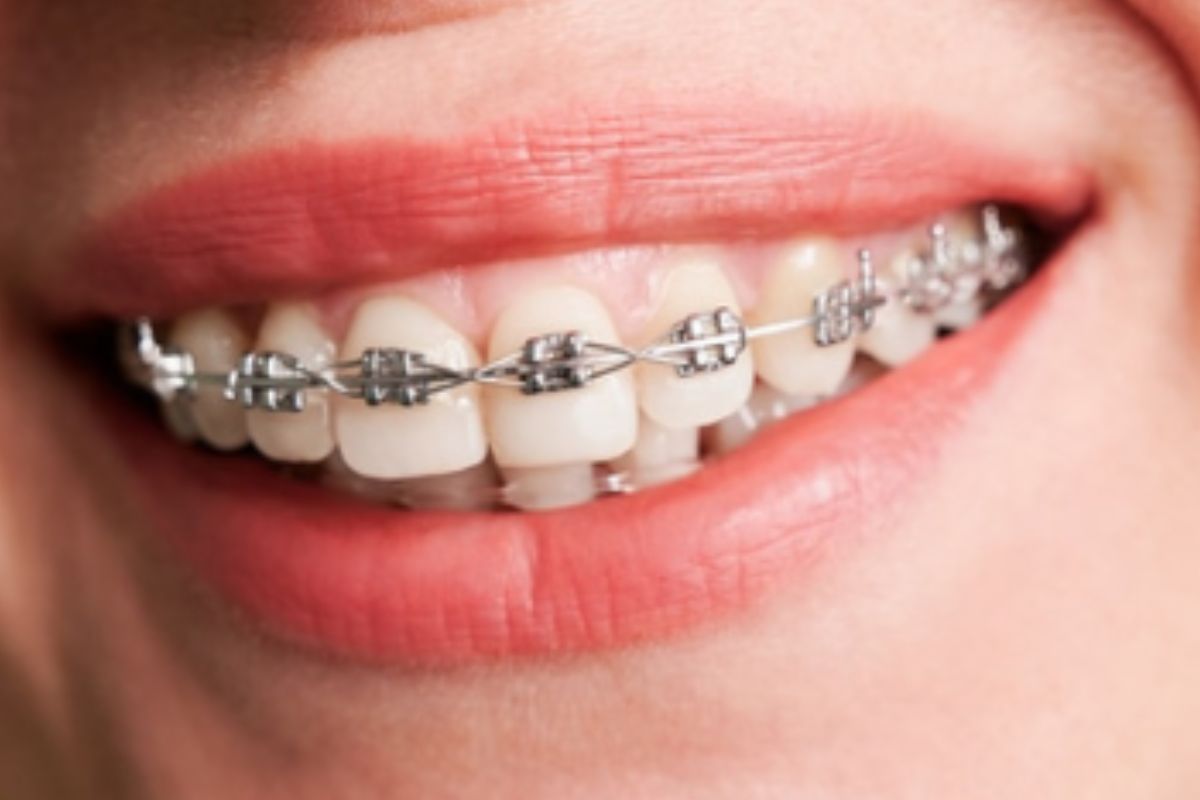

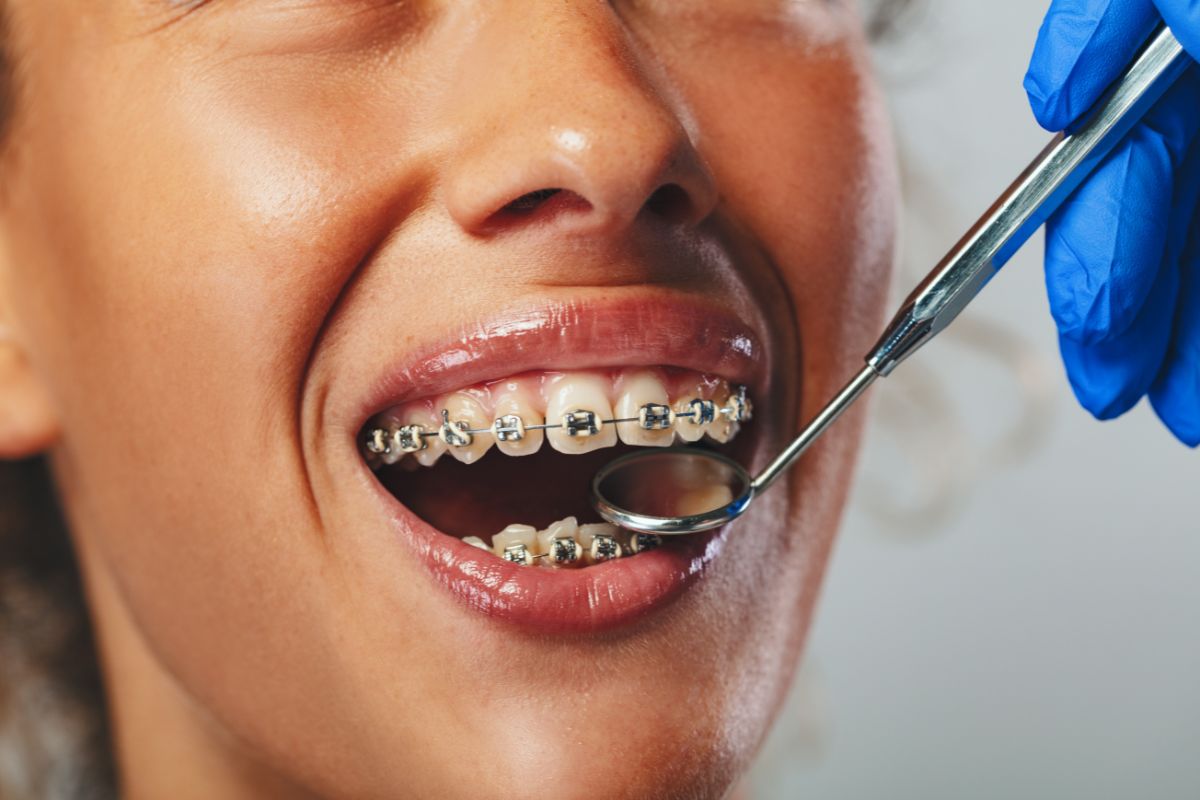
Maintaining oral hygiene with braces is essential for keeping your teeth and gums healthy while ensuring your orthodontic treatment progresses smoothly. Braces can trap food particles and plaque, which increases the risk of cavities, gum inflammation, and staining if not properly cared for. At Dallas Orthodontics, our experienced team helps patients in Dallas enjoy healthy teeth and a beautiful smile throughout their braces journey.
Why Oral Hygiene Matters With Braces?
Braces create small spaces around brackets and wires where food and bacteria can accumulate. Without proper care, this buildup can lead to tooth decay, gum disease, and unpleasant odors. Maintaining a consistent oral hygiene routine is key to protecting your oral health and supporting the best results from your braces treatment.
Effective Brushing Routine for Braces
Brushing correctly is the most important part of oral care with braces. Consider these dentist-approved techniques:
- Choose the Right Toothbrush: A soft-bristled toothbrush or an electric toothbrush with an orthodontic head helps remove plaque while protecting brackets and wires.
- Brush After Every Meal: Food particles can easily get stuck in braces, so brushing after eating reduces the risk of buildup and staining.
- Use Proper Technique: Angle the toothbrush at 45 degrees toward the gumline and gently clean around brackets, wires, and the chewing surfaces. Take your time and brush for at least two minutes.
- Consider Fluoride Toothpaste: Fluoride strengthens enamel and helps prevent cavities during orthodontic treatment.
Flossing With Braces
Flossing can be more challenging with braces, but it is essential for healthy gums. Use a floss threader or orthodontic floss to slide between teeth and under wires. Interdental brushes or water flossers can also reach areas that regular floss might miss. Aim to floss at least once a day to maintain gum health.
Tools That Make Oral Care Easier
Enhancing your oral hygiene with the right tools makes a big difference while wearing braces:
- Water Flossers remove food and plaque around brackets and between teeth.
- Orthodontic Wax protects your cheeks and lips from irritation caused by braces.
- Fluoride Rinse provides extra protection against cavities and enamel weakening.
Foods to Avoid With Braces
Your diet directly affects your oral health during orthodontic treatment. Avoid sticky, hard, or chewy foods that can damage brackets and wires, such as caramel, chewing gum, hard candies, nuts, popcorn, and ice. Soft foods like yogurt, pasta, cooked vegetables, and small pieces of fruit are safer choices and gentle on your braces.
Common Braces Mistakes You Should Avoid include brushing too hard, skipping flossing, and neglecting to address broken brackets or wires promptly, as these can lead to oral issues and slow your treatment progress.
Regular Checkups Are Essential
Even with diligent home care, professional cleanings and orthodontic visits are critical. Regular appointments at Dallas Orthodontics help monitor oral health, ensure braces are working properly, and address any issues early. Consistent professional oversight builds trust and ensures your teeth remain healthy throughout treatment.
Conclusion
Maintaining oral hygiene with braces is entirely achievable with the right habits, tools, and professional guidance. Patients wearing braces in Dallas can protect their teeth and gums by following proper brushing and flossing routines, avoiding harmful foods, and attending regular orthodontic visits. Prioritizing oral care now ensures a healthy, confident smile after treatment.
With dedication to a proper oral hygiene routine and regular checkups, you can maintain excellent dental health while enjoying the benefits of braces in Dallas. Schedule a consultation at Dallas Orthodontics today to learn personalized tips for keeping your teeth healthy and your smile radiant during your braces journey.
FAQs
How often should I brush my teeth with braces?
You should brush your teeth after every meal when wearing braces to remove food particles and prevent plaque buildup. A thorough two-minute brushing session using a soft-bristled or electric toothbrush is recommended.
Can I use a regular toothbrush with braces?
Yes, you can use a soft-bristled toothbrush, but an electric toothbrush with an orthodontic head is more effective at cleaning around brackets and wires. Both are safe if used correctly.
How do I floss with braces?
Flossing with braces requires a floss threader or orthodontic floss to reach between teeth and under wires. Interdental brushes or a water flosser are helpful tools for removing food and plaque from hard-to-reach areas.
What foods should I avoid while wearing braces?
Avoid sticky, hard, or chewy foods that can damage brackets or wires, including caramel, chewing gum, hard candies, popcorn, nuts, and ice. Soft foods like pasta, yogurt, cooked vegetables, and cut-up fruits are safer options.
Can I prevent cavities while wearing braces?
Yes. Brushing after meals, flossing daily, using fluoride toothpaste and rinses, and attending regular checkups with your orthodontist can significantly reduce the risk of cavities during braces treatment.