
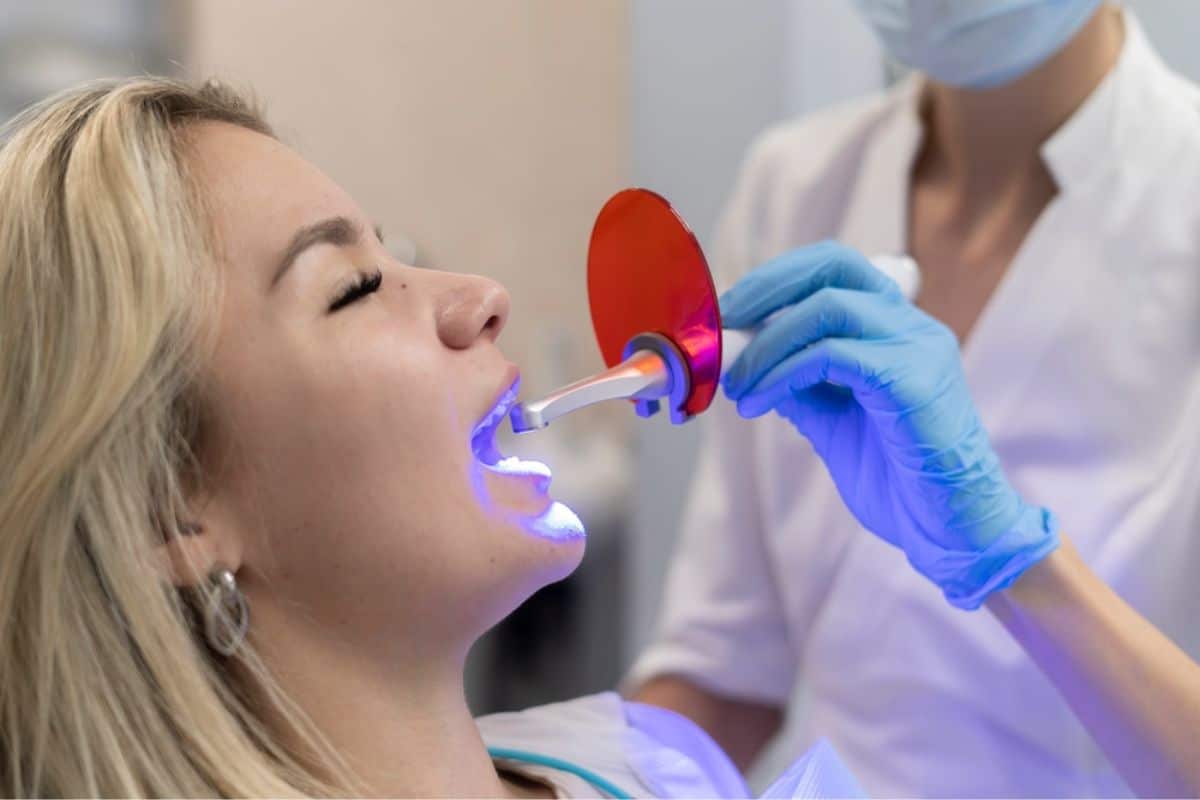
When people think about braces, the first thing that often comes to mind is getting straighter teeth. But what many don’t realize is that seeing an orthodontist can also help fix speech problems. In Dallas and other cities, orthodontists help both kids and adults speak more clearly by correcting issues with how the teeth and jaws line up.
Let’s break down how speech is affected by dental problems and how braces can make a real difference.
Why an Orthodontist Looks at More Than Just Straight Teeth
Speaking clearly depends on more than just your voice. Your tongue, teeth, lips, and jaw all work together to form sounds. When the teeth or jaw are out of place, this can make it harder to say certain words or sounds.
For example, a gap between the front teeth or an open bite might cause a lisp. A deep overbite can make it hard for your tongue to move properly. Some people even have trouble pronouncing simple sounds like “s,” “sh,” or “th” because their teeth are not aligned the right way.
A trained orthodontist can look at how your teeth and jaw are affecting your speech. If your bite is part of the problem, braces may help correct it and improve how you talk.
Common Problems Orthodontists See That Affect Speech
An orthodontist often treats several bite issues that can lead to speech problems, including:
- Overbite – The upper front teeth stick out too far.
- Underbite – The lower front teeth sit in front of the upper teeth.
- Open bite – The front teeth don’t meet when the mouth is closed.
- Crossbite – Some top teeth sit inside the lower teeth.
- Crowding or spacing – Teeth that overlap or have large gaps can affect airflow or tongue movement.
These conditions change the shape of the mouth and how the tongue touches the teeth. That can make sounds unclear, especially in fast or normal conversation.
How an Orthodontist Uses Braces to Improve Speech
Braces work by slowly moving teeth into better positions. Over time, the bite improves, and so does speech.
Here’s how an orthodontist in Dallas typically handles this:
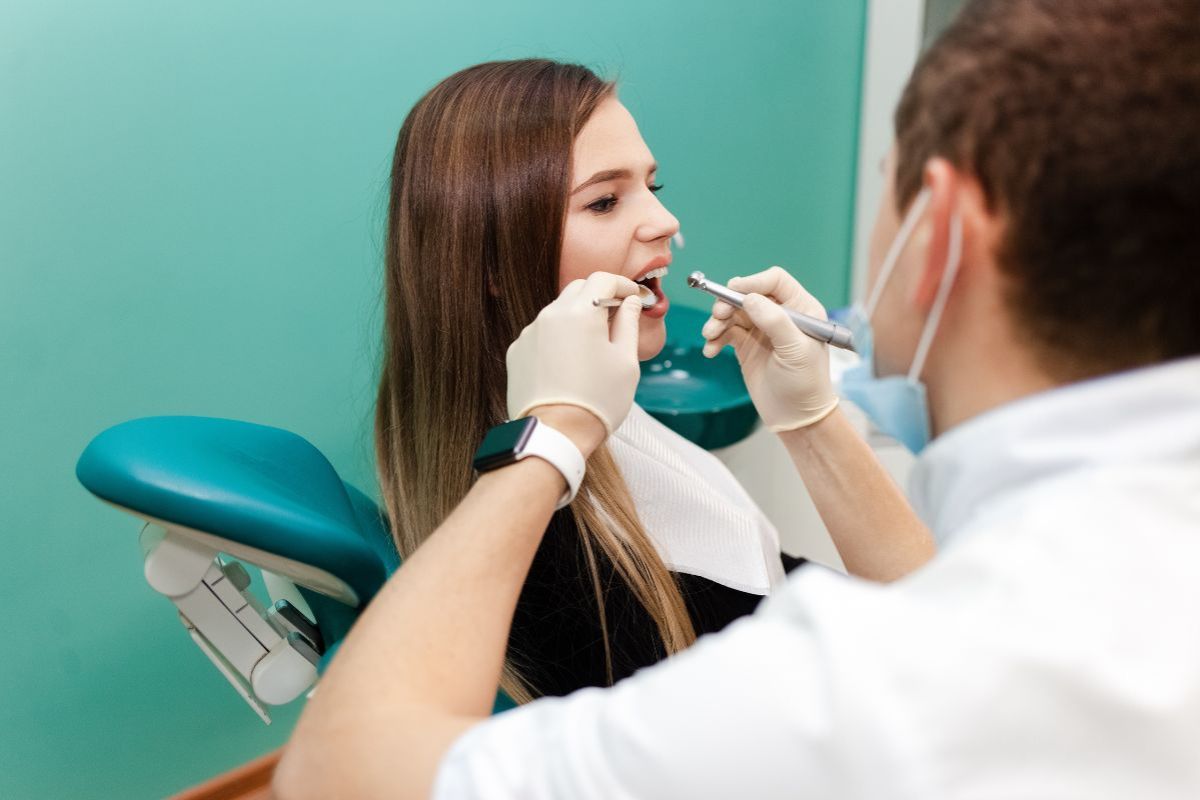
- Initial Exam – The orthodontist checks your teeth, bite, and how your jaw moves. If speech is a concern, they may work with a speech therapist as well.
- Treatment Plan – If braces can help, the orthodontist will create a plan that fits your specific needs.
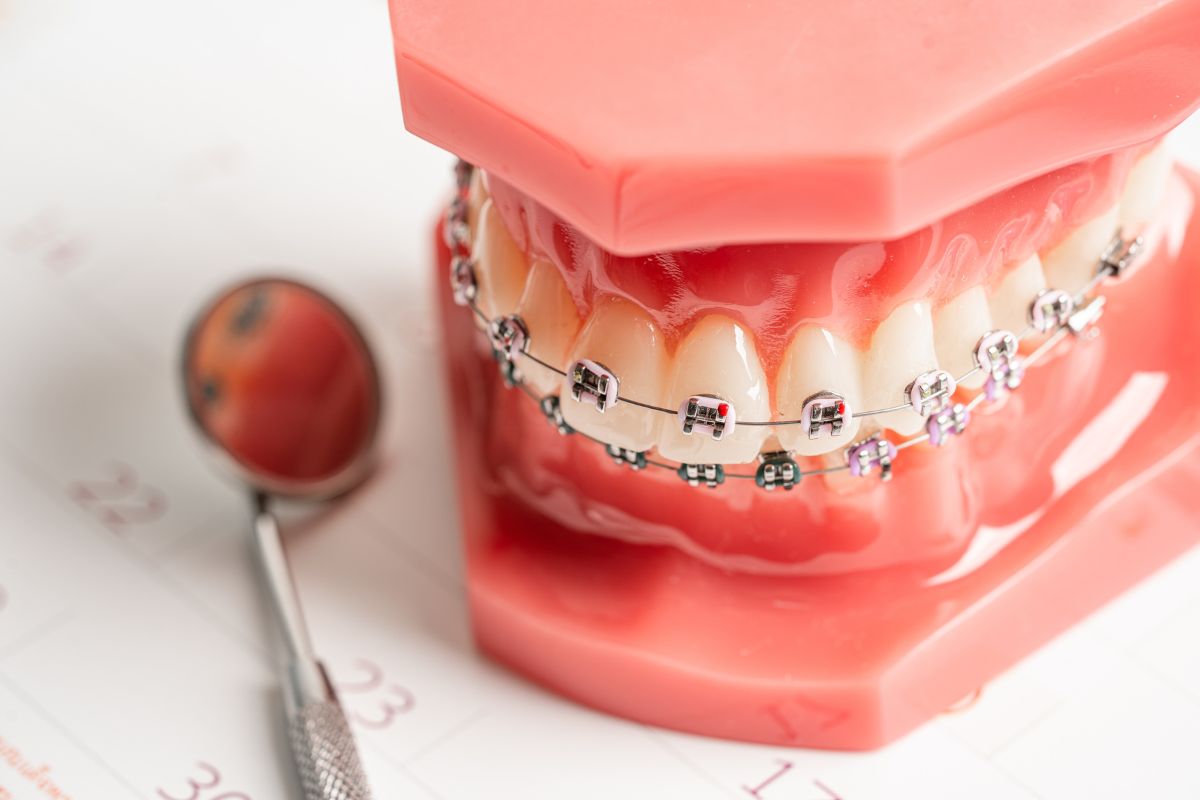
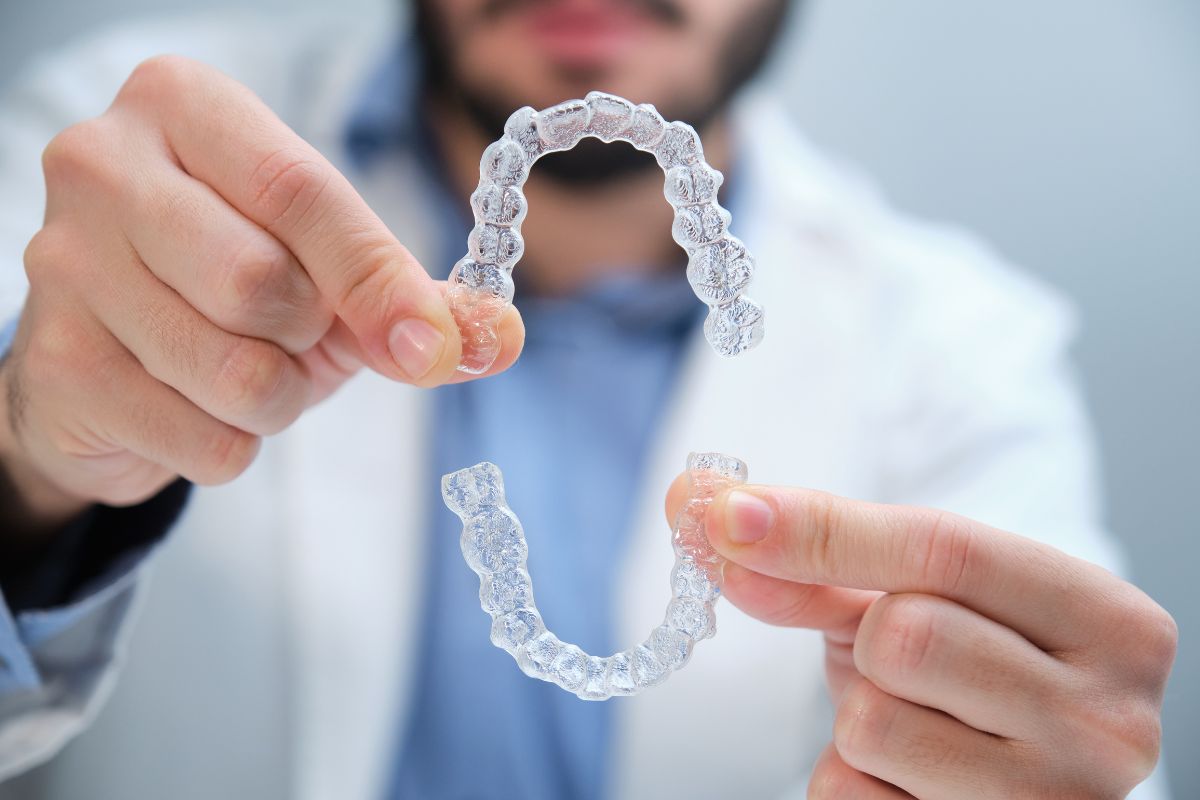
- Active Treatment – Braces or clear aligners gently shift your teeth over time. You may notice changes in your speech as the alignment improves.
- Retainers – After braces come off, retainers help keep your teeth in their new positions. This also helps keep your speech steady.
It’s important to know that braces don’t fix every speech issue. But when misaligned teeth or jaws are part of the problem, they can help more than people expect.
Why Seeing an Orthodontist Early Can Make a Big Difference
If your child has trouble speaking clearly and also has crooked teeth or bite problems, it’s a good idea to see an orthodontist early on. The American Association of Orthodontists suggests that kids should have their first checkup by age 7.
At this age, an orthodontist can spot problems while the jaw is still growing. Fixing these early can make speaking and chewing easier and help avoid more serious dental issues later.
Finding the Right Orthodontist in Dallas
Dallas is home to many skilled orthodontists who treat both children and adults. Whether you or your child are dealing with unclear speech or bite problems, a local orthodontist can help figure out the cause and offer the right solution.
Not every speech issue is caused by the teeth or jaw, but when it is, correcting the alignment can have lasting results. A simple checkup could be the first step toward clearer speech and a healthier smile.
Final Thoughts: When to Talk to an Orthodontist
Speech problems can affect daily life, especially for kids at school or adults in jobs that require clear communication. If crooked teeth or jaw issues are making it harder to speak, an orthodontist can often help.
Braces aren’t just for looks; they can also fix the way the mouth works. That includes making it easier to pronounce words and sounds. If you or your child has trouble speaking and you think dental alignment may be a cause, it’s worth asking an orthodontist for advice.
Schedule a visit with an orthodontist in Dallas and get a professional opinion. A simple exam could lead to long-term changes in how you speak, eat, and smile.