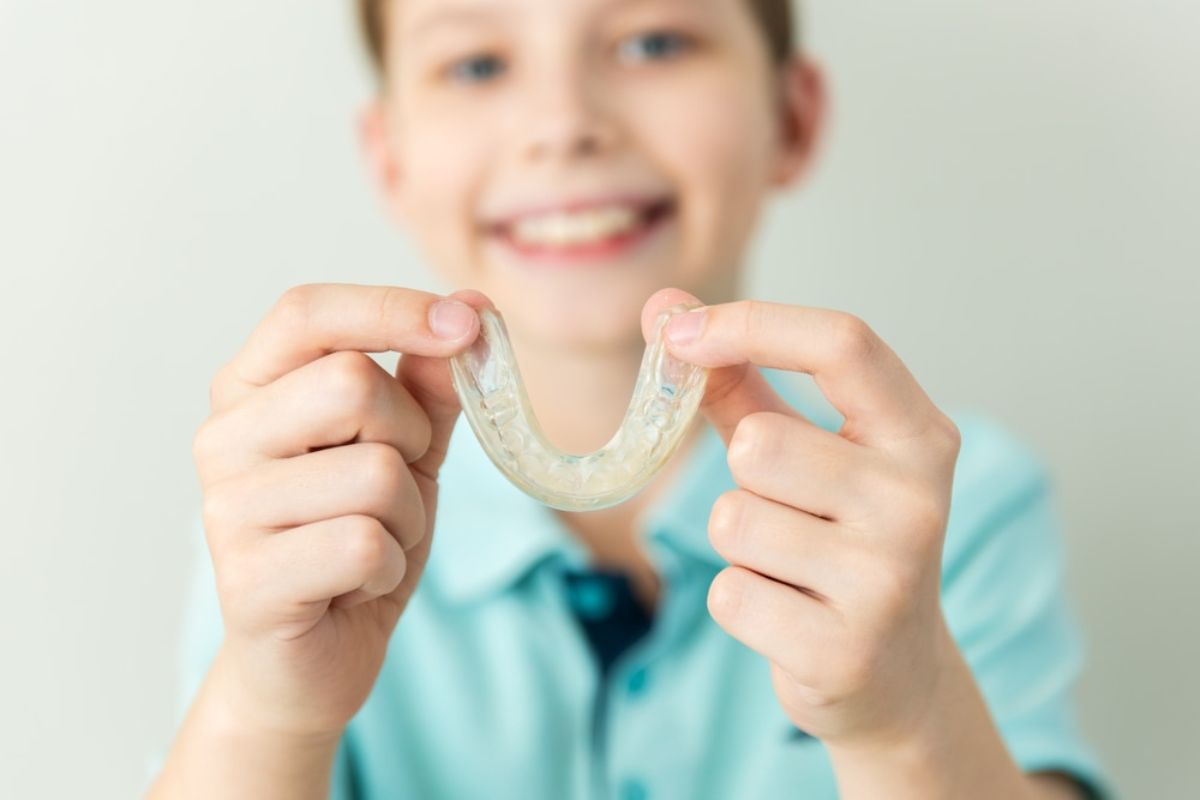

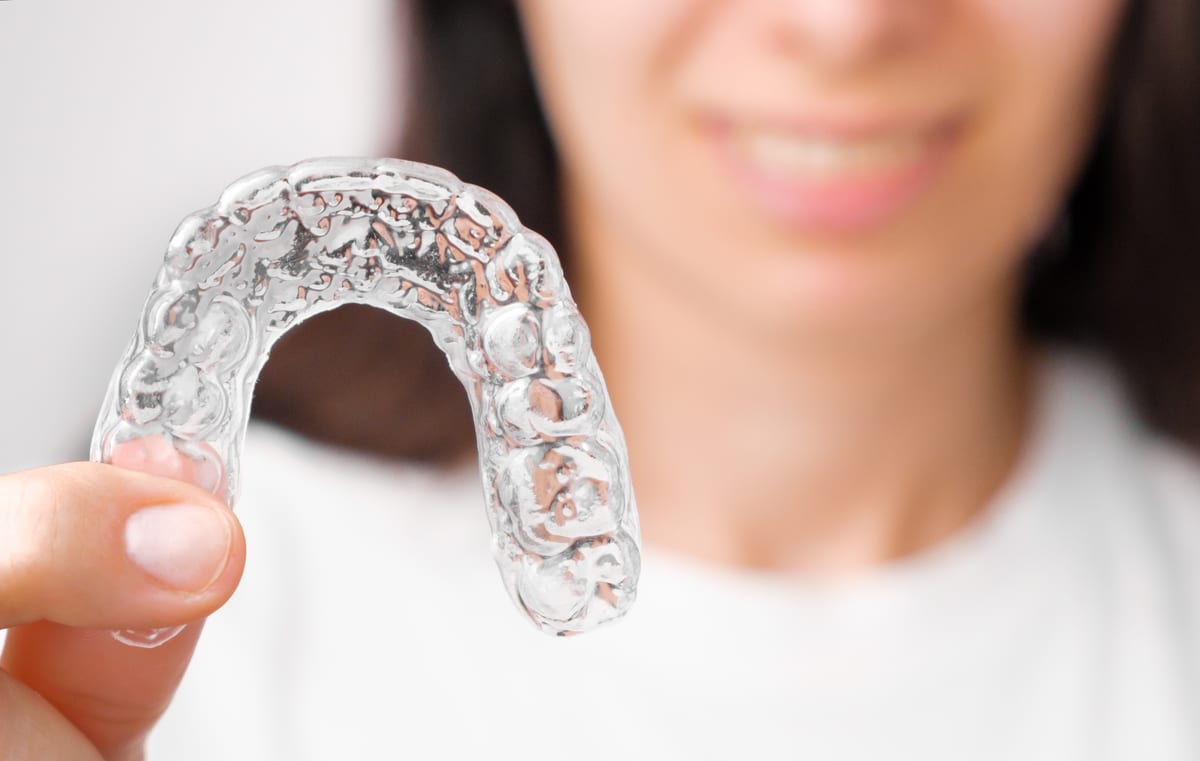
If your teen just started Invisalign, you probably have questions about the aligner change schedule. Why do the trays switch every two weeks? What is actually happening inside your teen’s mouth? Understanding why your teen’s Invisalign aligners change every two weeks in Dallas helps the whole family stay on track. Dr. Benito Benitez at Dallas Orthodontics explains the science in simple, clear terms.
How Invisalign Moves Teeth Step by Step
Invisalign in Dallas does not move teeth all at once. Instead, it uses a carefully planned sequence of clear aligners. Each aligner is slightly different from the last, guiding teeth in small, precise increments. This gradual approach is what makes the treatment both effective and comfortable.
Before treatment begins, Dr. Benitez takes digital impressions of your teen’s teeth. Advanced software then maps the entire tooth-movement journey. The team custom-fabricates every aligner in the series to fit that specific stage of treatment. Your teen’s final smile is essentially planned from day one.
Each new aligner applies gentle, consistent pressure to specific teeth. The surrounding bone and tissue respond by slowly shifting position. Over time, these small shifts add up to major changes. That is the core principle behind every Invisalign case we treat in Dallas.
Why the Two-Week Aligner Change Schedule Exists in Dallas
The two-week schedule is not arbitrary. It is rooted in the biology of tooth movement. Bone remodels at a predictable rate, and two weeks gives tissue enough time to respond before the next stage begins. Moving too fast can cause discomfort or even damage root structure.
Moving too slowly, on the other hand, wastes treatment time. Two weeks hits the sweet spot for most teen patients. Dr. Benitez may occasionally adjust this timeline based on individual progress. Some patients move through aligners in seven to ten days if their teeth respond quickly.
Wearing aligners for the recommended 20 to 22 hours per day is critical to this schedule. If your teen removes them too often, their teeth won’t move on time. Falling behind on wear time means the next aligner may not fit correctly. Staying consistent protects the treatment plan and the timeline.
The Role of Attachments and How They Help
You may have noticed small tooth-colored dots on your teen’s teeth. These are called attachments, and they play an important role in Invisalign treatment. Attachments act like tiny handles that help aligners grip the teeth more effectively. They allow the aligners to apply targeted pressure in specific directions.
Not every patient needs attachments. Dr. Benitez determines placement based on each case’s complexity. Attachments are made from composite resin and blend in with the natural tooth color. Most people barely notice them once the aligners are in place.
When aligners change every two weeks, the attachments remain on the teeth throughout treatment. Each new aligner engages those attachments slightly differently. This allows for more precise control over rotations, tilts, and vertical movements. Attachments are one reason Invisalign can now treat cases that once required traditional braces.
- Attachments improve aligner grip on smooth tooth surfaces
- They enable more complex tooth movements like rotations
- They stay in place for most of the treatment duration
- They are removed painlessly at the end of treatment
- Not every tooth or every patient requires them
What Are Refinements and When Does Your Teen Need Them?
Refinements are additional sets of aligners made after the initial series is complete. They fine-tune any tooth positions that did not move exactly as planned. Refinements are a normal and expected part of many Invisalign journeys. They do not mean something went wrong with treatment.
Teeth are living structures attached to bone and tissue. They do not always move with perfect predictability. Refinements allow Dr. Benitez to make course corrections and achieve the final result. Think of them as the finishing touches on your teen’s new smile.
To get refinements, we take new digital scans of your teen’s current tooth positions. The software then maps out the remaining movements needed. We then fabricate a new series of aligners for this refined plan. The two-week change schedule typically continues through the refinement phase.
Benefits of Following the Invisalign Aligner Schedule
Sticking to the aligner change schedule is one of the most important things your teen can do. Consistency directly affects how fast and how well the treatment works. Dallas Orthodontics always encourages teens and parents to treat the schedule seriously. The results speak for themselves when you follow the plan carefully.
- Treatment finishes closer to the estimated timeline
- Each aligner fits more comfortably when worn on schedule
- Teeth respond better to consistent, predictable pressure
- Fewer refinement rounds may be needed overall
- Your teen’s confidence grows as they see steady progress
Skipping days or leaving aligners out for long periods disrupts the bone remodeling process. This can lead to aligners that no longer fit properly. When that happens, Dr. Benitez may need to order new aligners or extend the treatment timeline. Avoiding these setbacks keeps your teen moving forward.
If you are comparing options, it is worth knowing that Damon Smile Braces Dallas offer another excellent path to a straighter smile. Some teens do better with fixed appliances, while others thrive with the flexibility of Invisalign. Dr. Benitez evaluates each patient individually to recommend the right fit.
What Dallas Families Should Expect During Treatment
Regular check-in appointments at Dallas Orthodontics keep everything on track. Dr. Benitez monitors tooth movement and confirms that each stage is progressing correctly. These visits are shorter than traditional braces appointments but just as important. Most patients come in every six to eight weeks.
Between appointments, your teen simply follows the aligner change schedule at home. You don’t need to come into the office each time you start a new tray. This convenience is one reason many Dallas families choose Invisalign for their teens. The treatment fits naturally into a busy school and activity schedule.
Dr. Benitez, an orthodontist in Dallas, also provides Invisalign for teens with compliance indicators built into the trays. These small blue dots fade with wear time, making it easy to confirm the aligners are being used enough. It gives parents a gentle, non-confrontational way to stay informed. Transparency and communication make the whole process smoother for everyone.
Conclusion
The two-week aligner change schedule is not just a rule — it is the engine behind your teen’s entire smile transformation. Every switch represents a new stage in a carefully mapped-out plan. Attachments and refinements give Dr. Benitez the precision tools needed to deliver outstanding results. Dallas Orthodontics is proud to guide Dallas families through every step of this process. Book Now to schedule your appointment with our team.
Frequently Asked Questions
Why do Invisalign aligners need to change every two weeks?
Teeth move in response to consistent, gentle pressure. Each aligner shifts teeth a small amount before the next tray takes over. The two-week interval gives bone and tissue enough time to remodel and adjust. This cycle repeats until the treatment plan is complete.
What happens if my teen forgets to wear their aligners?
Missing wear time slows tooth movement. If aligners are not worn for 20 to 22 hours per day, they may not fit properly when the next tray is introduced. In some cases, Dr. Benitez may need to extend the schedule or reorder aligners. Consistency is the single most important factor in treatment success.
Are Invisalign attachments painful or noticeable?
Attachments are small, tooth-colored composite dots placed on specific teeth. Most patients adjust to them within a few days. They are not painful and are designed to blend with natural tooth color. We remove them easily and painlessly at the end of treatment.
How long does Invisalign treatment take for teenagers?
Treatment length varies based on each case’s complexity. Most teen patients complete their initial aligner series in 12 to 18 months. Refinements may add a few additional months in some cases. Dr. Benitez provides a personalized estimate during the initial consultation at Dallas Orthodontics.
Can my teen play sports or instruments while wearing Invisalign?
Yes. One of the biggest advantages of Invisalign is that aligners are removable. Teens can take them out for contact sports and put them back in immediately after. Playing wind or brass instruments may require a brief adjustment period. Overall, Invisalign fits well into an active teen lifestyle.