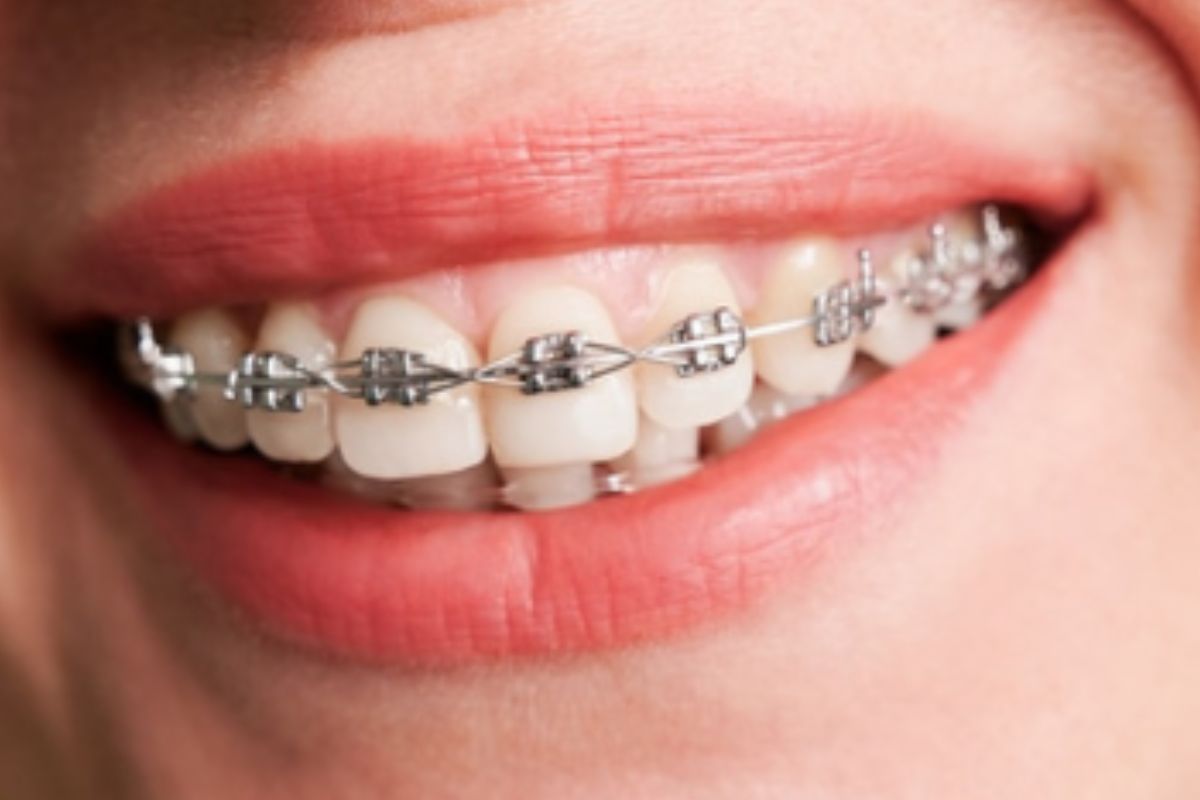


If you’ve taken the first step towards a straighter and more confident smile by getting braces. Congratulations! But we understand that starting this journey can be a bit overwhelming. The anticipation of discomfort and the adjustment period may make you feeling a tad nervous. But fear not, because we’re here to guide you through surviving your first day with braces like a champ! From tips on easing discomfort to mastering proper oral hygiene techniques, we’ve got all the essential information to ensure your orthodontic experience is as smooth (and pain-free) as possible. So let’s dive in and discover how to navigate this exciting new chapter with ease!
What to Expect When You First Get Braces?
As you sit in the orthodontist’s chair, eagerly awaiting your braces, it’s natural to wonder what lies ahead. Brace yourself (pun intended) for some changes!
First and foremost, don’t be startled by the initial sensation of having metal brackets adhered to your teeth. It may feel slightly uncomfortable or strange at first, but rest assured that this is completely normal. Your mouth will need time to adjust to its new residents.
Once the braces are on, you may experience a bit of soreness or tenderness in your teeth and gums. This discomfort typically lasts for a few days as your teeth start shifting into their desired positions. It’s like a workout for your mouth!
You might find that speaking feels different initially too. Don’t worry; any slight lisp or difficulty enunciating words usually disappears within a week or so as you become accustomed to the presence of braces.
One thing you’ll quickly notice is how food particles can get trapped between those tiny metal brackets and wires with ease. Be prepared for some extra diligence when it comes to brushing and flossing – we’ll dive deeper into this topic later on.
It’s important to remember that every person’s orthodontic journey is unique, so no two experiences will be exactly alike. But armed with knowledge about what lies ahead, you’re ready to tackle whatever comes your way during this exciting phase of achieving straighter teeth!
Tips for Easing Discomfort
One of the most common concerns when getting braces is the discomfort that comes along with them. While it’s true that there may be some initial soreness and irritation, there are ways to help ease the discomfort and make your transition to orthodontic treatment a bit smoother.
It’s important to remember that this discomfort is temporary and will diminish over time as your mouth adjusts to the braces. In the meantime, you can try rinsing your mouth with warm saltwater or using an over-the-counter oral numbing gel to alleviate any pain or irritation.
Another helpful tip is to stick to soft foods in the first few days after getting braces. This will minimize chewing pressure on your teeth and gums, reducing discomfort while still providing necessary nutrition. Soups, smoothies, mashed potatoes, and yogurt are all great options during this period.
Using orthodontic wax can also provide relief by creating a barrier between your brackets or wires and the sensitive tissues inside your mouth. Simply apply a small piece of wax onto any areas causing friction or poking sensations for instant comfort.
Maintaining good oral hygiene throughout your orthodontic journey is crucial in minimizing discomfort. Ensure you brush gently but effectively around each bracket and wire using a soft-bristled toothbrush. Flossing may require special tools like threaders or floss picks designed for braces – don’t skip this step!
By following these tips for easing discomfort during those early days with braces, you’ll be well on your way to a more comfortable experience throughout your entire orthodontic treatment journey!
How to Adjust to Your New Smile?
Adjusting to your new smile can be an exciting and slightly overwhelming experience. After all, you now have braces that are working hard to straighten your teeth and give you a beautiful, confident smile! Here are some tips on how to make the adjustment process as smooth as possible.
It’s important to remember that it will take some time for your mouth to adapt to the presence of braces. You may experience discomfort or soreness in the first few days or weeks. This is completely normal, so don’t worry! To ease any discomfort, try rinsing your mouth with warm saltwater or using over-the-counter pain relievers recommended by your orthodontist.
In addition, be mindful of what you eat during this adjustment period. Stick to soft foods that won’t cause too much pressure on your braces. Foods like mashed potatoes, yogurt, and soup are great options while you’re getting used to wearing braces.
Maintaining good oral hygiene is crucial when you have braces. Brush after every meal using a soft-bristled toothbrush and fluoride toothpaste. Don’t forget about flossing! It may take a bit longer with braces, but it’s essential for keeping your teeth clean and healthy.
Don’t forget about regular check-ups with your orthodontist throughout the course of treatment. They will monitor progress and make necessary adjustments along the way. If you ever have concerns or questions about anything related to your braces, don’t hesitate to reach out to them.
Remember that adjusting takes time – both physically and mentally – so be patient with yourself during this journey towards a perfect smile! Focus on the end result and keep in mind that all these efforts will be worth it in the long run.
Keep these tips in mind as you navigate through this exciting chapter of orthodontic treatment!
Foods to Avoid with Braces
When you first get braces, it’s important to be mindful of the types of foods you eat. Certain foods can damage your braces or make them more uncomfortable. Here are some tips on what foods to avoid with braces:
1. Sticky and chewy foods: Foods like caramel, taffy, and gum can easily get stuck in your braces and be difficult to clean out. This can lead to plaque buildup and increase the risk of cavities.
2. Hard foods: Crunching down on hard candies, nuts, or ice cubes may cause brackets or wires to break or come loose. It’s best to steer clear of these crunchy treats until your orthodontist gives you the green light.
3. Tough meats: Chewing on tough meats like steak can put excessive pressure on your teeth and braces, potentially causing discomfort or even damage.
4. Popcorn: Those little kernels may seem harmless but they have a tendency to get lodged between brackets and wires which can irritate gums and cause pain when trying to remove them.
5. Sugary drinks: Carbonated beverages like soda as well as juices high in sugar content should be avoided because they promote tooth decay by providing fuel for harmful bacteria that thrive in our mouths.
Proper Brushing and Flossing Techniques
Taking care of your teeth is crucial, especially when you have braces. With the addition of brackets and wires, it becomes even more important to maintain good oral hygiene. But don’t worry! It’s not as daunting as it may seem.
Make sure you choose a soft-bristle toothbrush that can easily navigate around your braces. Angle the brush towards the gum line and use gentle circular motions to clean each tooth thoroughly. Take your time and be thorough – this will help remove any food particles or plaque that might be lingering.
Flossing can be a bit trickier with braces, but it’s just as essential for maintaining healthy gums and preventing cavities. Use dental floss threaders or orthodontic flossers to guide the floss under the wire between each set of teeth. Gently move the floss up and down against each tooth surface to dislodge any debris.
To ensure all those hard-to-reach areas are cleaned properly, consider using an interdental brush or water flosser in addition to traditional brushing and flossing techniques. These tools can help flush out any remaining food particles from around your brackets and wires.
Remember to rinse your mouth thoroughly after brushing and flossing to get rid of any leftover residue. Using an antimicrobial mouthwash can also provide additional protection against bacteria buildup.
Maintaining proper oral hygiene while wearing braces may require a little extra effort, but it is well worth it in the long run. By following these simple brushing and flossing techniques diligently, you’ll keep your smile healthy throughout your orthodontic treatment journey
When to See the Orthodontist?
Regular visits to the orthodontist are an important part of your braces journey. These appointments allow your orthodontist to monitor your progress and make any necessary adjustments to ensure that your treatment is on track.
Typically, you will need to see your orthodontist every 4-6 weeks throughout the duration of your treatment. During these visits, they will check how well your teeth are moving and make any necessary changes or tweaks to keep everything on schedule.
It’s also important to reach out to your orthodontist if you experience any issues or discomfort between scheduled appointments. If a wire breaks or a bracket becomes loose, it’s best not to wait until your next appointment for repairs. Contacting the orthodontist as soon as possible can help prevent further complications and ensure that you continue progressing towards a beautiful smile.
Additionally, if you notice any significant changes in how your braces feel or function, such as severe pain or difficulty chewing, don’t hesitate to contact the orthodontic office. They have the expertise and knowledge needed to address any concerns you may have.
Staying in touch with your orthodontist throughout the course of treatment is crucial for successful results. By following their guidelines and attending regular appointments, you’ll be one step closer toward achieving that confident smile!
The Bottom Line
Navigating the first day with braces can be both challenging and uncomfortable, but with a little preparation and the right mindset, you can make it through. Remember, this is just the beginning of your orthodontic journey towards a beautiful smile!
Throughout this guide, we covered what to expect when you first get braces and provided tips for easing any discomfort you may experience. We also discussed how to adjust to your new smile by embracing changes in speech patterns and finding ways to boost your confidence.
Additionally, we highlighted foods that should be avoided with braces to prevent damage or breakage. Taking care of your oral hygiene is vital during orthodontic treatment, so we shared proper brushing and flossing techniques that will help keep your teeth clean and healthy.
Knowing when it’s time to see your orthodontist for adjustments or addressing any concerns is important. They are there to support you on this journey and ensure that everything progresses as planned.
Remember, everyone’s experience with braces is unique. The most crucial thing is not to compare yourself with others but rather focus on taking care of yourself throughout the process.
So take a deep breath! You’ve got this! With patience, determination, and diligence in following these tips, surviving the first day with braces will become just another step towards achieving that confident smile you’ve always dreamed of!
Now go out there and rock those braces – embrace them as a symbol of progress on your journey towards a healthier mouth and increased self-confidence!