
Have you ever wished for a straighter, more confident smile? Well, it’s never too late to achieve that perfect set of pearly whites! Many adults now choose braces to correct misaligned teeth and improve overall oral health. Gone are the days when braces were only associated with awkward teenage years – today, they are a popular choice among individuals who want to enhance their appearance and boost their self-esteem.
In this blog post, we will explore the benefits of braces for adults in Dallas and share valuable insights on how to choose the right type. We’ll also walk you through what to expect during treatment and share essential tips for caring for your braces. So, let’s dive in and discover how adult orthodontic treatment can transform your smile!
The Benefits of Braces for Adults
Improved Oral Health: Braces can do more than straighten your teeth; they can also improve your overall oral health. Misaligned teeth can lead to many issues, such as difficulty cleaning between teeth, increased plaque buildup, and an higher risk of gum disease. By aligning your teeth properly with braces, you create a more accessible surface for brushing and flossing, reducing the likelihood of cavities and gum problems.
Enhanced Aesthetics: Let’s face it – an attractive smile is a confidence booster! If you’ve always felt self-conscious about crooked or crowded teeth, braces can transform both your appearance and self-esteem. As an adult with professional aspirations or an active social life, straighter teeth can give you the confidence to tackle any situation head-on.
Aligned Bite: Beyond cosmetic improvements, braces effectively correct bite issues. Whether you have an overbite (upper front teeth overlap lower front teeth), underbite (lower front teeth protrude past upper front teeth), crossbite (misalignment when biting down), or open bite (space between upper and lower front teeth when biting down), braces can help realign your jaw and restore proper functionality.
Long-Term Dental Stability: Investing in orthodontic treatment as an adult means investing in long-term dental stability. When braces properly align your bite, they reduce excessive wear on specific tooth surfaces caused by misalignment. This helps prevent future dental complications such as enamel erosion or tooth loss due to uneven pressure distribution.
Improved Digestion: Did you know that misaligned bites can affect digestion? Difficulty chewing food thoroughly due to misaligned jaws or overcrowded spaces between the molars may lead to digestive discomforts like bloating and stomach aches. By using braces to correct these alignment issues, you’ll be able to chew more efficiently for better digestion.
Speech Improvement: Some adults struggle with speech difficulties caused by misaligned teeth or jaws. Braces can help align the
How to Choose the Right Type of Braces?
When choosing the right type of braces for adults, consider several factors. Consult our trusted orthodontic treatment provider in Dallas who specializes in adult orthodontics. They can assess your specific needs and recommend the most suitable treatment options.
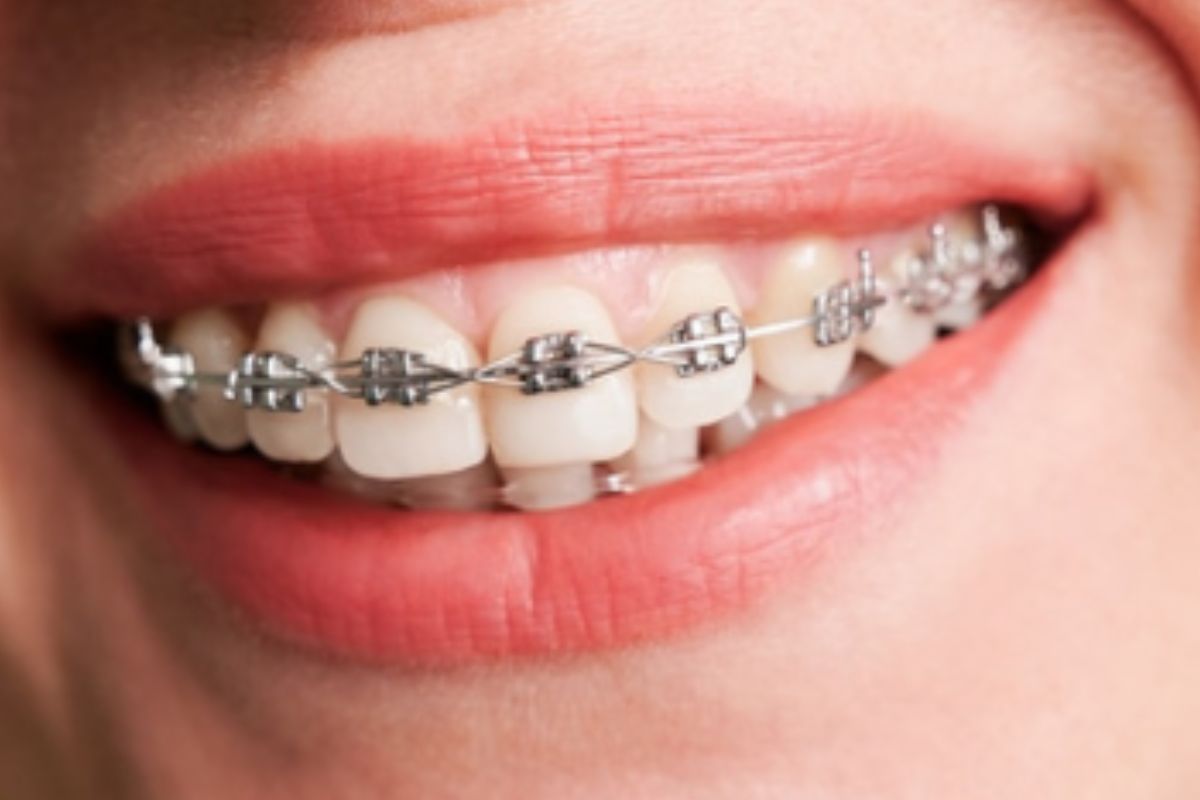
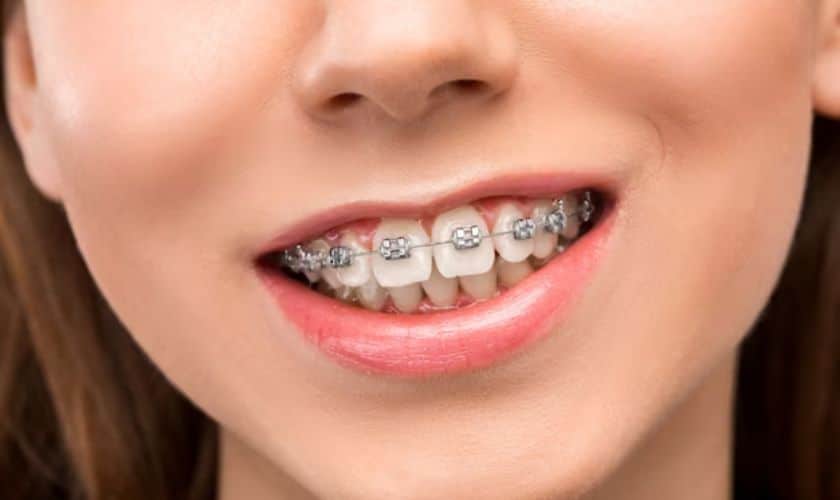
One popular choice for adults is traditional metal braces. Although they may not be the most aesthetically pleasing option, they effectively correct a wide range of dental issues. Another option is ceramic braces, which are less noticeable than metal ones but still provide excellent results.
For those looking for a more discreet option, clear aligners such as Invisalign may be a good choice. These removable trays gradually move your teeth into alignment without brackets or wires. However, not everyone is a candidate for clear aligner treatment.
Your choice of braces should be based on your specific needs and preferences. Your orthodontist will carefully evaluate your oral health and discuss all available options with you before recommending one.
Remember, choosing the right type of braces is just one step towards achieving your dream smile. The commitment and dedication you put into caring for your braces throughout treatment are equally important in ensuring successful results. Stay tuned for our next blog section on how to care for your braces properly!
What to Expect During the Treatment Process?
When you decide to get braces as an adult, it’s important to understand what lies ahead. While everyone’s experience may vary slightly, you can generally expect a few key things during this journey.
First, before getting your braces fitted, you will have a consultation with your orthodontist. During this visit, they will examine your teeth and determine the best treatment plan for you. They may take X-rays or impressions to create customized brackets and wires.
Once your braces are ready, it’s time for the fitting appointment. The orthodontist will carefully attach each bracket onto your teeth using dental cement. Then, they will thread the wire through each bracket and secure it in place with small elastics or metal ties.
After the initial fitting, expect some discomfort and soreness as your mouth adjusts to braces. You might experience sensitivity while eating or speaking, but don’t worry – this is completely normal! Over-the-counter pain relievers can help alleviate any discomfort.
During treatment, you’ll need regular appointments with your orthodontist to make adjustments and tighten the wires. These visits typically occur every 4-6 weeks depending on individual circumstances.
Maintaining good oral hygiene becomes even more crucial once you have braces. Regular brushing after meals (or at least twice a day), along with flossing, is essential to keep both your teeth and braces clean.
In addition to proper oral care, following any dietary restrictions your orthodontist recommends is vital too. Avoid sticky foods like caramel or chewing gum, as they can damage brackets or get stuck between wires.
Remember that patience is key throughout this process – straightening smiles takes time! On average, adults wear braces for about 1-3 years depending on their specific needs and goals.
Knowing what lies ahead during treatment helps you prepare for the journey to a straighter smile.
How to Care for Your Braces?
Taking care of your braces is essential to ensure smooth, successful orthodontic treatment. By following some simple guidelines, you can maintain the health of your teeth and gums while wearing braces.
Brush your teeth after every meal. This helps remove any food particles that may have gotten stuck in your braces or between your teeth. Use a soft-bristled toothbrush and fluoride toothpaste to clean all surfaces of your teeth gently.
Flossing becomes even more crucial when you have braces. Carefully thread the floss under the wire and between each tooth, making sure to reach beneath the gumline. Water flossers can also help remove debris from hard-to-reach places.
Regular visits with your orthodontist are vital throughout treatment. They will make adjustments to keep progress on track and check for any issues that may arise. Don’t miss these appointments as they play a significant role in achieving desired results.
Avoid foods that could damage your braces or get caught in them, such as popcorn, hard candies, and sticky treats like caramel or taffy. Cut up crunchy fruits and vegetables into smaller pieces before consuming them.
Protect your braces during physical activities by using a mouthguard if necessary. This helps prevent accidental damage from impact or pressure on your brackets and wires.
Remember, caring for your braces diligently will not only support better oral hygiene but also help you achieve optimal results from this transformative dental treatment!
Conclusion
Adult orthodontic treatment can address more than the appearance of crooked or crowded teeth. Depending on the individual’s needs, braces may help improve tooth alignment, bite relationships, and the ability to maintain certain areas of the mouth. Properly aligned teeth can also make daily brushing and flossing easier in some cases.
Adults have several orthodontic options available today, and traditional braces remain a practical choice for many types of tooth movement. Treatment recommendations depend on factors such as crowding, spacing, bite concerns, gum health, existing dental work, and overall oral health.
At Dallas Orthodontics, Dr. Benito Benitez can evaluate your teeth and bite and discuss whether braces fit your orthodontic needs. A personalized evaluation can also help you understand the expected treatment process, timeline, and care requirements.
If you are considering braces as an adult, visit our dental practice in Dallas to discuss your options. Book now to schedule your appointment with our team and take the next step toward improving your tooth alignment and oral function.
Frequently Asked Questions
1. Can adults still get braces?
Yes. We provide orthodontic treatment for adults, as well as children and teenagers. The appropriate treatment depends on the condition of the teeth, gums, bone, and bite.
2. How long do adults usually need to wear braces?
Treatment time varies based on case complexity and the type of tooth movement required. Dr. Benito Benitez can provide an estimated timeline after examining your teeth and bite.
3. Are braces painful for adults?
Some temporary tenderness or pressure can occur after placing or adjusting braces. This discomfort typically improves as the mouth adapts to the orthodontic appliance.
4. Can braces improve my bite as well as crooked teeth?
Yes. Braces can address certain bite problems along with tooth alignment. The exact movements possible depend on your individual orthodontic condition.
5. How do I know if braces are right for me?
An orthodontic evaluation is the best way to determine whether braces are right for you. At Dallas Orthodontics, Dr. Benito Benitez can assess your teeth and bite and explain the treatment options available for your needs.