

MRI (Magnetic Resonance Imaging) scans create detailed images of the body’s internal structures. They use powerful magnets and radio waves. Many patients worry about interactions between these magnets and their metal braces. Dallas Orthodontics addresses this common concern. We want our patients to be well-informed.
Understanding MRI Technology
MRI scans are essential diagnostic tools. They help doctors detect various medical conditions. The machine generates a strong magnetic field. It uses radio waves to produce images. This process is generally safe. However, metal objects can interfere with the MRI. This is the source of concern for braces wearers.
Are Dental Braces Safe for MRI?
Most modern braces, which are MRI-safe, use non-ferrous metals that are not strongly attracted to magnets. This significantly minimizes the risk during an MRI. Patients should still inform their doctor and the MRI facility, as this allows for necessary precautions and ensures a secure and confident experience.
Different Types of Braces and MRI Compatibility
Several types of braces exist. Each has different materials. This affects their interaction with MRIs.
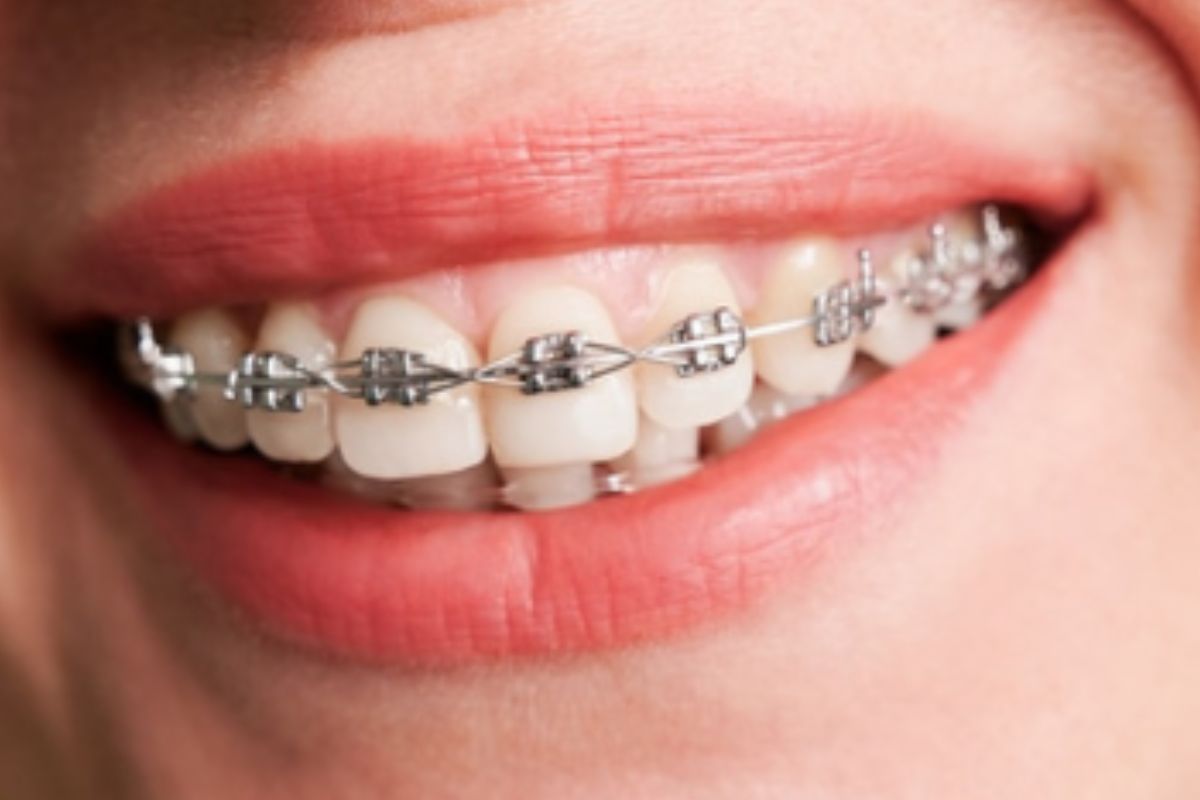
- Traditional Metal Braces: These braces use metal brackets and wires. These materials are typically MRI-safe. They may cause minor image distortion. This rarely impacts diagnostic quality.
- Ceramic Braces: These braces are made of tooth-colored ceramic. They contain no metal. They are entirely safe for MRI scans.
- Invisalign and Clear Aligners: These aligners are made of plastic. They are removable. Patients must remove them before an MRI. They pose no risk.
Addressing Common Concerns
Many patients worry about several issues. We address them here.
- Will the braces be pulled off? This is a primary concern. The magnets are strong. However, modern braces are designed to withstand these forces. They will not be pulled off.
- Will the braces heat up? Some patients report a slight warming sensation during an MRI. This is a common experience and is usually minimal. It’s important to note that this sensation is not harmful but simply a result of the magnetic field. Understanding this can help alleviate any concerns you may have about this sensation.
- Will the images be clear? Metal braces can sometimes cause minor image artifacts and distortions in the MRI image. However, these artifacts rarely interfere with the diagnosis. Radiologists are skilled at adjusting the settings to minimize these distortions, ensuring that the photos are clear and the diagnosis is accurate.
What to Do Before Your MRI
Several steps ensure a safe MRI experience. These steps are essential.
- Informing your doctor about your braces before the MRI is crucial. This ensures they have all the necessary information to provide the best care, making you feel heard and understood.
- Inform the MRI Facility: It’s crucial to contact the MRI facility directly and inform them about your braces. They may not take the necessary precautions if they are unaware, which could lead to safety issues during the scan. This step is essential for your safety and the quality of the MRI results.
- Know Your Braces Type: Understand the materials in your braces. This information is helpful. Your orthodontist can provide this.
- Remove Removable Appliances: Take out any retainers or aligners. These are removable. They must be removed before the scan.
Image Artifacts and How to Manage Them
Image artifacts are a potential issue. They are more familiar with metal braces. They appear as distortions on the MRI image. The radiologist can often compensate. They use specialized techniques. This minimizes the impact. They may adjust the scan parameters. This improves image quality.
Conclusion
Contact Dallas Orthodontics if you have concerns. We are here to help. We can answer your questions. We provide information about your specific braces. We can advise you on MRI safety. We prioritize patient comfort and safety.
We are committed to providing excellent care. We understand your concerns. We want you to feel confident. We encourage open communication. Contact us with any questions. We are here to support you. We want to ensure a positive orthodontic experience.