

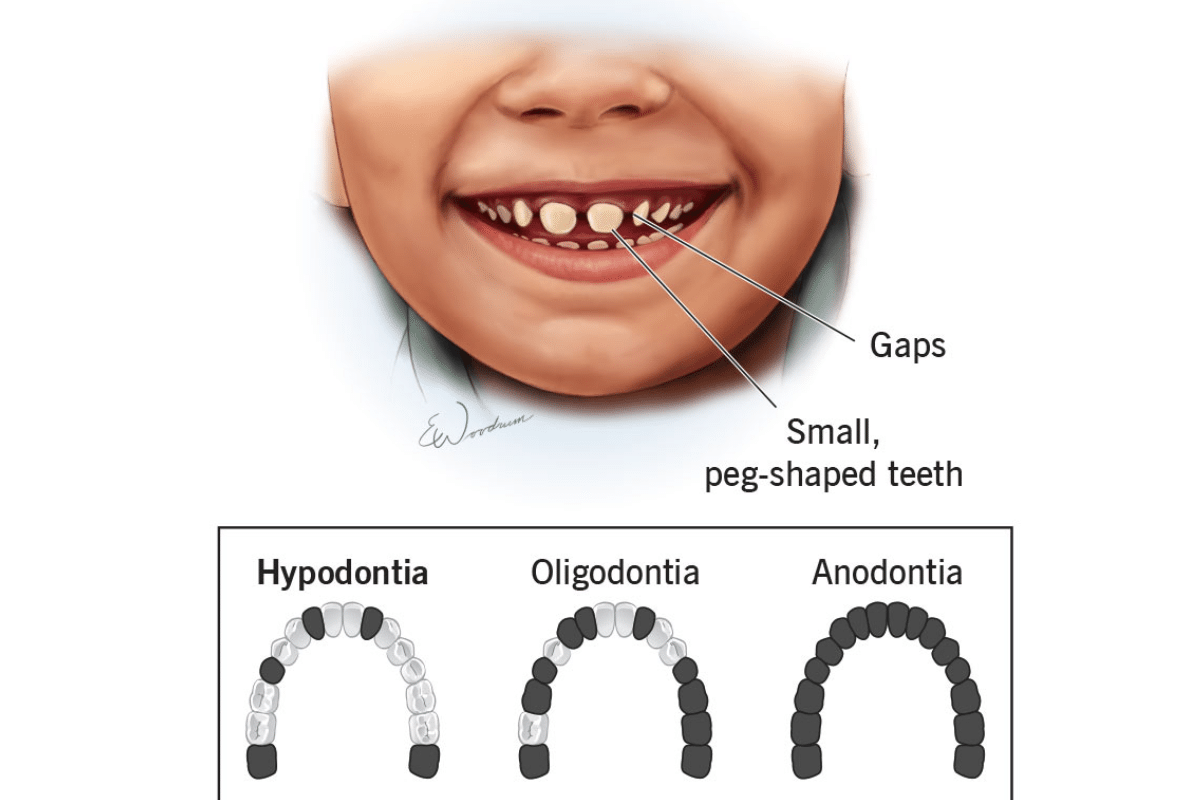
Hypodontia, also known as tooth agenesis, is a dental condition characterized by the absence of permanent teeth. It’s crucial for parents to be vigilant and seek early detection, as it can affect one or more teeth and occur in the upper, lower, or jaws.
Types of Hypodontia
There are several types of hypodontia, including:
- Oligodontia: The absence of six or more permanent teeth.
- Hypodontia: The absence of fewer than six permanent teeth.
- Anodontia: The complete absence of permanent teeth.
Causes of Hypodontia
The exact causes of hypodontia are not fully understood, but it is believed to be a complex interplay of genetic and environmental factors. Some possible causes include:
- Genetics: Hypodontia is often inherited.
- Prenatal exposure to certain medications or toxins: Exposure to certain drugs or toxins during pregnancy can increase the risk of hypodontia.
- Medical conditions: Some conditions, such as cleft lip and palate, can be associated with hypodontia.
Effects of Hypodontia
Hypodontia can significantly impact a person’s oral health and appearance. Missing teeth can make it difficult to chew and speak, and they can also affect self-esteem.
Orthodontic Treatment for Hypodontia
Orthodontic treatment can help to address the cosmetic and functional problems associated with hypodontia. There are several options available, including:
- Dental implants: Dental implants can be used to replace missing teeth.
- Bridges: Bridges can be used to fill gaps left by missing teeth.
- Dentures: Dentures can be used to replace multiple missing teeth.
- Orthodontic appliances: Orthodontic appliances, such as braces or retainers, can help to align the remaining teeth.
Orthodontist in Dallas, TX
If you or your child has hypodontia, it’s essential to see an orthodontist for a comprehensive evaluation. Rest assured, an orthodontist can provide personalized care and determine the best treatment course for your individual needs.
Schedule an appointment today to learn more about hypodontia and orthodontic treatment options.


