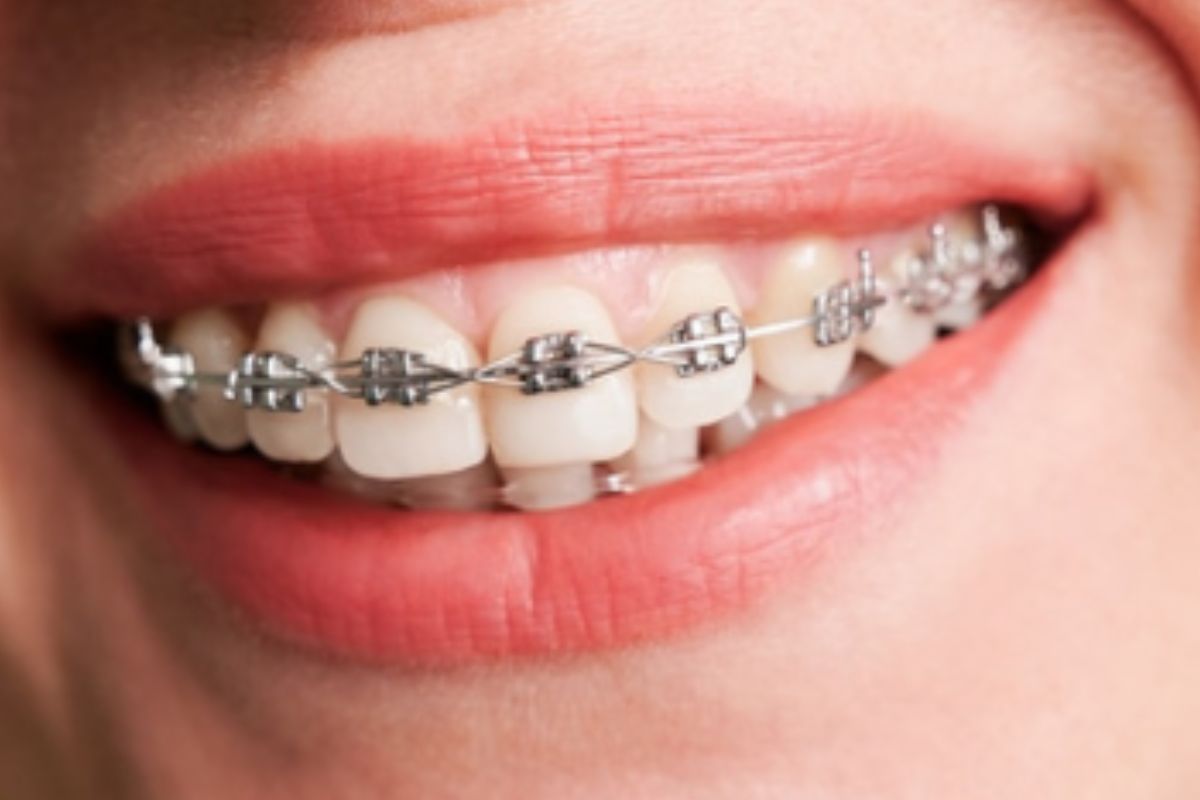


If you’ve ever felt self-conscious about crooked teeth or an uneven bite, fret no more. Orthodontic treatments, particularly the use of braces, can help resolve these issues and give you a beautiful smile that you’ll be proud to show off.
In this article, we will explore the most common orthodontic problems people face, delve into how braces work their magic on your teeth, discuss what to do if you experience any discomfort during treatment, and give you an idea of what to expect as you embark on your journey towards a straighter smile. So sit back, relax, and let’s dive into the wonderful world of orthodontics!
What are the most common orthodontic problems?
When it comes to orthodontic problems, there are a few common issues that many people face. One of the most prevalent is overcrowding, where there simply isn’t enough room in the mouth for all the teeth to align properly. This can lead to teeth overlapping or becoming twisted.
Another common problem is an overbite, which occurs when the upper front teeth overlap significantly with the lower front teeth. On the flip side, an underbite happens when the lower front teeth protrude beyond or cover up the upper front teeth.
Crossbites are also quite common and happen when some of your top teeth sit inside your bottom ones instead of outside like they should be. Additionally, open bites occur when there’s a space between your top and bottom front teeth even when you bite down.
We have gaps or spaces between individual teeth. While some people embrace these gaps as part of their unique smile, others might feel self-conscious about them.
These orthodontic problems can cause not only aesthetic concerns but also functional issues such as difficulty chewing or speaking properly. But fear not! Orthodontic treatments like braces are specifically designed to address these problems and give you a straighter smile that functions optimally.
How can braces correct your smile?
Braces have long been the go-to solution for correcting misaligned teeth and achieving a beautiful, confident smile. They can effectively address a wide range of orthodontic problems, giving you the straight teeth you’ve always dreamed of.
One common issue that braces can correct is overcrowding. When your teeth are too close together or overlap each other, it not only affects the appearance of your smile but also makes proper oral hygiene difficult. Braces work by gradually shifting your teeth into their proper positions, creating space and eliminating crowding.
Another problem that braces can fix is gaps between teeth. Some people may naturally have spaces between their teeth due to genetics or certain habits like thumb sucking. Braces apply gentle pressure to move these teeth closer together, closing those gaps and creating a more even smile.
Misalignment issues such as overbites and underbites can also be corrected with braces. These conditions occur when there is an improper alignment between the upper and lower jaws. By using various orthodontic techniques like brackets, wires, and elastics, braces help align the jaws properly for improved functionality and aesthetics.
Furthermore, crooked or rotated teeth can be straightened through orthodontic treatment with braces. This involves applying controlled forces to gradually reposition the misaligned teeth into their ideal locations. As a result, you’ll achieve a more harmonious smile that not only looks great but also enhances overall dental health.
It’s important to note that every individual’s orthodontic needs are unique. That’s why it’s crucial to consult with an experienced orthodontist who will assess your specific concerns and develop a personalized treatment plan tailored just for you.
In short, if you’re looking to correct common orthodontic problems such as overcrowding, gaps between teeth, misalignment issues like overbites or underbites, or crooked/rotated teeth – braces offer effective solutions! With time and patience throughout your treatment, you’ll be amazed at the transformation of your smile. So don’t hesitate
What to do if you experience orthodontic pain or discomfort?
Experiencing orthodontic pain or discomfort can be a common but unpleasant side effect of wearing braces. It’s important to know what steps you can take to alleviate any discomfort and ensure your treatment continues as smoothly as possible.
First, it’s crucial to communicate with your orthodontist about the pain or discomfort you are experiencing. They are there to help and can provide guidance on how to manage any issues that arise. They may recommend over-the-counter pain relief options such as ibuprofen or suggest using dental wax to cover any sharp edges that may be causing irritation.
Maintaining good oral hygiene is also vital during this time. Regularly brushing and flossing will not only keep your teeth clean but also prevent any additional problems from occurring. Be gentle when brushing around the brackets and wires, taking care not to irritate sensitive areas.
Eating soft foods can help reduce discomfort while chewing, especially in the first few days after adjustments. Avoid sticky or hard foods that could potentially damage your braces or cause further pain.
If an orthodontic wire becomes loose or breaks, contact your orthodontist immediately for advice on whether it needs repair. Never attempt to fix these issues yourself, as improper handling could lead to more significant problems down the line.
Remember, every individual’s experience with braces is unique, so don’t compare yourself too much with others who may have had different challenges along their journey. Stay positive and focused on the end goal – a beautiful smile!
By following these guidelines and staying in close communication with your orthodontist, you’ll be better equipped to handle any temporary pain or discomfort that comes with wearing braces. Remember: This phase won’t last forever; soon enough, you’ll have a smile worth showing off!
Orthodontic treatments: What to expect next?
So, you’ve taken the first step towards a straighter smile by getting braces. Congratulations! Now that your treatment has begun, you may be wondering what to expect next. Well, let me walk you through it.
First and foremost, it’s important to understand that orthodontic treatments are not a quick fix. They require time and patience. Your orthodontist will monitor your progress regularly and make adjustments accordingly.
During the course of your treatment, you can expect to visit your orthodontist every few weeks for check-ups and adjustments. These visits are crucial in ensuring that your braces are working effectively and making the necessary changes to align your teeth properly.
It’s normal to experience some discomfort or soreness after each adjustment. This is because your teeth are gradually moving into their new positions. Over-the-counter pain relievers can help alleviate any discomfort during this time.
In addition to regular appointments with your orthodontist, it’s important that you maintain good oral hygiene throughout the duration of your treatment. Brushing after every meal and flossing daily will help keep both your teeth and braces clean.
As you progress with your treatment, you’ll start noticing visible improvements in the alignment of your teeth. It’s an exciting feeling when those crooked teeth start straightening out!
Remember that everyone’s journey with braces is unique, so don’t compare yourself too much with others who may have had different starting points or timelines for their treatment.
To achieve optimal results from wearing braces, it’s essential that you follow all instructions given by your orthodontist diligently. This includes avoiding certain foods that could damage or dislodge brackets or wires.
Keep in mind that once the active phase of wearing braces is complete, there may still be additional steps involved in maintaining the results achieved. Retainers often need to be worn at night or as instructed by your orthodontist to ensure the teeth remain in their new positions.
The Bottom Line
Orthodontic problems are common and can have a significant impact on our self-confidence and overall oral health. Thankfully, braces offer an effective solution to correct these issues and give you a smile that you can be proud of.
By addressing common orthodontic problems such as crooked teeth, overcrowding, gaps, overbites, underbites, and crossbites, braces work wonders in aligning your teeth and jaw properly. They gradually guide your teeth into their ideal positions using gentle pressure applied through brackets and wires.
If you experience any pain or discomfort during the course of your orthodontic treatment with braces, it’s important to communicate with your orthodontist. They will provide guidance on how to alleviate the discomfort or adjust the braces if necessary.
Throughout the process of wearing braces, it’s crucial to maintain good oral hygiene practices. Regular brushing and flossing ensure that food particles don’t get trapped around the brackets or wires which could lead to plaque buildup or tooth decay.