

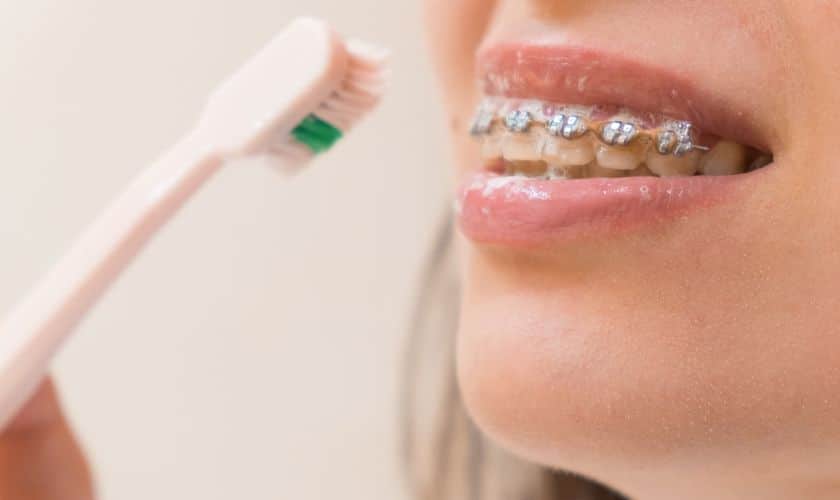
Braces are a common orthodontic treatment that can help straighten and align your teeth, giving you the smile of your dreams. However, it’s important to remember that proper oral hygiene is crucial when you have braces. In this article, we will explore why maintaining good oral health is essential while wearing braces and provide you with some useful tips on how to keep your teeth sparkling clean throughout your orthodontic journey. So let’s dive in and discover the secrets to brushing with braces made easy!
The importance of maintaining good oral hygiene while wearing braces
Maintaining good oral hygiene is always important, but it becomes even more crucial when you have braces. Braces can make it easier for food particles and plaque to get trapped, leading to an increased risk of tooth decay and gum disease. That’s why taking extra care of your teeth while wearing braces is essential.
First and foremost, brushing your teeth regularly is non-negotiable. Ideally, you should brush after every meal or snack to remove any food debris that may be stuck in between the brackets and wires. Use a soft-bristled toothbrush with fluoride toothpaste and gently clean all surfaces of your teeth. Don’t forget to spend extra time around the brackets and wires to ensure a thorough cleaning.
In addition to regular brushing, flossing becomes equally important with braces. Traditional floss might not be practical due to the presence of wires, but there are specialized tools like floss threaders or water flossers that can help you reach those tight spaces between your teeth.
It’s also crucial to watch what you eat while wearing braces. Sticky or hard foods can damage the brackets or wires, prolonging treatment time and causing discomfort. Opt for softer options like steamed vegetables, lean proteins, yogurt, and smoothies packed with nutrients that promote dental health.
Don’t skip your regular dental check-ups during orthodontic treatment! Your dentist will monitor your progress and provide professional cleanings that will complement your at-home oral hygiene routine.
By consistently maintaining good oral hygiene practices while wearing braces, you’re setting yourself up for a confident smile once they come off!
Other oral hygiene practices to consider while wearing braces
Taking care of your teeth is always important, but it becomes even more crucial when you have braces. While brushing and flossing are essential, there are a few other oral hygiene practices to consider that can help ensure your smile stays healthy and confident.
One practice to keep in mind is using an interdental brush. These small brushes with bristles can reach those tight spaces between the wires and brackets of your braces. By gently sliding the brush back and forth, you can remove food particles and plaque that may be trapped in those hard-to-reach areas.
Another helpful tool for maintaining oral hygiene with braces is a water flosser or oral irrigator. This device uses a stream of water to clean between your teeth and around the brackets, effectively removing debris without causing any damage to your braces.
Additionally, using mouthwash as part of your daily routine can provide added protection against bacteria buildup. Look for an alcohol-free mouthwash that contains fluoride to strengthen tooth enamel and prevent tooth decay.
Remember to avoid sticky or hard foods that could potentially damage your braces or get stuck in them. Opt for softer options like yogurt, mashed potatoes, or smoothies instead.
By incorporating these additional oral hygiene practices into your routine while wearing braces, you’ll be on track towards maintaining a healthy smile throughout your orthodontic journey.
The Bottom Line
Maintaining good oral hygiene while wearing braces is essential for preserving the health of your teeth and gums. By following a few simple practices, you can ensure that your smile remains confident throughout your orthodontic journey.
Remember to brush thoroughly and regularly. Use a soft-bristle toothbrush and fluoride toothpaste to gently clean all surfaces of your teeth, including around the brackets and wires. Don’t forget to replace your toothbrush every three months or sooner if the bristles become frayed.
Flossing should be an integral part of your daily routine. While it may take some practice at first, using special floss threaders or interdental brushes can help you navigate between the wires and remove plaque from hard-to-reach areas.
Additionally, consider using an antimicrobial mouthwash to further reduce bacteria in your mouth. Swishing with mouthwash after brushing and flossing helps kill germs and freshen breath.