
If you’ve ever wondered how those perfectly aligned teeth come to be, you’re in the right place. In this comprehensive guide, we’ll take a deep dive into the fascinating field of orthodontics and uncover all its secrets.
From traditional braces to innovative clear aligners, there are various types of orthodontic treatments available today. Whether you’re dealing with misaligned teeth or a more complex issue like cleft palate, orthodontics has got your back. So let’s get started on this journey behind the braces and explore everything you need to know about achieving that picture-perfect smile!
What is Orthodontics?
What exactly is orthodontics, you may ask? Well, it’s the branch of dentistry that focuses on correcting misaligned teeth and jaws. Orthodontists are the superheroes in this field, using their expertise to straighten teeth and create beautiful smiles.
At its core, orthodontics is all about achieving proper alignment of your teeth and improving your bite. This not only enhances your appearance but also has long-term benefits for your oral health. When your teeth are crooked or overcrowded, it becomes difficult to clean them effectively, leading to a higher risk of tooth decay and gum disease.
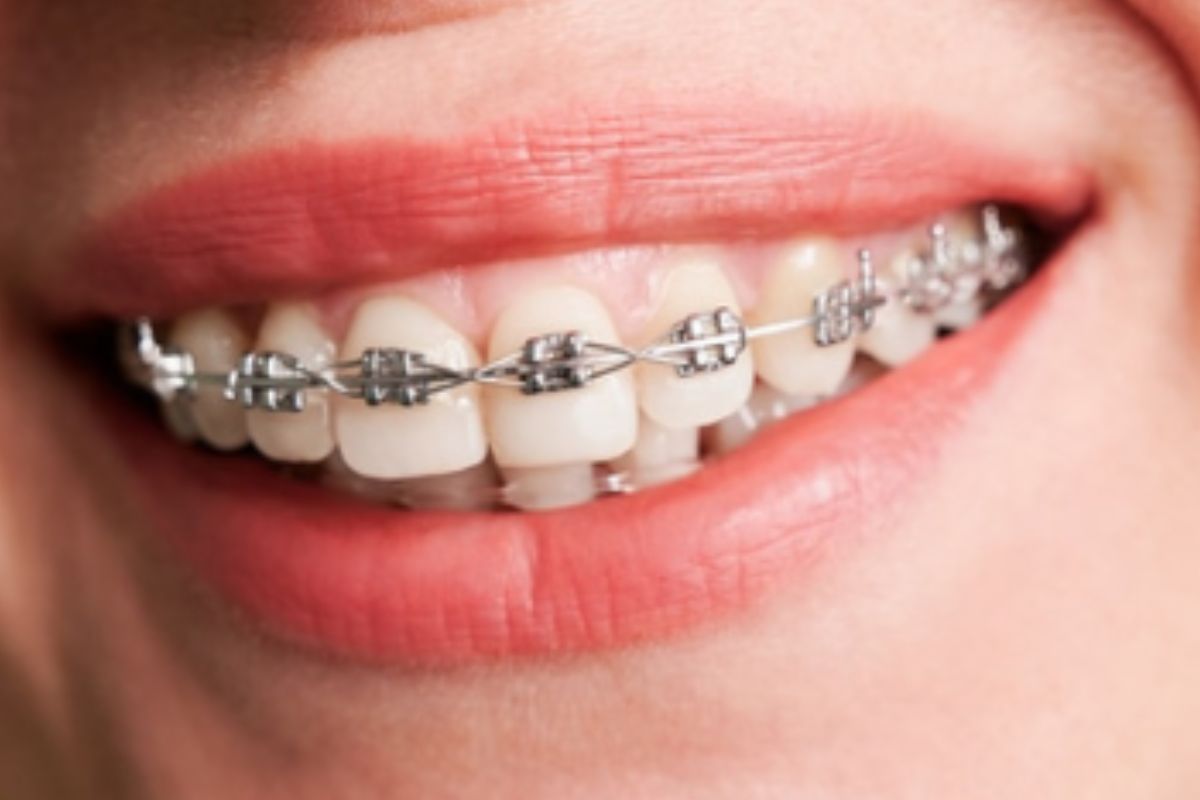
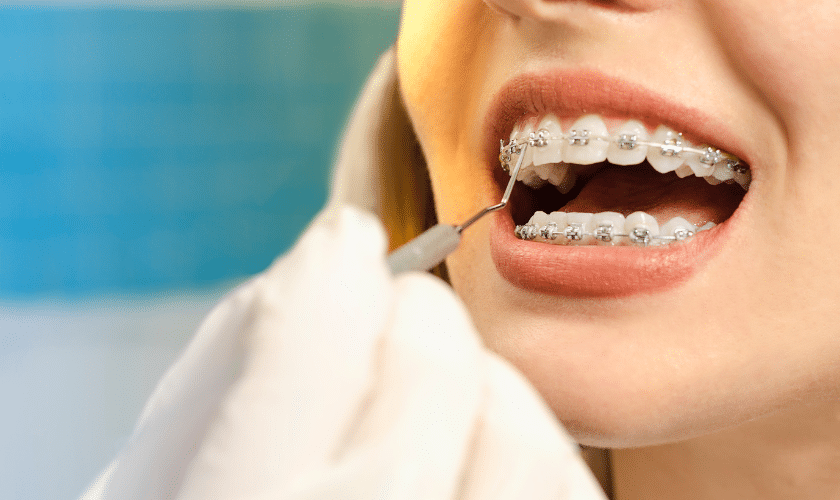
Orthodontic treatments typically involve the use of braces or aligners to gradually move your teeth into their ideal positions. Braces consist of metal brackets attached to each tooth with a wire running through them. These wires apply gentle pressure that guides the movement of your teeth over time.
Clear aligners have gained popularity in recent years as a more discreet alternative to braces. They are custom-made plastic trays that fit snugly over your teeth and can be easily removed when eating or brushing.
In addition to enhancing aesthetics and oral health, orthodontic treatment can also address various functional issues such as problems with biting or speaking properly. By realigning the jaw and improving dental occlusion (how the upper and lower teeth come together), orthodontics helps restore harmony between form and function.
So now you have a better understanding of what orthodontics entails – it’s all about creating straighter smiles while promoting optimal oral health! Stay tuned as we explore different types of orthodontic treatments next!
Types of Orthodontics
When it comes to orthodontic treatment, there are various types available depending on your specific needs. The most common type is traditional braces, which use metal brackets and wires to gradually straighten your teeth. These braces can be quite effective and are a popular choice for many people.
Another option is ceramic braces, which are similar to traditional braces but have tooth-colored or clear brackets that blend in with your teeth. This makes them less noticeable than metal braces and may be preferred by those who want a more discreet option.
For those who prefer an even more invisible solution, there are clear aligners such as Invisalign. These consist of custom-made trays that fit over your teeth and gradually move them into the desired position. Clear aligners offer the advantage of being removable, allowing you to eat and brush your teeth without any hassle.
In addition to these options, there are also lingual braces, which are attached to the back of your teeth instead of the front like traditional braces. This makes them virtually invisible from the outside.
Each type of orthodontic treatment has its own benefits and considerations, so it’s important to consult with an orthodontist who can recommend the best option for you based on factors such as severity of misalignment, lifestyle preferences, and budget.
Remember that every smile is unique! So before embarking on any orthodontic journey, make sure you do thorough research and consult with a professional to find out what type of treatment will work best for you.
The Orthodontic Treatment Plan
The Orthodontic Treatment Plan is an essential part of the orthodontic journey. It serves as a roadmap for both the orthodontist and the patient, outlining the steps that will be taken to achieve a straighter, healthier smile.
During the initial consultation, your orthodontist will evaluate your oral health and discuss any concerns or goals you may have. They will then create a customized treatment plan tailored to address your specific needs.
One of the first steps in the treatment plan is obtaining diagnostic records. This may include X-rays, photographs, and impressions of your teeth. These records help provide a clear picture of your dental anatomy and aid in determining the best course of action.
Next comes the placement of braces or aligners. Braces are made up of brackets that are bonded to each tooth and connected by wires. Aligners are clear plastic trays that fit snugly over your teeth and gradually shift them into alignment.
Throughout treatment, regular appointments with your orthodontist will be necessary to monitor progress and make adjustments as needed. These visits allow for close observation of how well your teeth are moving and ensure that everything is on track.
In some cases, additional appliances such as elastics or headgear may be used to enhance treatment outcomes. Your orthodontist will explain their purpose if they are recommended for you.
As you near the end of your treatment plan, discussions about retainers will begin. Retainers play a crucial role in maintaining beautiful results achieved through orthodontics by keeping newly aligned teeth from shifting back into their original positions.
Remember, every individual’s treatment plan is unique! Following it diligently can lead to successful results within an estimated timeframe provided by your orthodontist.
Anterior Cleft Orthodontics
Anterior Cleft Orthodontics is a specialized area of orthodontic treatment that focuses on correcting dental issues in individuals with cleft lip and palate. A cleft lip and palate are birth defects that occur when the tissues in the baby’s face don’t fuse properly during development.
In anterior cleft cases, the main goal of orthodontic treatment is to align the teeth and jaws to create a functional bite and an improved aesthetic appearance. This involves addressing any gaps or misalignments caused by the cleft, as well as coordinating with other healthcare professionals involved in the patient’s care.
Treatment for anterior cleft orthodontics typically begins at an early age, often before all permanent teeth have erupted. The process may involve using special appliances such as palatal expanders or braces to gradually move teeth into their proper positions over time.
Orthodontists specializing in anterior cleft cases have extensive knowledge and experience working with patients who have unique dental challenges. They understand the importance of multidisciplinary collaboration, often working closely with oral surgeons, speech therapists, and other healthcare providers to achieve optimal outcomes for their patients.
By addressing these complex dental issues through anterior cleft orthodontics, individuals can not only improve their ability to eat, speak, and breathe but also enhance their self-esteem by achieving a more harmonious smile.
Anterior cleft orthodontics plays a crucial role in comprehensive care for individuals affected by this condition. It requires expertise and careful planning to ensure successful outcomes that positively impact both function and aesthetics.
Posterior Cleft Orthodontics
Posterior Cleft Orthodontics is a specialized branch of orthodontics that focuses on treating patients with cleft lip and palate. This congenital condition can cause various dental and skeletal abnormalities, which require careful diagnosis and treatment planning.
One of the main goals of posterior cleft orthodontics is to align the upper and lower jaws properly. This involves using braces or other orthodontic appliances to guide the growth and development of the jaw bones. By gradually repositioning the teeth, an orthodontist can improve both function and aesthetics for individuals with posterior clefts.
In some cases, additional surgical procedures may be needed in conjunction with orthodontic treatment. These surgeries can help correct any significant skeletal discrepancies or close gaps in the gumline caused by the cleft palate.
Throughout posterior cleft orthodontic treatment, regular adjustments are made to ensure progress is being made towards achieving optimal alignment. It’s important for patients to follow their orthodontist’s instructions regarding oral hygiene practices and dietary restrictions during this time.
While each patient’s journey will vary depending on their specific needs, posterior cleft orthodontics offers hope for improved oral health and overall well-being. The expertise of an experienced orthodontist combined with advances in technology continues to make significant strides in providing effective treatments for those affected by this condition.
Retainer Placement
When it comes to orthodontic treatment, the final step is often retainer placement. After months or even years of wearing braces or aligners, retainers play a crucial role in maintaining the results achieved during treatment.
Retainers are custom-made devices that are designed to hold teeth in their new positions and prevent them from shifting back. They can be either removable or fixed, depending on the individual’s needs and preferences.
Removable retainers are typically made of clear plastic or acrylic material and should be worn consistently as prescribed by your orthodontist. These retainers can easily be taken out for eating, brushing, and flossing.
On the other hand, fixed retainers consist of a thin wire that is bonded behind the front teeth to keep them in place. This type of retainer provides continuous support without any need for removal.
During retainer placement, your orthodontist will ensure that the device fits properly and comfortably in your mouth. They may also provide instructions on how to clean and care for your retainer effectively.
Remember, proper retention is essential for long-term success after completing orthodontic treatment. So embrace this final step with enthusiasm as you venture into a confident smile!
Final Steps of the Treatment Plan
After months or even years of wearing braces, you’re finally reaching the home stretch of your orthodontic treatment. The final steps of the treatment plan are crucial in ensuring that your teeth remain straight and aligned for years to come.
One important aspect of the final steps is removing the braces themselves. Your orthodontist will carefully and gently remove each bracket from your teeth, using special tools designed specifically for this purpose. This process is typically painless but may feel a bit weird as you get used to not having any brackets on your teeth.
Once the brackets are removed, it’s time for another essential step: polishing and cleaning your teeth thoroughly. This ensures that all traces of adhesive residue are removed, leaving behind a smooth surface on which retainers can be placed.
Speaking of retainers, they play a vital role in maintaining the results achieved through orthodontic treatment. Your orthodontist will take impressions or digital scans of your newly aligned teeth to create custom-made retainers just for you. These retainers may be removable or fixed permanently behind your front teeth.
It’s important to follow your orthodontist’s instructions regarding retainer wear diligently. Wearing them as advised will help prevent any potential shifting or relapse after braces removal.
In addition to wearing retainers, regular check-ups with your orthodontist are necessary during these final stages. They will monitor how well everything is holding up and make any adjustments if needed.
Remember that even though the active phase of treatment is ending, maintaining good oral hygiene practices should still be a priority in order to keep those pearly whites looking their best!
So there you have it – an overview of what happens during the final steps of an orthodontic treatment plan! Stay committed to following through with these last few procedures and enjoy showing off that confident smile for years to come!
The Bottom Line
Orthodontics is a specialized branch of dentistry that focuses on correcting the alignment and positioning of teeth and jaws. With various types of orthodontic treatments available, individuals can achieve a straighter smile and improve their overall oral health.
Throughout this comprehensive guide, we have explored the different types of orthodontics, including traditional metal braces, clear aligners like Invisalign, lingual braces placed behind the teeth, and self-ligating braces with built-in technology for faster results.
We have also delved into specific treatment plans for conditions such as anterior cleft orthodontics and posterior cleft orthodontics. These customized approaches ensure that patients with congenital defects or facial deformities receive tailored care to enhance both aesthetics and functionality.
The journey towards a perfect smile doesn’t end once braces are removed. Retainers play an essential role in maintaining the new tooth positions achieved through orthodontic treatment. By following your dentist’s instructions on retainer wear and proper oral hygiene practices post-treatment, you can preserve your newly aligned teeth for years to come.
It’s important to remember that each individual’s orthodontic journey is unique. Working closely with an experienced orthodontist will ensure personalized care from start to finish. They will create a treatment plan tailored specifically to address your concerns and help you achieve your desired results.