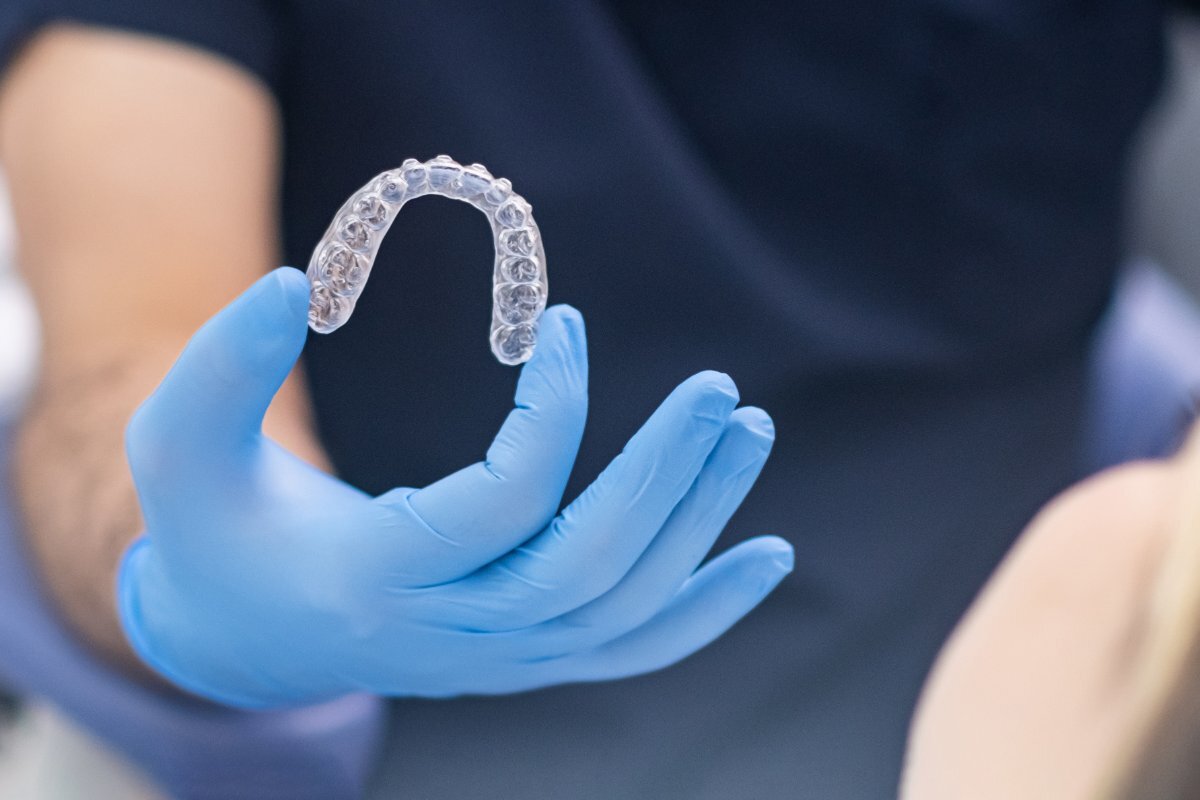


You finally finished your Invisalign® treatment, and your teeth are beautifully aligned. But instead of seeing a perfectly even smile, you notice faint white spots on one or more teeth. If you’re wondering whether Invisalign caused these marks—or if they can be removed—you aren’t alone.
Although Invisalign aligners are removable and generally make oral hygiene easier than traditional braces, white spots can still develop during treatment. In many cases, these spots are early signs of enamel demineralization, a condition in which minerals such as calcium and phosphate are lost from the tooth’s outer layer. They may also be related to dehydration, fluorosis, or pre-existing enamel defects that become more noticeable after orthodontic treatment.
The good news is that many white spots can be improved or even eliminated with the right treatment. Depending on the cause and severity, your Orthodontist in Dallas may recommend fluoride therapy, remineralization products, resin infiltration, enamel microabrasion, professional whitening, composite bonding, or porcelain veneers.
According to the American Dental Association (ADA), fluoride remains one of the most effective tools for strengthening enamel and preventing tooth decay. The Centers for Disease Control and Prevention (CDC) reports that more than 90% of U.S. adults aged 20–64 have experienced dental caries, emphasizing the importance of protecting enamel throughout orthodontic treatment. Research also shows that maintaining excellent oral hygiene and wearing Invisalign aligners as instructed can significantly reduce the risk of enamel changes.
In this comprehensive guide, you’ll learn why white spots may appear after Invisalign, how orthodontists diagnose them, the most effective treatment options available, and practical tips to keep your smile healthy long after your aligners are gone.
What Are White Spots on Teeth?
White spots are areas where the enamel reflects light differently from the surrounding tooth structure. They often appear chalky, opaque, or matte instead of glossy.
Common causes include:
- Enamel demineralization
- Dehydration after removing aligners
- Fluorosis
- Enamel hypoplasia
- Plaque accumulation
- Early tooth decay
- Dietary acid exposure
Some white spots are temporary, while others require professional treatment.
Can Invisalign Cause White Spots?
Invisalign treatment in Dallas itself does not directly cause white spots. However, certain habits during treatment can increase the risk.
For example:
- Wearing aligners over teeth that were not brushed properly
- Frequent snacking without brushing afterward
- Drinking sugary beverages while wearing aligners
- Poor oral hygiene
- Existing enamel weaknesses before treatment
Because Invisalign trays fit closely against the teeth, bacteria and sugars can remain trapped if oral hygiene is neglected.
Invisalign and Oral Health Statistics
Understanding the prevalence of Invisalign and enamel changes helps put the condition into perspective.
- More than 18 million patients worldwide have started Invisalign treatment (Align Technology).
- Over 6 million teenagers have been treated with Invisalign.
- Approximately 25% of orthodontic patients in the United States are adults, according to the American Dental Association (ADA).
- According to the CDC, more than 90% of adults aged 20–64 have experienced dental caries.
- Clinical studies show that removable aligners generally allow better plaque control than fixed braces because patients can brush and floss normally after removing the trays.
While Invisalign may reduce the risk of plaque retention compared with traditional braces, good oral hygiene remains essential.
What Causes White Spots After Invisalign?
1. Enamel Demineralization
The most common cause is enamel demineralization.
When plaque bacteria consume sugars, they produce acids that remove minerals from the enamel.
Initially, these areas appear as:
- Chalky white spots
- Dull patches
- Opaque streaks
Without treatment, demineralized enamel may eventually progress to cavities.
2. Temporary Dehydration
Many patients notice white spots immediately after removing their aligners.
This may be due to temporary enamel dehydration.
Once saliva rehydrates the teeth, the spots often become much less noticeable within 20 to 60 minutes.
If the discoloration disappears after hydration, permanent treatment is usually unnecessary.
3. Fluorosis
Dental fluorosis develops while teeth are forming and is unrelated to Invisalign.
However, after teeth become straighter, existing fluorosis may become more visible.
Fluorosis typically appears as:
- White streaks
- Cloudy patches
- Symmetrical discoloration
4. Enamel Hypoplasia
Some patients naturally have thin or uneven enamel.
These developmental defects become easier to see after orthodontic treatment because the teeth are better aligned.
5. Acidic Foods and Drinks
Frequent exposure to acidic beverages can weaken enamel.
Examples include:
- Soft drinks
- Sports drinks
- Energy drinks
- Citrus juices
- Wine
Combined with inadequate brushing, acid erosion may increase the risk of white spot formation.
How Orthodontists Diagnose White Spots
Your Dallas Orthodontist will determine the cause before recommending treatment.
The examination may include:
- Clinical evaluation
- Digital X-rays
- Caries detection tests
- Assessment of enamel texture
- Review of Invisalign treatment history
Correct diagnosis ensures the most appropriate treatment plan.
Professional Treatments for White Spots
1. Fluoride Therapy
Fluoride helps strengthen weakened enamel and encourages remineralization.
An orthodontist may recommend:
- Fluoride varnish
- Prescription fluoride toothpaste
- Professional fluoride treatments
This approach works best for early enamel changes.
2. CPP-ACP Remineralization Creams
Products containing casein phosphopeptide-amorphous calcium phosphate (CPP-ACP), such as MI Paste® (when appropriate for the patient), may help replenish lost calcium and phosphate in early enamel lesions.
These products should be used under your orthodontist’s guidance, especially if you have a milk protein allergy.
3. Resin Infiltration (ICON®)
Resin infiltration is one of the most effective minimally invasive treatments for white spot lesions.
The procedure:
- Open the enamel pores.
- Fill them with a clear resin.
- Changes how light passes through the enamel.
- Reduces the appearance of white spots.
Research has demonstrated high patient satisfaction with resin infiltration for post-orthodontic white spot lesions.
4. Enamel Microabrasion
Microabrasion removes a microscopic layer of enamel to improve superficial discoloration.
It is particularly effective for:
- Mild fluorosis
- Surface enamel defects
- Shallow white spots
5. Professional Teeth Whitening
Whitening does not remove white spots directly.
Instead, it lightens the surrounding enamel, which may reduce the contrast in selected cases.
An Orthodontists often combine whitening with resin infiltration for improved cosmetic results.
6. Composite Bonding
If white spots are extensive or deeper within the enamel, composite bonding can cover the affected areas.
Advantages include:
- Natural appearance
- Same-day treatment
- Conservative approach
- Affordable cosmetic solution
7. Porcelain Veneers
For severe enamel defects or extensive discoloration, veneers provide long-lasting cosmetic improvement.
Veneers can:
- Mask deep white spots
- Improve tooth shape
- Create a more uniform smile
Because veneers require enamel preparation, they are generally reserved for cases where more conservative treatments are not suitable.
Can You Remove White Spots at Home?
Some early lesions may improve with good oral care, but permanent white spots usually require professional evaluation.
Helpful home care includes:
- Brushing twice daily with fluoride toothpaste
- Flossing every day
- Drinking fluoridated water when available
- Limiting sugary snacks
- Reducing acidic beverages
- Maintaining regular dental visits
Avoid abrasive DIY remedies, such as charcoal powders or acidic home treatments, which can damage enamel.
How to Prevent White Spots During Invisalign Treatment
Prevention is the most effective strategy.
Follow these recommendations:
- Brush after every meal before replacing aligners.
- Floss daily.
- Remove aligners before eating or drinking anything except water.
- Clean aligners every day.
- Stay hydrated.
- Attend routine dental cleanings.
- Use fluoride products as recommended by your Dallas Orthodontist.
These habits help reduce plaque buildup and protect enamel throughout treatment.
When Should You See an Orthodontist?
Schedule an appointment if:
- White spots remain visible after teeth rehydrate.
- Spots become larger.
- Teeth feel rough or sensitive.
- You notice brown discoloration.
- You suspect a cavity.
- Your smile’s appearance concerns you.
Early treatment often provides the best cosmetic and long-term outcomes.
Benefits of Treating White Spots Early
Prompt treatment can:
- Preserve natural enamel
- Reduce the risk of cavities
- Improve smile appearance
- Increase confidence
- Minimize the need for more invasive procedures later
Early intervention is typically more conservative and cost-effective than treating advanced enamel damage.
Conclusion
White spots after Invisalign can be frustrating, but they are often manageable with the right approach. They may be related to enamel demineralization, dehydration, fluorosis, or other enamel changes rather than the aligners themselves. A professional dental evaluation can help identify the underlying cause and determine whether fluoride treatment, remineralization, resin infiltration, microabrasion, composite bonding, or veneers may be appropriate.
Preventive care also plays an important role in protecting enamel during and after Invisalign treatment. Brushing and flossing consistently, cleaning your aligners properly, limiting sugary drinks, and maintaining regular dental visits can help support strong, healthy teeth. If persistent white spots concern you, visit our dental practice in Dallas for personalized guidance from Dr. Benito Benitez.
Schedule an appointment to discuss your concerns and explore treatment options that can improve the appearance and health of your teeth.
Frequently Asked Questions
1. Are white spots after Invisalign permanent?
Not always. Some white spots caused by dehydration disappear once the teeth rehydrate. Others, such as early enamel demineralization, may improve with professional treatments like fluoride therapy or resin infiltration.
2. Can teeth whitening remove white spots?
Whitening may reduce the contrast between white spots and surrounding enamel in some cases, but it does not eliminate enamel defects. Additional cosmetic treatments may be needed.
3. Why do I see white spots only after removing my aligners?
Temporary dehydration can make enamel appear chalkier immediately after removing Invisalign trays. These spots often become less noticeable within an hour as saliva rehydrates the teeth.
4. How can I prevent white spots during Invisalign treatment?
Brush and floss before replacing your aligners; remove them before eating or drinking anything except water; clean the aligners daily; and follow your orthodontist’s oral hygiene recommendations.
5. Should I see an orthodontist about white spots after Invisalign?
Yes. If the white spots remain visible after rehydration or continue to concern you, an orthodontist can determine the cause and recommend the most appropriate treatment.