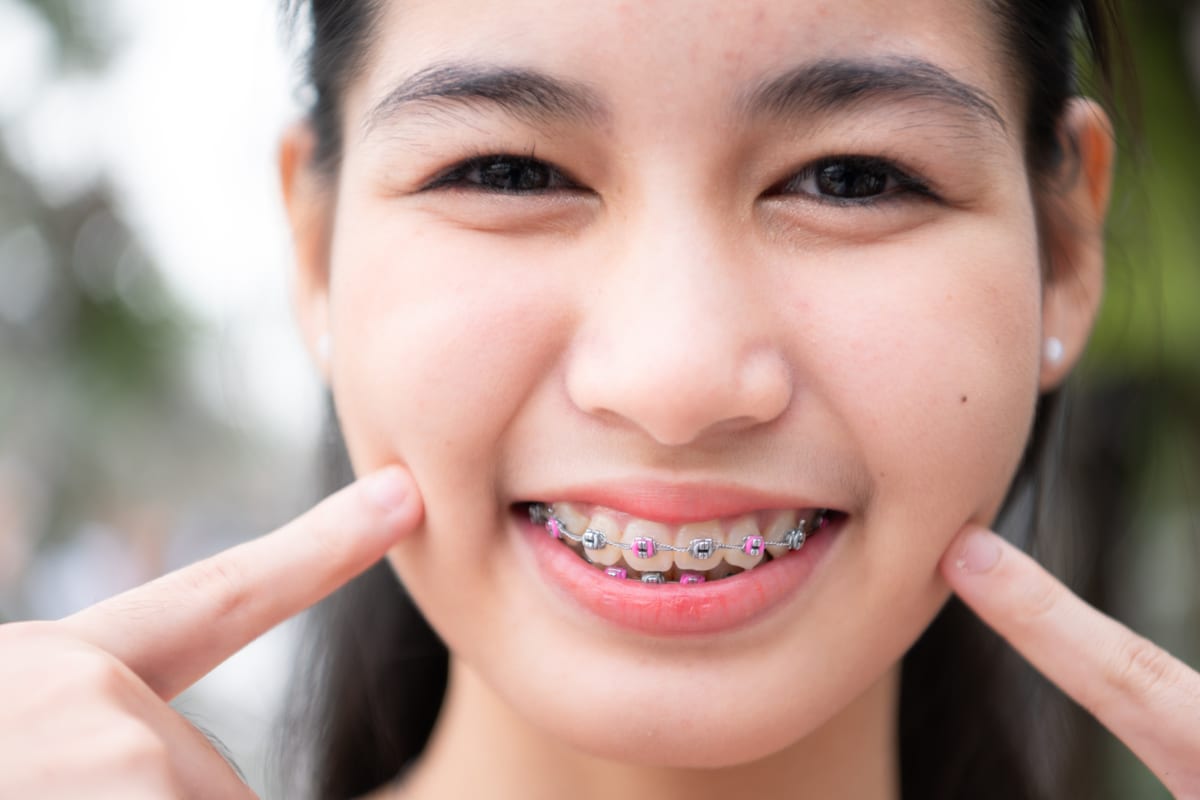


The day your braces come off is exciting. After months—or even years—of orthodontic treatment, you’re finally ready to enjoy your new smile. But what happens if, instead of seeing bright, evenly colored teeth, you notice brown spots or stains on some of your teeth?
You’re not alone. Many patients are surprised to discover discoloration after braces are removed. In most cases, these brown spots didn’t appear overnight. They often developed gradually while braces were in place, hidden beneath brackets or around areas that were difficult to clean. Depending on the cause, the discoloration may be superficial surface staining or a sign of enamel damage that requires professional treatment.
According to the American Dental Association (ADA), maintaining good oral hygiene during orthodontic treatment is essential because brackets and wires create additional surfaces where plaque can accumulate. If plaque isn’t removed effectively, it can contribute to enamel demineralization, staining, and tooth decay. The Centers for Disease Control and Prevention (CDC) also reports that more than 90% of adults aged 20–64 have experienced dental caries (cavities), highlighting how common tooth decay and enamel changes are in the United States.
The encouraging news is that many brown spots can be treated successfully. Professional dental cleanings, whitening, enamel microabrasion, resin infiltration, composite bonding, porcelain veneers, and other cosmetic treatments may help restore a brighter, more uniform smile, depending on the underlying cause.
In this guide, you’ll learn why brown spots develop after braces, how orthodontists diagnose them, the most effective treatment options, and practical ways to prevent discoloration during and after orthodontic treatment.
Why Do Brown Spots Appear After Braces?
The braces themselves do not cause brown spots. Instead, they usually develop because plaque, bacteria, or stains accumulate around orthodontic brackets where brushing and flossing are more challenging.
Common causes include:
- Poor oral hygiene during orthodontic treatment
- Plaque and tartar buildup
- Early tooth decay
- Enamel demineralization
- Dietary staining from coffee, tea, soda, or tobacco
- Fluorosis (in some individuals)
- Existing enamel defects that become more visible after braces are removed
Identifying the exact cause is essential because treatment varies depending on whether the discoloration affects only the tooth surface or extends deeper into the enamel.
Brown Spots vs. White Spots: What’s the Difference?
Many patients are familiar with white spot lesions, but brown spots are often a progression of the same process.
White Spots
White spots are areas where minerals have been lost from the enamel due to acid exposure from plaque bacteria. They are considered an early sign of enamel demineralization.
Brown Spots
Brown spots may occur when:
- Demineralized enamel absorbs pigments from foods or beverages.
- Early cavities begin to discolor.
- Surface stains collect in rough enamel areas.
- Existing enamel defects darken over time.
An orthodontist can determine whether the discoloration is simply a stain or requires restorative treatment.
Statistics on Oral Health and Braces
Understanding the prevalence of enamel changes helps explain why prevention matters.
- Approximately 4 million people wear braces in the United States each year (American Association of Orthodontists).
- Around 25% of orthodontic patients are adults.
- Studies estimate that white spot lesions may develop in 25% to more than 50% of orthodontic patients, depending on oral hygiene habits and treatment duration.
- According to the CDC, over 90% of U.S. adults aged 20–64 have had at least one cavity.
- Research published in orthodontic journals shows that plaque accumulation around brackets significantly increases the risk of enamel demineralization if oral hygiene is inadequate.
These statistics highlight why careful brushing, flossing, and regular dental visits are essential throughout orthodontic treatment.
Common Causes of Brown Spots After Braces
1. Plaque Buildup
Brackets and wires create small spaces where food particles and bacteria can collect.
If plaque is not removed daily, acids produced by bacteria begin to weaken enamel and may eventually cause discoloration.
2. Enamel Demineralization
One of the most common reasons for brown spots is enamel demineralization.
When plaque bacteria feed on sugars, they produce acids that remove minerals such as calcium and phosphate from the enamel.
Initially, these areas appear chalky white, but over time they may become brown if pigments penetrate the weakened enamel.
3. Surface Staining
Foods and beverages containing dark pigments can stain teeth during orthodontic treatment.
Common culprits include:
- Coffee
- Tea
- Red wine
- Cola
- Tomato-based sauces
- Curry
- Tobacco products
These stains are often limited to the enamel surface and may respond well to professional cleaning or whitening.
4. Tooth Decay
Brown spots may also indicate early cavities.
Unlike simple stains, cavities involve permanent damage to the tooth structure and usually require restorative treatment, such as a filling.
Can Brown Spots Be Removed Permanently?
In many cases, yes—but the success depends on the cause and severity of the discoloration.
A trusted local Dallas orthodontist will examine the affected teeth and may recommend one or more of the following treatments.
Professional Treatments for Brown Spots
1. Professional Dental Cleaning
If plaque or tartar causes the discoloration, a professional cleaning may remove much of the staining.
Benefits include:
- Removal of hardened tartar
- Elimination of surface stains
- Improved gum health
- Better evaluation of the enamel
2. Professional Teeth Whitening
Professional whitening treatments can brighten natural tooth enamel and reduce the appearance of certain superficial brown stains.
However, whitening is not effective for cavities, deep enamel defects, or existing dental restorations.
3. Enamel Microabrasion
Microabrasion removes a very thin layer of enamel using a specialized acidic and abrasive compound.
This treatment is often recommended for:
- Superficial brown stains
- Mild fluorosis
- Surface enamel irregularities
Clinical studies have shown favorable cosmetic results in appropriately selected cases.
4. Resin Infiltration (ICON®)
Resin infiltration is a minimally invasive procedure that fills porous areas of demineralized enamel with a clear resin.
It is commonly used for:
- White spot lesions
- Some shallow brown discolorations
- Early enamel defects after orthodontic treatment
This technique may improve the appearance of affected teeth without removing significant tooth structure.
5. Composite Bonding
If discoloration extends deeper into the enamel or dentin, composite bonding can cover the affected area with a tooth-colored resin.
Advantages include:
- Same-day treatment
- Conservative approach
- Natural appearance
- Affordable cosmetic solution
6. Porcelain Veneers
For severe discoloration or enamel damage, porcelain veneers may provide the most dramatic improvement.
Veneers can:
- Cover deep stains
- Improve tooth shape
- Correct color variations
- Enhance overall smile aesthetics
Because veneers require removal of a small amount of enamel, they are generally reserved for more advanced cosmetic concerns.
7. Dental Crowns
If a tooth has extensive decay or structural damage, a dental crown may be the best long-term solution.
Crowns restore both function and appearance while protecting the remaining tooth structure.
How an Orthodontist Diagnoses Brown Spots
Before recommending treatment, your Orthodontist may perform:
- A visual examination
- Digital X-rays
- Caries detection tests
- Evaluation of enamel quality
- Assessment of previous orthodontic records
An accurate diagnosis ensures cosmetic procedures aren’t performed on teeth that require restorative care.
Can You Remove Brown Spots at Home?
Many over-the-counter products claim to remove stains, but they have limitations.
Whitening Toothpaste
Whitening toothpaste may help remove surface stains, but it cannot repair enamel damage or eliminate cavities.
Whitening Strips
These products may lighten surrounding enamel, making deep brown spots appear more noticeable if enamel defects cause the discoloration.
DIY Remedies
The ADA does not recommend abrasive home remedies such as baking soda scrubs, activated charcoal, or acidic substances like lemon juice for removing brown spots. These methods can wear away enamel and increase tooth sensitivity.
If brown spots persist after brushing and professional cleaning, a dental evaluation is the safest next step.
How to Prevent Brown Spots During Braces Treatment
Preventing discoloration is easier than treating it later.
Follow these recommendations:
- Brush with fluoride toothpaste after every meal.
- Floss daily using orthodontic floss threaders or a water flosser.
- Use an interdental brush to clean around brackets.
- Limit sugary snacks and acidic drinks.
- Drink water throughout the day.
- Attend regular dental cleanings and orthodontic appointments.
- Consider a fluoride rinse if your Orthodontist recommends it.
Good oral hygiene significantly reduces the risk of plaque buildup and enamel demineralization.
When Should You See an Orthodontist?
Schedule an appointment if you notice:
- Brown spots that do not brush away
- Tooth sensitivity
- Pain while chewing
- Dark areas around brackets
- Chips or rough enamel
- Bleeding or swollen gums
Early diagnosis can prevent minor enamel changes from progressing to cavities or more extensive dental treatment.
Benefits of Treating Brown Spots
Addressing discoloration promptly can provide several advantages:
- Improved smile appearance
- Reduced risk of tooth decay progression
- Better oral hygiene
- Increased confidence
- Preservation of natural tooth structure
- Long-term oral health
The earlier the underlying cause is identified, the more conservative the treatment is likely to be.
Conclusion
Brown spots on your teeth after braces can be disappointing, but they do not always mean permanent damage. They may result from plaque buildup, enamel demineralization, surface staining, or other changes that developed during orthodontic treatment. The right solution depends on the underlying cause and may include professional cleaning, whitening, enamel microabrasion, resin infiltration, composite bonding, veneers, or restorative treatment.
If you notice brown spots after your braces are removed, avoid relying on home remedies alone. A professional evaluation can determine whether the discoloration is cosmetic or related to tooth decay. Early diagnosis and appropriate treatment can help improve the appearance of your teeth while protecting your long-term oral health.
Visit our dental practice in Dallas to have brown spots professionally evaluated by Dr. Benito Benitez. Schedule an appointment to discuss your concerns and learn which treatment options may be appropriate for your teeth.
Frequently Asked Questions
1. Are brown spots after braces permanent?
Not always. Surface stains may be removed with professional cleaning or whitening, while deeper enamel discoloration may require treatments such as resin infiltration, bonding, or veneers.
2. Can teeth whitening remove brown spots after braces?
Professional whitening can improve many surface stains, but it does not treat cavities, severe enamel defects, or discoloration caused by structural damage.
3. Why did brown spots appear after my braces were removed?
Brown spots often develop because plaque accumulates around brackets during orthodontic treatment, leading to staining, enamel demineralization, or early tooth decay.
4. How can I prevent brown spots while wearing braces?
Brush thoroughly with fluoride toothpaste, floss daily, clean around brackets with interdental brushes, limit sugary foods and acidic drinks, and attend regular dental cleanings.
5. Should I see an orthodontist if I notice brown spots after braces?
Yes. A dental examination can determine whether the spots are harmless surface stains or signs of enamel damage or cavities that require treatment.