
Do you wake up with sore jaw muscles, frequent headaches, or teeth that feel unusually sensitive? You may be experiencing bruxism—the habit of grinding or clenching your teeth. While stress is a common contributor, bite problems and tooth alignment can also contribute to jaw discomfort for some patients.
An orthodontist specializes in diagnosing and correcting bite and alignment issues. Although orthodontic treatment is not a cure for every case of bruxism, it can improve bite function in appropriate patients. It may help reduce excessive forces on the teeth and jaw when malocclusion contributes to the problem.
Research shows that bruxism is common. A systematic review and meta-analysis estimated the prevalence of awake bruxism at approximately 15.4% of adults. In contrast, other systematic reviews report that sleep bruxism commonly affects about 8–16% of adults, depending on how it is measured.
If you’re experiencing persistent jaw discomfort or signs of tooth grinding, understanding how orthodontic care fits into a comprehensive treatment plan can help you make informed decisions about your oral health.
What Is Teeth Grinding?
Teeth grinding, or bruxism, is repetitive clenching, grinding, or bracing of the jaw muscles. It may occur while you’re awake or asleep.
Many people don’t realize they grind their teeth until a family member hears the noise during sleep or a dentist notices worn tooth surfaces during a routine examination.
Common symptoms include:
- Jaw soreness
- Morning headaches
- Tooth sensitivity
- Flattened or chipped teeth
- Facial muscle fatigue
- Clicking or popping in the jaw
- Neck pain
Without treatment, persistent grinding may contribute to excessive tooth wear, cracked teeth, and muscle discomfort.
What Causes Bruxism?
Bruxism is multifactorial, meaning there is usually more than one contributing factor.
Possible causes include:
- Emotional stress and anxiety
- Sleep-related disorders
- Certain medications
- Lifestyle habits such as caffeine or tobacco use
- Neurological conditions
- Bite irregularities in selected patients
Because every patient is different, identifying the underlying cause is an important first step before recommending treatment.
Can an Orthodontist Help?
The answer is sometimes.
Current evidence indicates that orthodontic treatment should not be viewed as a universal treatment for bruxism. However, if your orthodontist identifies bite discrepancies or significant tooth misalignment that contribute to uneven biting forces or excessive tooth wear, correcting those problems may improve function and reduce strain on the teeth and jaw.
An orthodontist will evaluate:
- Tooth alignment
- Bite relationship
- Jaw position
- Tooth wear patterns
- Facial symmetry
- Existing restorations
- Jaw muscle tenderness
This comprehensive evaluation helps determine whether orthodontic treatment could be beneficial as part of an overall management plan.
How Bite Problems Can Affect the Jaw
When upper and lower teeth do not fit together properly, certain teeth or jaw muscles may experience greater forces during chewing or clenching.
Depending on the individual, this may contribute to:
- Uneven tooth wear
- Muscle fatigue
- Difficulty chewing
- Increased pressure on specific teeth
- Jaw discomfort
Orthodontic treatment aims to create a healthier bite by improving tooth alignment and distributing biting forces more evenly. While this may improve comfort for some patients, it is only one part of managing bruxism and jaw strain.
Orthodontic Treatments That May Improve Bite Function
Traditional Braces
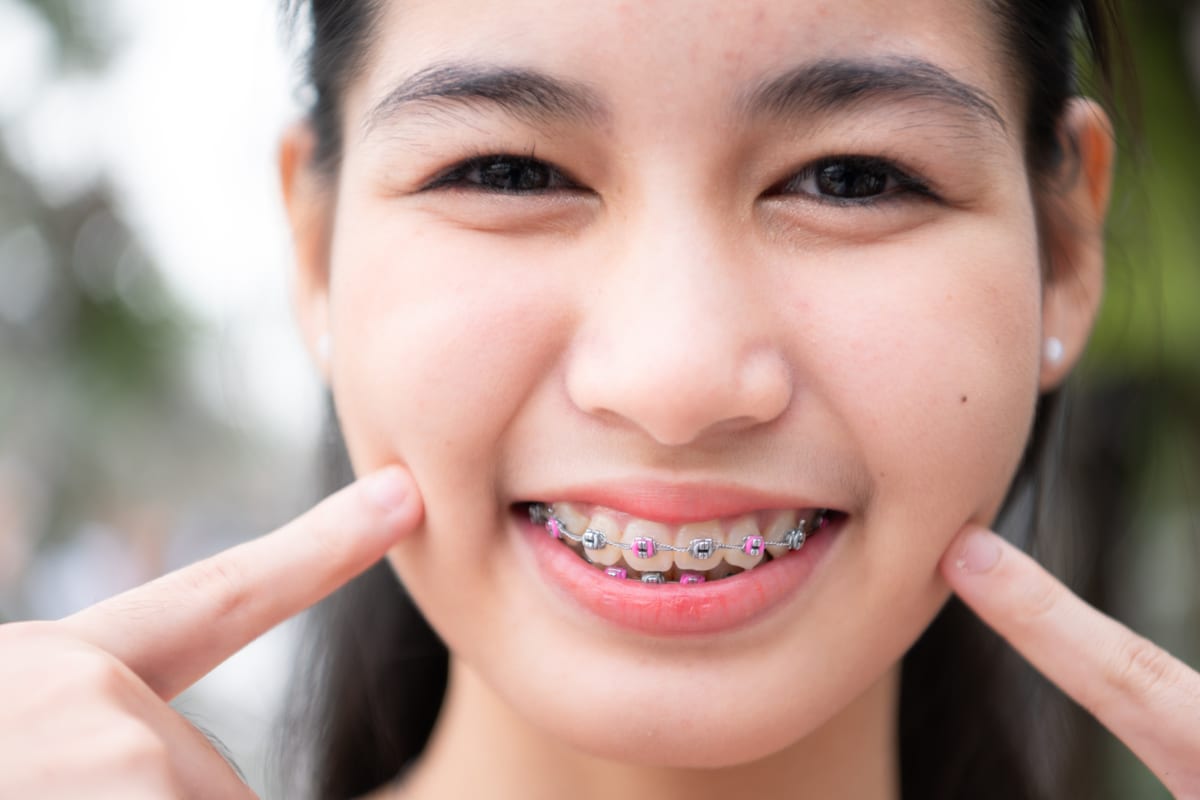
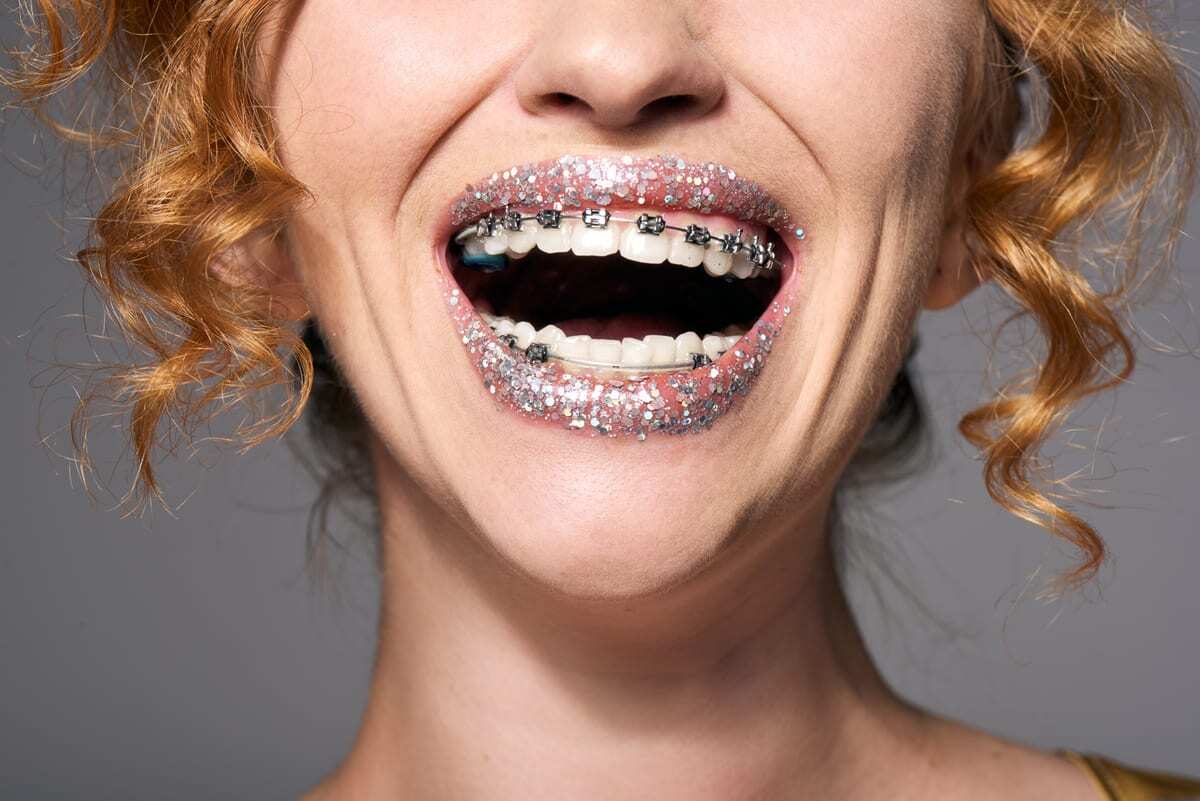
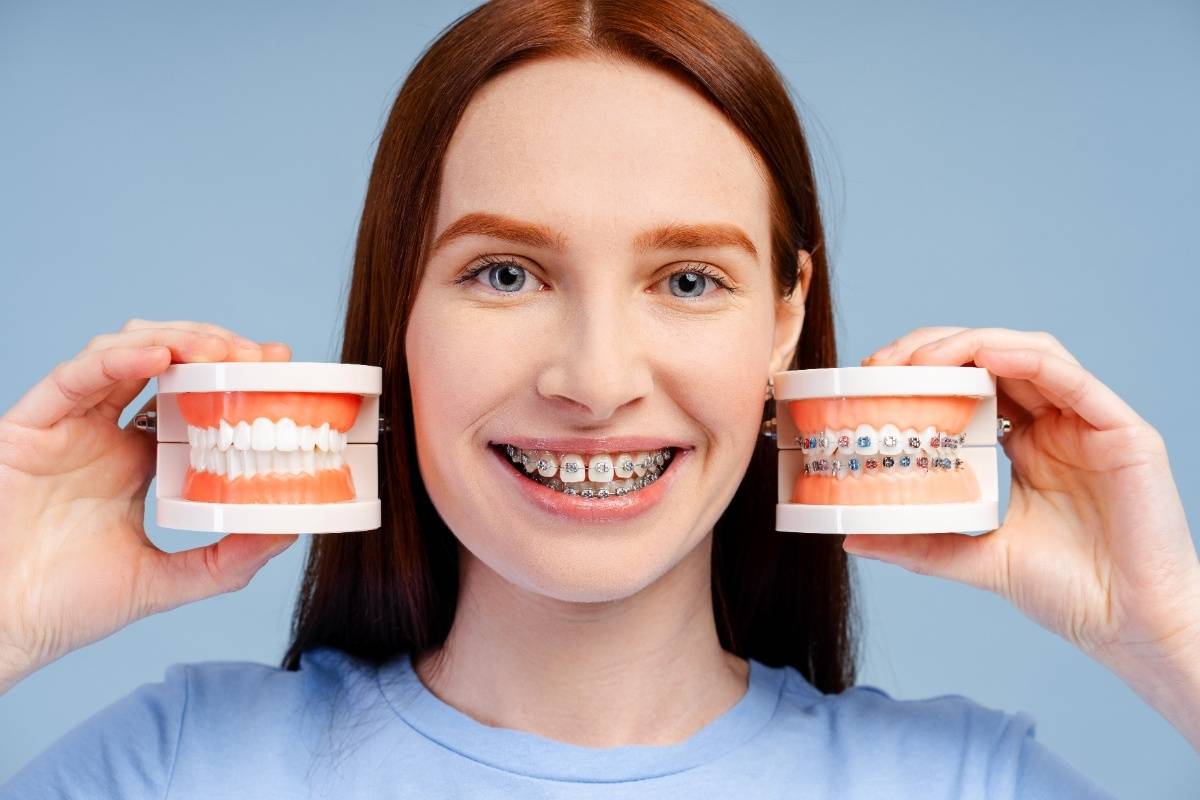
Braces in Dallas gradually move teeth into more favorable positions by applying controlled forces over time.
Benefits may include:
- Improved bite alignment
- Better chewing efficiency
- Easier oral hygiene
- Reduced uneven tooth wear
Clear Aligners
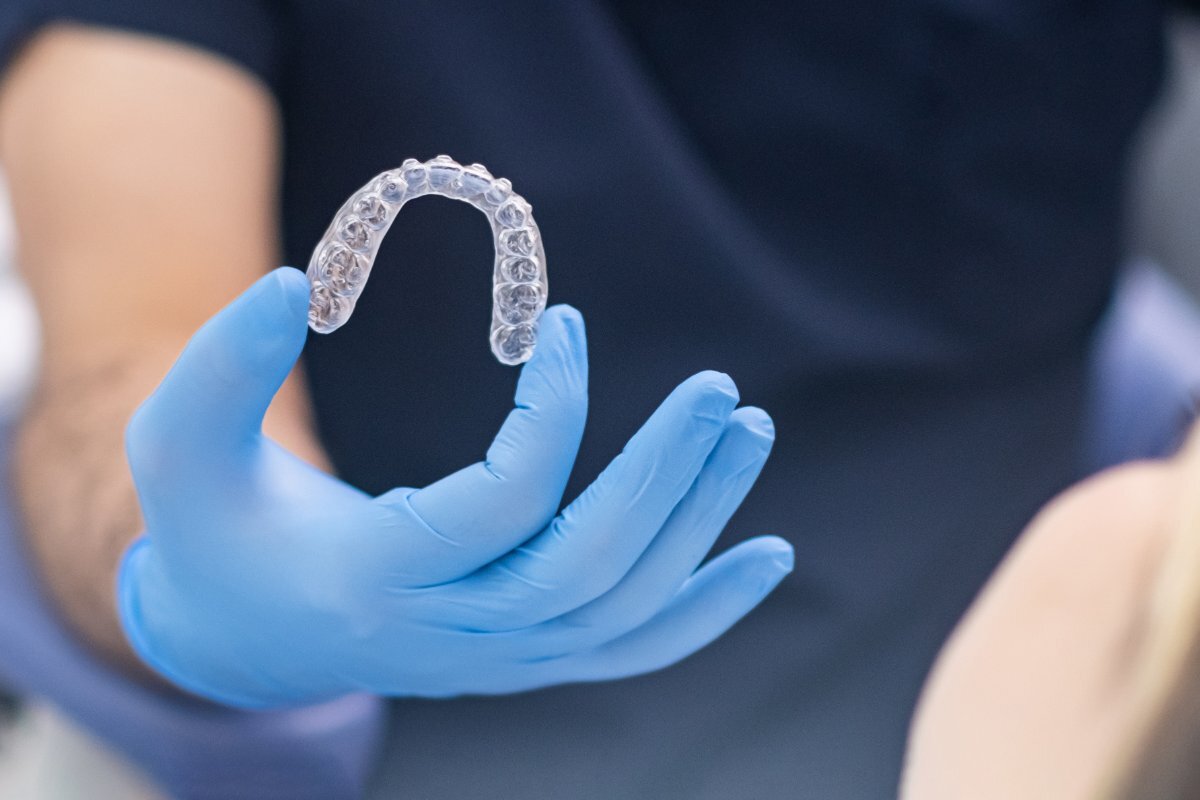
Clear aligners in Dallas can correct many mild-to-moderate orthodontic problems while offering a discreet treatment option.
Depending on your case, aligners may improve:
- Crowding
- Spacing
- Mild bite discrepancies
- Overall smile alignment
Some patients also appreciate that aligners are removable, making brushing and flossing easier throughout treatment.
Bite Correction
Certain orthodontic techniques focus specifically on improving how the upper and lower teeth come together.
Correcting bite discrepancies may help reduce excessive stress placed on individual teeth during normal function.
The Connection Between Teeth Grinding and Jaw Strain
When you repeatedly clench or grind your teeth, your jaw muscles work much harder than they should. Over time, this excessive muscle activity can contribute to:
- Muscle fatigue
- Morning jaw soreness
- Tension headaches
- Tooth sensitivity
- Excessive tooth wear
- Chipped or cracked teeth
- Difficulty opening or closing the mouth comfortably
If bite problems are contributing to uneven pressure across your teeth, orthodontic treatment may help improve how your teeth fit together. Better bite alignment can reduce abnormal forces during chewing and may improve overall oral function.
However, because bruxism often has several contributing factors, treatment may also involve your general dentist, primary care physician, or a sleep medicine specialist.
Can Orthodontic Treatment Help TMJ-Related Symptoms?
Some patients who grind their teeth also experience discomfort involving the temporomandibular joints (TMJs)—the joints that connect the lower jaw to the skull.
Common TMJ symptoms include:
- Jaw pain
- Clicking or popping sounds
- Difficulty chewing
- Limited jaw movement
- Facial muscle tenderness
Although orthodontic treatment may improve bite alignment in selected cases, current evidence does not support orthodontics as a routine treatment for all temporomandibular disorders (TMD). Each patient requires an individualized evaluation to determine the underlying cause of their symptoms.
If jaw pain is related to muscle tension, arthritis, injury, or another condition, other treatments may be recommended in addition to—or instead of—orthodontic care.
Other Treatments That May Be Recommended
Because bruxism often has multiple causes, orthodontic treatment is sometimes combined with other therapies.
Custom Nightguards
For patients who grind their teeth during sleep, a custom-made nightguard may help protect teeth from excessive wear and reduce the risk of fractures.
Nightguards do not stop bruxism itself, but they can help minimize damage from grinding.
Stress Management
Stress is a common trigger for awake bruxism.
Your healthcare provider may recommend:
- Relaxation techniques
- Regular exercise
- Improved sleep habits
- Counseling when appropriate
- Mindfulness or meditation practices
Reducing stress may help decrease daytime clenching for some individuals.
Physical Therapy
Some patients benefit from exercises that improve jaw mobility and reduce muscle tension.
Physical therapy may include:
- Jaw stretching exercises
- Muscle massage
- Heat therapy
- Posture correction
Restorative Dental Treatment
If teeth have already been damaged by grinding, restorative procedures such as bonding, crowns, or onlays may be recommended to rebuild worn tooth surfaces and restore proper function.
Signs You Should Schedule an Orthodontic Evaluation
Consider scheduling an evaluation if you experience:
- Persistent jaw discomfort
- Frequent morning headaches
- Teeth that appear worn or flattened
- Crowded or crooked teeth
- Difficulty chewing comfortably
- Bite changes
- Broken dental restorations caused by grinding
- Chronic tooth sensitivity without another obvious cause
An orthodontist will perform a comprehensive examination to determine whether bite correction may benefit your oral health.
Tips to Help Protect Your Teeth
Whether or not orthodontic treatment is recommended, these habits can help protect your smile:
- Maintain Excellent Oral Hygiene: Brush twice daily with fluoride toothpaste and floss every day to keep your teeth and gums healthy.
- Avoid Chewing Hard Objects: Ice, pens, fingernails, and hard candies can increase stress on teeth that are already affected by grinding.
- Practice Good Sleep Habits: A consistent sleep schedule may support overall health and may help reduce sleep-related disturbances in some individuals.
- Keep Regular Dental Appointments: Routine examinations allow your dentist to monitor tooth wear, evaluate your bite, and identify problems before they become more serious.
- Follow Your Orthodontist’s Instructions: If you’re undergoing orthodontic treatment, wearing aligners or elastics as instructed can help achieve the planned bite correction and improve treatment outcomes.
Benefits of Early Orthodontic Evaluation
Early diagnosis can make a significant difference, especially for children and teenagers whose jaws are still developing.
An early orthodontic assessment may help identify:
- Developing bite problems
- Crowding
- Crossbites
- Excessive overbite or underbite
- Jaw growth concerns
Addressing orthodontic issues at the appropriate time may improve long-term oral function and reduce the likelihood of more complex treatment later.
Conclusion
Teeth grinding and jaw strain can affect your comfort, oral health, and quality of life. While orthodontic treatment is not a cure for every case of bruxism, it can improve bite alignment and oral function for patients whose symptoms are associated with malocclusion or other orthodontic concerns.
A thorough evaluation by an orthodontist can help determine whether bite correction should be part of your overall treatment plan. In many cases, the best results come from a comprehensive approach that may include orthodontic care, custom nightguards, stress management, and routine dental care.
If you’re experiencing persistent jaw pain, worn teeth, or frequent grinding, scheduling a consultation with a local Dallas orthodontist is an excellent first step toward protecting your smile and improving long-term oral health.
Frequently Asked Questions
1. Can braces stop teeth grinding?
Braces do not directly stop bruxism. However, if bite misalignment contributes to excessive pressure on your teeth or jaw, orthodontic treatment may improve bite function and reduce uneven forces.
2. Will Invisalign® help with jaw strain?
Clear aligners can improve tooth alignment and bite relationships in appropriate cases. Whether they reduce jaw strain depends on the underlying cause of your symptoms.
3. Should I wear a nightguard if I grind my teeth?
Many patients with sleep bruxism benefit from a custom-made nightguard to protect their teeth from wear and reduce the risk of fractures. Your dentist can determine whether a nightguard is appropriate for you.
4. Can children grind their teeth?
Yes. Teeth grinding can occur in children as well as adults. Many children outgrow the habit, but a dentist or orthodontist should evaluate persistent grinding or signs of tooth wear.
5. When should I see an orthodontist for jaw pain?
If you have ongoing jaw discomfort, noticeable bite problems, worn teeth, difficulty chewing, or frequent headaches associated with clenching or grinding, an orthodontic evaluation can help determine whether orthodontic treatment may benefit your oral health.