
Have you ever wondered whether braces or clear aligners do more than straighten your smile? Many people think orthodontic treatment is purely cosmetic, but the truth is far more significant. Properly aligned teeth are easier to clean, function more efficiently, and are less likely to experience long-term damage.
According to the American Association of Orthodontists (AAO), orthodontic treatment helps create healthier bites that improve both oral function and long-term dental health. Likewise, the Centers for Disease Control and Prevention (CDC) reports that nearly 47.2% of U.S. adults aged 30 years and older have some form of periodontal disease, highlighting the importance of maintaining teeth that are easier to clean and care for.
Whether you’re considering treatment for yourself or your child, understanding the lifelong benefits of orthodontic care can help you make informed decisions about your oral health.
Why Proper Tooth Alignment Matters
Healthy teeth depend on more than regular brushing and flossing. Their position within your mouth significantly affects how well you can maintain oral hygiene.
When teeth overlap, rotate, or crowd together, plaque and food particles collect in places that toothbrushes and floss often cannot reach. Over time, this increases the risk of:
- Tooth decay
- Gum disease
- Bad breath
- Tooth wear
- Bone loss
- Tooth loss
Research published by the National Institutes of Health (NIH) has consistently shown that crowded teeth are associated with greater plaque accumulation and increased gingival inflammation.
Orthodontic Care Helps Prevent Tooth Decay
One of the greatest long-term benefits of orthodontic treatment is reducing the risk of cavities.
Straight teeth are much easier to clean because there are fewer tight spaces where bacteria can hide. Daily brushing becomes more effective, while flossing can reach between teeth without obstruction.
The CDC estimates that approximately 90% of adults aged 20–64 have experienced dental caries in their permanent teeth during their lifetime. While cavities result from multiple factors—including diet and oral hygiene—proper tooth alignment can make prevention easier.
Patients often notice that maintaining oral hygiene becomes much simpler after orthodontic treatment is complete.
Lower Risk of Gum Disease
Healthy gums provide the foundation for healthy teeth.
Crowded teeth often trap bacteria beneath the gumline, causing inflammation that may progress into gingivitis or periodontitis.
According to the CDC, nearly half of American adults over age 30 have periodontal disease, making it one of the most common chronic health conditions in the United States.
Orthodontic treatment supports healthier gums by:
- Reducing plaque-retaining areas
- Improving flossing access
- Lowering gum inflammation
- Promoting healthier bone support
- Helping prevent future tooth loss
Long-term periodontal health is one of the most overlooked advantages of properly aligned teeth.
Orthodontics Reduces Uneven Tooth Wear
Every time you chew, your teeth distribute significant pressure.
When teeth are misaligned, certain teeth absorb far more force than others. This uneven pressure gradually wears away enamel, creates small fractures, and may eventually require restorative dental treatment.
A properly aligned bite distributes chewing forces more evenly, helping preserve natural enamel throughout life.
Orthodontic treatment may reduce the likelihood of:
- Chipped teeth
- Cracked teeth
- Enamel erosion
- Premature tooth wear
- Bite-related discomfort
Protecting enamel is essential because, once lost, it cannot regenerate naturally.
Better Bite Function Means Healthier Teeth
A healthy bite allows your upper and lower teeth to meet properly.
When your bite is misaligned—such as with overbites, underbites, crossbites, or open bites—daily chewing places excessive stress on certain teeth and jaw muscles.
The American Association of Orthodontists notes that correcting bite problems can improve chewing efficiency, speech, and overall oral function while reducing abnormal tooth wear.
Better bite function often leads to:
- More comfortable chewing
- Less jaw fatigue
- Reduced pressure on individual teeth
- Improved long-term tooth stability
- Better overall oral health
Orthodontic Treatment Can Protect Dental Restorations
Many adults have crowns, fillings, bridges, veneers, or dental implants.
If the bite is uneven, these restorations may be subjected to excessive pressure, increasing the likelihood of fractures or failure.
Proper orthodontic alignment helps distribute chewing forces more evenly across the mouth, which may help extend the lifespan of existing dental work.
Considering that replacing a crown or implant can be costly, protecting these restorations offers both health and financial benefits over time.
Improved Jaw Health
Misaligned bites don’t just affect teeth—they also influence the jaw joints.
Improper alignment can contribute to:
- Jaw discomfort
- Muscle fatigue
- Difficulty chewing
- Clicking or popping sounds
- Increased strain on the temporomandibular joints (TMJ)
While orthodontic treatment is not a cure for every TMJ disorder, correcting certain bite problems may reduce mechanical stress on the jaw for some patients, depending on the underlying cause.
How Orthodontic Care Supports Lifelong Oral Health
Orthodontic treatment does more than create a straighter smile—it helps establish an environment where your teeth and gums can stay healthier for decades. When teeth are properly aligned, daily brushing and flossing become more effective, reducing plaque buildup and lowering the risk of future dental problems.
The CDC reports that 1 in 5 adults aged 20–64 has at least one untreated cavity, and nearly half of adults aged 30 or older show signs of gum disease. Improving access to tooth surfaces through proper alignment can make routine oral hygiene more effective.
Orthodontic Care Helps Preserve Natural Teeth
One of the primary goals of modern dentistry is preserving your natural teeth for as long as possible. Misaligned teeth are more likely to experience:
- Excessive wear
- Chipping and fractures
- Gum recession
- Tooth mobility
- Premature tooth loss
Because orthodontic treatment distributes biting forces more evenly, individual teeth are less likely to experience excessive stress during everyday activities like chewing.
The National Institute of Dental and Craniofacial Research (NIDCR) identifies periodontal disease as the leading cause of tooth loss in adults, making prevention through proper oral hygiene and bite alignment especially important.
Better Oral Hygiene Means Better Overall Health
Your oral health is closely connected to your overall well-being.
Poor oral health has been associated with conditions such as:
- Diabetes
- Heart disease
- Pregnancy complications
- Respiratory infections
Although orthodontic treatment does not directly prevent these medical conditions, it can make oral hygiene easier, helping reduce plaque accumulation and gum inflammation.
The CDC emphasizes that oral health is essential for eating, speaking, and overall quality of life, and that most oral diseases are largely preventable with professional care and good home hygiene.
Orthodontic Care Benefits Both Children and Adults
Many people assume braces are only for teenagers, but orthodontic treatment can benefit patients of almost any age.
Children
Early orthodontic evaluations can:
- Guide jaw growth
- Correct harmful bite patterns
- Reduce future crowding
- Simplify later treatment
The American Association of Orthodontists recommends children receive their first orthodontic evaluation by age 7, allowing orthodontists to identify developing problems before they become more complex.
Adults
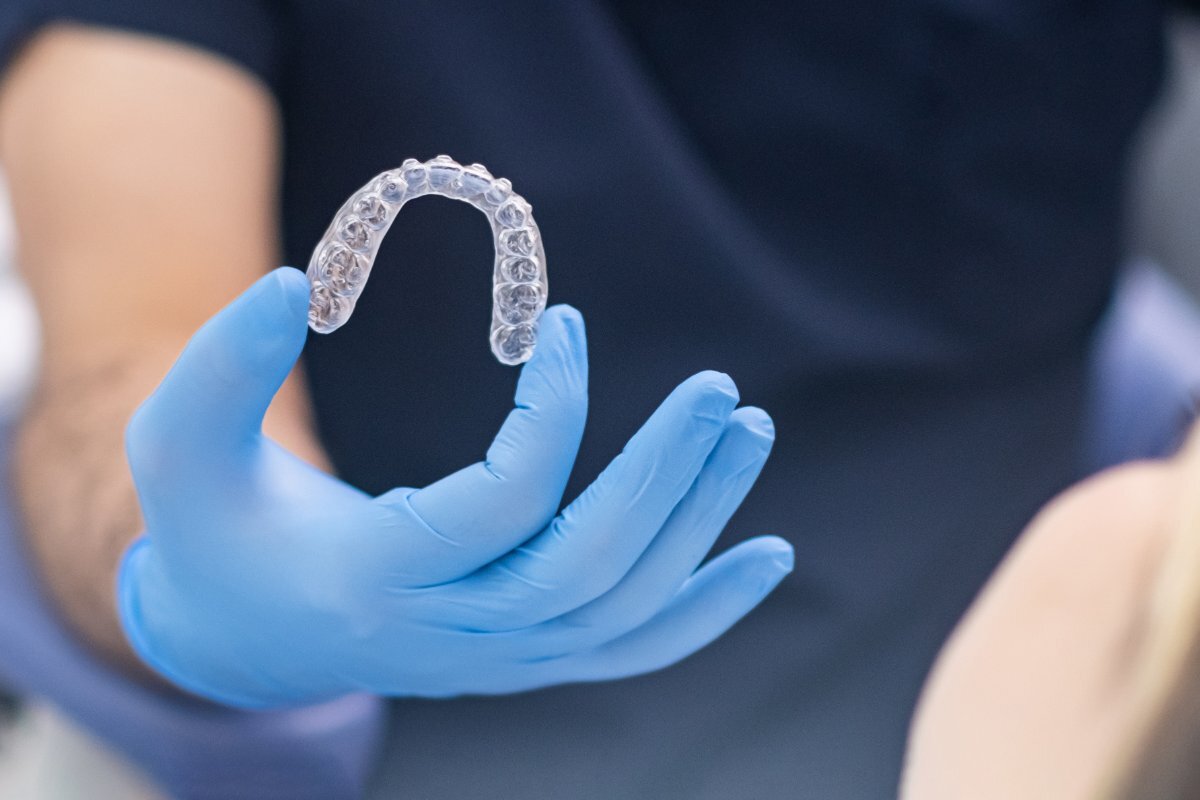
Adult orthodontic treatment has become increasingly popular thanks to discreet options such as clear aligners and ceramic braces.
Adults often seek orthodontic care to:
- Improve oral hygiene
- Correct shifting teeth
- Prepare for implants or crowns
- Improve bite function
- Enhance smile confidence
Since healthy teeth can move at any age, many adults achieve excellent orthodontic outcomes.
Orthodontics Can Protect Existing Dental Work
If you’ve invested in crowns, bridges, veneers, or dental implants, protecting that investment is important.
When your bite is uneven, certain restorations absorb more force than they were designed to handle. This may increase the risk of:
- Cracked crowns
- Loose fillings
- Veneer damage
- Implant overload
- Frequent repairs
Proper tooth alignment distributes chewing forces more evenly across your mouth, helping existing restorations function more efficiently.
Can Orthodontic Treatment Save Money Over Time?
While orthodontic treatment requires an upfront investment, it may help reduce future dental expenses by reducing the likelihood of complications from untreated misalignment.
Potential long-term savings include fewer:
- Restorative procedures
- Emergency dental visits
- Crown replacements
- Gum disease treatments
- Tooth extractions
The CDC estimates that untreated oral disease contributes to nearly $46 billion in lost U.S. productivity each year, highlighting the significant economic burden of preventable dental problems.
Tips for Maintaining Your Orthodontic Results
Completing orthodontic treatment is only the beginning. Protect your lifelong results by:
- Wearing retainers exactly as prescribed.
- Brushing twice daily with fluoride toothpaste.
- Flossing every day.
- Limiting sugary snacks and drinks.
- Visiting your local Dallas orthodontist every six months.
- Scheduling routine orthodontic follow-up visits if recommended.
- Avoid habits such as chewing ice or using your teeth to open packages.
These habits help keep your teeth healthy and reduce the chances of relapse.
Conclusion
Orthodontic care is about far more than creating a beautiful smile. Properly aligned teeth are easier to clean, function more efficiently, and are less likely to suffer from excessive wear, decay, or gum disease. By improving bite alignment and supporting healthier oral hygiene habits, orthodontic treatment can help protect your natural teeth for years to come.
For families in your local community, investing in orthodontic care today can mean fewer dental complications tomorrow. Whether you’re considering braces for your child or clear aligners as an adult, an orthodontic evaluation is an important step toward lifelong oral health.
Frequently Asked Questions
1. Does orthodontic treatment help prevent cavities?
Yes. Straight teeth are generally easier to brush and floss effectively, reducing plaque buildup and lowering the risk of tooth decay when combined with good oral hygiene.
2. Can adults benefit from orthodontic treatment?
Absolutely. Healthy teeth can be moved at almost any age, and many adults choose orthodontic treatment to improve bite function, oral hygiene, and the aesthetics of their smile.
3. Will orthodontic treatment prevent gum disease?
Orthodontic treatment alone does not prevent gum disease, but it can make teeth easier to clean, which may reduce plaque accumulation and support healthier gums.
4. How long do orthodontic results last?
Results can last a lifetime when patients wear their retainers as instructed and maintain good oral hygiene and regular dental checkups.
5. Is orthodontic treatment worth the investment?
For many patients, yes. Beyond cosmetic improvements, orthodontic care can enhance oral function, simplify daily hygiene, and help reduce the risk of future dental complications.