
Getting your braces removed is supposed to be an exciting moment. After months or even years of orthodontic treatment, most patients expect a straight, confident smile. But for some people, the mirror reveals an unexpected surprise: brown spots or stains on the teeth.
If you recently noticed brown discoloration after braces, you are not alone. Brown spots after orthodontic treatment are surprisingly common and may result from plaque buildup, enamel demineralization, tartar accumulation, poor oral hygiene, or staining around brackets.
According to research published by the National Library of Medicine, approximately 26% of patients treated with traditional braces developed white spot lesions or enamel changes during orthodontic treatment. These enamel changes can sometimes appear white at first and later darken into yellow or brown discoloration if not treated properly.
The good news is that many brown spots after braces can be improved or removed with professional dental care and better oral hygiene habits. In this guide, you will learn about the causes of brown spots after braces, dentist-approved treatment options, prevention strategies, and when to schedule a dental visit.
Why Do Brown Spots Appear After Braces?
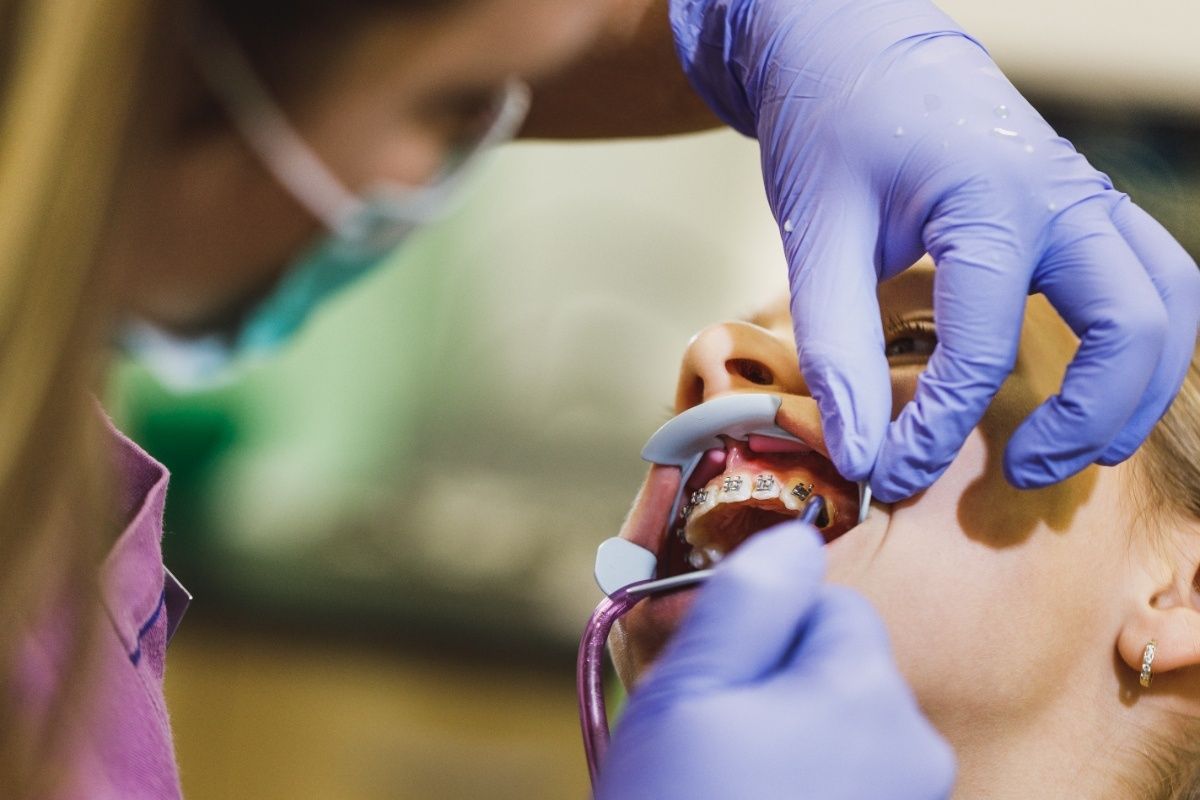
Braces in Dallas make it harder to clean around brackets and wires. When plaque and bacteria remain on teeth for long periods, acids begin to weaken the enamel.
The American Association of Orthodontists explains that white spots and discoloration after braces are usually caused by enamel demineralization from plaque and acid exposure around orthodontic brackets.
Brown spots may develop because of:
- Plaque buildup
- Tartar accumulation
- Poor brushing around brackets
- Enamel demineralization
- Tooth decay
- Staining foods and drinks
- Smoking or vaping
- Leftover orthodontic adhesive
In many cases, these spots form gradually during orthodontic treatment and become noticeable only after braces are removed.
What Are Brown Spots on Teeth After Braces?
Brown spots can range from light yellow-brown stains to darker patches or rough-textured areas.
They may appear:
- Near former bracket locations
- Around the gumline
- Between teeth
- On the front teeth
- Around adhesive residue
Some spots are simple surface stains, while others may indicate early enamel damage or cavities.
According to Healthline, plaque buildup around braces can harden into tartar, leading to yellow or brown discoloration. Demineralization may also create white or brown spots on enamel.
Common Causes of Brown Spots After Braces
Enamel Demineralization
Demineralization happens when acids pull minerals from enamel.
These weakened areas often appear:
- Chalky white
- Cloudy
- Yellow-brown
- Rough or dull
Experts Orthodontists in Dallas, TX, explain that braces themselves do not directly stain teeth, but plaque trapped around brackets creates conditions that damage enamel.
If untreated, demineralization may eventually lead to cavities.
Plaque and Tartar Buildup
Plaque collects easily around braces, wires, and brackets.
When plaque hardens into tartar, it may appear:
- Brown
- Yellow
- Dark orange
Healthline reports that tartar and plaque are common causes of post-braces discoloration because braces make oral hygiene more difficult.
Poor Oral Hygiene During Braces
Even patients who brush regularly may miss difficult areas around brackets.
Orthodontic experts warn that improper brushing around braces can lead to permanent enamel staining.
Common mistakes include:
- Brushing too quickly
- Skipping flossing
- Missing gumline areas
- Not cleaning behind wires
Staining Foods and Drinks
Coffee, tea, soda, curry, berries, and sports drinks can more easily stain enamel during orthodontic treatment.
Verywell Health reports that pigmented foods and beverages commonly contribute to brown tooth stains.
Smoking and vaping may significantly worsen discoloration.
Residual Orthodontic Glue
Sometimes, leftover bonding adhesive from braces may discolor over time.
Patients in online orthodontic discussions frequently mention brown staining around areas where orthodontic glue remained after brace removal.
A dentist can usually safely remove the remaining adhesive.
How To Remove Brown Spots On Teeth After Braces
Professional Dental Cleaning
Professional cleanings are often the first step.
A dentist or hygienist can remove:
- Tartar
- Plaque
- Surface stains
- Hardened buildup
Many mild brown stains improve significantly after a professional cleaning appointment.
Routine dental cleanings also help determine whether the spots are simple stains or signs of enamel damage.
Teeth Whitening Treatments
Whitening may help reduce surface discoloration after braces.
Common whitening options include:
- In-office whitening
- Whitening strips
- Whitening trays
- Whitening toothpaste
Healthline notes that whitening products can improve the appearance of many post-braces stains.
However, whitening may not fully remove deep enamel damage or decalcification.
Always consult your dentist before starting whitening treatments after removing your braces.
Fluoride Treatments
Fluoride helps strengthen enamel and support remineralization.
Dentists may recommend:
- Prescription fluoride toothpaste
- Fluoride varnish
- Fluoride rinses
Orthodontic experts emphasize fluoride use as an important tool for preventing and improving demineralization.
Early enamel changes may improve with consistent fluoride therapy.
Dental Bonding
For more noticeable discoloration, cosmetic bonding may help.
Bonding involves placing tooth-colored resin over damaged areas to improve appearance.
Bonding may be recommended for:
- Deep stains
- Enamel defects
- Visible brown spots
- Rough enamel areas
This option provides immediate cosmetic improvement.
Enamel Microabrasion
Microabrasion removes a thin layer of stained enamel using special polishing compounds.
Dentists sometimes recommend this treatment for:
- Mild enamel defects
- Surface brown spots
- White spot lesions
This procedure may improve discoloration without major dental work.
Veneers for Severe Cases
If enamel damage is extensive, veneers may help restore cosmetic appearance.
Veneers cover the front surface of teeth and may improve:
- Deep staining
- Severe discoloration
- Enamel irregularities
This option is usually reserved for more advanced cosmetic concerns.
Can Brown Spots After Braces Be Permanent?
Some spots fade over time, while others may become permanent without treatment.
Orthodontic specialists explain that enamel demineralization can sometimes improve, but severe enamel damage may remain visible over the long term.
The earlier the treatment begins, the better the outcome.
How To Prevent Brown Spots During Orthodontic Treatment
Brush Carefully Around Brackets
Orthodontists recommend brushing:
- After every meal
- Around brackets and wires
- Along the gumline
The American Association of Orthodontists (AAO) emphasizes that cleaning around braces requires extra effort because plaque accumulates more easily around orthodontic hardware.
Floss Daily
Flossing removes bacteria between teeth where toothbrushes cannot reach.
Helpful tools include:
- Floss threaders
- Water flossers
- Interdental brushes
Online discussions about braces often recommend interdental brushes for cleaning difficult areas around wires.
Limit Sugary and Acidic Drinks
Sugary drinks feed acid-producing bacteria that weaken enamel.
Try limiting:
- Soda
- Sports drinks
- Energy drinks
- Sweet tea
- Candy
Orthodontic experts note that acidic diets increase the risk of enamel damage during braces treatment.
Attend Regular Dental Cleanings
Professional cleanings during braces treatment help remove buildup before stains worsen.
Routine visits help dentists monitor:
- Plaque buildup
- Early demineralization
- Gum health
- Orthodontic hygiene
Are Brown Spots Cavities?
Not always.
Some brown spots are harmless stains, while others may indicate:
- Early decay
- Enamel erosion
- Demineralization
Verywell Health explains that discoloration alone does not always indicate a cavity, but roughness, sensitivity, or pain may indicate tooth decay.
A dental exam is the safest way to determine the cause.
Signs You Should See a Dentist
Schedule a dental appointment if you notice:
- Dark brown spots
- Rough enamel
- Tooth sensitivity
- Pain while eating
- Gum swelling
- Bleeding gums
- Persistent discoloration
- Bad breath
Early treatment may prevent more serious enamel damage.
What Reddit Users Say About Brown Spots After Braces
Many online braces patients report frustration after discovering brown or white marks following orthodontic treatment.
Some users mention:
- Rough spots around brackets
- Glue discoloration
- Tartar buildup
- Decalcification concerns
Several Reddit discussions also emphasize the importance of proper brushing techniques and interdental cleaning during treatment with braces.
Long-Term Oral Health After Braces
Straight teeth are easier to clean and may improve long-term oral health. However, post-braces maintenance remains essential.
Healthy habits include:
- Brushing twice daily
- Daily flossing
- Fluoride toothpaste
- Drinking water
- Limiting sugary foods
- Wearing retainers properly
- Visiting the dentist regularly
Maintaining enamel health after orthodontic treatment protects both your smile and your investment in braces.
Conclusion
Brown spots on teeth after braces can feel discouraging, especially after spending months or years improving your smile. Fortunately, many cases are treatable with professional cleanings, whitening, fluoride treatments, bonding, or cosmetic dental procedures.
Most post-braces discoloration develops because plaque and bacteria become trapped around brackets and wires during orthodontic treatment. The key to preventing future enamel damage is maintaining excellent oral hygiene and attending regular dental checkups.
If you notice brown stains, rough enamel, or sensitivity after removing your braces, schedule a dental evaluation promptly. Early treatment can help restore both the health and appearance of your smile.
Frequently Asked Questions
1. Why do I have brown spots after braces?
Brown spots often develop from plaque buildup, tartar, enamel demineralization, staining foods, or poor oral hygiene around braces.
2. Can brown spots after braces go away?
Some mild stains respond to professional cleaning or whitening treatments, while deeper enamel damage may require cosmetic procedures.
3. Are brown spots after braces cavities?
Not always. Some are surface stains or demineralization, but others may indicate early tooth decay. A dentist can determine the cause.
4. Does whitening toothpaste remove braces stains?
Whitening toothpaste may help with surface stains, but professional treatment is often needed for deeper discoloration or enamel damage.
5. How can I prevent brown spots during braces treatment?
Brush carefully around brackets, floss daily, limit sugary drinks, use fluoride products, and attend regular dental cleanings throughout orthodontic treatment.