
So, your child just got back from the orthodontist with a shiny new set of “metal movers.” You’re probably feeling a mix of pride (hello, future perfect smile!) and a tiny bit of panic. As you look at the pantry, you realize the old snack routine is officially on hiatus.
“Wait, can they still have pizza?” “Is popcorn really a bracket-breaker?”
If you’re asking these questions, you aren’t alone. In fact, you’re part of a massive club. Did you know that according to the American Association of Orthodontists (AAO), roughly 3.9 million children in the United States are currently undergoing orthodontic treatment? That is a lot of lunchboxes to pack!
Navigating the “braces-friendly” diet doesn’t have to mean boring meals or 18 months of plain yogurt. Whether you’re a pro-parent or a first-timer, this guide is your roadmap to keeping those brackets intact while keeping your kid’s belly full. Let’s dive into what’s on the menu (and what’s strictly off-limits).
Why the Diet Matters: The Science of the Smile
Before we get to the snacks, let’s talk shop. Braces are precision instruments. They use a combination of brackets, archwires, and ligatures (the colorful rubber bands) to apply constant, gentle pressure to move teeth.
However, that “gentle pressure” makes the teeth and gums sensitive, especially after an adjustment. Furthermore, the adhesive used to stick brackets to teeth is strong, but it isn’t “beef-jerky-strong.” Breaking a bracket doesn’t just hurt; it can set treatment time back by weeks. Industry data suggests that a single broken bracket can add one to two months to the total treatment time if not addressed immediately.
Best Foods Kids Can Eat with Braces
The golden rule? Soft, easy-to-chew, and non-sticky foods are safest.
1. Soft Dairy Foods
These are gentle on teeth and packed with calcium.
Examples:
- Yogurt
- Cheese
- Milk
- Pudding
Dental experts recommend dairy because it supports strong enamel and reduces sensitivity during orthodontic treatment.
2. Soft Fruits
Fruits are essential for vitamins—but texture matters.
Braces-friendly options:
- Bananas
- Berries
- Applesauce
- Seedless grapes
Tip: Slice harder fruits like apples into small pieces or cook them to soften.
3. Cooked or Soft Vegetables
Raw veggies can be risky—but cooked ones are perfect.
Good choices:
- Steamed carrots
- Mashed potatoes
- Green beans
- Corn (off the cob)
Cooking vegetables makes them easier to chew and safer for braces.
4. Soft Grains & Carbs
Carbohydrates provide energy for active kids.
Best options:
- Rice
- Pasta
- Oatmeal
- Pancakes
- Soft bread or tortillas
Avoid crusty or hard bread that can damage brackets.
5. Protein-Rich Foods
Protein helps with growth and tissue repair.
Safe protein sources:
- Scrambled eggs
- Chicken (shredded or cut small)
- Fish
- Tofu
- Ground meats
Experts suggest cutting meat into small pieces to reduce strain on braces.
6. Comfort Foods for the First Week
Right after getting braces, your child may feel soreness.
Stick to:
- Smoothies
- Soups
- Mashed potatoes
- Scrambled eggs
A local certified Orthodontist in Dallas recommends a soft-food diet for the first few days to minimize discomfort.
Foods Kids Should Avoid with Braces
Not all foods are braces-friendly. Some can cause serious damage.
1. Hard Foods
These can break brackets or bend wires.
Avoid:
- Nuts
- Popcorn
- Hard candy
- Ice
2. Sticky & Chewy Foods
These cling to braces and are hard to clean.
Avoid:
- Caramel
- Gum
- Taffy
- Chewy candy
3. Crunchy Snacks
Crunchy textures put pressure on braces.
Examples:
- Chips
- Pretzels
- Hard crackers
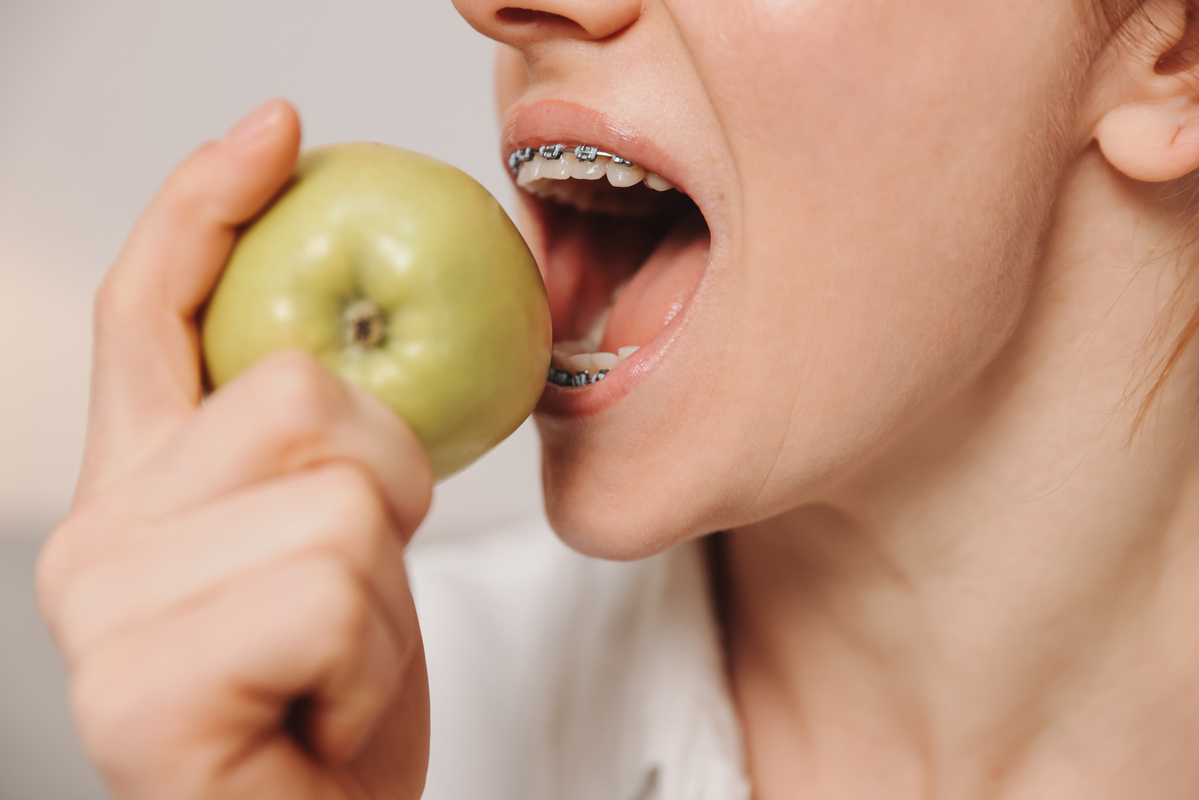
4. Foods You Bite Into
Biting directly can loosen brackets.
Avoid biting into:
- Whole apples
- Corn on the cob
- Carrot sticks
Instead, cut these into small pieces.
5. Sugary Foods & Drinks
Sugar increases cavity risk—especially with braces.
Limit:
- Soda
- Candy
- Sugary cereals
Sugar forms plaque, which can lead to tooth decay if not cleaned properly.
Sample Daily Meal Plan for Kids with Braces
Here’s a simple, braces-friendly meal plan:
Breakfast:
- Oatmeal with bananas
- Yogurt smoothie
Lunch:
- Soft sandwich (cut into small pieces)
- Applesauce
- Yogurt
Snack:
- Cheese cubes
- Soft fruit
Dinner:
- Pasta with soft vegetables
- Shredded chicken
Dessert:
- Ice cream or pudding
Tips for Parents: Making Eating Easier
Helping your child adjust to braces doesn’t have to be stressful.
- Cut Food into Small Pieces: Smaller bites reduce pressure on brackets.
- Encourage Slow Chewing: Kids should chew with their back teeth for better control.
- Maintain Good Oral Hygiene: Brush after every meal to prevent plaque buildup.
- Plan Ahead for School Lunches: Pack braces-friendly meals to avoid risky cafeteria choices.
- Keep Orthodontic Wax Handy: This helps reduce irritation from brackets.
How Diet Impacts Treatment Time
Eating the wrong foods can:
- Break brackets
- Delay adjustments
- Extend treatment duration
Orthodontists note that consistent damage to braces can significantly slow progress, leading to longer treatment timelines.
Conclusion
Wearing braces is a rite of passage for millions of American kids. While the “Forbidden Foods” list might seem long at first, it’s a small price to pay for a lifetime of confidence. By focusing on soft, nutritious options and making small adjustments—like slicing apples or cutting corn off the cob—your child can enjoy a diverse diet without a single emergency orthodontic visit.
Remember: the goal is to get those braces off on time. Every broken bracket is a delay. Keep it soft, keep it clean, and that “reveal day” will be here before you know it!
Frequently Asked Questions
1. Can kids eat pizza with braces?
Yes—but avoid hard crusts. Stick to soft-crust pizza and cut it into small pieces.
2. Are apples completely off-limits?
No. Apples are fine if sliced thin or cooked to soften them.
3. How long should kids eat soft foods after getting braces?
Typically 3–7 days, depending on sensitivity.
4. Can kids eat candy with braces?
Only soft, non-sticky candy in moderation. Avoid hard and chewy types.
5. What happens if a child eats the wrong food?
It can break brackets or wires, requiring repair and possibly extending treatment time.