

Thumb sucking, a seemingly harmless and comforting habit for many young children, often raises concerns among parents about its potential impact on their child’s dental development. The question frequently asked is: will thumb sucking inevitably lead to braces? While the answer isn’t a simple yes or no, understanding the nuances of this habit and its potential consequences is crucial for parents seeking to ensure their child’s healthy smile.
The Comforting Habit: Understanding Thumb Sucking
Thumb sucking is a natural reflex for infants and young children, providing a sense of security and comfort. It’s a common practice, with many children engaging in it during infancy and toddlerhood. For most, the habit naturally subsides between the ages of two and four. However, some children continue thumb-sucking beyond this age, leading to potential dental and skeletal changes.
The Potential Impact on Dental Development:
Prolonged and intense thumb sucking can exert significant pressure on the developing teeth and jaws, leading to various dental issues. The severity of these issues depends on factors such as the habit’s frequency, intensity, and duration.
Here’s how thumb-sucking can affect dental development:
- Anterior Open Bite: This is a common consequence of prolonged thumb sucking. The upper front teeth are pushed forward, and the lower front teeth are pushed backward, creating a gap when the child bites down.
- Posterior Crossbite: In some cases, thumb sucking can cause the upper jaw to narrow, leading to a crossbite where the upper back teeth bite inside the lower back teeth.
- Protrusion of Upper Incisors: The constant pressure from thumb sucking can cause the upper front teeth to protrude outward, creating an “overjet.”
- Changes in Jaw Shape: Prolonged thumb sucking can affect the overall shape of the jaws, leading to skeletal changes that may require orthodontic intervention.
- Speech Impediments: In severe cases, dental changes caused by thumb sucking can affect speech development.
When Does Thumb Sucking Become a Concern?
While thumb sucking is normal for young children, it becomes a concern when it persists beyond the age of four or five, especially if the permanent teeth are starting to erupt. The American Dental Association recommends that children stop thumb-sucking when permanent teeth emerge.
Will Thumb Sucking Cause My Child to Need Braces?
Several factors determine whether thumb sucking will lead to the need for braces :
- Duration and Intensity: The more prolonged and intense the habit, the greater the risk of dental problems.
- Frequency: Frequent and prolonged thumb sucking is more likely to cause dental changes than occasional thumb sucking.
- Child’s Individual Development: Some children are more susceptible to dental changes than others.
- Genetics: Genetic factors can also play a role in malocclusion (misalignment of teeth).
Breaking the Habit: Strategies for Parents:
Parents can take several steps to help their child break the thumb-sucking habit:
- Positive Reinforcement: Encourage and praise your child when they refrain from thumb-sucking. Avoid scolding or punishing them, as this can exacerbate the habit.
- Identify Triggers: Determine what triggers your child’s thumb sucking and try to address those triggers.
- Provide Comfort and Distraction: Alternative comfort measures, such as a favorite toy or blanket. Engage your child in activities that keep their hands busy.
- Dental Appliances: In some cases, an orthodontist may recommend a dental appliance, such as a palatal crib, to discourage thumb sucking.
- Professional Help: If the habit persists despite your efforts, consult with your child’s orthodontist or pediatrician. They can provide additional guidance and support.
Preventive Measures and Early Intervention:
Early intervention is crucial in minimizing the potential impact of thumb-sucking on dental development. Regular dental checkups allow the orthodontist to monitor your child’s oral health and identify any early signs of dental problems. The orthodontist can recommend appropriate interventions, such as orthodontic appliances or therapy.
The Role of Orthodontics:
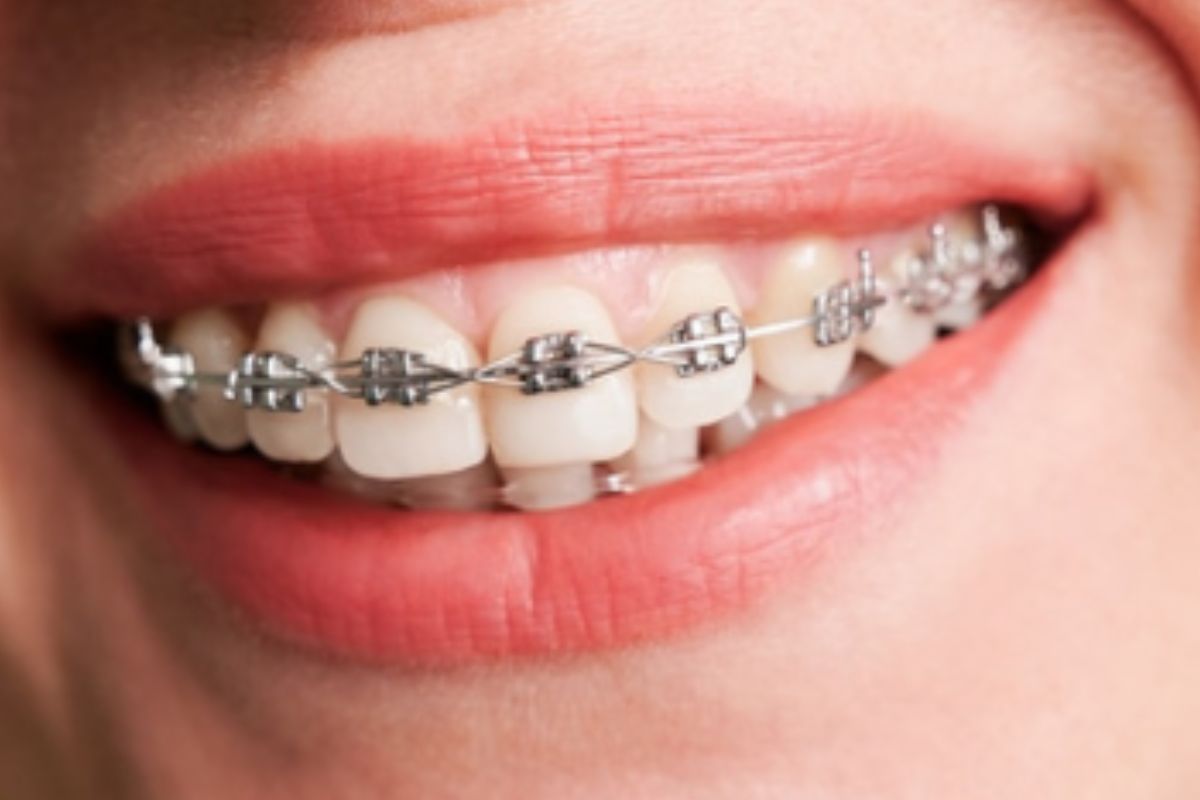
If thumb sucking has caused significant dental changes, orthodontic treatment may be necessary. Braces can realign the teeth and correct bite problems, restoring proper function and aesthetics. The timing of orthodontic treatment will depend on the child’s individual needs and the severity of the dental issues.
Beyond the Teeth: Psychological Considerations:
Thumb-sucking can also have psychological implications. It can become a coping mechanism for stress or anxiety. Addressing the underlying emotional needs of the child is essential in helping them break the habit.
A Balanced Approach:
It’s crucial to approach thumb-sucking with a balanced perspective. While it’s essential to address the habit to prevent potential dental problems, it’s also vital to avoid creating unnecessary anxiety or stress for the child.
Conclusion
While thumb sucking doesn’t guarantee the need for braces, prolonged and intense habits can significantly increase the risk of dental problems. Early intervention, positive reinforcement, and professional guidance can help children break the habit and minimize its impact on their dental development. Regular dental checkups are crucial for monitoring your child’s oral health and ensuring a healthy, beautiful smile for years. Parents should remember to be patient and understanding and to seek professional help when needed.