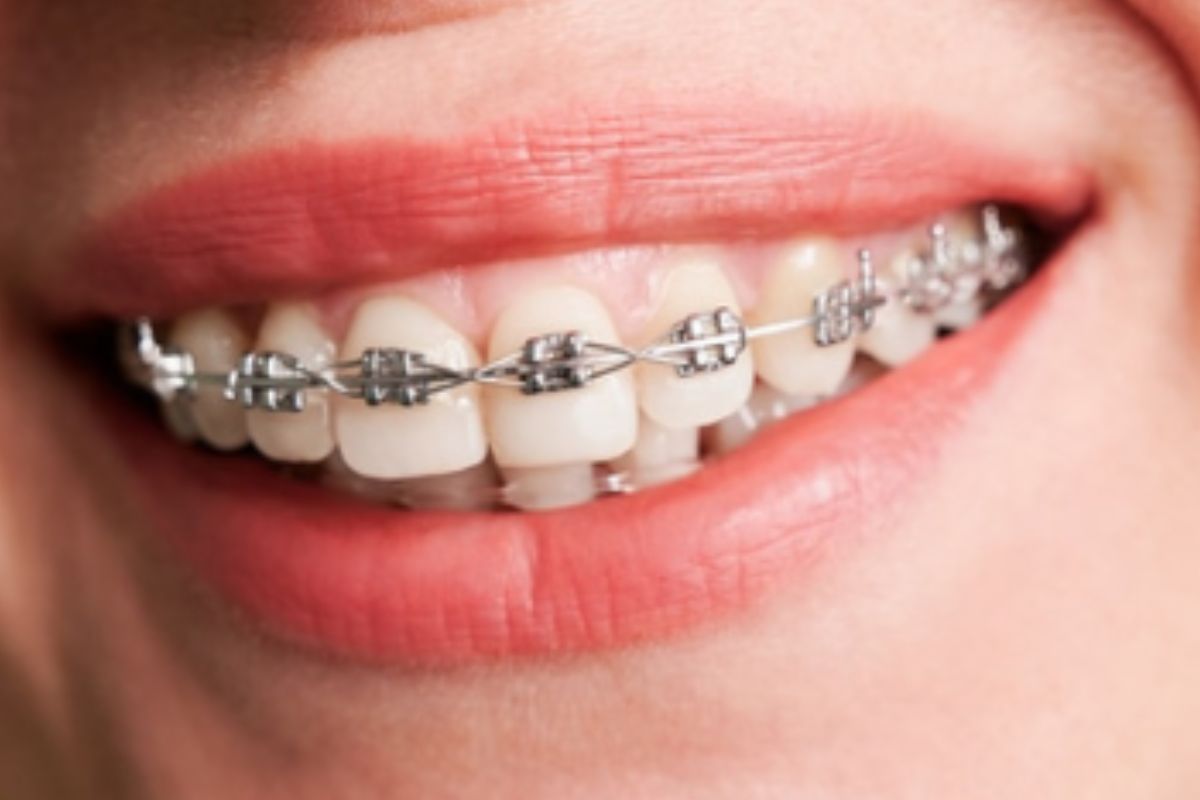


Flossing with braces may not be everyone’s favorite topic, but it is a crucial part of maintaining a healthy and beautiful smile during orthodontic treatment. While braces work their magic to straighten your teeth, proper flossing techniques become even more important to keep those pearly whites in tip-top shape.
In this blog post, we will delve into the common mistakes people make when flossing with braces and how you can avoid them. We’ll also share some handy tips and tricks for effective flossing that will leave your orthodontist impressed at your next appointment. So let’s jump right in and discover the secrets to achieving optimal oral hygiene while rocking those metal brackets!
The Importance of Flossing with Braces
Having braces is an exciting journey towards a straighter smile, but it also requires some extra effort in the oral hygiene department. Flossing with braces plays a crucial role in maintaining healthy teeth and gums throughout your orthodontic treatment.
Braces create small spaces between your teeth where food particles can easily get trapped. If left unaddressed, these trapped particles can lead to plaque buildup, tooth decay, and even gum disease. By incorporating flossing into your daily routine, you effectively remove those stubborn bits of food that brushing alone may miss.
Not only does flossing help prevent dental issues down the road, but it also keeps your breath fresh and contributes to overall oral health. Regularly removing plaque and bacteria from between your teeth helps ensure that your smile remains bright and free from cavities once those braces come off.
Now, we understand that flossing with braces can seem like a daunting task at first glance. The wires and brackets may present some challenges when trying to maneuver the floss around them. However, mastering proper techniques and using the right tools will make this process much easier – which we’ll explore further in our next section!
So remember: while wearing braces is about achieving a stunning smile on the outside, taking care of them through regular flossing ensures that you maintain good dental health on the inside too!
Common Mistakes People Make When Flossing with Braces
Flossing with braces can be a bit tricky, but it’s essential for maintaining good oral hygiene during orthodontic treatment. However, many people make common mistakes that can hinder the effectiveness of their flossing routine.
One mistake is not flossing frequently enough. With braces, food particles and plaque can easily get trapped between the wires and brackets, leading to tooth decay and gum disease if not removed promptly. It’s important to commit to daily flossing to ensure optimal dental health.
Another mistake is using improper techniques when flossing. Many people simply slide the floss up and down without paying attention to properly cleaning around each tooth. To effectively remove plaque, it’s crucial to curve the floss into a C shape around each bracket and gently move it up and down against the sides of the teeth.
Using regular string floss instead of specialized orthodontic floss is also a common error. Orthodontic floss has a stiffer construction that makes it easier to navigate through brackets and wires without fraying or breaking.
Neglecting interdental brushes or proxy brushes is another oversight that often occurs while wearing braces. These tiny brushes are perfect for reaching those tight spaces between brackets where food particles tend to accumulate.
Rushing through your oral care routine is something many individuals fall victim to when dealing with braces. Take your time when brushing and flossing; thoroughness goes hand in hand with effective oral hygiene practices.
By avoiding these common mistakes, you’ll minimize potential issues such as cavities or gum inflammation while undergoing orthodontic treatment with braces. Remember: consistency, proper technique, using specialized tools like orthodontic-friendly
Using the Right Tools and Techniques for Flossing with Braces
When it comes to flossing with braces, using the right tools and techniques is crucial. Traditional floss can be challenging to maneuver around brackets and wires, so opting for alternatives like dental floss threaders or orthodontic floss can make the process much easier.
Dental floss threaders are small flexible devices that allow you to guide the floss under your braces wire. They help ensure that you reach between each tooth and remove any trapped food particles or plaque. Orthodontic floss, on the other hand, is designed specifically for braces with a stiff end that enables threading through tight spaces.
When using these tools, it’s important to follow proper technique as well. Start by pulling out about 18 inches of dental floss or threader and carefully slide it between two teeth. Gently move up and down in a C shape motion against each tooth surface, making sure to go beneath the gum line.
Remember to never force or snap the floss as this could damage your brackets or wires. Take your time and be gentle yet thorough throughout every step of the process.
Frequent brushing along with regular visits to your orthodontist are equally essential in maintaining good oral hygiene while wearing braces. Incorporating mouthwash into your routine can also provide additional protection against bacteria buildup.
By utilizing appropriate tools such as dental floss threaders or orthodontic floss, combined with proper technique and consistent oral care habits, you’ll have a better chance at keeping your teeth clean during orthodontic treatment. So take control of your oral health today!
Tips for Effective Flossing with Braces
Flossing with braces can be a bit tricky, but it’s essential to keep your teeth and gums healthy during orthodontic treatment. Here are some tips to help you floss effectively:
1. Use waxed floss: Waxed floss slides more easily between the brackets and wires of your braces without getting stuck or fraying.
2. Thread the floss carefully: Gently guide the floss between each tooth, making sure to go beneath the wire before moving on to the next tooth.
3. Take your time: Flossing with braces requires patience and precision. Avoid rushing through the process as you may miss cleaning certain areas properly.
4. Consider using a floss threader or water flosser: These tools can make it easier to reach those hard-to-reach places around your braces where food particles tend to get trapped.
5. Be gentle yet thorough: While it’s important to clean thoroughly, be careful not to apply too much pressure that could damage your braces or hurt your gums.
6. Rinse afterwards: After you’re done flossing, rinse your mouth thoroughly with water or an antimicrobial mouthwash to remove any loosened debris from between your teeth and braces.
Remember, maintaining good oral hygiene habits while wearing braces is crucial for preventing cavities and gum disease. Incorporate these tips into your daily routine for effective oral care throughout your orthodontic journey!
How Often Should You Floss with Braces?
How often should you floss with braces? This is a common question that many people with braces have. The answer may vary depending on your individual needs and the recommendations of your orthodontist.
First and foremost, it’s important to understand why flossing with braces is so crucial. Braces create spaces where food particles can easily get trapped, leading to plaque buildup and potential oral health issues such as cavities or gum disease. Regular flossing helps remove these particles, ensuring that your teeth stay clean and healthy throughout the orthodontic treatment process.
When it comes to how often you should be flossing, the general recommendation is at least once a day. However, with braces, it may be necessary to increase this frequency to twice a day or after every meal. This will help prevent any food debris from getting stuck in hard-to-reach places.
It’s also essential to use the right technique when flossing with braces. Start by threading the floss carefully under the main wire before gently moving it up and down between each tooth. Take your time and be extra cautious not to snap or damage any wires or brackets during this process.
The Bottom Line
Maintaining good oral hygiene is essential, especially when you have braces. Flossing is a crucial part of your dental care routine that should not be overlooked. By avoiding common mistakes and using the right tools and techniques, you can ensure effective flossing with braces.
Remember to take your time and be gentle when flossing around the wires and brackets. Use a threader or floss specially designed for braces to navigate through tight spaces. Additionally, incorporating interdental brushes or water flossers can enhance your cleaning efforts.
Make it a habit to floss at least once a day, preferably before bedtime. This will help remove plaque buildup and prevent gum disease, tooth decay, and bad breath.
Don’t forget to schedule regular visits with your orthodontist for check-ups and professional cleanings. They will provide guidance on proper oral care during your orthodontic treatment journey.