
As a parent, you want the best for your child’s dental health. If your dentist has recommended braces for your little one, it can be overwhelming to know where to start. But fear not! This guide will take you through everything you need to know about braces for kids – from how they work and when they’re needed, to different types of braces available and how to care for them. So let’s dive in and get those pearly whites straightened out!
What Are Braces?
Braces are dental appliances that help correct misaligned teeth and improve a child’s overall oral health. They work by applying gentle pressure on your child’s teeth to move them into their proper position.
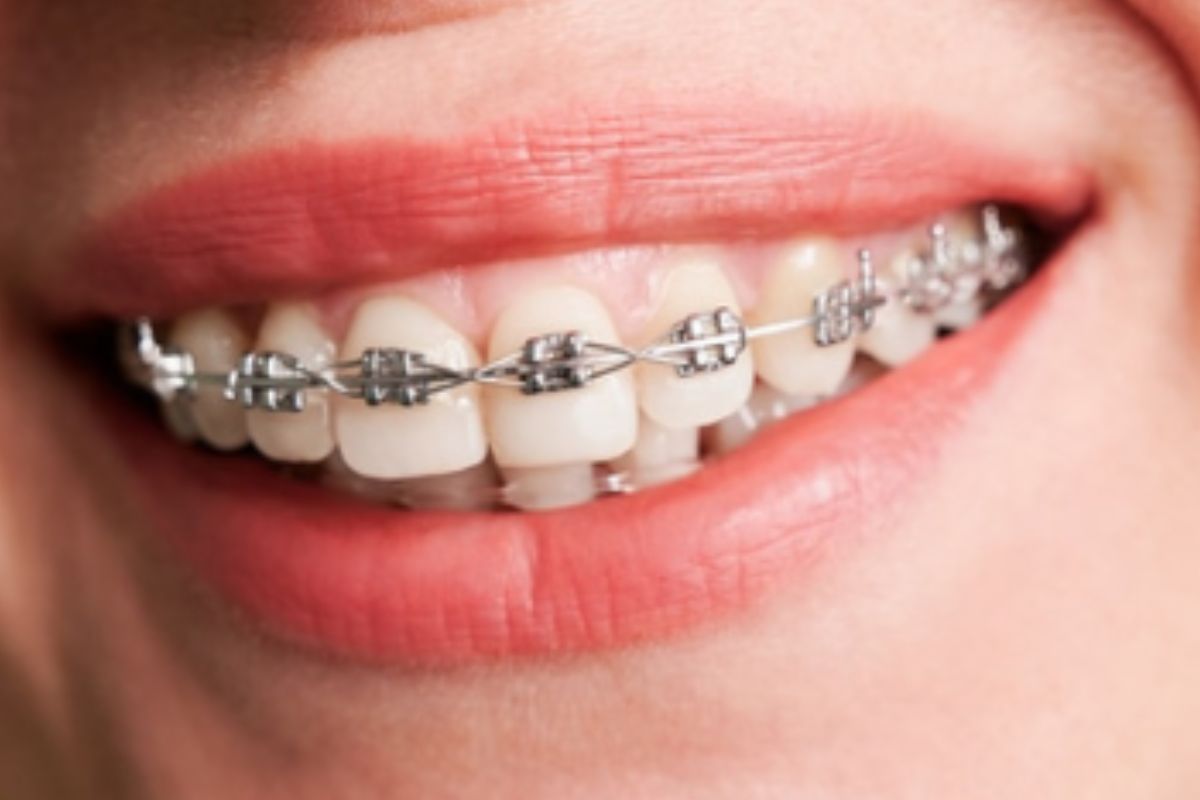
Braces consist of several components, including brackets, wires, elastics, or rubber bands. Orthodontic adhesive bonds the brackets to the front surface of each tooth with an orthodontic adhesive. Meanwhile, archwires connect these brackets and apply force to the teeth.
Our trusted orthodontic treatment provider in Dallas with braces can address many issues, such as crooked or crowded teeth, which can make brushing and flossing difficult and lead to gum disease or decay over time. Misaligned jaws causing speech difficulties may also be treated with braces.
Parents should understand that getting braces is an investment in their child’s future dental health. With straighter teeth and a properly aligned jawline, children can gain self-confidence, along with practical benefits like easier cleaning routines that can reduce long-term costs associated with poor oral hygiene.
Braces are an effective tool for children whose dental problems cannot be corrected through other means such as removable retainers or aligners alone.
How Do Braces Work?
Braces in Dallas work by applying steady pressure to the teeth, gradually shifting them into proper position over time. Each bracket is attached to a tooth with a special dental adhesive and connected by an archwire that runs through each bracket. The wire puts constant force on the brackets and ultimately moves the teeth.
The orthodontist will adjust the wire at regular intervals to maintain consistent pressure on the teeth. Over time, this pressure causes bone tissue in the jaw to remodel itself around each tooth, allowing it to move into its new position.
In addition to traditional metal braces, other types are available, such as ceramic braces, which blend in with teeth, or lingual braces, which are placed behind the teeth and are less visible.
Kids wearing braces should not only follow their orthodontist’s instructions but also practice good oral hygiene habits like brushing twice daily and flossing regularly. This helps prevent plaque buildup around brackets and wires that can lead to gum disease or even tooth decay.
Understanding how braces work can help parents feel more informed when discussing treatment options with their child’s orthodontist.
Types Of Braces
Several types of braces are available for kids. Each type has its own unique features and benefits.
Traditional metal braces are the most common type and are made of high-quality stainless steel. They consist of brackets that are glued to each tooth and connected by wires. Although they’re noticeable, they’re still a popular choice among kids.
Ceramic braces are similar to traditional metal braces but use clear or tooth-colored brackets instead of metal ones. The wires can also be color-matched to blend in with the teeth, making them less noticeable than traditional braces.
Lingual braces are another option and are placed on the inside (tongue-side) surface of the teeth rather than the outside. These invisible braces provide a discreet way for children to straighten their teeth without anyone knowing.
Clear aligners like Invisalign® have become increasingly popular due to their almost-invisible appearance and ease of use. These custom-fit clear trays fit over your child’s teeth and gradually shift them into place over time.
When deciding what type of brace is best for your child, consider their individual needs and preferences, and seek professional advice from an orthodontist who can help you make an informed decision based on your child’s specific case.
When Should Kids Get Braces?
When should kids get braces? This is a common question parents ask about their children’s dental health. The answer depends on several factors, including the child’s age, tooth development, and the severity of any orthodontic issues.
The American Association of Orthodontists recommends that children have their first orthodontic evaluation by age 7. At this point in a child’s life, permanent teeth are starting to come in, and you can identify potential problems early. However, not all children will need braces at this age.
If a child has severe crowding or bite issues, they may require braces earlier than others. In some cases, treatment may need to wait until all permanent teeth have erupted.
It is important for parents to keep an eye out for signs that their child may need braces, such as difficulty chewing or biting properly, or prematurely losing baby teeth due to overcrowding.
A dentist or orthodontist determines when a child needs braces based on individual circumstances. Regular check-ups with a dental professional can help identify potential issues early on and ensure proper treatment at the appropriate time.
The Process Of Getting Braces
The process of getting braces can seem daunting, but parents should understand what to expect. First, the orthodontist will conduct a thorough examination that may include X-rays and impressions of your child’s teeth.
Based on this assessment, the orthodontist will recommend a specific type of braces. This could be traditional metal braces or newer options like ceramic or clear aligners.
Once the orthodontist decides on the type of braces, they will create a custom treatment plan for your child. This plan outlines how long they’ll need to wear braces and any adjustments needed along the way.
Next comes brace placement. The orthodontist will clean and dry your child’s teeth before applying brackets with special dental cement. They then thread a wire through each bracket and secure it with elastic bands.
After getting the new hardware in place, your child may experience some discomfort as they adjust to the appliances. Maintain good oral hygiene by brushing regularly and avoiding hard or sticky foods that could damage the braces.
Throughout treatment, regular check-ins with the orthodontist are necessary to monitor progress and make any necessary adjustments. With patience and dedication, your child can achieve a healthy smile they’re proud of!
Caring For Braces
Caring for braces is crucial to successful treatment. Here are a few tips for keeping your teeth healthy and strong while wearing braces.
It’s essential to brush your teeth after every meal or snack using fluoride toothpaste and a soft-bristled brush. Braces can trap food particles that may lead to plaque buildup if left unchecked, which can cause tooth decay or gum disease.
Flossing is also an important part of oral hygiene with braces, as it helps remove debris caught between the wires and brackets. It’s best to use floss threaders or interdental brushes designed specifically for people with braces.
It’s important not to forget about regular dental checkups either. Your dentist will need to monitor your progress and ensure that your teeth are moving in the right direction. They may also need to adjust your braces periodically.
Avoid hard, sticky foods such as popcorn, chewy candy, ice cubes, and nuts, as they can damage or dislodge the brackets or wires.
By following these simple steps, you’ll be well on your way towards achieving a beautiful smile!
The Bottom Line
Braces can be an important investment in your child’s dental health and overall confidence. Understanding the available types of braces, the right time to begin treatment, and proper daily care can help your child have a more comfortable and successful orthodontic experience.
Every child has different dental and orthodontic needs, so treatment should be based on an individual evaluation rather than a one-size-fits-all approach. With good oral hygiene, regular orthodontic visits, and proper home care, parents can support healthy tooth alignment throughout treatment.
Visit our dental practice in Dallas to discuss your child’s orthodontic needs with Dr. Benito Benitez. Schedule an appointment for a personalized evaluation and learn which treatment options may be appropriate for your child.
Frequently Asked Questions
1. At what age should my child see an orthodontist?
Our orthodontists recommend an initial orthodontic evaluation by age 7 to identify potential alignment and bite concerns early.
2. How do I know if my child may need braces?
Crowded teeth, noticeable gaps, difficulty biting or chewing, protruding teeth, and certain bite problems may indicate a need for orthodontic evaluation.
3. Are braces painful for kids?
Children may experience mild soreness or pressure after braces are placed or adjusted. This discomfort is usually temporary and can often be managed with simple care.
4. How long do kids usually wear braces?
Treatment time varies based on the child’s age, tooth alignment, bite concerns, and response to treatment. Many children wear braces for approximately 18 to 24 months.
5. How should my child care for braces?
Encourage your child to brush carefully around brackets and wires, floss regularly, limit sticky or hard foods, and attend scheduled orthodontic appointments to keep treatment progressing properly.